Beyond the Profile: Russell Weil on the Real Work of Buyer Personas
Buyer persona development is often treated as a profiling exercise—demographics, job titles, pain points. But for Russell Weil of Weil Strategic Marketing, the real value lies in understanding the messy, human context behind a purchase decision. In a recent interview, Weil shared how a luxury senior living client revealed the gaps between a company’s self-image and its customers’ actual journey.
The Luxury Senior Living Wake-Up Call
When a client complains that marketing is reaching people who never buy, Weil starts by examining who the company thinks its customer is. In one case, a luxury senior living provider could describe its amenities but struggled to define who would value that experience enough to choose it. More importantly, the team hadn’t accounted for who was driving the search.
"The future resident was central to the decision, and an adult child, often a daughter, typically took the lead in researching communities, making the first call and scheduling tours," Weil said.
His buyer persona process mapped what families needed at each step—from the level of care available to how clearly costs and future care options were explained. It also surfaced the pressures families face, such as balancing work and caregiving or making a decision on short notice. The result: marketing shifted from showcasing amenities to answering practical questions about care and the move, helping families decide whether to call or schedule a tour.
What Online Advice Misses
Much of the buyer persona advice online focuses on describing a customer. Weil argues that misses the dynamic nature of real decisions. "The part I keep coming back to is what’s happening in that person’s life when they start looking, who else gets a say and what they need to feel comfortable moving forward," he said.
He points to two daughters researching senior living: one has been looking for months, the other faces a parent’s imminent hospital discharge. On paper, their profiles might match. But the questions they bring to the first call are completely different. Weil also emphasizes capturing customers’ actual language. A company might say "continuum of care," while a daughter asks, "If Mom needs more help six months from now, will she have to move again?" That question tells you what the website must explain and what the team must be ready to answer.
The Decision Owners Make Too Quickly
Owners often settle too fast on who the buyer is and why they buy. "It’s easy to think of a few good customers and assume they represent the people you should build your marketing around," Weil noted. Instead, he advocates examining the full decision chain: who made the first inquiry, who influenced the choice, who ultimately said yes, and where promising prospects dropped out. He also wants to know what customers say tipped the decision in your favor.
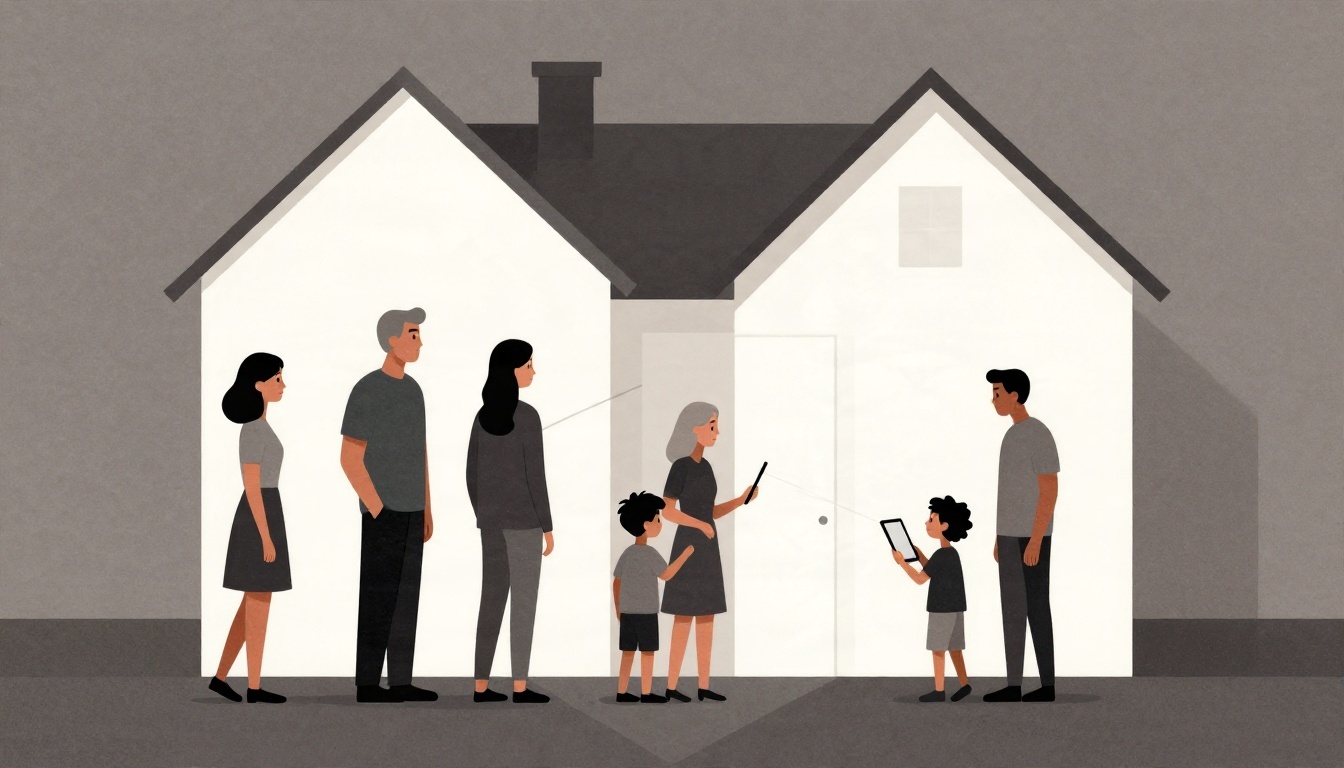
In senior living, a daughter may narrow the list, but siblings may weigh in on cost, and the parent may decide after a tour whether the community feels like home. Each person needs something different to move forward. "When I build a buyer persona, I want the business to know whose question it needs to answer at each step and what that person needs to hear," Weil said.
Practical Takeaways
- Map the decision unit, not just the buyer. Identify everyone who influences the purchase—researchers, financial stakeholders, end users—and what each needs at every stage.
- Capture life context. Two people with identical profiles can have vastly different needs based on urgency and circumstances.
- Use customer language. Record the exact words customers use to describe their problems; those phrases should shape your website and sales scripts.
- Audit the full journey. Look at who inquired, who influenced, who converted, and where prospects dropped off—not just your best customers.
For businesses serious about buyer persona work, Weil’s approach offers a grounded alternative to static profiles. As he puts it, the goal is to know whose question you need to answer at each step—and to answer it in a way that moves the decision forward.
This interview has been edited for clarity and length.