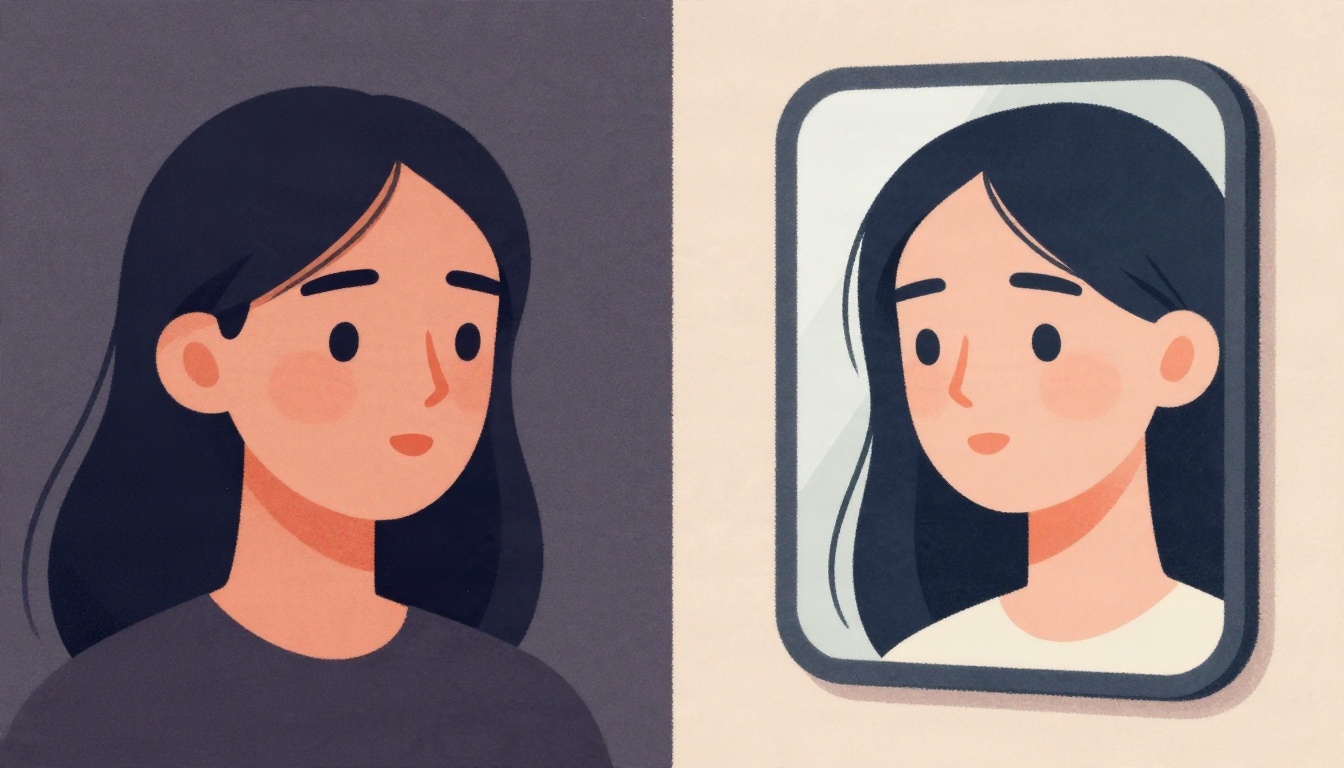
Beyond the Perfect Selfie: How AI Game Avatars Keep the Person in the Picture
Most guides to AI avatar tools start from the same assumption: a clean, front-facing photo in good light. Real uploads rarely cooperate. People send side angles, sunglasses, heavy filters, or a shot taken at night. Game Avatar Studio, listed among the AI game avatar services worth knowing, has built its process around that gap. We asked Nikola three questions about what happens when the input is less than ideal.
When the usual advice doesn't apply
The standard fix for a bad selfie is to reject it and ask for a better one. Nikola's team takes a different route. He said "Instead of rejecting those, Game Avatar Studio splits the job in two: the face and age always come from the selfie, while the pose, expression and lighting come from the style's own example scene."
That division of labor means a tired, badly lit photo can still become a well-lit hero shot without losing the person behind it. The face and age stay anchored to the selfie; everything else is borrowed from the style.
The safety net matters too. Nikola said "If the first result misses, the re-roll is free, because a bad input shouldn't cost the user anything." For anyone working with portrait photography basics, that is a practical shift: the tool compensates for lighting and pose rather than demanding them upfront.
The likeness problem guides leave out
When people say an avatar doesn't look like them, the usual suspects are face shape and skin tone. Nikola points to something else. He said "Age. Guides talk about face shape and skin tone, but the most common complaint is 'it made me look older'."
Gritty or battle-worn styles tend to add wrinkles, stubble, and heavier features, which is exactly what many users want stylistically but not at the cost of their own face. He said "We had to tune every style so it can look tough and serious without aging the person."
Proportions are the second recurring issue. Nikola said "some stylised looks make the head too big for the body, which instantly reads as a caricature instead of you." That is a useful check for anyone evaluating a result: if the head-to-body ratio feels off, the likeness is already slipping, no matter how good the rendering looks. The same principle shows up in caricature work, where exaggeration is deliberate rather than accidental.
Choosing a style before you've seen your own face
The third question was about the decision people make too fast. Nikola said "They pick the style with the coolest example image, not the one that suits their face."
A style that flatters a sharp jawline can behave very differently on a rounder face, and Nikola notes that anime styles change a face more than painterly or pixel styles. That is why every style on Game Avatar Studio shows examples made from several different fictional people, and why the first two previews are free. He said "you should see a style on your own face before you pay for it."
Practical takeaways
- Don't discard an imperfect selfie. If the tool separates identity from scene, a side angle or a night shot can still work.
- Watch for age drift. Gritty styles are the most likely to add years; check the face before judging the overall look.
- Check proportions. An oversized head reads as caricature, not portrait.
- Test on your own face. Example images show a style at its best on someone else; free previews exist so you can see it on yours.
The through-line in Nikola's answers is that likeness is a set of small decisions, not a single filter. Face and age from the selfie, pose and light from the style, proportions kept honest, and a free look before committing. For readers comparing AI avatar generators, those are the details worth checking first.