Beyond the Checkbox: Jen J Snyder on the Real Work of Trauma-Informed Care
In a field increasingly crowded with certifications and short modules, trauma-informed educator Jen J Snyder is calling for something deeper. The founder of AAA Learning Institute and a longtime advocate for ethical, nervous-system-aware care, Snyder recently spoke with Peekwire about what trauma-informed practice actually demands of clinicians—and where standard education falls short.
Presence Over Protocol
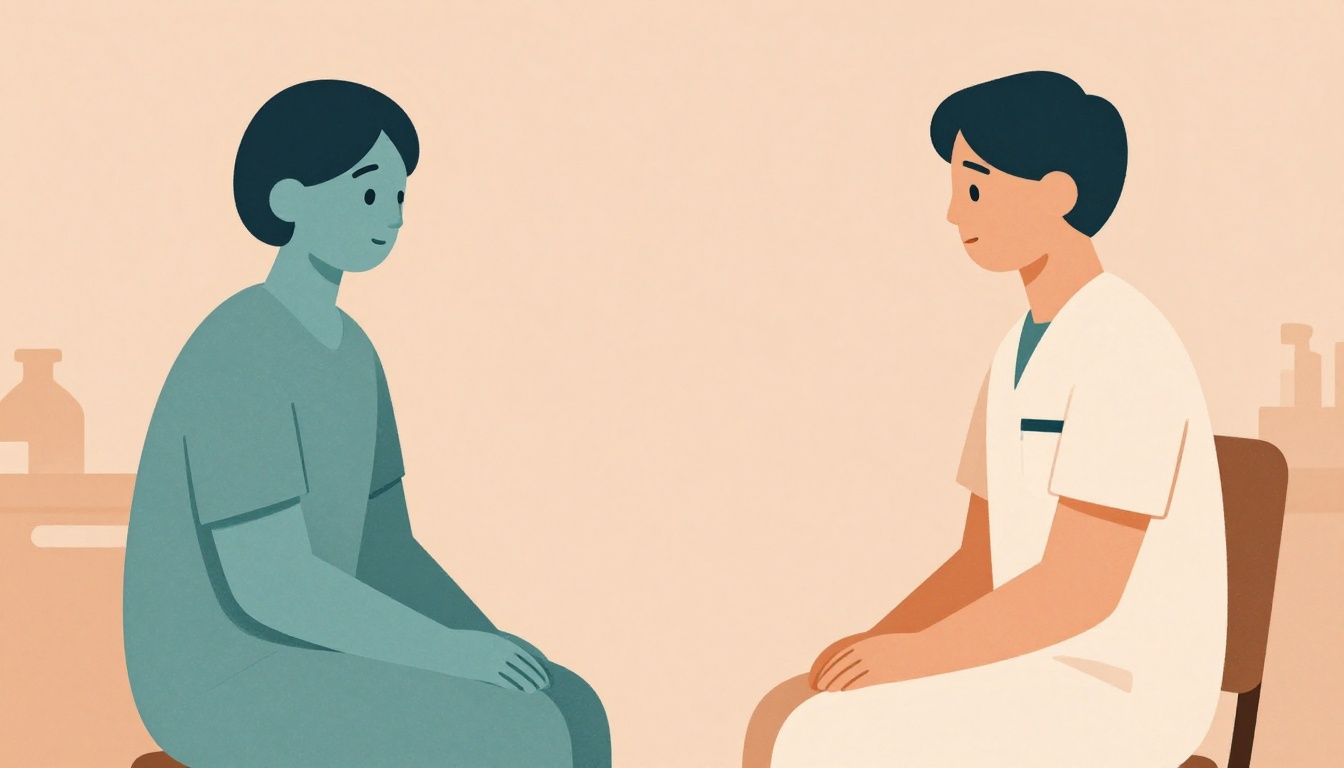
When asked what trauma-informed care looks like beyond the usual checkboxes, Snyder emphasized the quality of presence a clinician brings into the room. "It is the ability to sit with another human being without immediately needing to fix them, judge them, diagnose their behavior, or fill every moment of silence," she said.
For Snyder, this means recognizing that behaviors like anger, withdrawal, or difficulty following through may be connected to experiences the clinician knows nothing about. "Sometimes the most powerful thing we can offer another person is calm. Silence. Peace. Nonjudgment."
The Nervous System Lens
Understanding nervous system science, Snyder explained, fundamentally changes how clinicians interpret patient behavior. Many responses labeled as "difficult" or "noncompliant" may actually be protective responses from a nervous system that perceives threat. "When we understand that, we can replace judgment with curiosity," she said.
She noted that a clinician's own regulation matters too. "How we show up affects the interaction. When a clinician can remain grounded and regulated, they bring a very different presence into a difficult situation." This aligns with research on interpersonal neurobiology, which shows that co-regulation between clinician and patient can directly influence physiological states.
The Gap Between Knowledge and Practice
One of the biggest gaps Snyder sees in standard clinical education is the difference between understanding trauma intellectually and knowing how to be with someone when trauma is showing up in real time. "Clinicians may learn definitions, symptoms, screening tools, and protocols, but real-world care requires the ability to recognize dysregulation, tolerate silence and discomfort, respond without escalating a situation, maintain healthy boundaries, and recognize our own internal reactions."
She believes anyone who regularly works around trauma can benefit from doing their own personal work—whether through therapy, reflective practices, or peer support. "The more we understand ourselves, the better equipped we are to recognize when something within us is influencing how we respond to the person in front of us."
Ethics Under Pressure
Even in under-resourced settings, Snyder argues that trauma-informed care does not always require more time. "It exists in very small moments. Introducing yourself. Explaining what you are about to do. Asking before touching someone. Allowing a moment of silence."
Ethically, she stressed the importance of knowing the limits of one's training. "Being trauma-informed does not mean trying to become someone's therapist, assuming we understand the source of their behavior, or believing that our own personal experiences qualify us to interpret someone else's trauma." Instead, she advocates for humility and transparency, even when systems are stretched thin. The Substance Abuse and Mental Health Services Administration (SAMHSA) has long emphasized that safety, trustworthiness, and choice are core principles of trauma-informed approaches, regardless of setting.
A Shift in Education
Looking ahead, Snyder hopes to see trauma-informed care move away from being treated as a checkbox or short module. "I want us to teach people how to actually be with other human beings," she said. That includes developing presence, self-awareness, nonjudgment, and the ability to remain grounded when another person is experiencing something difficult.
She also called on healthcare organizations to extend trauma-informed principles to their own workers. "We cannot continually ask healthcare professionals to hold trauma, grief, crisis, fear, and human suffering without acknowledging what that exposure can do to them." Research on compassion fatigue and burnout underscores the importance of organizational support for caregivers.
Ultimately, Snyder's vision is about changing the culture of care. "We can teach all the right terminology, but if someone leaves an interaction feeling judged, powerless, dismissed, or unseen, we have missed something fundamental."