Beyond Icebreakers: Missy Dodge on Trust, Power, and Real Participation
Facilitators often reach for familiar tools—icebreakers, discussion prompts, participation activities—when a group stays quiet. But according to Missy Dodge, whose work spans union leadership development, member organizing, and teacher mentoring, those tools can miss what a room actually needs. In an interview, she explained why participation is less about technique and more about trust, history, and whether people believe their voices matter.
Dodge's approach is grounded in the idea that leadership development is not an add-on but an investment in people. Her work, detailed at missydodge.com, focuses on educating, empowering, and advocating—helping people recognize their own expertise and build the confidence to act.
When the Usual Advice Doesn't Fit
Dodge recalled working with the Rochester Education Association in Michigan, where leaders showed signs of imposter syndrome. "These were intelligent, passionate, capable educators who knew their association and their members, but they didn't necessarily recognize themselves as the experts they already were," she said.
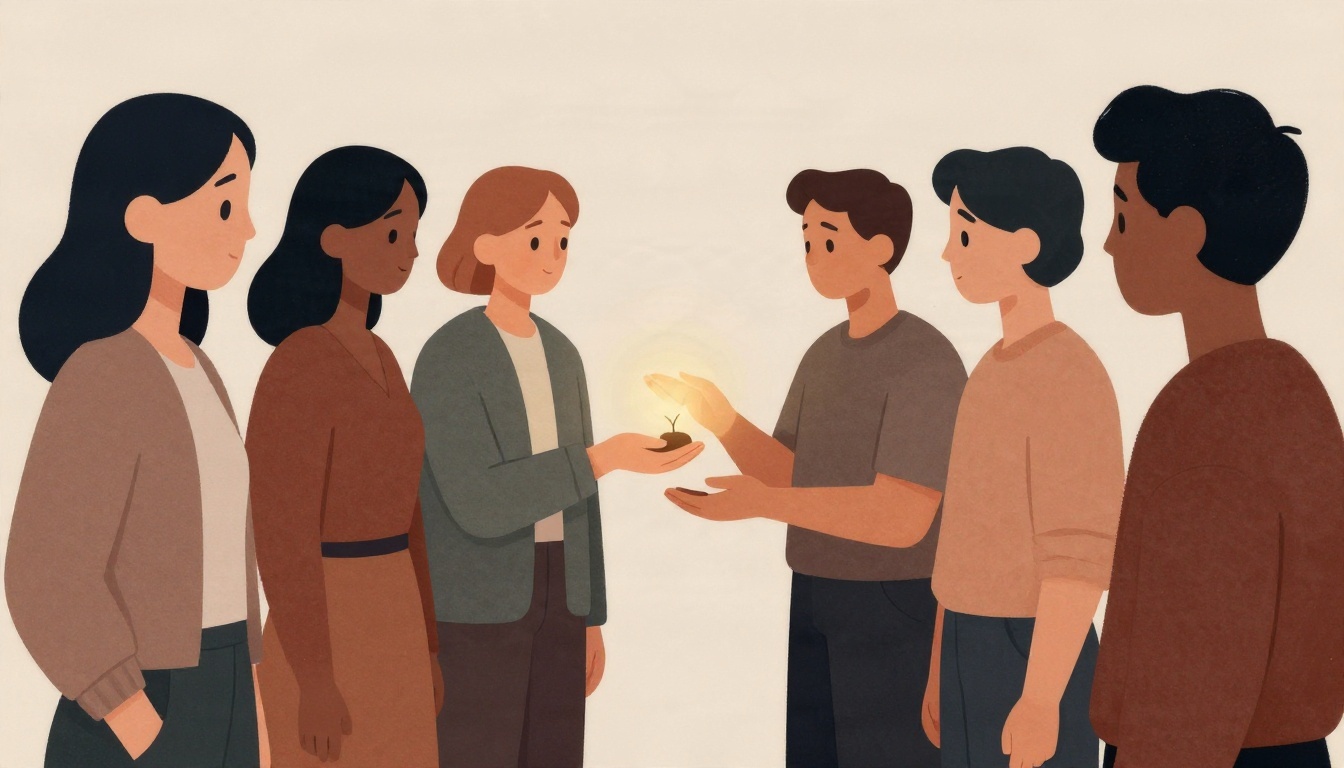
Rather than arriving with a slate of activities, she focused on belief. "I could have walked in with a bunch of participation activities, icebreakers, and discussion prompts, but that wasn't really what they needed. They needed someone to believe in them until they could start believing in themselves."
She kept reminding them that they were the experts on their own members and history. "I wasn't there to swoop in and save the day. I was there to be their cheerleader, help them look at things through a different lens, bring their ideas into focus, and support them as they figured out their next steps."
That shift—from expert-driven facilitation to building internal confidence—is central to her work. "I don't want people to need me forever. I want them to discover what they're capable of and eventually turn around and help someone else discover the same thing."
What Quiet Rooms Really Need
When people stay quiet, Dodge says the missing ingredient is rarely a better activity. "Trust. Confidence. Relationships. History. And whether people genuinely believe anyone cares what they have to say," she said. "You can Google a hundred different icebreakers and engagement strategies, but none of them will magically overcome a room full of people who feel unheard, intimidated, or unsure of themselves."
She points to the difference between a service model and a high-participation organizing model. In a service model, members may expect someone else to solve problems. A high-participation model changes the question from "What is the union going to do for me?" to "What are WE going to do about this?"
That shift requires understanding a group's culture and history. "Have people spoken up before and been dismissed? Are they used to a few leaders making all the decisions? Do they even see themselves as leaders? Do they believe their participation will make any difference?"
Dodge also emphasizes listening carefully to silence. "Sometimes silence means someone is processing. Sometimes they're nervous. Sometimes they're afraid of being wrong. And sometimes they've learned through experience that speaking up doesn't change anything. You have to understand which of those things you're dealing with before you can figure out what the room needs."
What Facilitators Get Wrong Early On
The most common mistake, according to Dodge, is confusing participation with engagement. "Getting everyone to say something during a meeting doesn't necessarily mean you've accomplished anything," she said. "I've been in trainings where everyone completed the activity, smiled, participated, and then went right back to doing everything exactly the same way."
She wants people to leave feeling invested—understanding why their contributions matter and confident enough to act. Another trap is assuming the facilitator must be the expert with all the answers. "I don't know everything, and I certainly don't know everything about the people sitting in front of me. Their experiences matter. Their perspectives matter. Their knowledge matters."
Dodge advocates hands-on learning and high-participation training so people can practice, make mistakes, and build confidence. She also stresses the importance of small successes. "Sometimes it's one successful organizing conversation. One member who decides to get involved. One person who volunteers to take on a responsibility they wouldn't have considered before. Those little victories matter because they build confidence. Confidence encourages participation, and participation builds power."
She warns against treating leadership development as a luxury. "We should be putting real resources into developing people, providing meaningful training, and creating opportunities for members to lead. Not just offering another workshop where everyone gets a certificate and goes home."
Measuring Success After the Meeting
For Dodge, the real measure of facilitation is what happens after she leaves. "Are people having conversations they weren't having before? Are they taking initiative? Are they stepping into leadership? Do they believe in themselves a little more?" she asked. "If the answer is yes, that's a successful meeting in my book!"
Her approach echoes principles found in adult learning theory and participatory decision-making, but her takeaway is practical: build trust, invest in people, and measure success by the confidence left behind.
For facilitators working with quiet groups, Dodge's advice is clear: don't mistake activity for engagement, don't assume you have all the answers, and don't underestimate the power of one small success.