
Finding the right support for trauma recovery can be a transformative journey. Here are five top-rated online coaching services that specialize in trauma-informed, person-centered care.
What is Trauma-Informed Coaching?
Trauma-informed coaching is a non-clinical approach that focuses on building resilience, nervous system regulation, and post-traumatic growth. Unlike traditional therapy, which often focuses on diagnosing and treating past pathologies, these coaches emphasize present-moment awareness, somatic practices, and goal-oriented strategies to help survivors reclaim their identity and enhance their personal or relational well-being.
How We Vetted These Providers
We evaluated these providers based on their specialized expertise in trauma, their use of evidence-based somatic or nervous-system-aligned methodologies, and their commitment to safe, ethical coaching boundaries. We also prioritized services that offer flexible, online access for individuals, veterans, and couples globally.
A quick look at our top 5 picks for trauma-informed coaching.
| Provider | Best For | Pricing |
|---|---|---|
| Charles Marroni Trauma Coaching | Identity restoration and nervous system regulation | Custom quote |
| The Trauma Recovery Institute | Trauma-informed couples coaching | Tiered plans |
| Moving the Human Spirit | ICF-accredited, high-standard professional coaching | Custom quote |
| Emmy Marie Trauma Informed Coaching | Individual healing and childhood trauma | Starting at $150/session |
| Sarah Poet | Somatic-based relationship transformation | Custom quote |
The 5 Best Trauma-Informed Coaching Services in 2026
#1 Charles Marroni Trauma Coaching
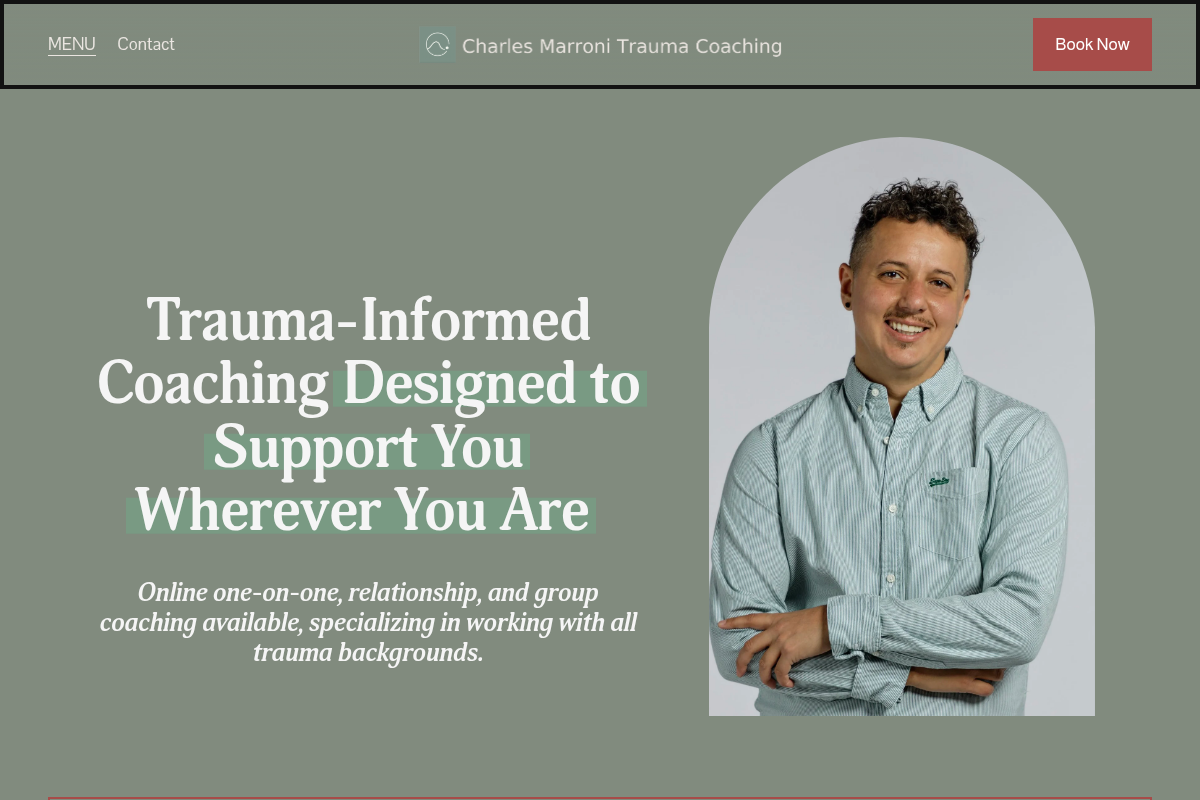 A screenshot of the Charles Marroni Trauma Coaching website.
Charles Marroni offers a deeply empathetic and grounded approach to trauma recovery, specializing in identity restoration and post-traumatic growth for survivors and couples. His practice integrates nervous system regulation with practical, solution-focused coaching to help clients move from survival to thriving. With extensive training in trauma-informed modalities, Charles provides a safe, non-judgmental space for those navigating complex emotional challenges. His work is highly regarded for its ability to foster lasting change through both individual and group settings. Clients value his commitment to honoring their unique pace and perspective while building tangible resilience.
Primary Focus Areas:
- Pro: Deeply personal approach that honors the client's agency.
- Con: High demand may lead to limited availability.
- Pricing: Custom quote
#2 The Trauma Recovery Institute
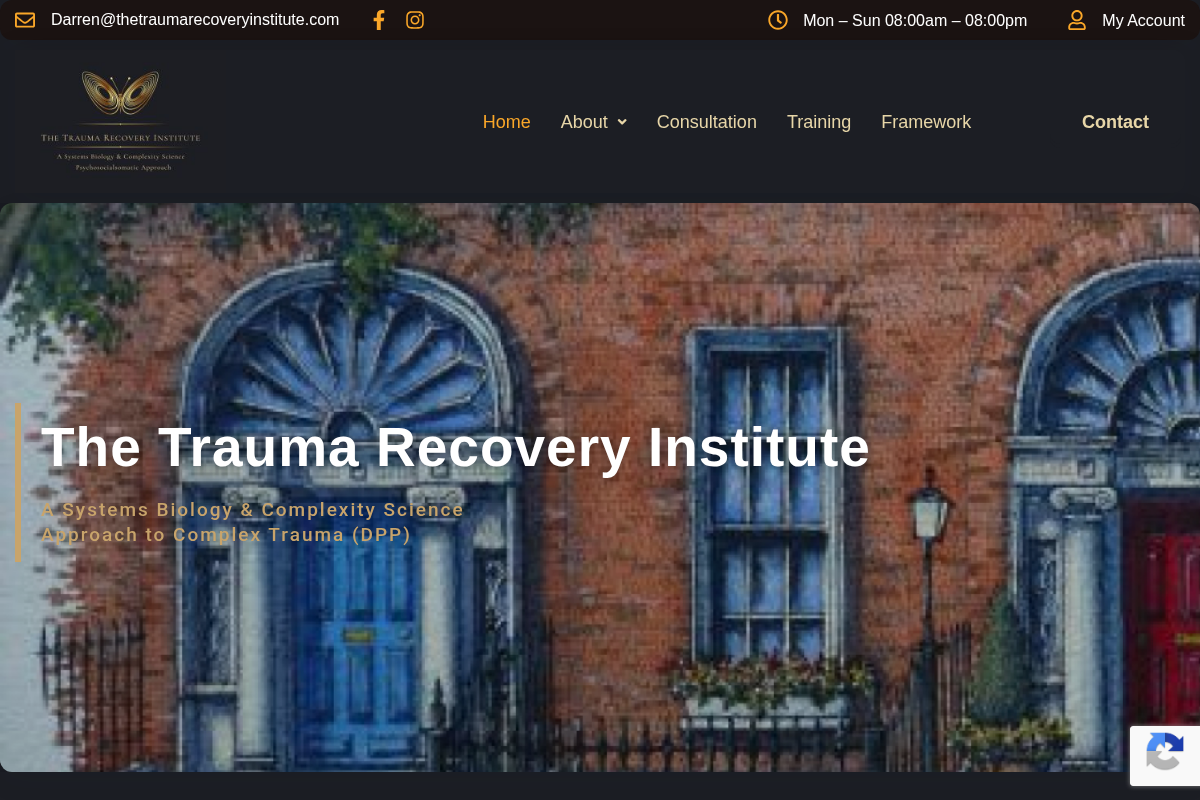 A screenshot of the The Trauma Recovery Institute website.
The Trauma Recovery Institute provides specialized relationship coaching based on their unique Trauma Informed Relational Model (TIRM). This approach integrates neuroscience, attachment theory, and body-based practices to help couples navigate conflict and build deeper, more secure connections. Their programs are designed for those looking to repair relational patterns through a neurobiological lens. The institute is well-known for its comprehensive, research-backed framework that bridges the gap between clinical insights and actionable coaching.
Primary Focus Areas:
- Pro: Strong scientific foundation in neurobiology and attachment.
- Con: Focus is primarily relational rather than individual-centric.
- Pricing: Tiered plans
#3 Moving the Human Spirit
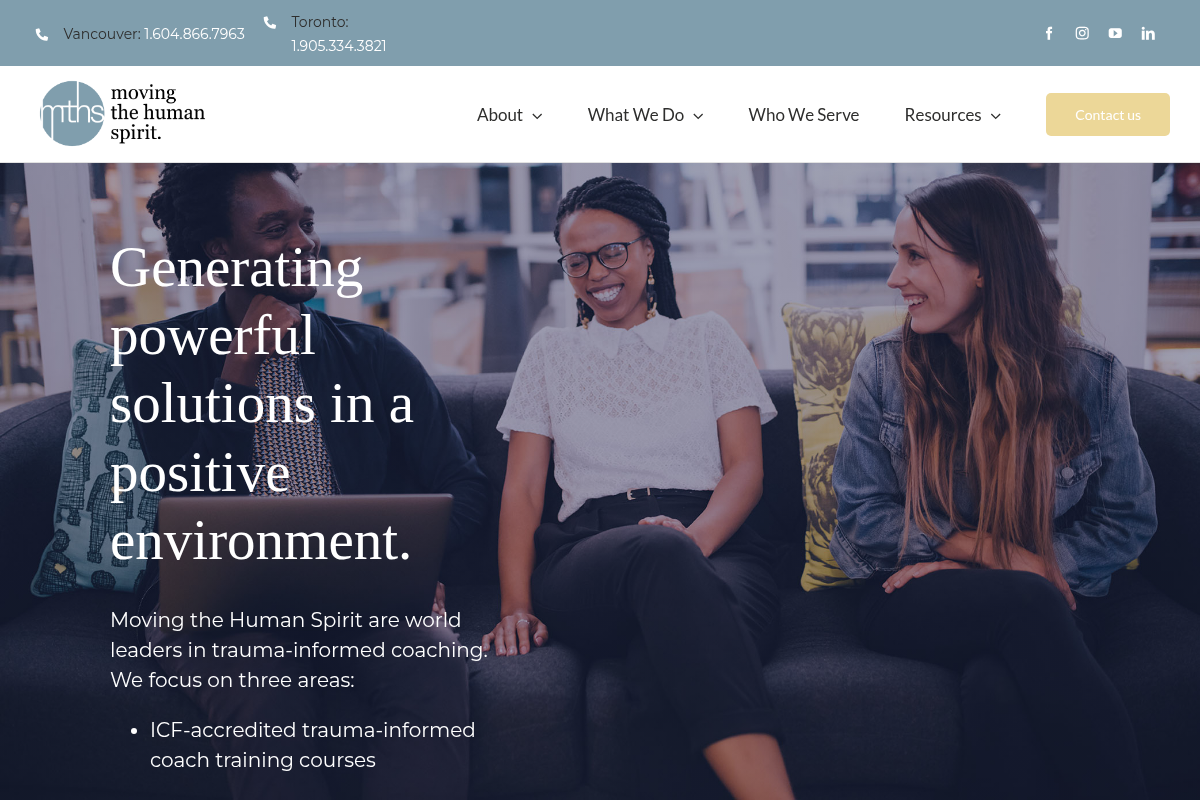 A screenshot of the Moving the Human Spirit website.
As a leader in the field, Moving the Human Spirit offers world-class, ICF-accredited training and direct coaching services for individuals and couples. Their approach is focused on solution-oriented, non-clinical care that supports clients in building a life beyond the traumatic imprint. They utilize a broad range of modalities, including somatic experiencing and emotional intelligence, to foster growth. Their global reach makes them a highly accessible option for those seeking certified, high-standard support.
Primary Focus Areas:
- Pro: Internationally recognized certification and high professional standards.
- Con: Larger organization may feel less intimate than private practice.
- Pricing: Custom quote
#4 Emmy Marie Trauma Informed Coaching
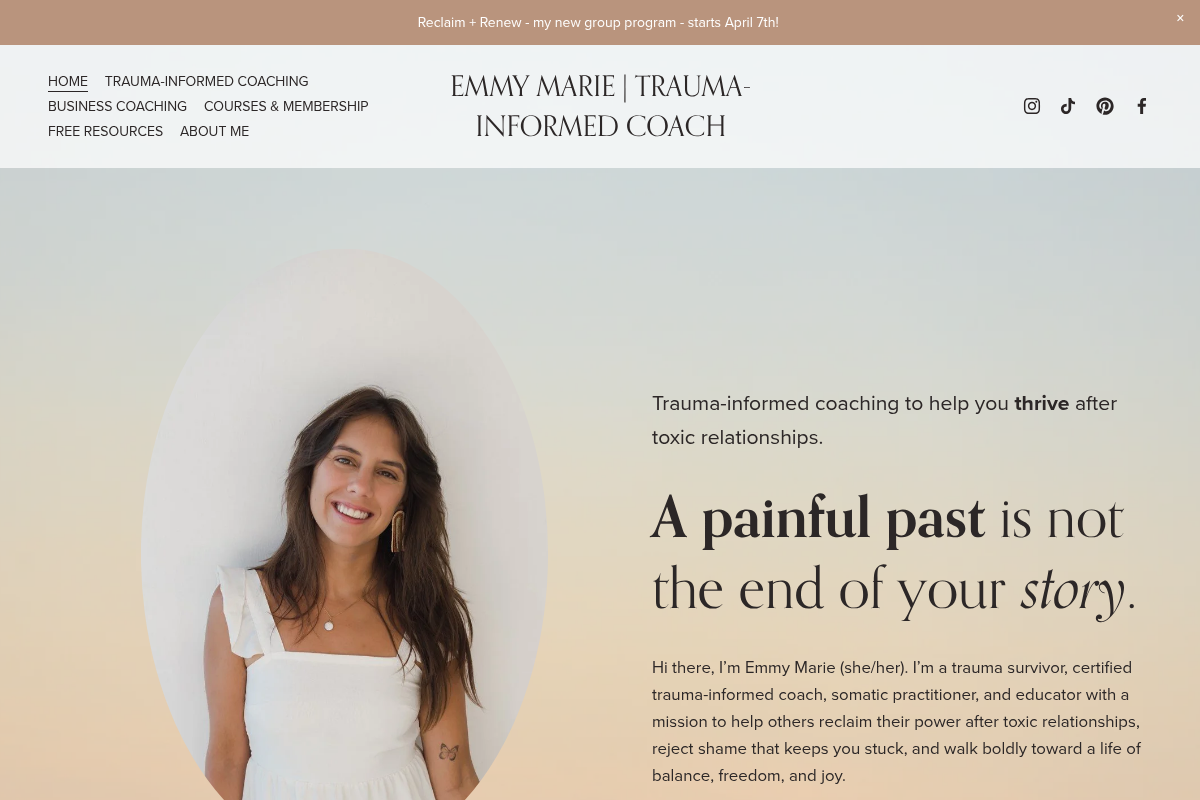 A screenshot of the Emmy Marie Trauma Informed Coaching website.
Emmy Marie specializes in helping clients reconnect with their authentic selves through compassionate, somatic-based coaching. Her work is particularly effective for those dealing with the long-term effects of childhood trauma and toxic relationships. By focusing on nervous system regulation and building personal resilience, she empowers survivors to create lives that feel safe and fulfilling. Her approach is grounded in the belief that clients do not need 'fixing,' but rather support to unlock their inherent capability.
Primary Focus Areas:
- Pro: Highly compassionate and client-led coaching style.
- Con: Limited availability for group-based programs.
- Pricing: Starting at $150/session
#5 Sarah Poet
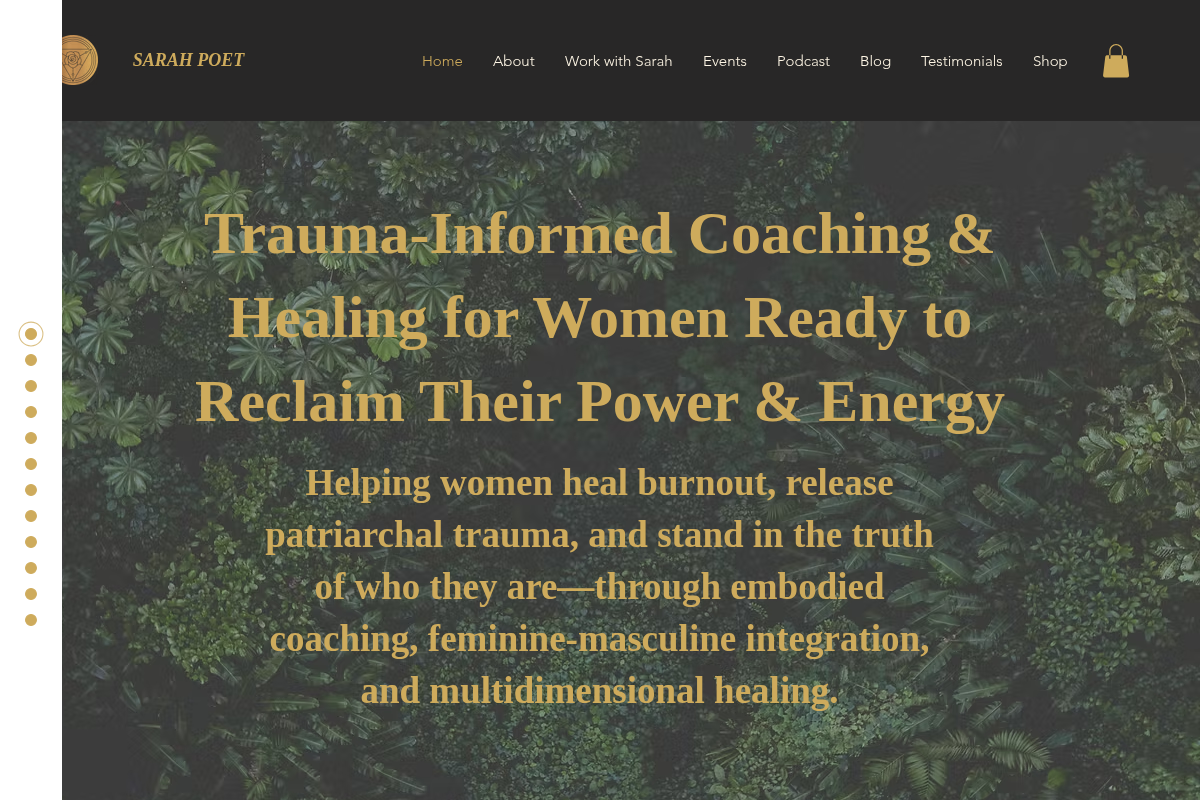 A screenshot of the Sarah Poet website.
Sarah Poet offers a unique, embodied approach to trauma-informed couples coaching that focuses on breaking patterns of reactivity and conflict. Her methodology, often referred to as 'conscious couples coaching,' helps partners navigate attachment wounds and restore deep intimacy. She uses present-moment noticing and somatic exercises to help couples move beyond traditional talk-only methods. Her work is ideal for partners ready to explore the deeper, often unconscious, dynamics of their relationship.
Primary Focus Areas:
- Pro: Innovative, body-based methods for resolving conflict.
- Con: Highly specialized methodology may not suit everyone.
- Pricing: Custom quote
Selecting the Right Partner for Your Healing
When choosing a trauma-informed coach, look for someone who clearly explains their methodology and ethical boundaries. Ask about their training in nervous system regulation and somatic work, and ensure they have a plan for referring you to a clinical professional if your needs exceed the scope of coaching. Trust your intuition—the most important factor in your success is the sense of safety and rapport you feel with the coach.
Supporting Your Journey with Consistency
While coaching is deeply personal and human, you can support your progress by automating your own self-care routines. Use scheduling tools to ensure consistent sessions and habit-tracking apps to monitor your nervous system regulation exercises. This consistency helps anchor the work you do in sessions, making the transformation more sustainable over time.
The Verdict
Trauma-informed coaching provides a powerful, non-clinical path to reclaiming your life and relationships. By prioritizing safety, nervous system regulation, and somatic awareness, these providers help you move beyond the past and into a present of your own choosing. Evaluate these options based on your specific goals, and remember that healing is a journey meant to be supported.