
Korean Natural Farming (KNF) is reshaping how growers think about soil, inputs, and resilience. Instead of reaching for synthetic fertilizers, you cultivate indigenous microorganisms (IMO) and brew your own inputs from local materials. Whether you manage a vineyard, a golf
Why Korean Natural Farming Is Gaining Ground
Korean Natural Farming, pioneered by Master Cho Han-Kyu, centers on collecting and multiplying native microbes to restore soil biology. Growers report reduced input costs, better water efficiency, and higher nutrient density in food. The approach also extends to livestock, where probiotic management can suppress odors and improve disease resistance. As synthetic input prices climb and climate pressures mount, KNF offers a practical, low-tech path to farm resilience. Courses and workshops are popping up globally, but the quality of instruction varies widely.
How I Ranked These Programs
I evaluated each provider on four criteria: curriculum depth (does it cover IMO collection, solution making, and application?), hands-on training (how much time do you spend actually making inputs?), instructor credibility (certification and experience), and post-course support (resources, community, or follow-up). Programs that offer certification or partnerships with accredited institutions scored higher.
Here's a quick look at how the five programs stack up against each other.
| Provider | Best For |
|---|---|
| The KNF Farm | Comprehensive certification and instructor training |
| Natural Farming Ireland | Hands-on IMO training in Europe |
| Hawaiʻi ʻUlu Cooperative | Free introductory KNF resources for beginners |
| mycoharmonics, Korean Natural Farming & Living Soil | KNF training for vineyards, golf courses, and livestock |
| The Giving Grove | Free KNF workshops for community orchard stewards |
In-Depth Reviews of the Top 5 KNF Training Providers
#1 The KNF Farm
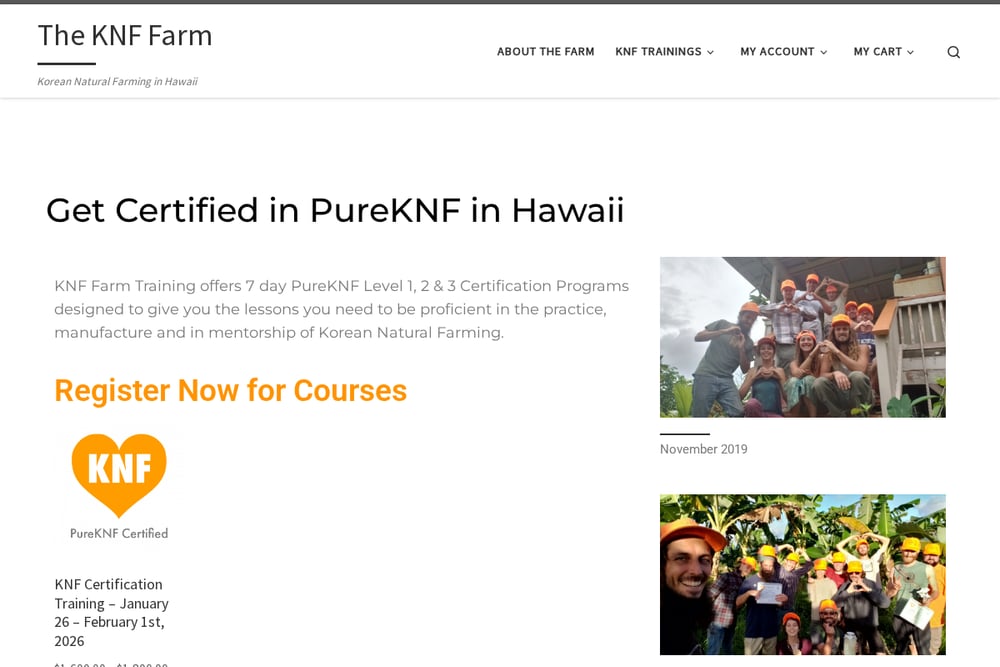 A screenshot of The KNF Farm website.
The KNF Farm in Hawaii offers a 7-day intensive certification course that awards three levels of PureKNF certification: Practitioner, Solutions, and Instructor. You'll learn all nine core solutions hands-on, from Fermented Plant Juice to Lactic Acid Bacteria. The curriculum follows Master Cho's original methods closely, and graduates leave with the confidence to teach others. This is the gold standard for anyone serious about mastering KNF from the ground up.
#2 Natural Farming Ireland
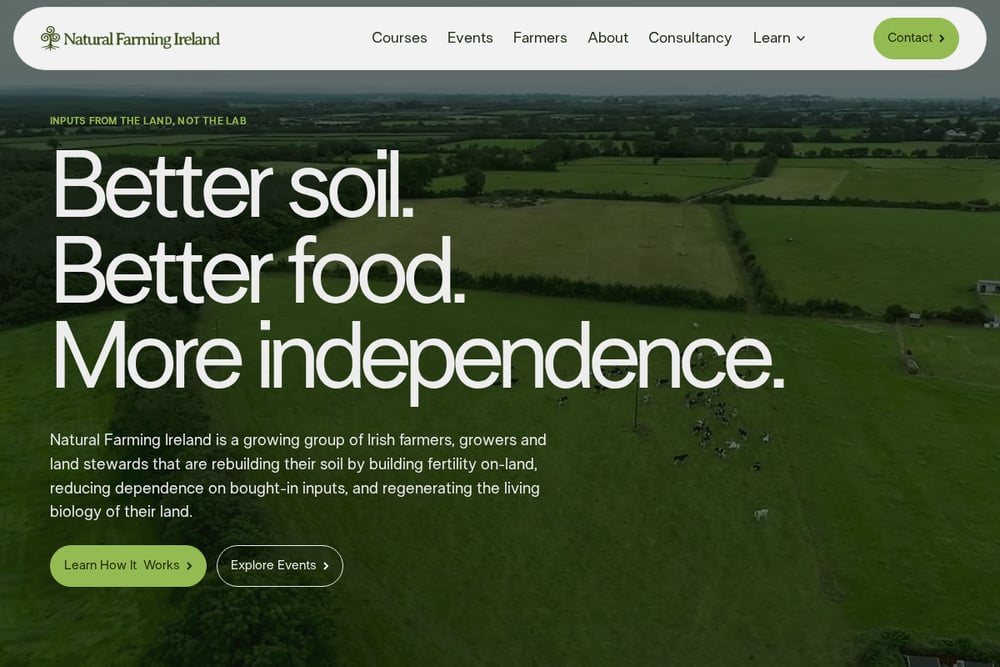 A screenshot of Natural Farming Ireland website.
Natural Farming Ireland runs a 5-day intensive training in south Limerick, taught by pioneer Tom Stack and a team of soilsmiths. The course focuses heavily on the IMO process—collection, storage, activation, and adaptation—which they say accounts for 80% of natural farming. You'll also make FPJ, FAA, OHN, WCA, and LAB. The program is part-funded by NOTS, making it more accessible for Irish farmers. It's a solid choice for European growers who want deep, practical KNF training.
#3 Hawaiʻi ʻUlu Cooperative
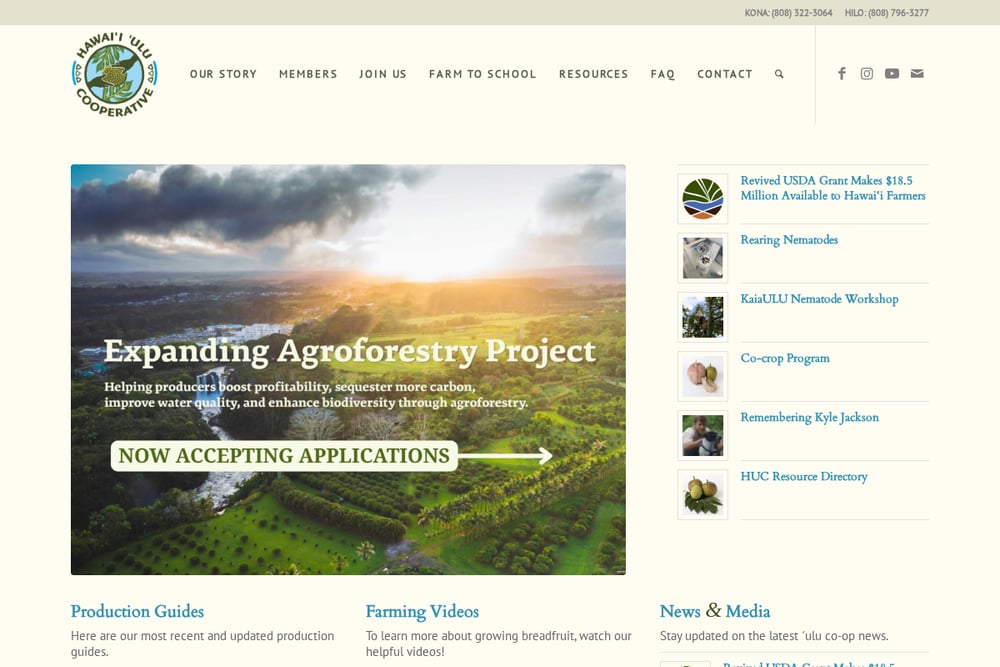 A screenshot of the Hawaiʻi ʻUlu Cooperative website.
The Hawaiʻi ʻUlu Cooperative offers an introductory guide to KNF tailored for local farmers, focusing on reducing reliance on imported inputs. While not a full certification course, their resources cover the basics of IMO cultivation and solution making. They also provide production guides, farming videos, and educational webinars. This is a great starting point if you're new to KNF and want to test the waters before committing to a multi-day intensive.
#4 mycoharmonics, Korean Natural Farming & Living Soil
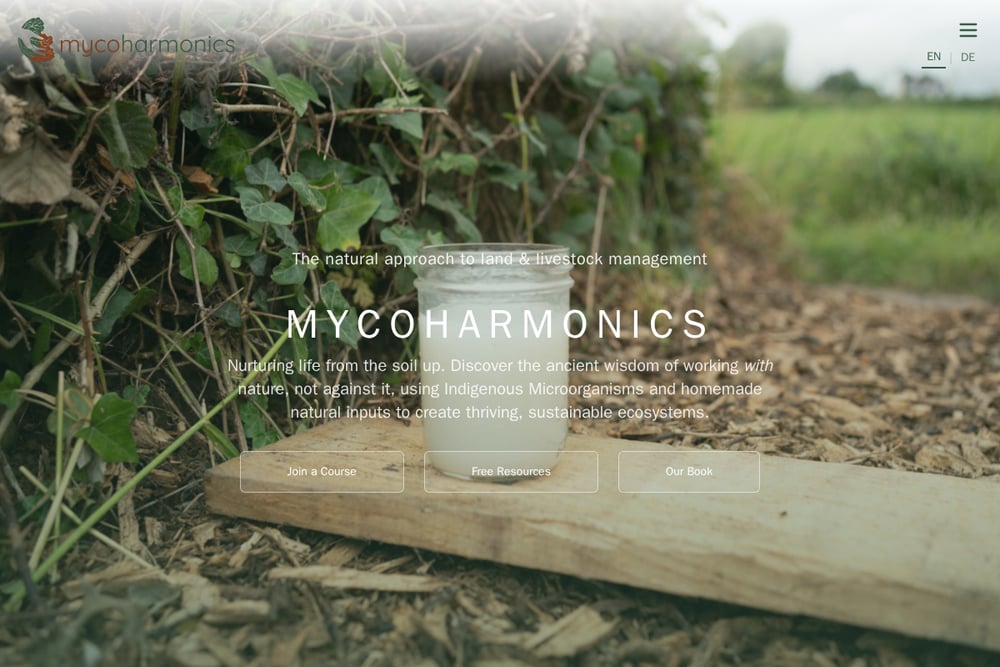 A screenshot of the mycoharmonics website.
mycoharmonics, founded by certified KNF teacher Lapo Fiorenzato, offers a 5-day immersive course called 'mycoharmonics: The Foundation' in the UK and Germany. The program covers IMO collection, homemade natural inputs, and regenerative practices for vineyards, golf courses, and livestock farms. They also provide one-on-one consultations and farm visits. A key differentiator is their focus on probiotic livestock management, including rapid odor elimination and disease resistance. The organization partners with the Royal Agricultural University and Hofgut Rineck, adding academic credibility.
#5 The Giving Grove
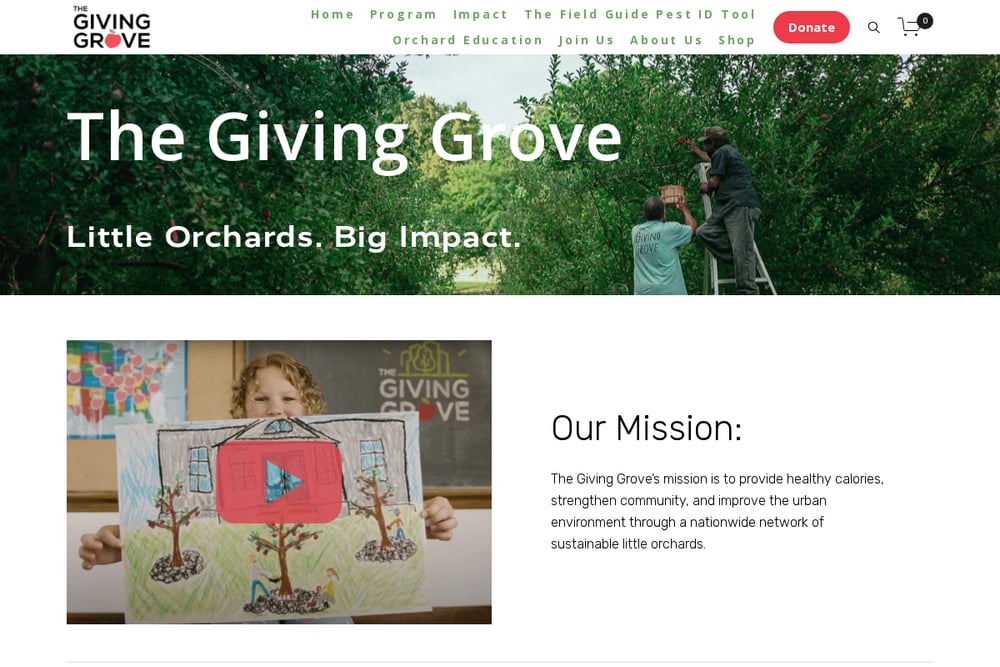 A screenshot of The Giving Grove website.
The Giving Grove offers free recorded workshops and resources on KNF, aimed at community orchard stewards. Their content covers the background of KNF, IMO cultivation, and making your own soil amendments from local weeds. While not a structured course, it's an excellent no-cost entry point for urban orchardists and community gardeners. You can sign up for their workshop series to access live sessions and past recordings.
How to Pick the Right KNF Training for You
Start by defining your goals. If you want full certification and the ability to teach others, The KNF Farm's 7-day intensive is unmatched. For European growers who need hands-on IMO practice, Natural Farming Ireland is a strong option. Beginners on a budget can explore the free resources from Hawaiʻi ʻUlu Cooperative or The Giving Grove. If you manage a vineyard, golf course, or livestock operation, mycoharmonics offers specialized training that addresses those specific challenges. Consider location, time commitment, and whether you need certification or just practical know-how.
Automate Your KNF Learning Journey
You can streamline your transition to KNF by setting up a simple workflow: 1) Bookmark the free guides from Hawaiʻi ʻUlu Cooperative and The Giving Grove for foundational knowledge. 2) Use a calendar tool to schedule your IMO collection days based on local weather and season. 3) Set reminders to check for upcoming course dates from Natural Farming Ireland or mycoharmonics. 4) After training, create a spreadsheet to track your input batches and application schedules. This keeps you consistent without overwhelming your routine.
Your Next Step Toward Regenerative Farming
Korean Natural Farming isn't a trend—it's a return to biology-based agriculture that saves money and builds resilience. The five programs above represent the best entry points, whether you're a home gardener or a commercial operator. Start with a free resource to grasp the basics, then invest in a hands-on course to build real skill. Your soil—and your bottom line—will thank you.