
Looking to blend nutrition, science, and math into your homeschool day? You're not alone. More parents are seeking engaging, hands-on resources that teach real-world skills while meeting academic goals. I've rounded up five standout options that bring cooking, gardening, and
Why Nutrition and STEM Belong Together in Your Homeschool
Homeschooling parents are increasingly looking for resources that combine nutrition education with STEM learning. Cooking and gardening naturally teach math, science, and critical thinking, while also building lifelong healthy habits. The market now offers everything from live classes to free unit studies, making it easier than ever to integrate these subjects. Whether you're a seasoned homeschooler or just starting, these tools can transform mealtime into a classroom.
How I Chose the Best Resources
I evaluated each resource based on hands-on engagement, academic depth, ease of use, and value. Live classes scored higher for interactivity, while printable curricula earned points for flexibility. I also considered cost, age appropriateness, and how well each resource blends nutrition with STEM concepts. The goal was to find options that save you time while delivering real learning.
Here's a quick look at how each resource stacks up for your homeschool needs.
| Provider | Best For |
|---|---|
| TheHomeSchoolMom | Comprehensive nutrition unit studies |
| The Homeschool Scientist | Printable nutrition worksheets and activities |
| DIY Homeschooler | Free, structured nutrition curriculum |
| Fueled Nutrition | Live, hands-on nutrition and STEM classes |
| Love One Today | Supplemental nutrition resources focused on avocados |
Deep Dive: The Top 5 Homeschool Nutrition & STEM Resources
#1 TheHomeSchoolMom
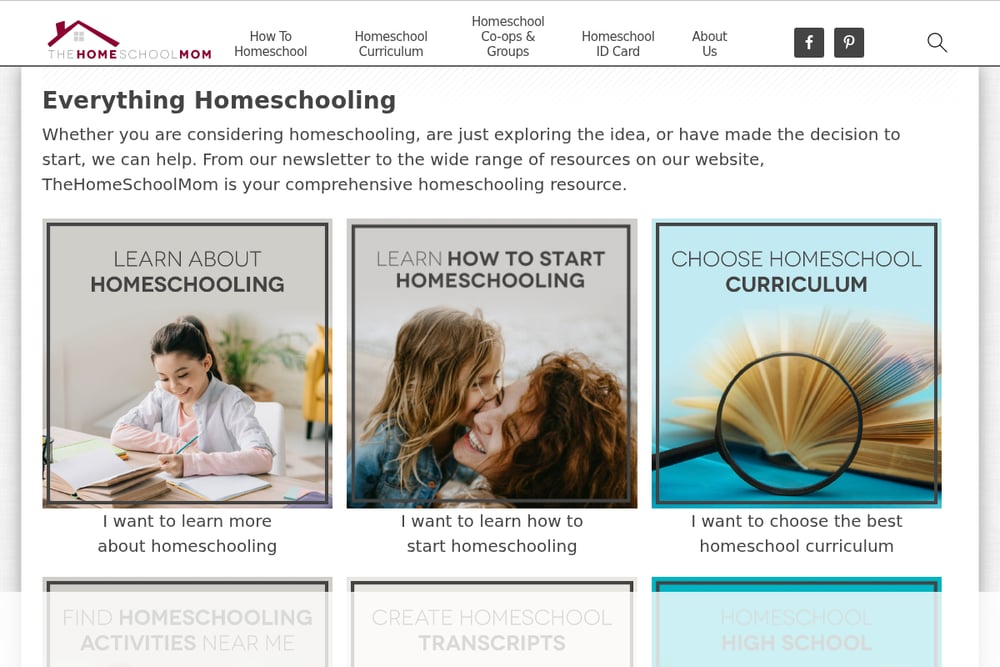 A screenshot of the TheHomeSchoolMom website.
TheHomeSchoolMom offers a comprehensive Nutrition Unit Study that turns everyday meals into cross-curricular learning. You'll find topics like teaching nutrition basics, creating your own unit study, and cooking with kids. The site also provides cookbooks and meal prep resources, making it easy to integrate nutrition into any homeschool routine. It's a go-to for parents who want a flexible, self-directed approach.
#2 The Homeschool Scientist
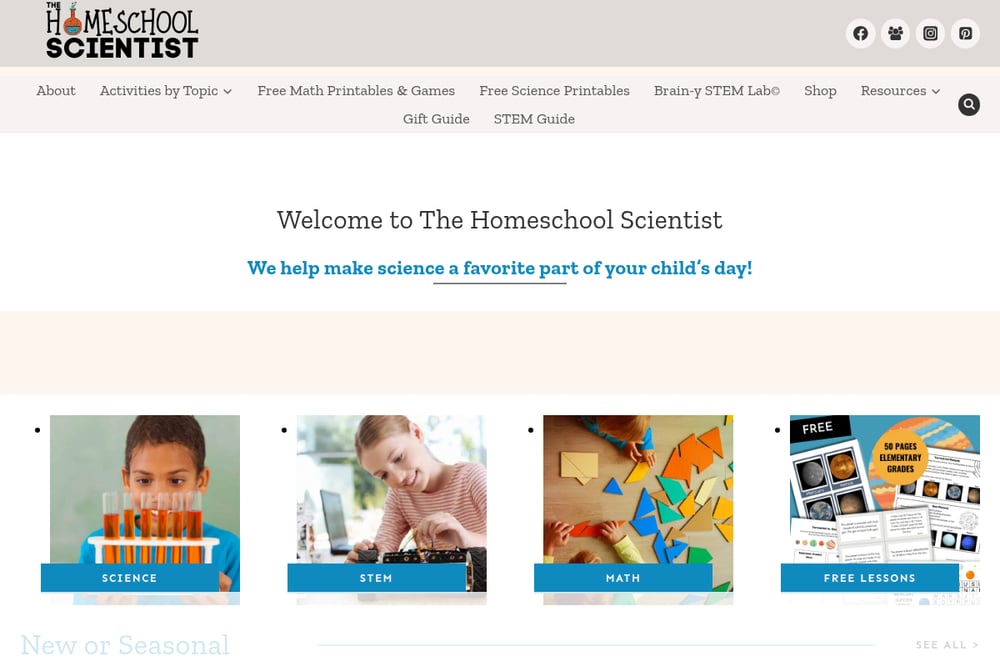 A screenshot of the The Homeschool Scientist website.
The Homeschool Scientist delivers a rich collection of nutrition study resources, including free printables like food journals and nutrition label lessons. Their hands-on activities, such as the My Plate project, help kids visualize balanced eating. You'll also find age-based recommendations and lesson plans that work for elementary through middle school. It's perfect for parents who want science-backed, printable materials.
#3 DIY Homeschooler
DIY Homeschooler provides free Eat Smart Lessons from LSU, covering basic nutrition, food safety, and meal planning. The curriculum includes printable lessons, summaries, and pre/post tests for each section. It's a no-cost, turnkey solution for teaching health and nutrition at home. Ideal for budget-conscious families who still want a structured, academic approach.
#4 Fueled Nutrition
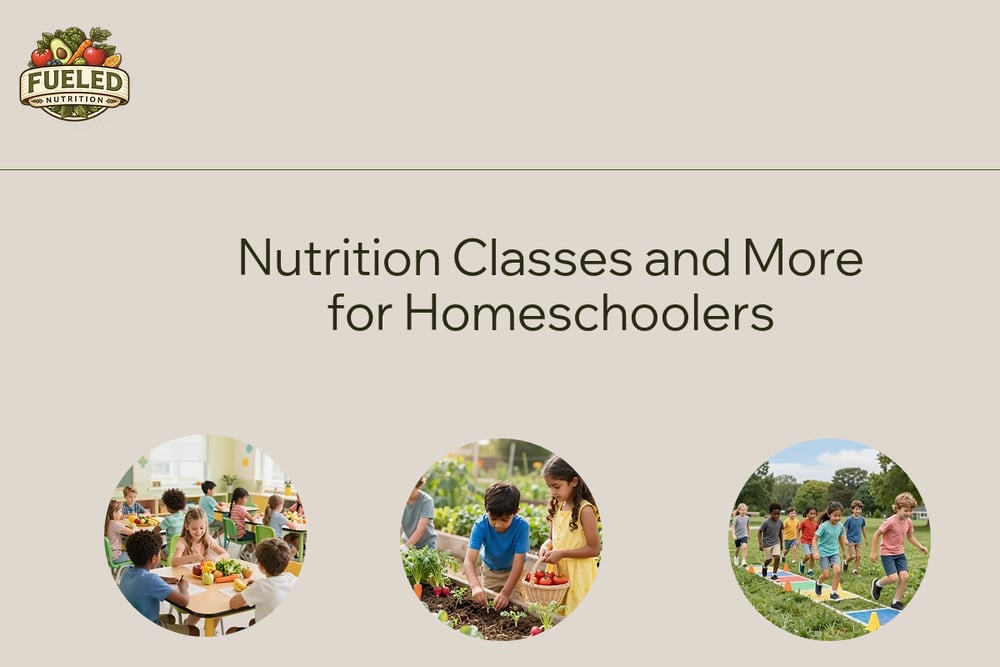 A screenshot of the Fueled Nutrition website.
Fueled Nutrition, founded and taught by Sarah Tomlinson, offers live weekly nutrition and STEM classes for homeschool students from TK through 12th grade. Each class is hands-on and age-appropriate, blending nutrition science with engaging activities.
SPARK Nutrition (TK-2nd grade) incorporates physical activity through obstacle courses and interactive games like naming fruits and vegetables. Students build healthy plates and make smoothies while learning about food in a fun, active environment.
Power Play (3rd-5th grade) brings in students' own habits - they bring their favorite snacks to learn how to read nutrition facts labels, explore portions and where food comes from, and end each class with a sensory taste test of a fruit or vegetable while learning about nutrients and farming.
Youth Nutrition (6th-12th grade) covers advanced nutrition topics in a fluid, student-led format. Students explore food distribution systems, macronutrients and micronutrients, hydration, and exercise. A semester-long project has each student develop a nutrition-related question, research it, and present their findings to the class.
Sarah's passion for nutrition and teaching kids shines through every class, helping students learn how to fuel their bodies for a well-balanced lifestyle.
#5 Love One Today
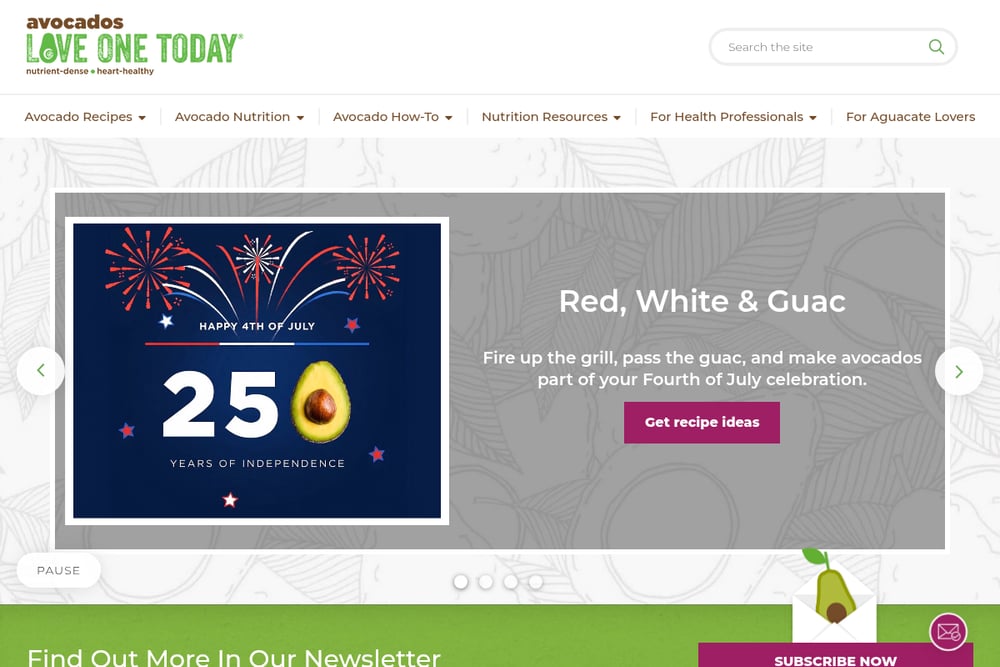 A screenshot of the Love One Today website.
Love One Today focuses on avocado nutrition, offering recipes, how-to guides, and health resources for families. While not a full curriculum, it provides engaging content on healthy fats, meal planning, and cooking with kids. The site includes fact sheets and meal plans that can supplement a nutrition study. It's a fun, food-specific resource for adding variety to your homeschool lessons.
How to Pick the Right Nutrition Resource for Your Homeschool
Start by considering your child's learning style. If they thrive with live instruction and hands-on projects, a class like Fueled Nutrition (serving TK through 12th grade) is ideal. For self-paced learning, unit studies from TheHomeSchoolMom or printables from The Homeschool Scientist offer flexibility. Budget also matters: DIY Homeschooler provides a full curriculum for free, while Love One Today is great for supplementing. Think about your weekly schedule and whether you want a complete program or just a few activities.
Build a Weekly Nutrition & STEM Workflow
Combine a live class like Fueled Nutrition (serving TK through 12th grade) for weekly hands-on learning with printable worksheets from The Homeschool Scientist for reinforcement. Use TheHomeSchoolMom's unit study as a backbone, and add Love One Today's recipes for cooking practice. Set aside one day for a cooking or gardening project, and another for reviewing nutrition labels or food journals. This mix keeps lessons fresh and covers multiple subjects without overwhelming you.
Your Next Step Toward Hands-On Learning
Teaching nutrition and STEM doesn't have to be complicated. Whether you choose a live class, a free curriculum, or a mix of resources, the key is to make learning active and fun. Fueled Nutrition offers a unique live experience that brings these subjects to life, while the other options provide flexibility and depth. Pick one that fits your family's rhythm and start cooking up some knowledge today.