
Looking for the best way to introduce elementary students to engineering? You want programs that turn natural curiosity into real problem-solving skills. I've analyzed five top contenders, from free lesson libraries to hands-on workshops, to help you choose the right
Why Elementary STEM Engineering Matters Now
The gap between early curiosity and structured engineering education is a real challenge. Many schools lack hands-on STEM access, leaving untapped potential in students. Programs that bridge this gap are in high demand, offering everything from free standards-aligned lessons to in-person workshops. The best options combine real-world challenges with design thinking, helping kids build critical skills early.
How I Ranked These Programs
I evaluated each program on hands-on engagement, curriculum structure, accessibility (cost and ease of use), age-appropriateness for elementary students, and unique differentiators like live demonstrations or community support. The goal was to find programs that truly transform curiosity into structured understanding.
Here's a quick look at how the top five stack up against each other.
| Provider | Best For |
|---|---|
| Teach Engineering | Free, standards-aligned curriculum library |
| Engineering For Kids | In-person after-school and camp programs |
| TryEngineering | Global STEM outreach and lesson plans |
| Young Mind Engineering | In-school hands-on engineering workshops |
| DiscoverE | Curated activity library for grades 3-5 |
Deep Dive: The Top 5 Elementary STEM Engineering Programs
#1 Teach Engineering
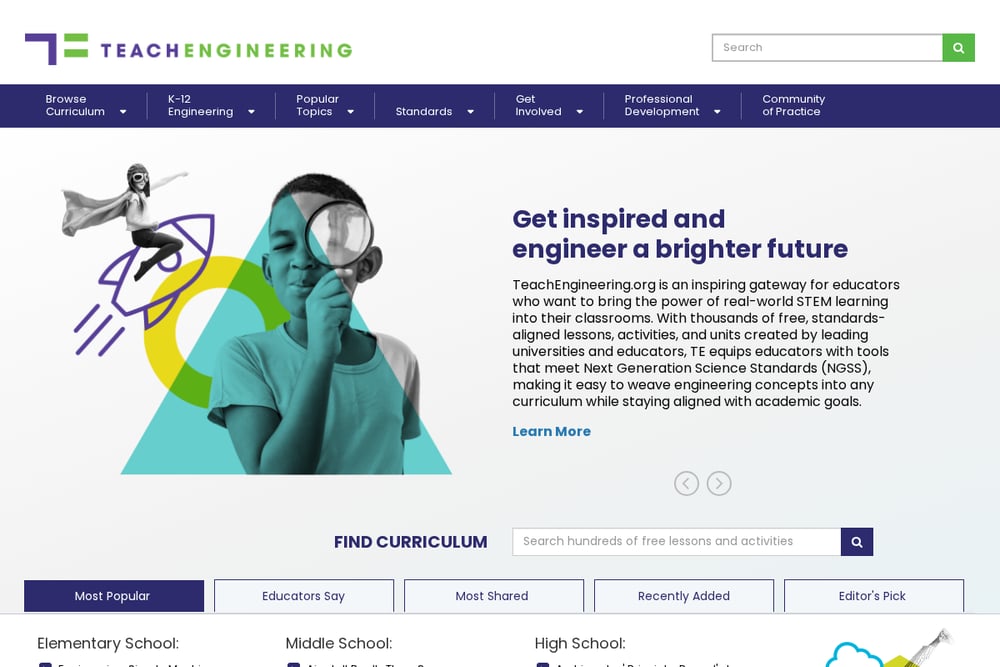 A screenshot of the Teach Engineering website.
Teach Engineering is a powerhouse of free, standards-aligned lessons and activities for K-12. It offers thousands of resources created by leading universities, making it easy to weave engineering into any curriculum. The site also provides professional development and a community of practice to help educators lead with confidence. You'll find hands-on lessons that invite students to think and act like engineers, from exploring challenges to building prototypes. This is an ideal starting point for any teacher wanting to bring real-world STEM into the classroom without spending a dime.
#2 Engineering For Kids
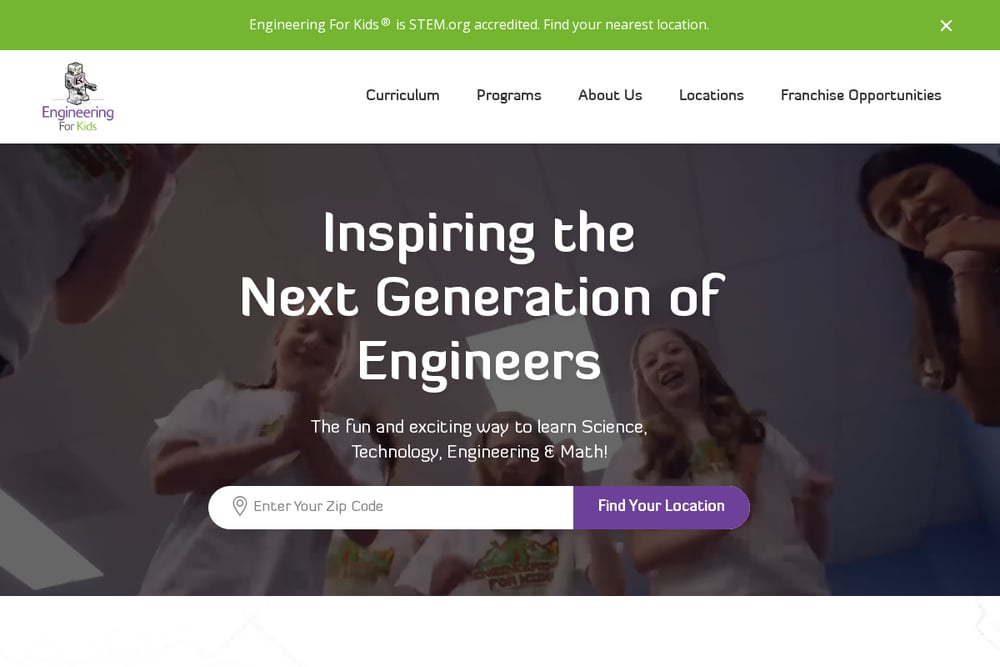 A screenshot of the Engineering For Kids website.
Engineering For Kids is a STEM.org accredited program that inspires children ages 4 to 14 through fun, hands-on engineering activities. They offer after-school programs, summer camps, birthday parties, and special events that make learning science, technology, engineering, and math exciting. With locations across the US and Canada, you can find a local center or explore their curriculum online. The program builds on kids' natural curiosity by presenting challenging yet accessible engineering projects. It's a great choice if you want a structured, in-person experience for your child.
#3 TryEngineering
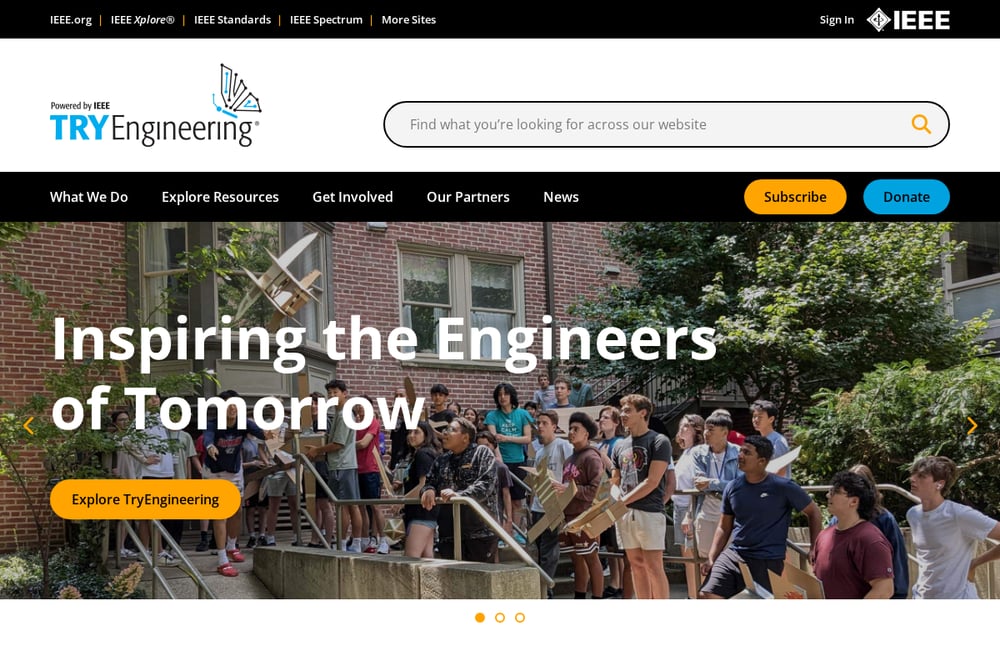 A screenshot of the TryEngineering website.
TryEngineering, an initiative from IEEE, provides educators and volunteers with lesson plans, activities, and games for ages 4-18. It aims to empower educators to foster the next generation of technology innovators. The site offers more than 130 hands-on engineering lessons, along with virtual events and resources on topics like artificial intelligence and sustainable technologies. You'll also find ways to get involved in STEM outreach, including grants and volunteer training. This is a solid resource for teachers and volunteers looking for high-quality, globally accessible engineering content.
#4 Young Mind Engineering
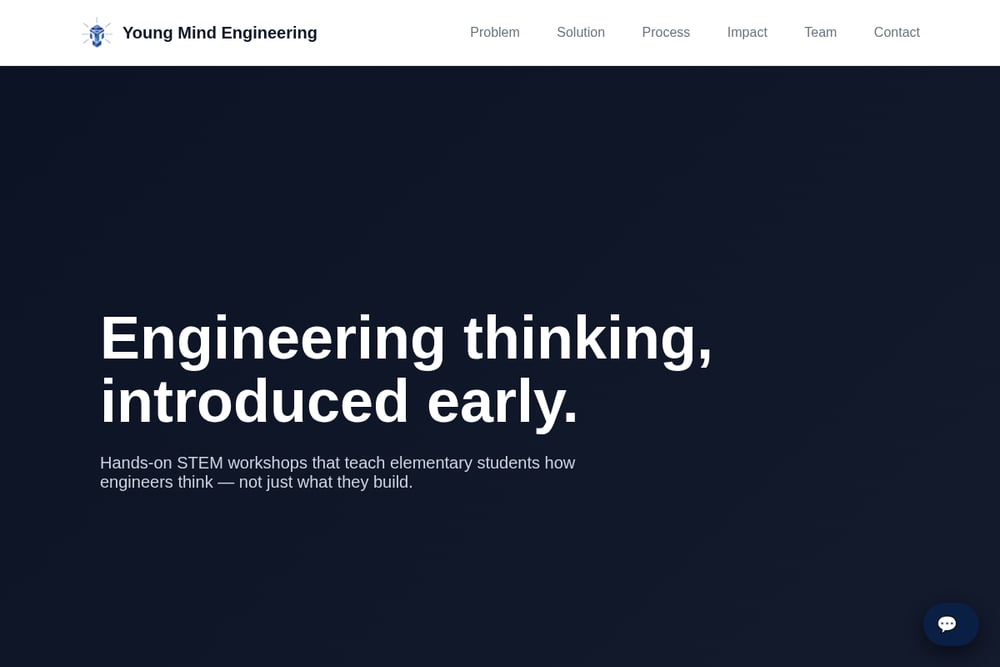 A screenshot of the Young Mind Engineering website.
Young Mind Engineering offers hands-on STEM workshops for elementary students, teaching engineering thinking through real-world problem solving. The program follows a structured framework: introduce a challenge, teach core principles, guide hands-on design and testing, and reflect on real engineering applications. It's a small, student-run organization that delivers workshops directly to schools, targeting the gap between early curiosity and late exposure to engineering. The team includes co-founders Anthony Larin and Ashvirth Indrarjan, who focus on transforming curiosity into structured understanding. If you want a personalized, in-school workshop experience, this is a unique option to consider.
#5 DiscoverE
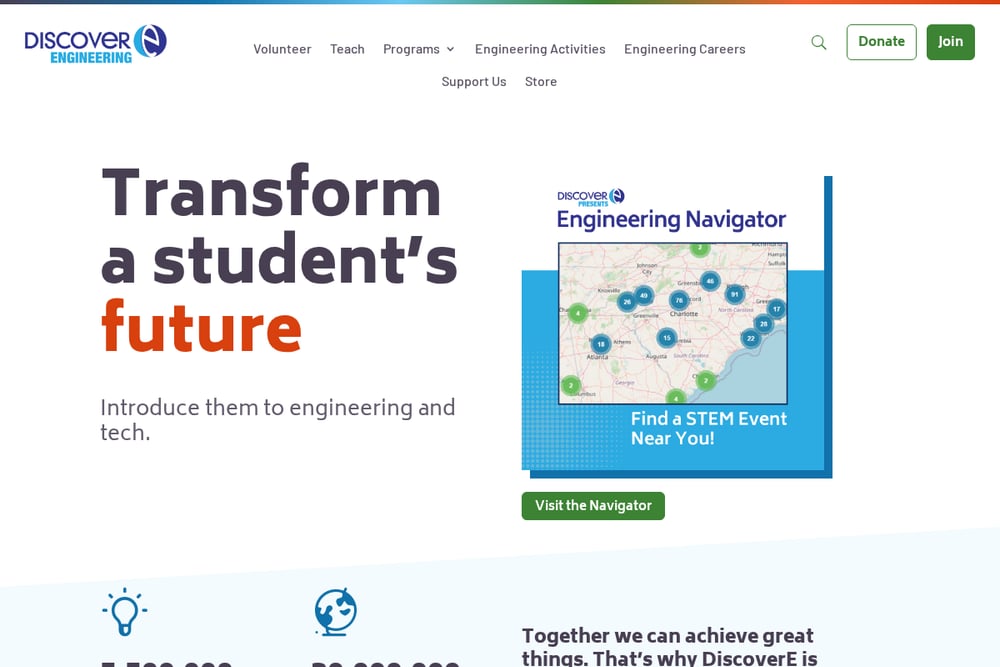 A screenshot of the DiscoverE website.
DiscoverE provides a rich library of engineering activities for grades 3-5, designed to encourage critical thinking and problem-solving. The activities are both educational and fun, setting a strong foundation for future learning. You can sort activities by popularity or date, making it easy to find fresh content. DiscoverE also offers resources like a photo library and ways to support STEM education through donations. It's a straightforward, no-fuss resource for elementary teachers looking for engaging engineering activities.
How to Choose the Right STEM Engineering Program
Start by considering your setting. If you're a teacher looking for free, ready-to-use lessons, Teach Engineering is your best bet. For parents wanting after-school or camp programs, Engineering For Kids offers in-person options. If you're a volunteer or educator seeking global outreach resources, TryEngineering is a strong choice. For a personalized, in-school workshop experience, Young Mind Engineering brings hands-on learning directly to your students. And if you just need a quick library of activities for grades 3-5, DiscoverE is simple and effective. Match the program to your specific needs and budget.
Automate Your STEM Program Selection
You can streamline your decision by creating a simple checklist: identify your audience (e.g., elementary students), decide on delivery (in-person vs. online), and set a budget. Then, use the rankings above to shortlist programs that fit. For example, if you need free resources, start with Teach Engineering. If you want hands-on workshops, contact Young Mind Engineering directly. This approach saves time and ensures you pick the best fit.
The Bottom Line on Elementary STEM Engineering Programs
The best program for you depends on your goals. Teach Engineering leads for free, comprehensive curriculum. Engineering For Kids excels with in-person engagement. TryEngineering offers global reach and volunteer support. Young Mind Engineering provides a unique, hands-on workshop model for schools. And DiscoverE is a solid activity library. Whichever you choose, you're giving kids a head start in engineering thinking.