
Scaling a store from $500k to $50M requires more than just ads. You need systems that think.
The Shift to Intelligent Commerce
The ecommerce landscape has moved beyond simple plugins. Today, brands are integrating custom AI agents to handle everything from abandoned cart recovery to complex backend inventory logic. Agencies in this niche bridge the gap between standard Shopify setups and enterprise-level autonomous operations. By leveraging low-code tools like n8n and advanced LLMs, these providers help mid-market retailers recapture lost revenue without increasing headcount.
How We Vetted These Automation Experts
We focused on agencies that specialize in the mid-market bracket, specifically those with a proven track record in Shopify and WooCommerce ecosystems. Our team looked for providers who offer more than just 'consulting'—we wanted firms that build tangible AI workflows and custom backend integrations. Each selection was evaluated based on their ability to deliver rapid deployment, clear ROI through revenue recovery, and seamless API connectivity with existing ERP or CRM stacks.
Here is a quick breakdown of the top firms transforming digital retail operations today.
| Provider | Best For | Pricing |
|---|---|---|
| EtechFlow | Mid-market revenue recovery | Custom quote based on workflow complexity |
| WeberFx | Conversion rate optimization with AI | Project-based starting at $5,000 |
| SellerFetch | Ad automation and profit analytics | Plans starting at £39/month plus add-on modules |
| Neo Tech Plus | Operational efficiency and AI chatbots | Custom tiered plans following discovery |
| SYSINT | Low-code workflow architecture | Custom quotes; free initial consultation |
The Absolute Best AI Automation Providers for Growth-Minded Brands
#1 EtechFlow
EtechFlow has carved out a precise niche by focusing on the $500K to $50M revenue bracket for Shopify and Magento stores. Their approach isn't just about 'using AI'; it's about building custom backend systems that aggressively recover abandoned carts and streamline messy operations. They offer rapid deployment cycles that mid-market brands need to stay competitive. You aren't just getting a developer; you're getting an automation architect who understands retail margins. Their focus on revenue-recovery solutions makes them a top choice for brands feeling the sting of high acquisition costs.
Technical Focus & Market Niche:
- Pro: Specialized focus on high-yield revenue recovery and rapid deployment for established ecommerce brands.
- Con: Service model is highly optimized for specific platforms, which may limit brands on custom-coded legacy stacks.
- Pricing: Custom quote based on workflow complexity
#2 WeberFx
 A screenshot of the WeberFx website.
WeberFx excels at the intersection of high-end design and AI-driven CRO. They specialize in turning browsers into buyers by combining strategic UI/UX with smart automation that reduces friction. Their documented project history shows a deep commitment to Shopify and WooCommerce scaling. The team is particularly effective at optimizing store speed alongside heavy automation. If your store looks dated but needs modern AI brains, this is the partner for you.
Technical Focus & Market Niche:
- Pro: Deep expertise in combining aesthetic brand design with high-performance technical SEO and automation.
- Con: Higher entry price point compared to simple automation-only freelancers.
- Pricing: Project-based starting at $5,000
#3 SellerFetch
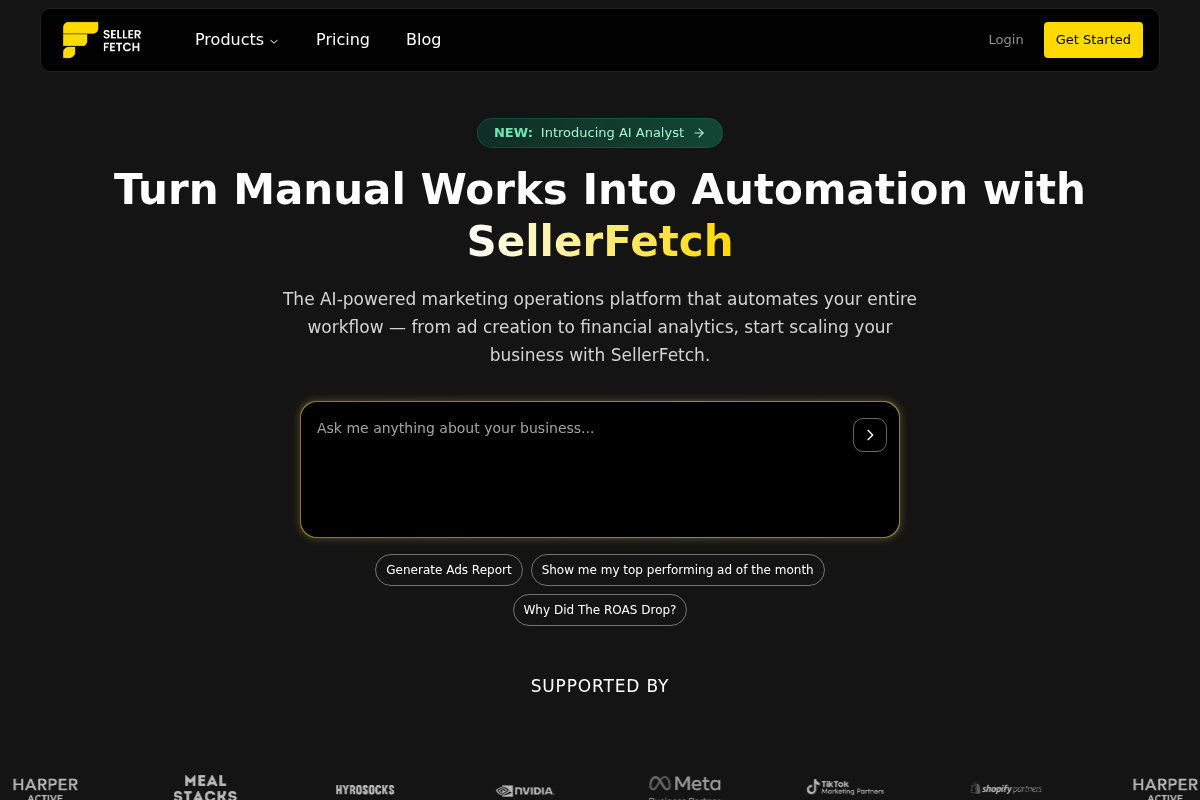 A screenshot of the SellerFetch website.
SellerFetch is a power player for brands that are heavy on Meta and Google Ads. They provide an AI-powered platform and agency service that automates the 'boring' parts of creative testing and financial tracking. Their platform enables bulk ad uploads and real-time profit monitoring across multiple currencies. It’s perfect for the high-volume seller who is tired of manual spreadsheets. They bridge the gap between marketing execution and pure operational data.
Technical Focus & Market Niche:
- Pro: Unified dashboard for real-time P&L monitoring alongside automated creative testing workflows.
- Con: Heavy focus on paid media may not suit brands looking for purely operational/backend automation.
- Pricing: Plans starting at £39/month plus add-on modules
#4 Neo Tech Plus
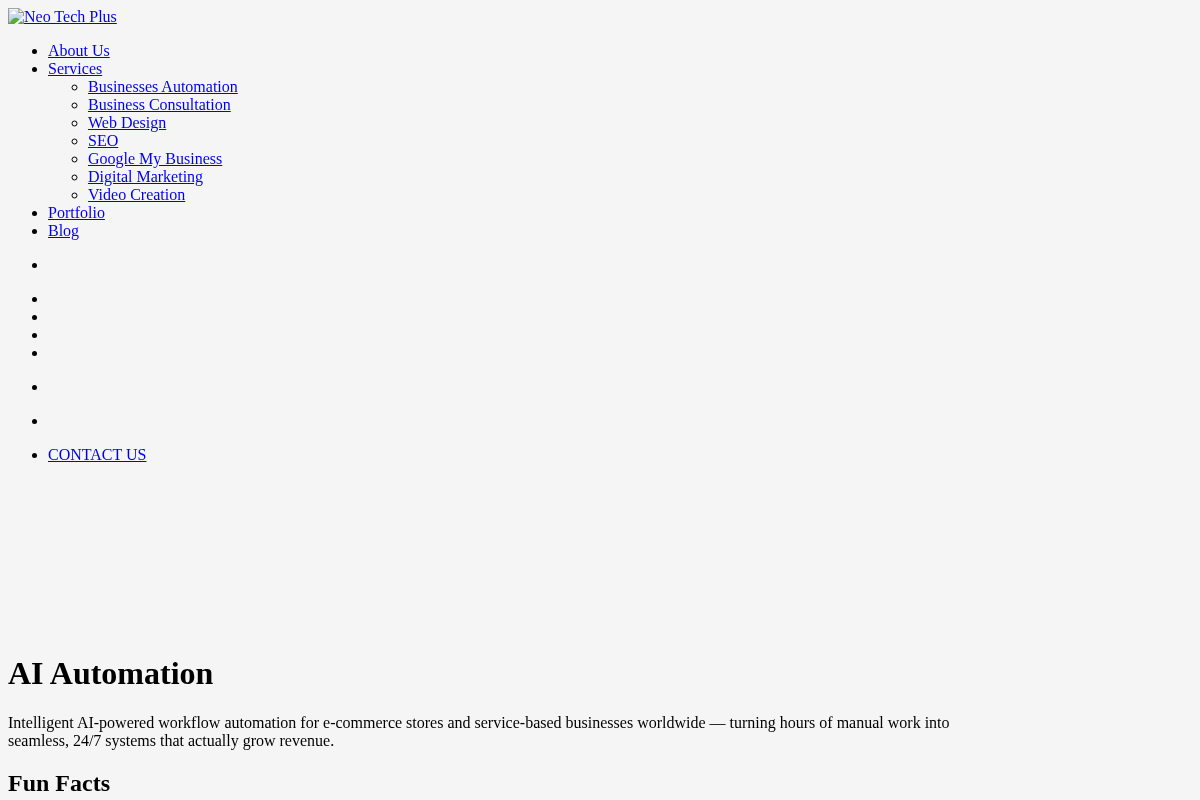 A screenshot of the Neo Tech Plus website.
Neo Tech Plus focuses on turning manual hours into 24/7 automated systems for global ecommerce players. They specialize in human-like AI chatbots and smart inventory forecasting that actually matches your brand's voice. Their process includes a full discovery audit to map every repetitive task in your stack. They are particularly strong for Shopify stores operating in competitive Tier 1 markets. The goal here is a fast ROI, often within 60 days.
Technical Focus & Market Niche:
- Pro: Highly personalized AI interactions that avoid the 'robotic' feel of standard customer service bots.
- Con: Detailed discovery process requires significant initial time investment from the brand's leadership.
- Pricing: Custom tiered plans following discovery
#5 SYSINT
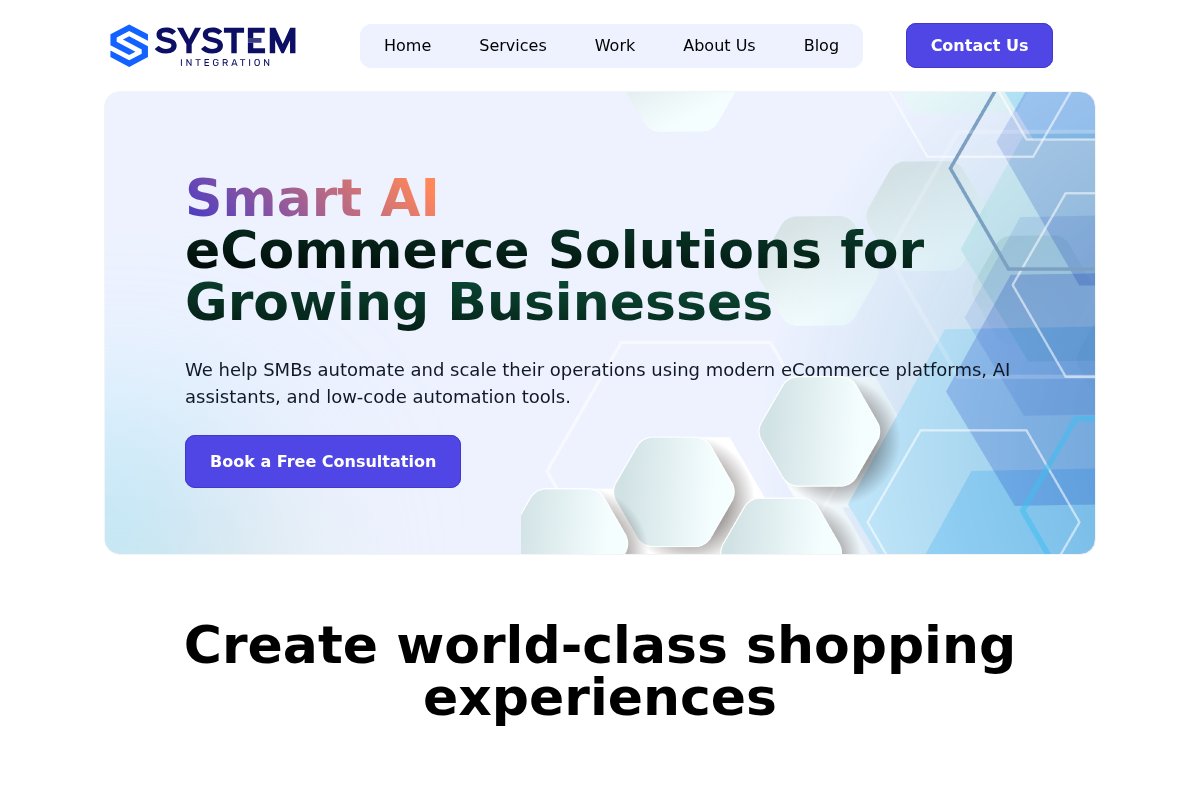 A screenshot of the SYSINT website.
SYSINT is the go-to for SMBs looking for low-code automation via tools like n8n and GPT integrations. They help brands move away from manual data entry between ERPs, CRMs, and store fronts. Their focus on n8n workflows allows for incredibly flexible, custom-tailored automation without the enterprise price tag. They excel at connecting disparate apps like Slack, Notion, and Shopify into a single cohesive unit. It is a technical approach for businesses that want to scale without increasing their headcount.
Technical Focus & Market Niche:
- Pro: Expertise in n8n and GPT allows for highly flexible, cost-effective automation across dozens of apps.
- Con: Requires a clear understanding of your own internal processes to get the most out of their technical builds.
- Pricing: Custom quotes; free initial consultation
Selecting the Right AI Architecture Partner
Stop looking for 'developers' and start looking for 'architects.' You need a partner who understands your specific revenue tier—an agency built for a $1M brand handles inventory very differently than one built for a $50M brand. Check their tech stack; do they use flexible tools like n8n, or are they locking you into proprietary software? Most importantly, ask for a revenue-recovery projection. If they can't show you how their AI agents will pay for themselves through recovered carts or reduced labor, keep looking. Your automation should be a profit center, not an expense.
The Future of Autonomous Retail
The most successful brands in 2026 are moving toward 'headless' operations. This means your Shopify store serves as the face, but an AI-orchestrated backend manages the logic. Imagine a customer abandons a cart; the AI checks inventory levels, reviews the customer's lifetime value, and generates a personalized video discount via email—all without a human touching a button. This level of synchronization between your CRM, inventory, and marketing is the baseline for staying competitive in a saturated market.
The Verdict on Scaling with AI
The gap between winners and losers in ecommerce is now defined by technical efficiency. EtechFlow and the other providers listed here offer the specific expertise needed to close that gap. By automating the backend and recovering lost revenue, you free your team to focus on the only things AI can't do: strategy and true creativity. Start with a workflow audit, identify your biggest manual bottleneck, and hire a specialist to kill it with code. The ROI is usually closer than you think.