
Getting honest, structured feedback on your work is the fastest way to level up as a designer. But finding a place where people actually look at your designs and give useful critique — not just a "nice work" — can
Why Design Feedback Platforms Are Booming
Design is no longer a solo sport. As remote work becomes the norm, designers are hungry for structured, honest feedback that helps them improve — not just a pat on the back. The old approach of posting on social media or asking a friend rarely gives you the depth you need. That's why specialized feedback platforms are popping up everywhere. They combine community, reputation systems, and sometimes private critique circles to give designers a safe space to share work-in-progress. From product designers to tattoo artists, everyone benefits from a second set of eyes. The best platforms make giving feedback as rewarding as receiving it, creating a loop that lifts the whole community.
How I Ranked These Platforms
I evaluated each platform based on four factors: the quality and depth of feedback you can expect, the range of design disciplines supported, how easy it is to get started and participate, and whether the platform offers both public and private feedback options. I also considered the size and engagement of the community, because more active members usually means faster responses. Tools that only work for one type of design or force you into a narrow workflow scored lower. The goal was to find platforms that serve a wide range of designers while still delivering actionable, structured critique.
Here's a quick look at how the five platforms compare across the key criteria that matter most when you're choosing where to get design feedback.
| Provider | Best For |
|---|---|
| Ruttl | Live website and product feedback with team collaboration |
| CritiqueMe | Cross-discipline design feedback from a community of real designers |
| Dribbble | Showcasing work and getting broad community feedback with networking opportunities |
| Behance | Building a portfolio and getting broad community exposure with some feedback |
| UX Stack Exchange | Getting expert answers to specific UX and design questions |
Deep Dive: The Best Design Feedback Platforms Reviewed
#1 Ruttl
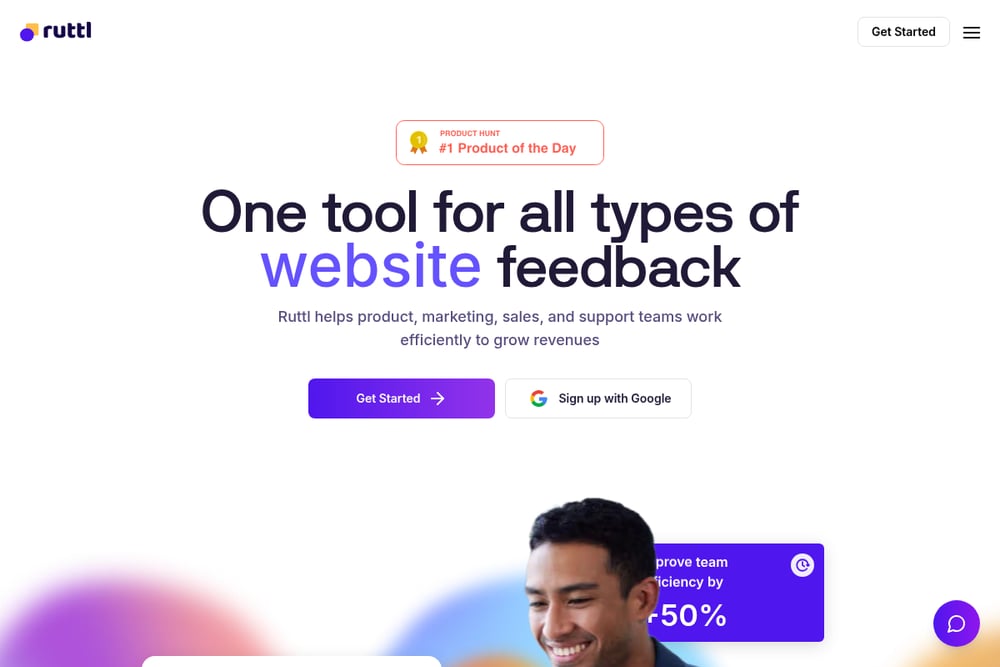 A screenshot of the Ruttl website.
Ruttl is a feedback tool built for teams that need to review live websites and digital products. You can leave pixel-level comments directly on a page, report bugs, and even make live CSS changes without touching the code. It integrates with project management tools like Trello, Slack, and Jira, so feedback turns into tasks instantly. Over a million businesses use it to speed up their review cycles. If you're working on a live site and need client or team feedback without forcing them to sign up, Ruttl is your best bet. It's less about community critique and more about streamlined, actionable feedback on production work.
#2 CritiqueMe
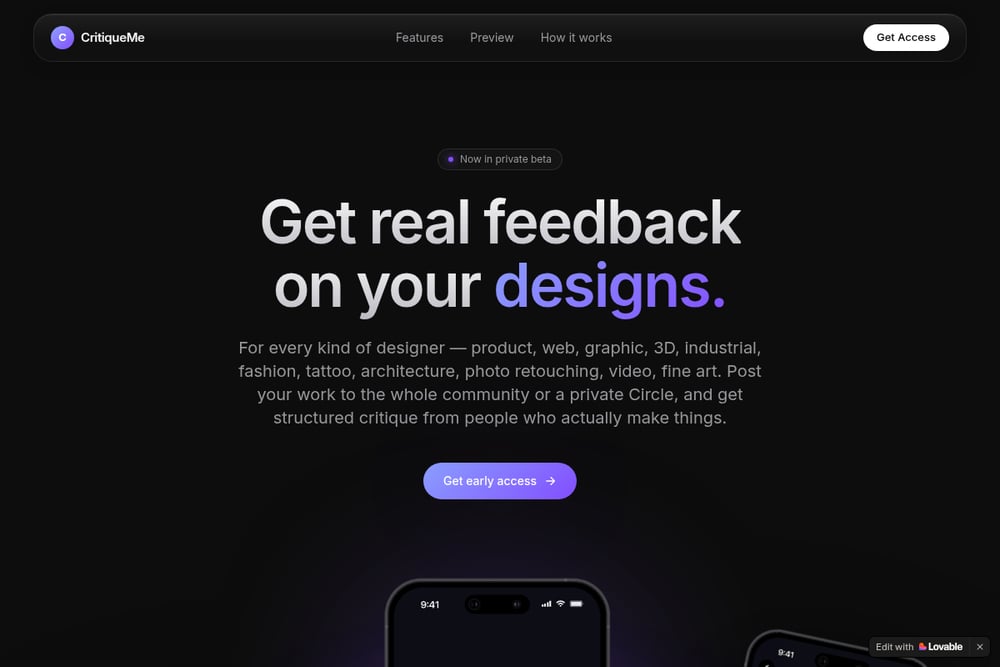 A screenshot of the CritiqueMe website.
CritiqueMe is a community platform where you can post any kind of design work — from UI mockups to tattoo flash to architectural plans — and get structured feedback from real designers. You can share publicly with the whole community or create private Circles for invite-only critique sessions with people you trust. The platform is built around reputation: the more thoughtful feedback you give, the more visibility your own work gets. It covers an unusually wide range of disciplines, including product, web, graphic, 3D, industrial, fashion, and fine art. If you want feedback that's specific, honest, and from people who actually make things, this is the place. It's currently in private beta, so early access is limited.
#3 Dribbble
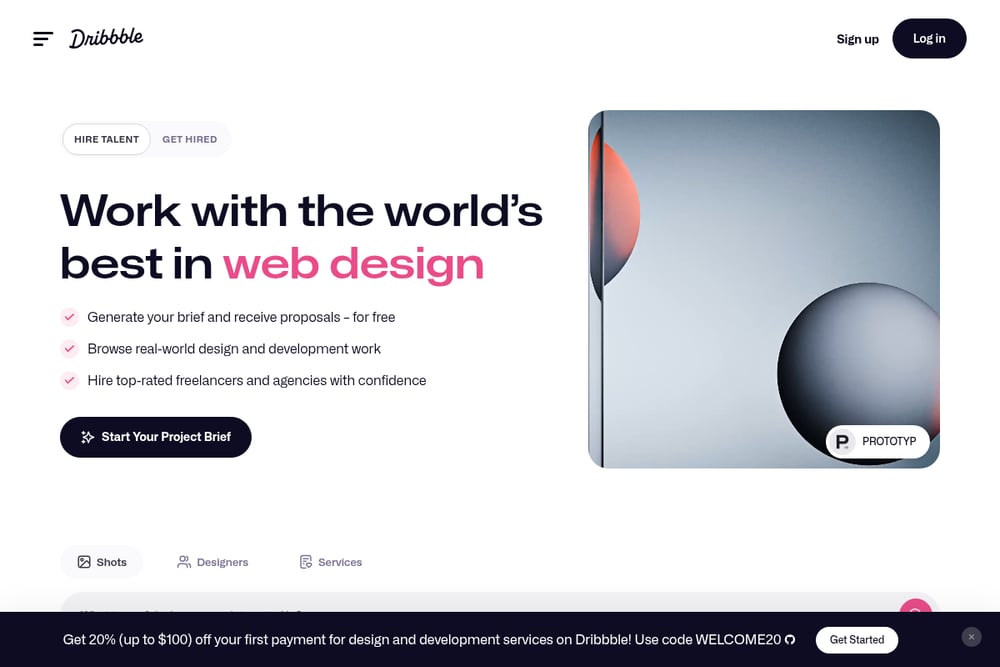 A screenshot of the Dribbble website.
Dribbble is one of the largest design communities online, where designers share shots of their work and get feedback from a massive audience. It's especially strong for UI, graphic, and brand designers who want to showcase polished work and build a following. The feedback tends to be more surface-level — likes and short comments — but the exposure can lead to job offers and freelance clients. Dribbble also offers a "Playbook" feature for more structured portfolio reviews. If your goal is visibility and networking alongside feedback, Dribbble is a solid choice. Just know that deep, critical critique is harder to come by here than on smaller, more focused platforms.
#4 Behance
Behance is Adobe's creative network where designers, illustrators, and photographers publish full project case studies. The feedback system is built around appreciations and comments, and it's one of the best places to get your work seen by a global audience. Many top companies recruit directly from Behance, so it doubles as a portfolio platform. The critique quality varies — you'll get genuine feedback from peers, but also plenty of "great work!" without much depth. For designers who want to present their process and get a mix of praise and constructive notes, Behance is a staple. It's free and integrates with Adobe Creative Cloud, making it easy to upload work directly from your tools.
#5 UX Stack Exchange
UX Stack Exchange is a Q&A site where you can post specific design questions and get answers from experienced UX professionals. It's not a place to dump a full design and ask "what do you think?" — instead, you ask focused questions about navigation, usability, or layout. The community is strict about quality, so you'll get detailed, research-backed answers rather than vague opinions. It's best for when you're stuck on a particular problem and need expert input. If you're looking for ongoing feedback on a project, this isn't the right tool, but for solving a specific UX challenge, it's unmatched. The voting system ensures the best answers rise to the top.
How to Choose the Right Design Feedback Platform for You
Start by asking yourself what kind of feedback you need. If you're working on a live website and need quick, actionable notes from clients or teammates, Ruttl is the obvious choice. If you want honest, structured critique from a community of designers across many disciplines — and you're willing to give feedback in return — CritiqueMe is built for exactly that. For broad exposure and networking, Dribbble and Behance are hard to beat, but the feedback there is often less detailed. And if you have a specific UX problem you can't solve, UX Stack Exchange will connect you with experts who give research-backed answers. Think about whether you need public feedback, private critique, or both. Also consider the time you're willing to invest: giving good feedback takes effort, but it's the best way to get good feedback back.
Automate Your Feedback Workflow
You can combine these platforms with automation tools to streamline your feedback loop. For example, use Zapier to connect Ruttl comments to a Slack channel or a Trello board so your team never misses a note. If you're using CritiqueMe, set up a weekly reminder to review and give feedback on three pieces of work — consistency builds your reputation faster. For Dribbble or Behance, you can use IFTTT to get notified when someone comments on your work, so you can respond quickly. The key is to make feedback a habit, not an afterthought. Automating the logistics frees you up to focus on the actual critique.
Your Next Move: Pick One and Post Today
The best feedback platform is the one you actually use. If you're tired of posting work into a void and getting nothing back, start with CritiqueMe — it's built specifically to solve that problem. If you need fast, team-oriented feedback on a live project, Ruttl will save you hours. And if you want to build a portfolio and get your name out there, Dribbble and Behance are proven paths. Don't overthink it. Pick the platform that matches your current biggest need, post one piece of work this week, and see what happens. The only bad move is staying in isolation.