
Finding the right Chinese language program for your child can feel overwhelming. With so many options, from local in-person schools to global online platforms, you need a clear breakdown. I've analyzed five leading programs serving children ages 3 to 18,
The Growing Demand for Chinese Language Education
The demand for Chinese language education among children and teens in Western countries continues to surge. Parents recognize that Mandarin proficiency offers a significant advantage in a globalized world. Programs have evolved from simple language classes to comprehensive systems that integrate cultural immersion, exam preparation (like AP Chinese), and age-appropriate pedagogy. Whether you choose a local brick-and-mortar school or a flexible online platform, the key is finding a program that matches your child's learning style and your family's schedule.
How I Ranked These Programs
I evaluated each program based on five key criteria: curriculum structure and progression, teaching methodology (especially for non-native speakers), age range coverage, parent and student support, and overall value. I prioritized programs that offer clear learning pathways from preschool through high school, with a strong emphasis on both spoken and written Chinese. I also considered the program's reputation and the quality of its learning materials.
Here is a quick comparison of the top five Chinese language programs for children and teens. Each offers a unique approach, so read on for the full details.
| Provider | Best For |
|---|---|
| eChineseLearning | Personalized one-on-one online learning |
| 多伦多标准中文学校 | In-person classes in Toronto with online flexibility |
| Boya Chinesisches Institut | Structured, textbook-based learning in Europe |
| Panda Mandarin | Local, in-person classes in Southern California |
| 东方牛津语言学校 | Hong Kong-based students needing exam prep or immersion |
In-Depth Reviews of the Top 5 Programs
#1 eChineseLearning
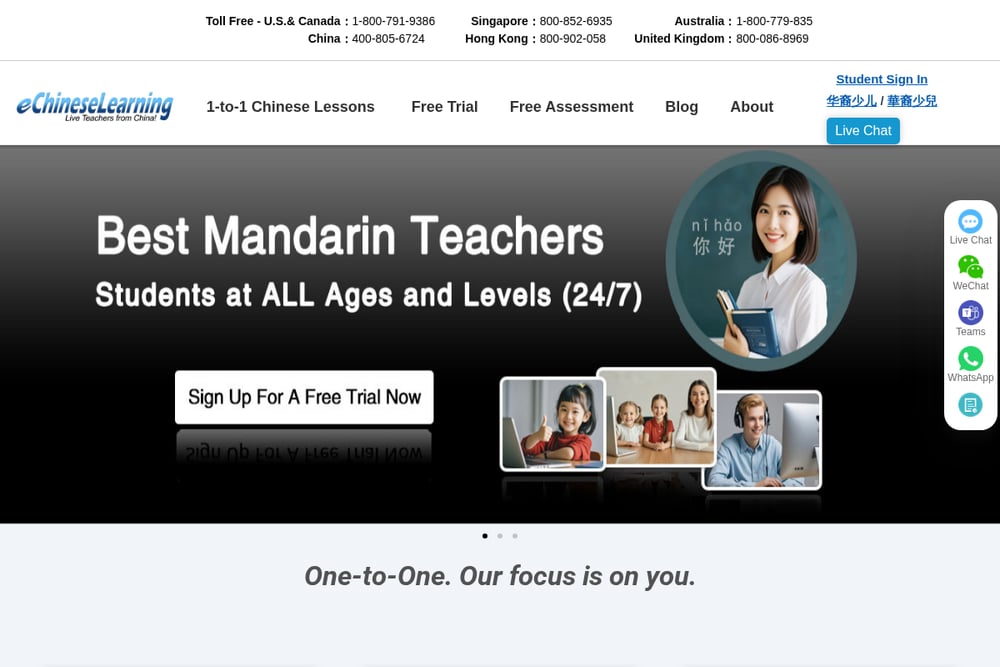 A screenshot of the eChineseLearning website.
eChineseLearning offers a highly personalized, one-on-one online immersion experience for students aged 3-17. Their curriculum is built around a 'three-heart' classroom concept, focusing on fun, value, and patience. The program uses a unique 'dual decoding system' combining task-based learning and critical discussion to boost efficiency. With a reported 90%+ student speaking rate in class, it's designed to overcome the common challenges of language遗忘 and cultural disconnection. Their structured L1-L8 levels provide a clear path from basic pinyin to advanced vocabulary and cultural knowledge.
#2 多伦多标准中文学校
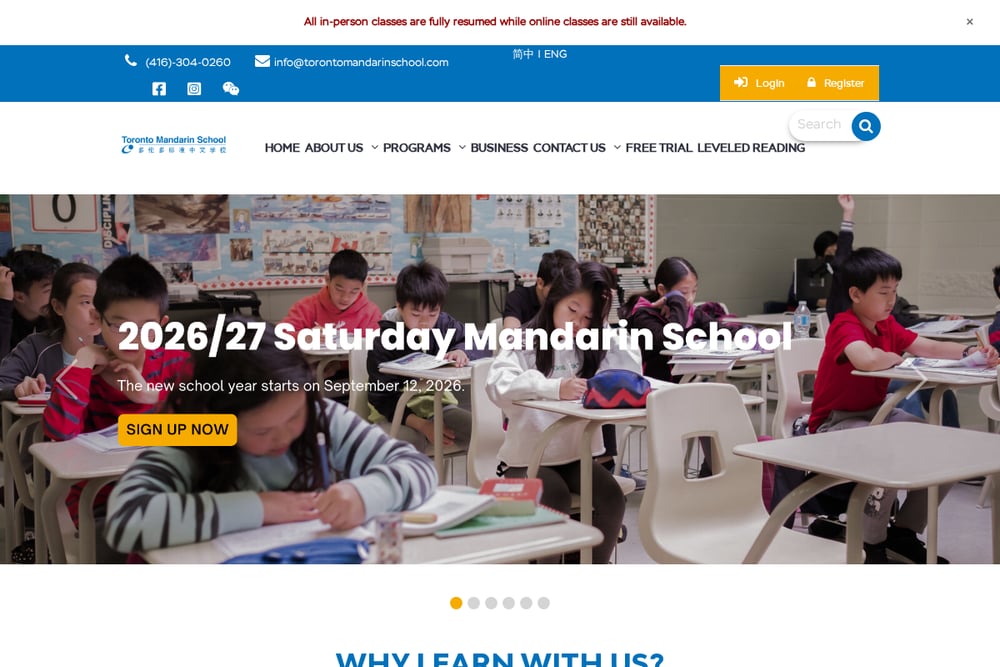 A screenshot of the 多伦多标准中文学校 website.
Toronto Mandarin School provides a robust in-person and online option for families in the Greater Toronto Area. Their preschool program for ages 3-6 uses songs, games, and storytelling to build a strong foundation in listening and speaking. The school offers clear level placement (PK, JK, SK) and maintains small class sizes with a 1:8 teacher-student ratio. They also provide a free trial class and a detailed refund policy, showing confidence in their program. For older students, they offer weekend classes and a comprehensive curriculum that builds on early learning.
#3 Boya Chinesisches Institut
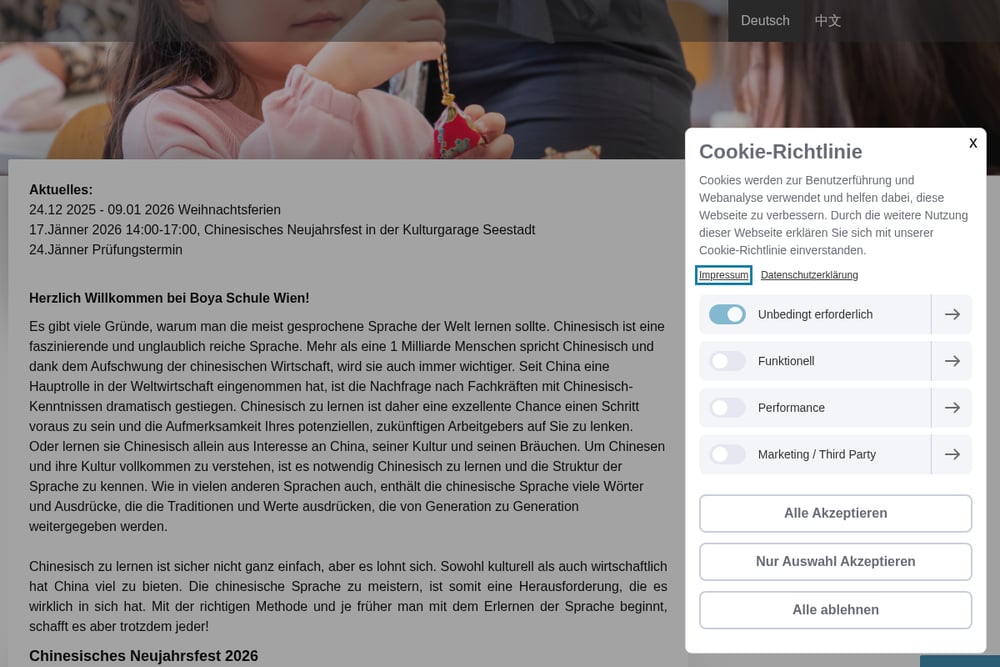 A screenshot of the Boya Chinesisches Institut website.
Based in Vienna, Austria, Boya Chinesisches Institut offers a structured program for children as young as 3. Their preschool class uses painting, singing, and storytelling to create a fun, immersive environment. For older students (6-18), they follow a 12-level system using the official 'Zhongwen' textbooks from China's Overseas Chinese Affairs Office. They also offer separate tracks for non-native speakers and adults, making it a versatile choice for families. The school also integrates cultural activities like dance and Taekwondo, adding value beyond language.
#4 Panda Mandarin
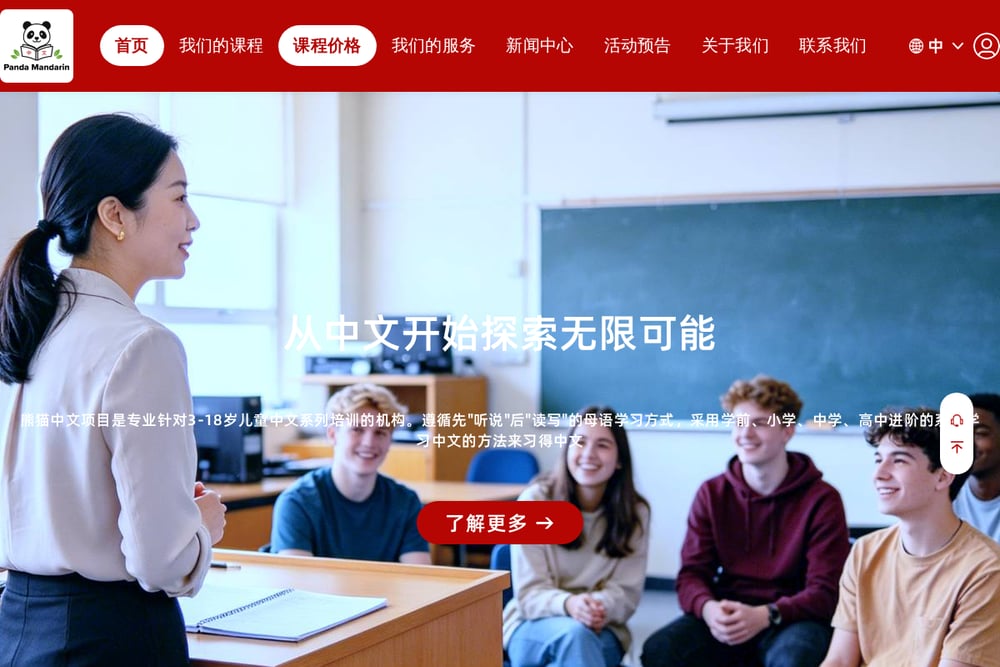 A screenshot of the Panda Mandarin website.
Panda Mandarin, based in Rancho Palos Verdes, California, is a specialized program for children aged 3-18. It follows a 'listening and speaking first, reading and writing later' approach, mirroring native language acquisition. The curriculum is tiered from preschool through high school, with courses like 'Enlightenment Chinese' for beginners and 'IC Series' for middle schoolers. They also offer AP Chinese preparation for advanced high school students. The school has established partnerships with universities like New York University and Johns Hopkins University, adding credibility to their program.
#5 东方牛津语言学校
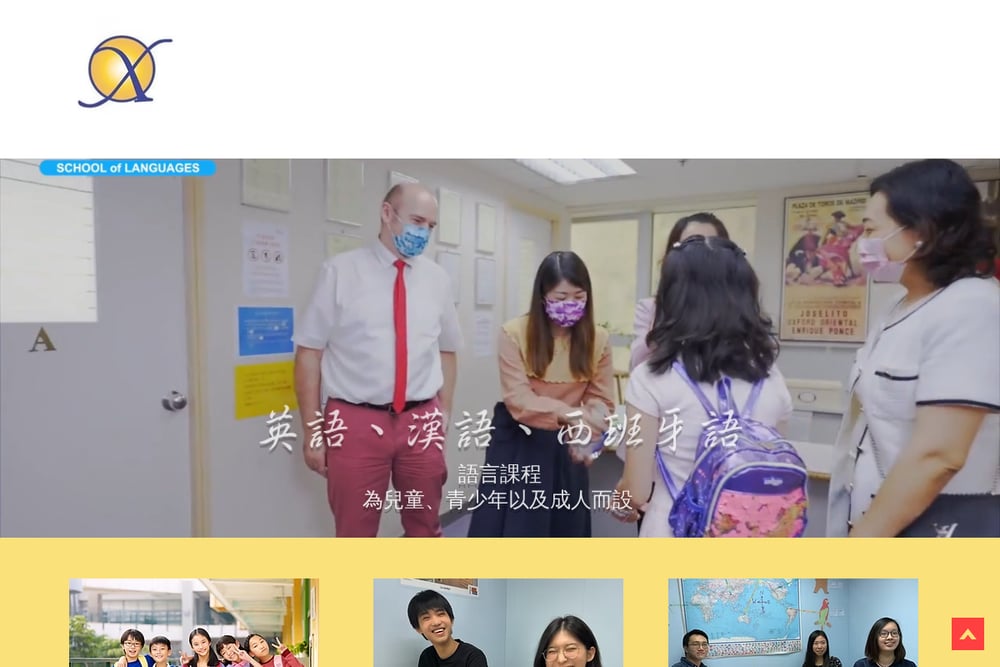 A screenshot of the 东方牛津语言学校 website.
Oxford Oriental School in Hong Kong provides a unique dual-track system for children aged 3-18, catering to both Cantonese speakers and non-Chinese speakers. Their writing skills course focuses on standard written Chinese and literary appreciation, while their Mandarin course emphasizes standard pronunciation. They also offer exam preparation for local Hong Kong exams like DSE. A standout feature is their summer immersion program in mainland China, offering a true cultural experience for students.
How to Choose the Right Chinese Program for Your Child
Start by considering your child's age and current proficiency level. For absolute beginners, a program with a strong focus on listening and speaking, like Panda Mandarin's 'Enlightenment Chinese' or eChineseLearning's one-on-one sessions, is ideal. If your child is older and needs to prepare for specific exams like AP Chinese, look for programs that offer targeted test prep. Also, think about your family's schedule: online platforms like eChineseLearning offer maximum flexibility, while local schools like Panda Mandarin or Toronto Mandarin School provide a community-based learning environment. Finally, always check the program's teaching philosophy and class size to ensure it matches your child's learning style.
Streamline Your Search with Automation
You can automate the process of comparing these programs by setting up a simple workflow. First, use a web scraper to collect updated pricing and course details from each program's website. Then, feed that data into a spreadsheet or a simple database. Finally, set up a notification system (like a Google Alert) for each program's name to stay informed about new courses, promotions, or parent reviews. This way, you can make a data-driven decision without manually checking each site every week.
Final Synthesis: Your Child's Path to Mandarin Fluency
Choosing the right Chinese program is a personal decision that depends on your child's age, learning style, and your family's needs. For a highly personalized, flexible online experience, eChineseLearning leads the pack. If you prefer a local, community-based school with a strong academic foundation, Panda Mandarin in California or Toronto Mandarin School in Canada are excellent choices. For families in Europe or Hong Kong, Boya Chinesisches Institut and Oxford Oriental School offer specialized, culturally rich programs. No matter which you choose, the key is to start early and stay consistent. Your child's journey to bilingualism is an investment in their future.