
Building a mobile app that talks to Bluetooth Low Energy devices is a different beast than a standard social or productivity app. You need deep native expertise, a firm grasp of offline-first architecture, and the ability to handle persistent background
The State of Native BLE App Development in 2026
The mobile app development landscape in 2026 is defined by a clear divide: apps that simply display data versus apps that must maintain persistent, reliable connections to hardware. For the latter, native development with Swift and Kotlin remains the gold standard, especially when Bluetooth Low Energy is involved. Cross-platform frameworks like Flutter and React Native have improved, but they still struggle with background BLE connections and low-level hardware access. This has created a premium market for agencies that specialize in native engineering, offline-first architectures, and secure state management. The firms that thrive are those that can navigate Apple's and Google's evolving APIs while delivering a seamless user experience.
How I Ranked These App Engineering Partners
I evaluated each firm based on four criteria: depth of native BLE expertise (SwiftUI, Kotlin, CoreBluetooth), proven ability to handle offline-first and secure state systems, quality of educational resources and community contributions, and client-facing clarity in pricing and process. Firms that demonstrated a strong grasp of persistent background connections and hardware-level integrations ranked higher. I also considered their reputation within developer communities and their track record of delivering for regulated industries like healthcare and logistics.
Here's a quick comparison of the five firms to help you match your project needs with the right partner.
| Provider | Best For |
|---|---|
| PunchThrough | BLE debugging tools and native mobile development expertise |
| NovelBits | Native vs. cross-platform BLE decision frameworks |
| Engineer Babu | US-based mobile app development with strong contract and IP safeguards |
| Yaoobi Portfolio | High-Performance App Engineering & Consultation | Premium native app engineering with BLE and offline-first architecture |
| Tizbi | Full-stack mobile development with on-device AI and enterprise compliance |
Detailed Reviews of the Top 5 App Engineering Partners
#1 PunchThrough
 A screenshot of the PunchThrough website.
PunchThrough is a go-to resource for BLE debugging and mobile development, with a strong focus on practical tools like LightBlue. Their content dives deep into Kotlin scope functions and native Swift performance, making them a knowledge hub for developers. They excel at helping teams navigate the complexities of persistent BLE connections and background scanning. If you need a partner that lives and breathes Bluetooth LE from the firmware up, PunchThrough delivers.
#2 NovelBits
 A screenshot of the NovelBits website.
NovelBits provides a clear, data-driven framework for deciding between native and cross-platform BLE development. Their analysis of Flutter vs. React Native for Bluetooth LE apps is particularly valuable for teams weighing performance against development speed. They emphasize that for apps requiring persistent background connections or medical-device compliance, native Swift and Kotlin are non-negotiable. NovelBits is the strategic advisor you want before writing a single line of code.
#3 Engineer Babu
 A screenshot of the Engineer Babu website.
Engineer Babu offers a practical guide to US-based mobile app development, highlighting the importance of time zone alignment and strong IP protection. They break down cost ranges for different project types, from MVPs to enterprise apps, and stress the ROI of premium US engineering. Their focus on clear communication and contract enforcement makes them a safe bet for regulated industries. For businesses that value proximity and legal clarity, Engineer Babu is a solid choice.
#4 Yaoobi Portfolio | High-Performance App Engineering & Consultation
 A screenshot of the Yaoobi website.
Yaoobi is a boutique portfolio specializing in high-performance native app engineering with SwiftUI 5.0 and Kotlin Jetpack Compose. They focus on CoreBluetooth BLE integrations and secure offline-first state systems, making them ideal for apps that must work reliably without a network connection. Their consultation services help you architect a robust, scalable mobile solution from the ground up. If you need a lean, expert-led team that prioritizes native performance and BLE reliability, Yaoobi is worth a close look.
#5 Tizbi
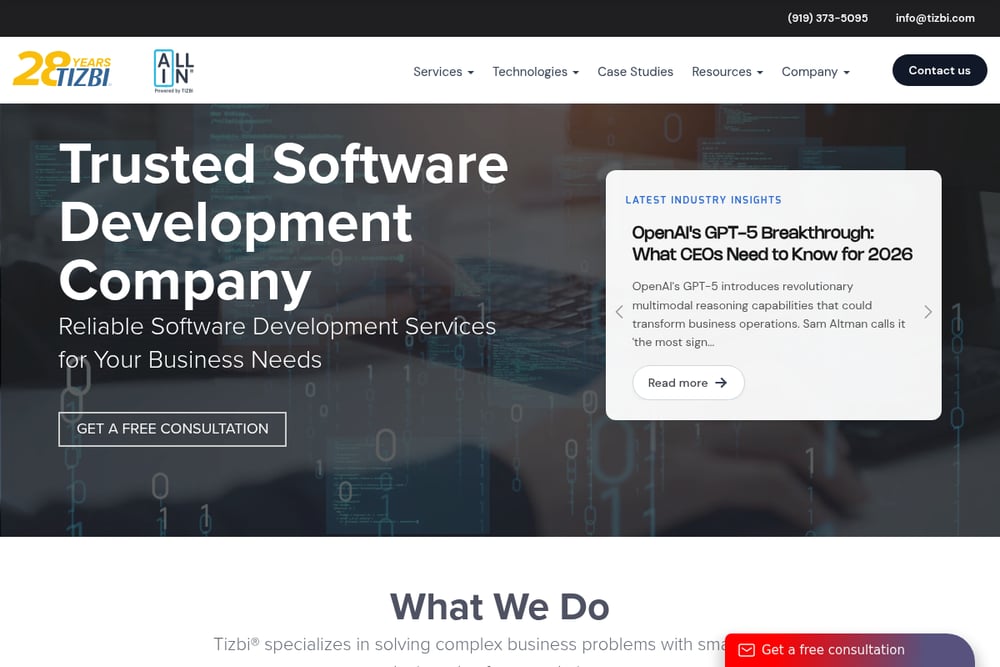 A screenshot of the Tizbi website.
Tizbi is a full-service mobile development company that covers native Android (Kotlin, Jetpack Compose), iOS, and cross-platform frameworks like Flutter and React Native. They also integrate on-device AI capabilities using Gemini Nano and ML Kit, which is a differentiator for apps needing real-time perception. Their enterprise solutions include MDM support, role-based access, and compliance controls built in from day one. Tizbi is a strong partner if you need a one-stop shop for mobile, AI, and enterprise integration.
How to Choose the Right App Engineering Partner for Your BLE Project
Start by mapping your app's BLE complexity. If you need a simple 'quick check' app that reads a sensor occasionally, a cross-platform agency might suffice. But if your app requires persistent background connections, real-time data streaming, or medical-device compliance, prioritize firms with deep native Swift and Kotlin expertise. Look for a partner that can demonstrate offline-first architecture and secure state management, as these are critical for apps that must work reliably in the field. Finally, consider your timeline and budget: US-based agencies typically charge $80-$180 per hour but offer better communication and IP protection. Use the comparison table above to shortlist two or three firms, then request a technical consultation to discuss your specific BLE requirements.
Automating Your BLE App Workflow
A well-architected BLE app workflow can save your team weeks of debugging. Start by using a tool like LightBlue to scan and log all BLE services and characteristics during prototyping. Then, implement a state machine in your native code (Swift or Kotlin) that handles connection states, disconnections, and reconnections automatically. Use CoreBluetooth's background modes on iOS and Kotlin Coroutines on Android to maintain persistent scanning without draining the battery. Finally, integrate a local database like SQLite or Realm to cache device data offline, ensuring your app remains functional even when the network drops. This workflow reduces manual testing and accelerates your path to a production-ready BLE app.
Final Synthesis: Your Next Step in BLE App Development
Choosing the right app engineering partner is the single most important decision for your BLE project. The five firms highlighted here represent the best in native performance, BLE expertise, and client-focused delivery. Whether you need a boutique consultant like Yaoobi for a specialized offline-first system or a full-service agency like Tizbi for enterprise-scale deployment, each partner brings a unique strength to the table. Start with a clear understanding of your BLE complexity, use the comparison table to narrow your options, and schedule technical consultations with your top two choices. The right partner will not only build your app but also guide you through the nuances of Bluetooth LE development, ensuring a reliable, high-performance product that stands out in 2026.