
If you're moving dry bulk commodities along the Illinois River, you need a terminal that can load, unload, and store your goods without hiccups. These five operations offer distinct strengths, from family-run flexibility to heavy-lift muscle.
The Illinois River: A Dry Bulk Lifeline
The Illinois River connects the Great Lakes to the Mississippi River system, making it a critical artery for moving grain, sand, salt, and other dry bulk commodities. Terminals along its banks provide the crucial link between barges and trucks, offering loading, unloading, and storage services that keep supply chains moving. For shippers, choosing the right terminal means balancing location, capacity, and specialized handling capabilities. The facilities profiled here represent a range of options, from nimble family-owned operations to large-scale logistics hubs.
How We Evaluated These Terminals
We looked at each terminal's service scope, including loading and unloading capabilities, storage capacity, and any specialized equipment like cranes or conveyors. We also considered local fit, meaning how well each operation serves the immediate Illinois River market and connects to truck and rail networks. Pricing clarity was harder to assess, as most terminals require direct quotes, but we noted where information was readily available. Finally, we weighed the overall reputation and experience of each operator, as reliability is paramount in this industry.
Here's a quick snapshot of the five terminals, ranked by their overall fit for a range of dry bulk shipping needs.
| Provider | Best For |
|---|---|
| Marine Material Handling Corporation | Heavy lifts and steel handling |
| HOME | OttawaBargeTerminal | Flood-safe storage and personalized service |
| Castaloop USA, Inc. | Project cargo and heavy lifts |
| Middle River | Multimodal logistics and multiple locations |
| Port of Louisville | High-volume rail-to-barge transfers |
The Five Terminals, Closer Look
#1 Marine Material Handling Corporation
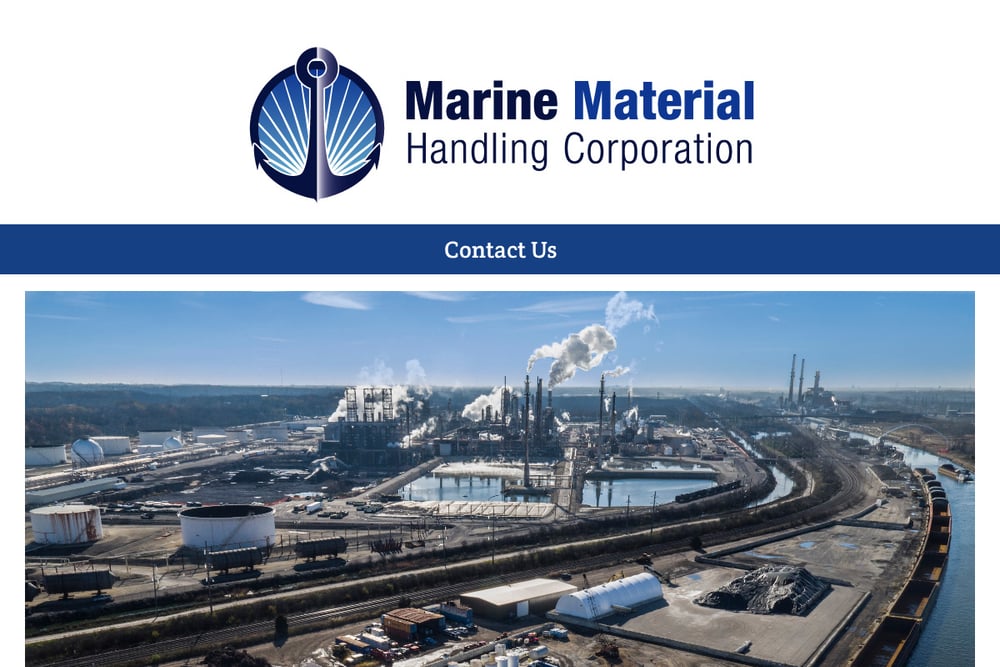 A screenshot of the Marine Material Handling Corporation website.
Marine Material Handling Corporation has been a steady presence on the Illinois River for over 23 years, operating at mile marker 296 in Lemont. They specialize in dry cargo and steel unloading, heavy lifts, and shipping containers, with 3,400 feet of waterfront and 18 acres of asphalt-covered land. Their owner-operated approach means you get direct communication and personal attention, which many customers appreciate. They also partner with Marine Cleaning and Repair LLC for barge cleaning and repairs, adding a layer of convenience. If you need a terminal that handles a wide variety of cargo with a hands-on touch, this is a solid choice. Their long-standing customer relationships speak to their reliability.
#2 HOME | OttawaBargeTerminal
 A screenshot of the HOME | OttawaBargeTerminal website.
Ottawa Barge Terminal, Inc. is a family-owned operation established in 1987, located 80 miles southwest of Chicago on the Illinois River. They handle barge loading and unloading for dry bulk commodities like specialty grains, silica sand, and agricultural nutrients, with easy truck access and weigh-scale operations. Their storage capabilities are a standout: nearly 20 acres of indoor and outdoor space, completely out of the floodplain, which is a huge plus for protecting your goods. The facility includes three large enclosed buildings and multiple outside pads, plus a second certified weigh-scale at the storage site. Jim Kreiser, the general manager, is directly reachable, which makes communication straightforward. For a personal, family-run alternative with robust storage, this terminal is worth a call.
#3 Castaloop USA, Inc.
 A screenshot of the Castaloop USA, Inc. website.
Castaloop USA, Inc., a subsidiary of Logistec Stevedoring, opened its Lemont terminal in 2022, bringing a fresh option to the Illinois River at mile marker 300. They focus on bulk, break-bulk, and project cargo heavy lifts, with seamless marine and cargo handling services. The terminal offers over 13 acres of outdoor storage and 65,000 square feet of indoor warehousing, suitable for steel, non-ferrous metals, and forest products. Its location near the Chicago area and interstate network makes it easy for barge-to-truck transfers. If you're moving project cargo or need specialized handling, their commodity-specific expertise is a strong asset. The backing of a larger logistics group adds financial stability and global connections.
#4 Middle River
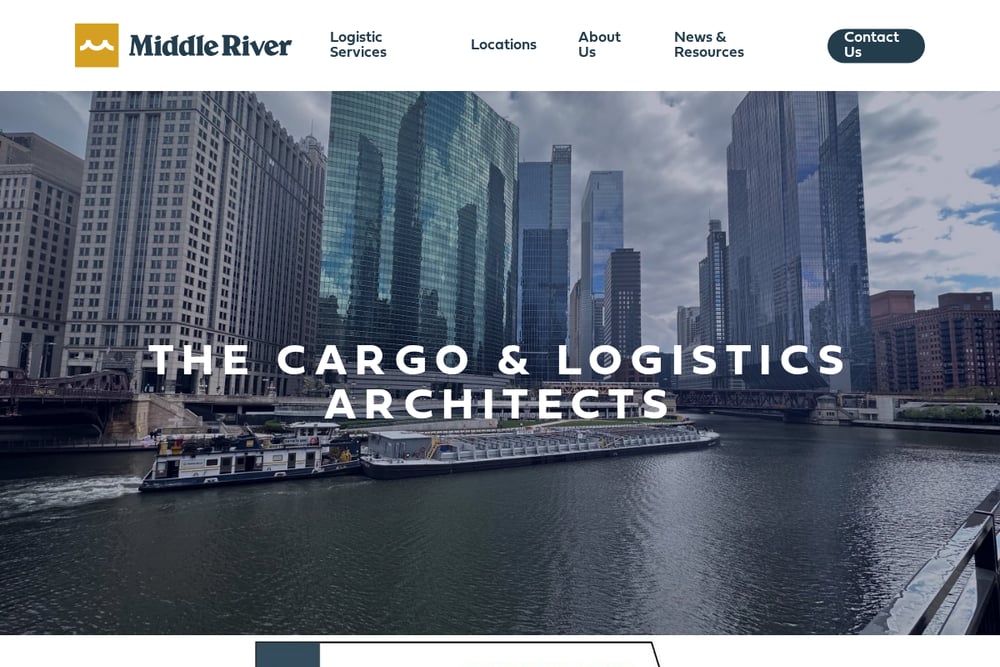 A screenshot of the Middle River website.
Middle River operates a network of 10 river terminals, including several on the Illinois River and its tributaries, such as Henry, Rock Creek, Joliet, and Lemont. They offer a comprehensive range of services, from barge loading and unloading to railcar transloading, material inventory management, and even barge cleaning and repairs. Their locations are strategically placed to serve a wide geographic area, with select rail access that adds flexibility for multimodal shipping. If you need a partner that can handle complex logistics across multiple sites, Middle River's scale is a major advantage. They also provide barge fleeting and towing services, which can simplify your operations. For shippers with diverse needs, this is a one-stop shop.
#5 Port of Louisville
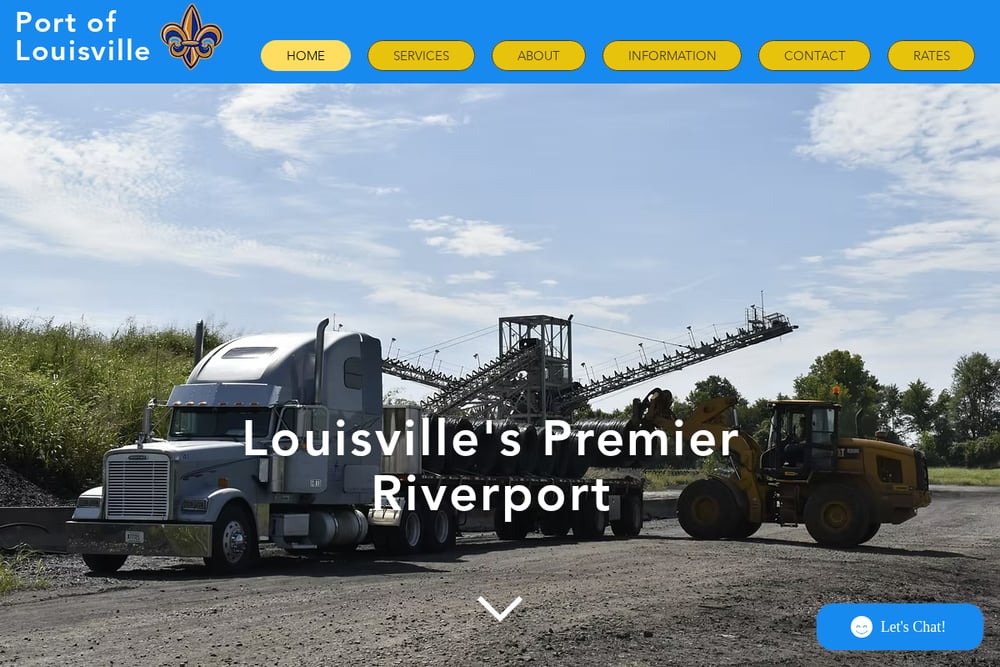 A screenshot of the Port of Louisville website.
While not on the Illinois River, the Port of Louisville's bulk terminal is a high-performance facility that sets a benchmark for dry bulk handling. It features a 23,000-foot double-loop rail track with 120-car unit train capability, a dumper vault, and an overhead conveyor system that can transfer cargo to barges or ground storage at 2,000 tons per hour. This terminal is designed for massive throughput, handling over four million tons annually, and includes a 30-ton overhead crane for general cargo. If your logistics chain extends to the Ohio River, this facility offers unmatched efficiency for large volumes. It's a different beast from the others, but worth knowing for its scale and speed.
How to Choose the Right Barge Terminal
Start by mapping your commodity type and volume. If you're moving specialty grains or need flood-safe storage, Ottawa Barge Terminal's family-run setup is hard to beat. For heavy lifts or project cargo, Marine Material Handling and Castaloop have the equipment and expertise. If you need multiple locations or rail access, Middle River's network is a strong fit. Consider your trucking distances and weigh-scale needs, as these affect turnaround times. Finally, call each terminal and ask about their current capacity and any specialized handling they offer. The right choice balances your operational needs with the terminal's strengths.
Streamlining Your Barge Terminal Workflow
To get the most out of any barge terminal, automate your scheduling and documentation. Use digital tools to book loading slots and submit barge manifests in advance, reducing wait times. Integrate your inventory system with the terminal's weigh-scale data to track quantities in real time. For recurring shipments, set up standing orders and automated notifications for when your cargo is ready for pickup. This reduces manual coordination and keeps your supply chain moving smoothly.
The Takeaway: Match the Terminal to Your Cargo
Each of these five terminals brings something different to the table, from Ottawa Barge Terminal's personal touch and flood-safe storage to Port of Louisville's industrial-scale speed. The key is to match your cargo type, volume, and logistical needs with the right facility. Don't hesitate to reach out to multiple terminals to compare quotes and capabilities. With the right partner, you can keep your dry bulk moving efficiently along the river.