
If your mind feels stuck in a narrow, anxious loop, these five programs offer science-backed ways to retrain your attention for calm and clarity.
The Attention Training Landscape
Attention training has moved from the fringes of neuroscience into mainstream self-help. The core idea is simple: when your attention locks onto threats or worries, your body stays on high alert. By learning to flex your focus—shifting between narrow and broad awareness—you can dial down anxiety and improve sleep. Programs range from clinical techniques like Metacognitive Therapy to guided exercises rooted in EEG research. Each takes a slightly different path, but all aim to give you practical tools you can use daily.
How We Evaluated These Programs
We looked at each program's scientific grounding, the clarity of its teaching materials, and how accessible it is for self-help users. We also considered the range of support options, from free resources to one-on-one coaching. Finally, we weighed how well each program addresses common issues like anxiety, insomnia, and focus. What stood out was the variety: some offer structured clinical protocols, while others emphasize experiential exercises. No single approach fits everyone, so we highlight what makes each unique.
Here's a quick snapshot of the five programs, ordered by our overall impression.
| Provider | Best For |
|---|---|
| MCT Institute | Evidence-based clinical technique |
| OPEN FOCUS ATTENTION TRAINING – SELF HELP geared by FLEXIBLE ATTENTION | Self-help with a mind-body approach |
| Metacognitive Therapy Central | Social anxiety focus |
| Psychology Tools | Structured worksheets and tools |
| Social Anxiety Alliance UK | Educational resources and community |
The Programs, Explored
#1 MCT Institute
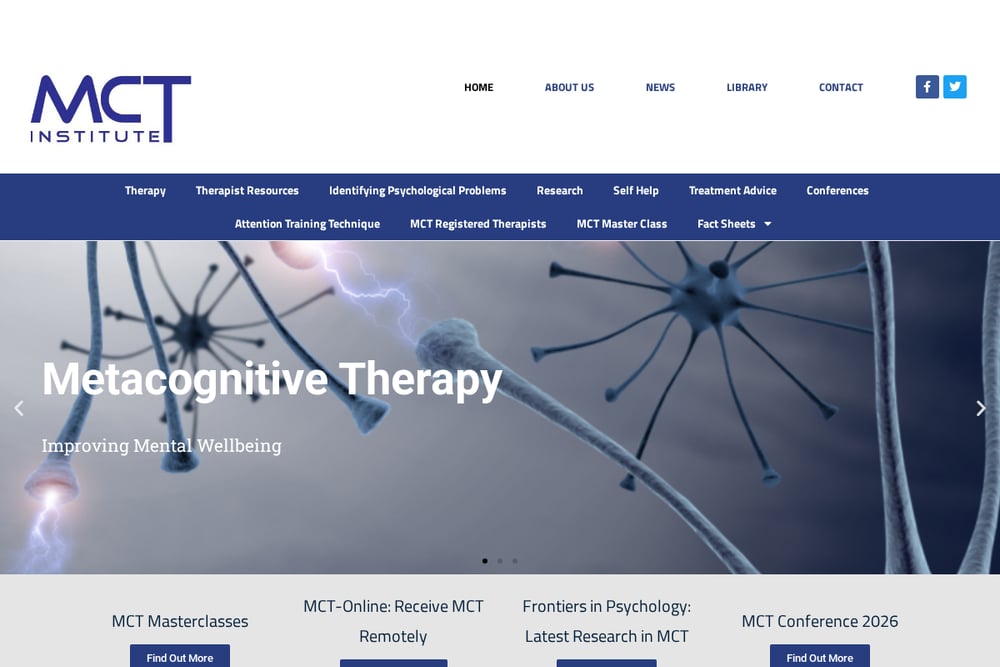 A screenshot of the MCT Institute website.
MCT Institute offers the Attention Training Technique (ATT), a specific method developed by Professor Adrian Wells. This technique is backed by experimental studies showing significant benefits for anxiety and depression. The site provides clear guidance notes and resources for both therapists and individuals. You can learn the technique through their fact sheets and self-help materials. It's a focused, evidence-based approach that you can start using right away. If you want a clinically validated method, this is a strong starting point.
#2 OPEN FOCUS ATTENTION TRAINING – SELF HELP geared by FLEXIBLE ATTENTION
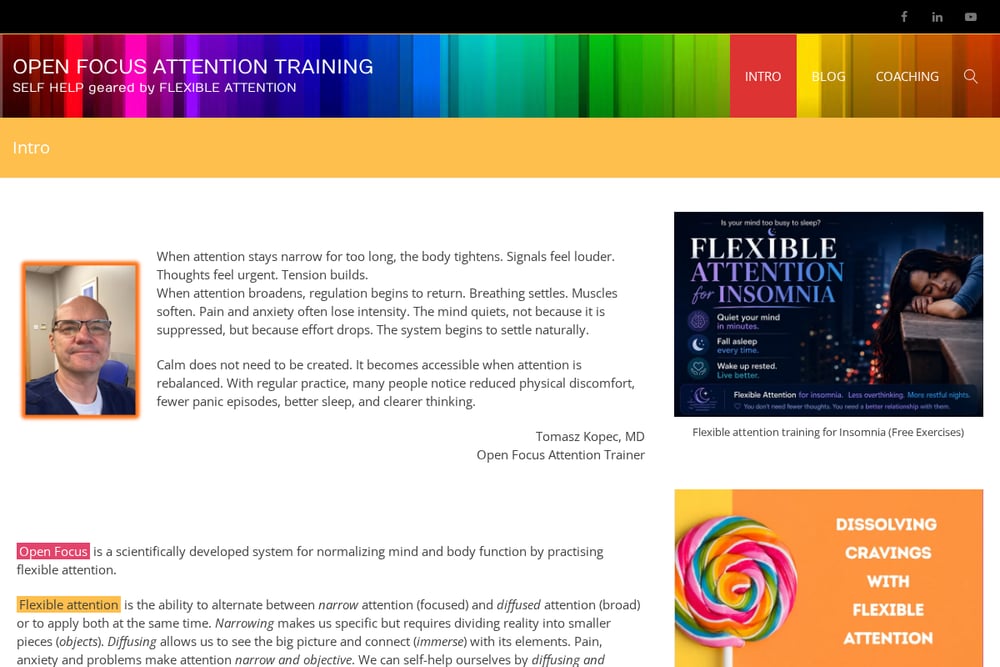 A screenshot of the OPEN FOCUS ATTENTION TRAINING – SELF HELP geared by FLEXIBLE ATTENTION website.
Open Focus Attention Training, led by Tomasz Kopec, MD, teaches flexible attention through guided exercises that feel like gentle meditation. The method is based on EEG neuro-feedback research by Dr. Lester Fehmi, showing that broadened attention generates synchronous alpha waves. You'll find coaching options, blog posts, and specific programs for insomnia and weight loss. The approach emphasizes self-help, so you can practice at your own pace. It's particularly effective for reducing physical tension and panic episodes. If you prefer a holistic, body-aware method, this is worth exploring.
#3 Metacognitive Therapy Central
 A screenshot of the Metacognitive Therapy Central website.
Metacognitive Therapy Central offers a deep dive into how attention training can improve social anxiety. Their articles explain how inflexible attention amplifies threat, and how ATT reverses that pattern. They provide online workshops and resources for learning MCT techniques. The site is geared toward both individuals and therapists, with clear explanations and practical guidance. If you're dealing with social anxiety specifically, this is a valuable resource. It bridges theory and practice effectively.
#4 Psychology Tools
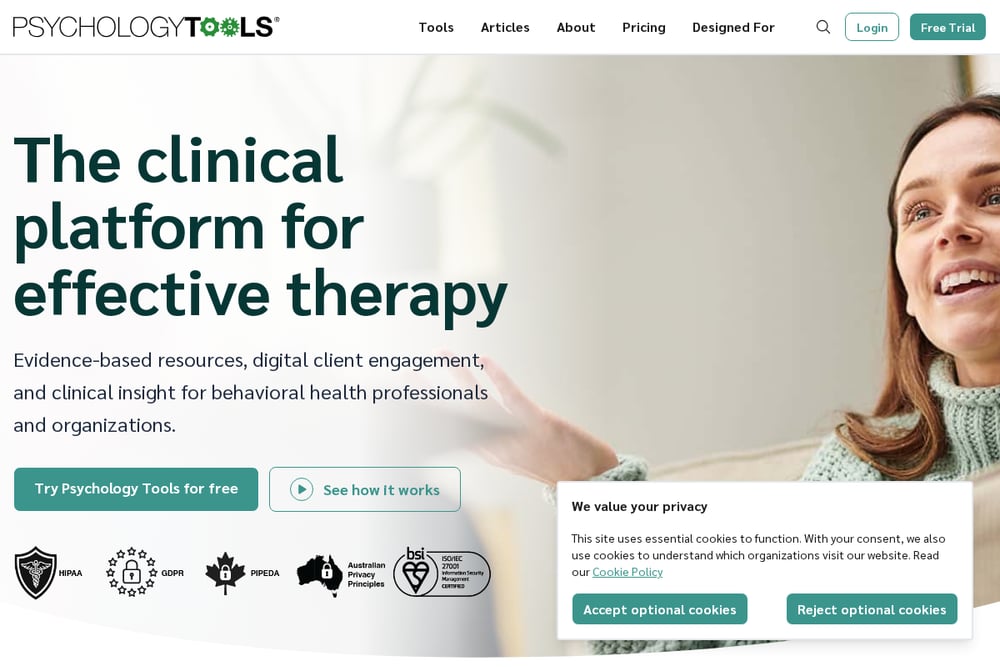 A screenshot of the Psychology Tools website.
Psychology Tools provides a comprehensive library of therapy resources, including an Attention Training Experiment worksheet. This tool helps you shift focus from internal to external stimuli, reducing self-consciousness. The site offers both client and professional versions, with fillable PDFs and editable PowerPoints. It's a practical resource for therapists and self-directed learners alike. You can download and use the materials immediately. If you like structured worksheets, this is a great fit.
#5 Social Anxiety Alliance UK
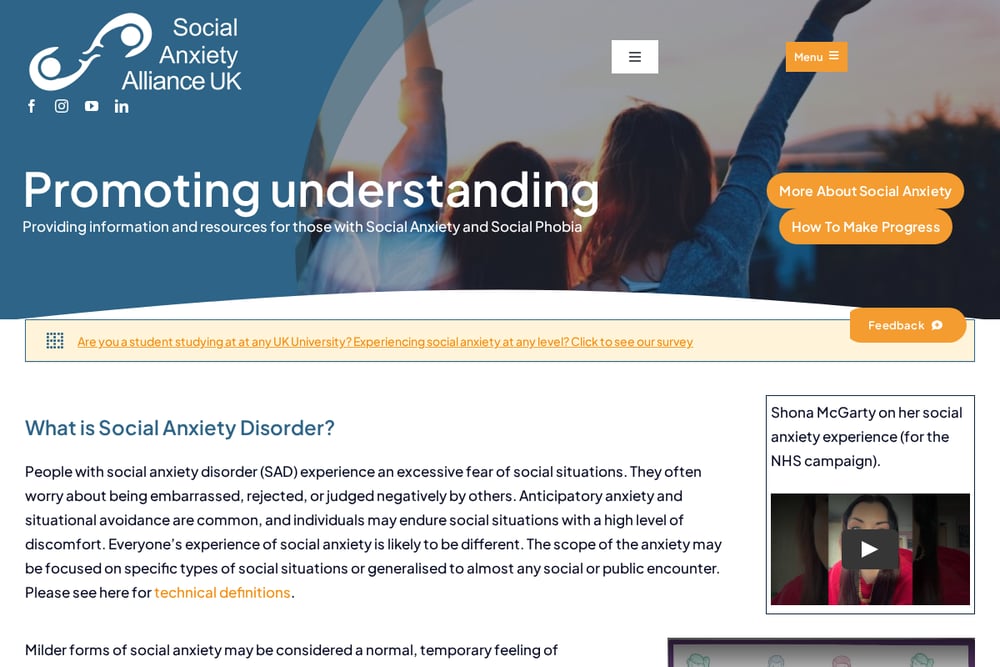 A screenshot of the Social Anxiety Alliance UK website.
Social Anxiety Alliance UK offers a wealth of information on how attention affects social anxiety. Their focus of attention page explains the link between self-focus and anxiety, with practical tips. The site includes self-help guides, worksheets, and links to NHS resources. It's a supportive community with a strong emphasis on education. If you're looking for a broader understanding and peer support, this is a helpful starting point. It's more informational than a structured training program.
How to Choose the Right Attention Training for You
Start by identifying your primary goal—whether it's reducing anxiety, improving sleep, or sharpening focus. If you want a clinically validated technique, look for programs like MCT Institute that offer structured protocols. If you prefer a self-paced, meditative approach, Open Focus Attention Training might resonate more. Consider the format: do you like worksheets, audio guides, or one-on-one coaching? Also, check the scientific backing and whether the program addresses your specific issues. Finally, think about your budget and time commitment. The best program is one you'll actually stick with.
Automating Your Attention Practice
You can integrate attention training into your daily routine with simple automation. Set a daily reminder on your phone to practice a 5-minute attention exercise. Use a habit-tracking app to log your sessions and note any changes in anxiety or sleep. Some programs offer audio guides that you can schedule to play at specific times. You could also use a smart speaker to play a guided exercise before bed. The key is consistency, so automate the reminders and let the practice become automatic.
Final Thoughts
Attention training is a powerful, science-backed way to reclaim calm in a noisy world. Whether you choose a clinical method or a meditative approach, the key is to start small and practice regularly. Each of these programs offers something unique, so pick one that aligns with your needs and personality. Remember, the goal isn't to force calm—it's to give your attention the flexibility to settle naturally. With time, you'll notice the shift.