
The art world is increasingly moving away from the solitary genius myth. Today, some of the most compelling work emerges from collectives and platforms that prioritize dialogue, social engagement, and shared authorship. Whether you are an artist looking for community
The Rise of Collaborative Creation
The art world is experiencing a significant shift away from the myth of the solitary artist. Increasingly, creators are forming collectives and using platforms that prioritize dialogue, social engagement, and shared authorship. This movement, often termed socially engaged art or social practice, focuses on community interaction and can blur the lines between art, activism, and social work. From performance groups to digital marketplaces, the ecosystem for collaborative art is more diverse and accessible than ever.
How We Ranked These Platforms and Collectives
We evaluated each entry based on its relevance to collaborative and socially engaged art practices, the depth of information or resources it provides, its accessibility to a general audience, and its unique contribution to the field. We prioritized resources that offer clear, actionable insights or direct access to the world of artist collectives.
Here is a quick comparison of the five resources featured in this roundup, highlighting what each one does best.
| Provider | Best For |
|---|---|
| Artsy | Discovering and researching established artist collectives |
| Art21 | Learning about the educational and process-driven side of collaborative art |
| RedLine Contemporary Art Center | Understanding community-driven, socially engaged art in practice |
| stiffneckscollective | Exploring a new, interdisciplinary performance collective |
| Wikipedia | Getting a broad, free overview of performance artist collectives |
Detailed Reviews of the Top 5 Collaborative Art Resources
#1 Artsy
 A screenshot of the Artsy website.
Artsy serves as a massive online marketplace and educational resource for the art world, making it a primary destination for discovering both individual artists and collectives. Their dedicated 'Collaborations and Collectives' gene curates groups like the Guerilla Girls and Gran Fury, highlighting how political activism and shared goals drive creative output. For anyone researching the history and current landscape of artist collectives, Artsy provides a structured, searchable database. It is an essential starting point for understanding how collaborative practices have shaped modern and contemporary art.
#2 Art21
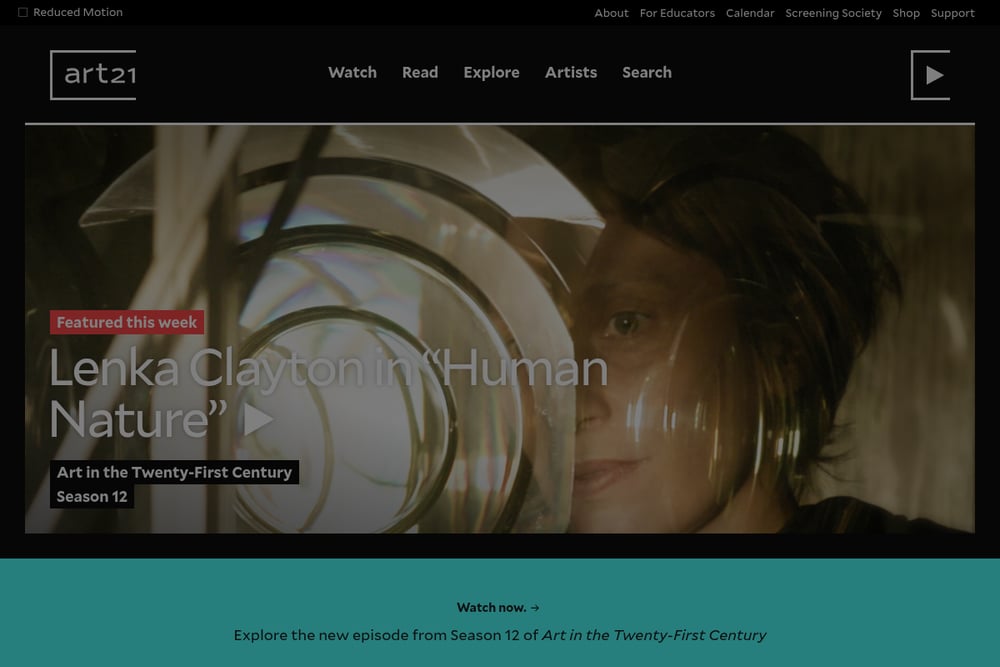 A screenshot of the Art21 website.
Art21 is a nonprofit organization that produces documentary films and educational resources centered on contemporary artists and their creative processes. Their article 'Experimenting with Socially Engaged Art' offers a practical, educator-focused perspective on how collaborative and community-based art practices can be implemented in learning environments. By featuring artists who blur the lines between disciplines, Art21 provides deep, contextual insights into the motivations behind socially engaged work. It is an invaluable resource for understanding the pedagogical and philosophical underpinnings of collective art-making.
#3 RedLine Contemporary Art Center
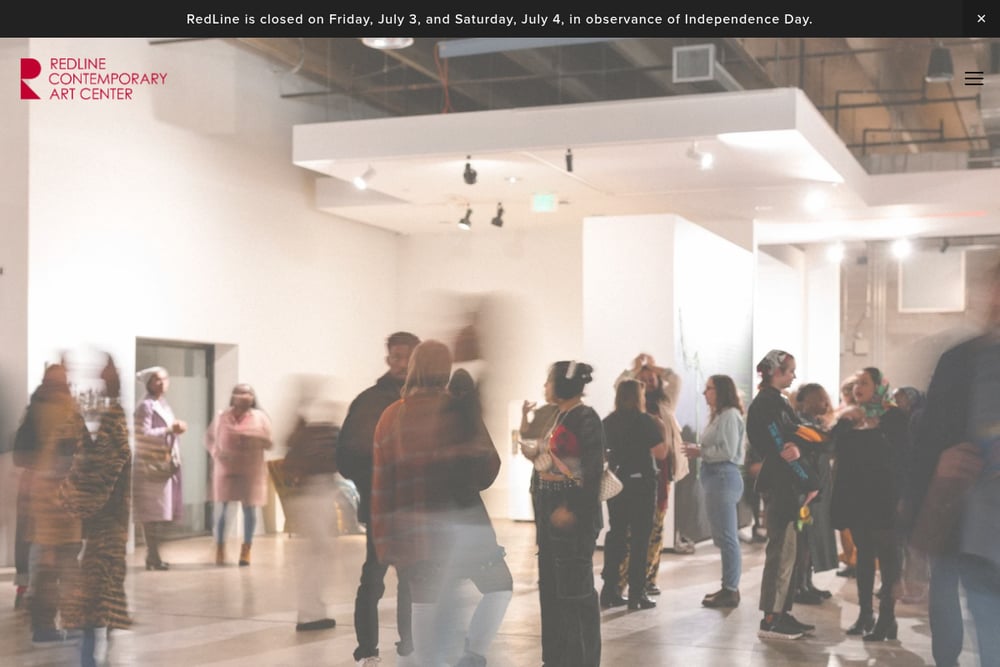 A screenshot of the RedLine Contemporary Art Center website.
RedLine Contemporary Art Center in Denver embodies socially engaged art practices by co-creating programs with local communities. Their artist residency, exhibitions, and youth education initiatives are built on listening to community needs, directly challenging traditional top-down art institutional models. As outlined on their site, they focus on centering voices of historically underrepresented artists and using art as a tool for social change. For artists seeking a model of how a collective or center can operate with genuine community partnership, RedLine offers a powerful, actionable blueprint.
#4 stiffneckscollective
 A screenshot of the stiffneckscollective website.
Stiff Necks Collective is a young, interdisciplinary group formed in 2024 that works across choreography, performance, visual practices, writing, and sound. Their core mission is to challenge individualistic narratives and foster socially informed, collaborative spaces, a goal that aligns with the broader social practice movement. With a small team of three members—Eleni Vasilonikolou, Joana Cunha Pinto, and zoe antypa—they represent a nimble, artist-run model for collective creation. For those interested in the cutting edge of performance and socially engaged art, this collective offers a fresh, emerging perspective.
#5 Wikipedia
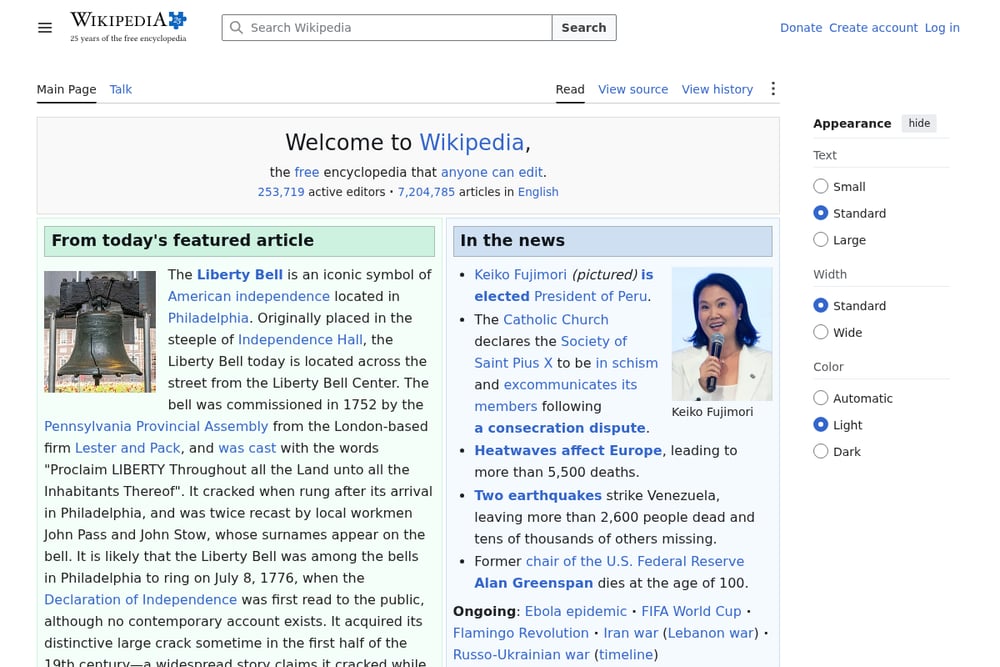 A screenshot of the Wikipedia website.
Wikipedia's 'Category:Performance artist collectives' page is a comprehensive, crowdsourced directory listing 90 performance groups from around the world. While not a curated resource, it provides an invaluable, broad-strokes overview of the field, from historical groups like COUM Transmissions to contemporary collectives like FAFSWAG. It serves as a free, accessible starting point for anyone looking to map the landscape of performance collectives. Use it to discover names and then dive deeper into individual groups for more detailed information.
How to Choose the Right Resource for Your Needs
Start by defining your goal. If you want to research the history and market for collectives, begin with Artsy. For a deep dive into the educational and philosophical aspects of socially engaged art, turn to Art21. If you are looking for a practical model of community-based art, study RedLine. To discover a new, emerging collective, check out stiffneckscollective. And for a quick, broad survey of performance groups, Wikipedia is your best bet.
Building Your Own Collaborative Workflow
You can use these resources in sequence to build a powerful research workflow. Start with Wikipedia to identify a list of collectives. Then, use Artsy to find detailed profiles and market data for the most interesting ones. Next, read Art21 articles to understand the artistic and social context. Finally, visit the websites of specific collectives like stiffneckscollective or centers like RedLine to see their current projects and calls for participation.
The Collective Future of Art
The five resources highlighted here represent different facets of a single, powerful trend: the move toward art that is made with, for, and by communities. Whether you are an artist, educator, or enthusiast, engaging with these platforms will deepen your understanding of how collaborative creation is reshaping the cultural landscape. The future of art is not a solo act; it is a conversation.