
When your treasured painting or gilded frame needs expert care, these five studios bring museum-level precision to every brushstroke. From Detroit to Oakland, each one offers a distinct approach to preserving art for generations.
The Art Conservation Landscape in 2026
Art conservation is a delicate blend of science, artistry, and history. Studios today are increasingly using digital simulations and advanced analysis to guide treatments, while still relying on time-honored techniques. Whether you're a private collector, a small museum, or a corporation, finding a conservator who understands both the material and the story behind a piece is crucial. The field is also becoming more collaborative, with studios partnering on large-scale projects and sharing knowledge across regions.
How We Evaluated These Studios
We looked at each studio's service scope, from paintings and frames to objects and murals. We considered their commitment to ethical standards, like following the AIC Code of Ethics. Local fit mattered too—how well they serve collectors and institutions in their region. We also noted their use of technology, such as digital simulations or technical analysis, and how clearly they communicate their process to clients.
Here's a quick snapshot of the five studios, each with its own strengths and specialties.
| Provider | Best For |
|---|---|
| Preservation Arts | Comprehensive, large-scale conservation projects |
| Goodman LaFon | Art Conservation | Detroit, Michigan | Museum-quality conservation with a research focus |
| Conservation and Museum Services | Local Detroit collectors and emergency restoration |
| Art Conservation Etc. | Collaborative care for art and decorative interiors |
| Art Restorations Inc. | Trusted restoration for diverse fine art and objects |
The Studios, Closer Look
#1 Preservation Arts
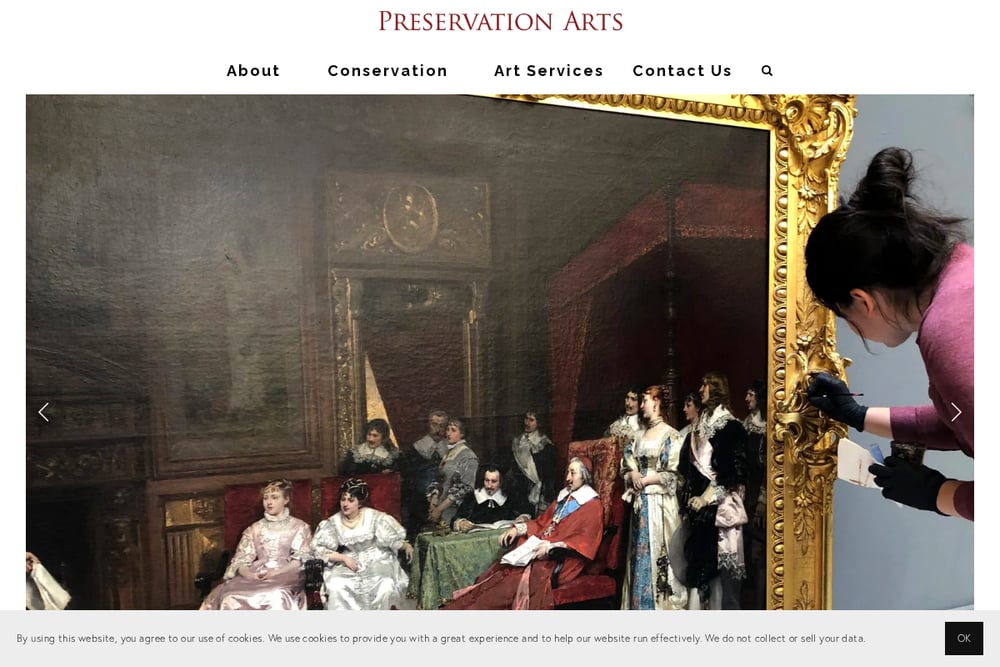 A screenshot of the Preservation Arts website.
Preservation Arts is the largest private practice on the West Coast, offering a full spectrum of services from paintings and frames to objects, works on paper, and outdoor sculpture. Their interdisciplinary team brings decades of experience to every project, and they're known for innovative solutions at any scale. They also provide collections management, transportation, and emergency response, making them a one-stop shop for comprehensive care. If you're on the West Coast and need museum-quality treatment, this is a powerhouse to consider.
#2 Goodman LaFon | Art Conservation | Detroit, Michigan
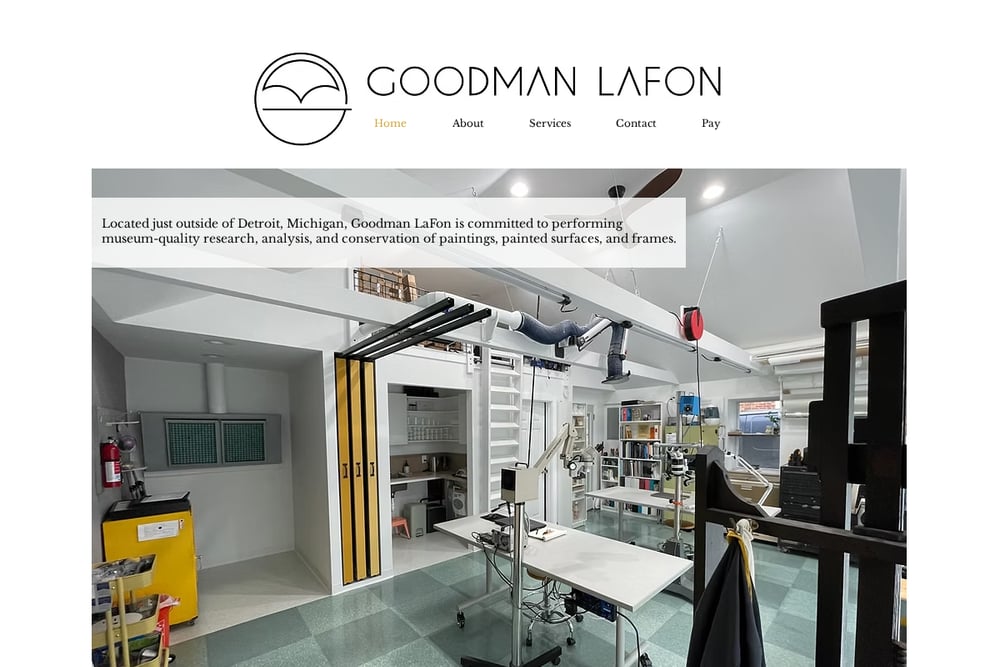 A screenshot of the Goodman LaFon website.
Goodman LaFon, located just outside Detroit, specializes in museum-quality research, analysis, and conservation of paintings, painted surfaces, and frames. Their services include treatment, logistics, preventive care, and digital simulations, which set them apart in the region. They've even contributed to scholarly publications, like David Alan Brown's book on Giovanni Bellini, showing their deep expertise. For collectors in the Midwest, this studio offers a blend of academic rigor and hands-on care.
#3 Conservation and Museum Services
 A screenshot of the Conservation and Museum Services website.
Based in downtown Detroit, Conservation and Museum Services has been treating paintings, frames, paper, and historic painted surfaces since 1989. They handle damage from aging, fires, and floods, and their team includes Ken Katz and Daniela Pianigiani. They're open weekdays and by appointment on weekends, making them accessible for urgent needs. Their long history in the Motor City gives them a trusted local presence.
#4 Art Conservation Etc.
 A screenshot of the Art Conservation Etc. website.
Art Conservation Etc. is a Pittsburgh-based collaboration of professional conservators who specialize in framing, installation, conservation, and restoration of art and decorative interiors. Their senior conservators have over 25 years of experience and are academically trained in fine art, decorative art, contemporary art, murals, and cultural objects. They also incorporate a professional museum-quality framer and art handlers, making them a versatile choice for both treatment and presentation. They're committed to the AIC Code of Ethics and offer education and outreach programs.
#5 Art Restorations Inc.
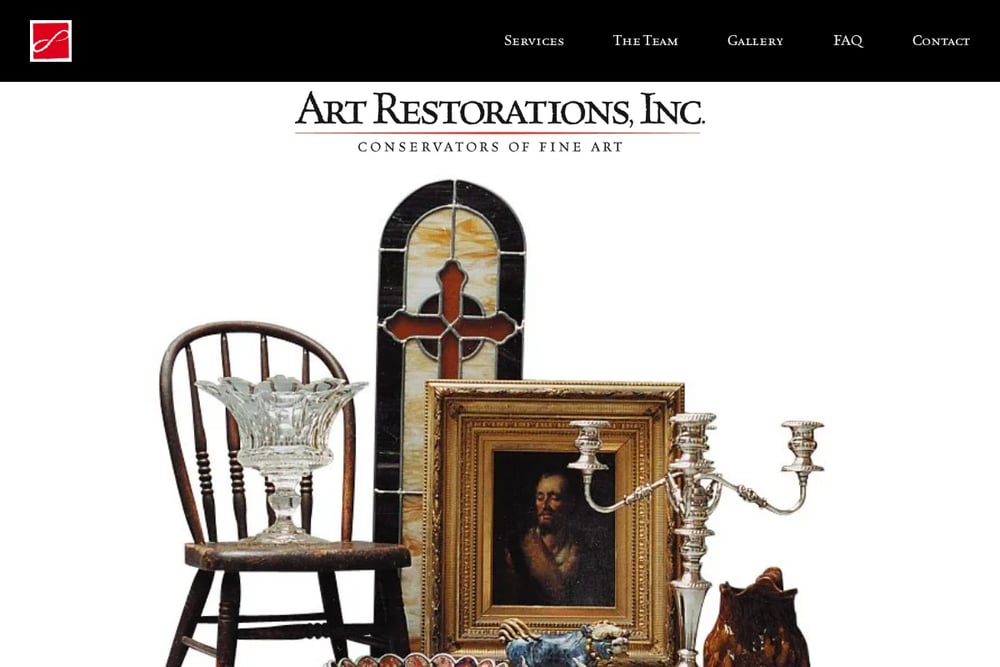 A screenshot of the Art Restorations Inc. website.
Art Restorations Inc., established in 1978, is a multi-faceted conservation facility in Dallas, Texas. They serve corporate and private collectors, small museums, institutions, and the art trade, offering everything from simple repairs to extensive restoration. Their team adheres to superior museum standards and a professional code of ethics, ensuring respect for artistic integrity. If you're in the South and need a trusted name with decades of history, this is a solid option.
How to Choose the Right Conservator for Your Art
Start by assessing the type of artwork you have—paintings, frames, paper, or objects—and match it to a studio's specialty. Consider the studio's location and whether they offer logistics or pickup services, especially for large or fragile pieces. Look for conservators who follow ethical guidelines, like the AIC Code, and who communicate clearly about their process. Finally, ask about their experience with similar pieces and whether they use digital tools for analysis or simulations, which can be a sign of a forward-thinking practice.
Streamlining Conservation with Digital Tools
Many studios now use digital simulations to predict treatment outcomes before touching the artwork. This allows you to see potential results and make informed decisions. Some also offer online consultations and digital documentation, making it easier to track the conservation process. For preventive care, automated environmental monitoring can alert conservators to changes in humidity or light, protecting your art between treatments.
Your Art Deserves Expert Hands
Whether you're in the Midwest, on the coasts, or anywhere in between, these five studios bring passion and precision to art conservation. Each one has its own strengths, from research-driven care to collaborative teams and emergency response. Take your time, ask questions, and choose a conservator who aligns with your values and your artwork's needs. Your pieces will thank you for it.