
If you run a local manufacturing shop, you know the pain of high scrap rates and production bottlenecks. The right fabric supplier can make or break your workflow. I've analyzed five American woven fabric mills that offer custom solutions, low
The State of American Woven Fabric Manufacturing
The U.S. textile industry has seen a resurgence in demand for domestic sourcing, driven by supply chain reliability and quality control. Mills like those in this roundup combine century-old craftsmanship with modern technology to serve industrial clients. From beef netting to high-strength nylon, these manufacturers prioritize flexibility and speed. For shop owners, partnering with a mill that offers custom runs and rigorous testing can directly reduce scrap and downtime.
How We Ranked These Mills
We evaluated each mill on production flexibility, minimum order requirements, lead times, quality certifications, and ability to handle both small runs and high-volume orders. Customer service reputation and niche specialization also factored in. The goal was to identify mills that can solve real-world production headaches for local manufacturers.
Here's a quick comparison of the top five mills to help you find the right fit for your shop.
| Provider | Best For |
|---|---|
| Weavetec | Custom industrial fabrics with flexible production |
| Faribault Mill | High-quality wool and cotton blankets for hospitality and retail |
| MMI Textiles | Industrial woven fabrics with custom finishes and coatings |
| Trenton Mills · Trenton Mills | Custom woven fabrics for food service and industrial use |
| Robert Kaufman Fabrics | Design-forward fabrics for apparel and home decor |
Deep Dive: The Top 5 Mills for Your Shop
#1 Weavetec
 A screenshot of the Weavetec website.
Weavetec is a specialty weaver based in Upstate South Carolina, owned by the Pennington family with over 90 years of textile experience. They offer custom woven fabrics for industrial and home furnishing applications, including upholstery and specialty fabrics. Their production capabilities include sectional warping, dobby weaving, and jacquard weaving, with looms configured for precision and efficiency. Weavetec is known for construction flexibility and exceptional customer service, making them a strong partner for niche textile needs. They handle both small and large production runs with attention to detail. For shop owners needing custom industrial fabrics, Weavetec's expertise can help reduce waste and improve output.
#2 Faribault Mill
 A screenshot of the Faribault Mill website.
Faribault Mill, formerly Brahms Mount, is a Minnesota-based mill that prides itself on using time-honored machines and methods to produce high-quality wool and cotton blankets, throws, and accessories. They emphasize American manufacturing and sustainable practices, with a focus on bedding and home goods. Their made-in-the-USA commitment ensures consistent quality and fast turnaround for bulk orders. While their product line leans toward consumer goods, their weaving capabilities can be adapted for industrial applications. Faribault Mill's reputation for durability and craftsmanship makes them a reliable choice for shops needing robust textiles.
#3 MMI Textiles
 A screenshot of the MMI Textiles website.
MMI Textiles is an industrial fabric supplier offering a wide range of woven fabrics including cotton, nylon, polyester, and mil-spec materials. They stock over 100 fabrics and specialize in custom colors, widths, and finishes like TPU lamination and fire retardant coatings. Their capabilities include producing fabrics up to 140 inches wide, which is ideal for large-scale industrial applications. MMI Textiles serves military, medical, and commercial sectors, with both import and domestic options. For shop owners dealing with high scrap rates, their custom finishing services can help create precise materials that reduce waste.
#4 Trenton Mills · Trenton Mills
 A screenshot of the Trenton Mills website.
Trenton Mills is a family-owned textile mill in Trenton, Tennessee, operating since 1884. They produce premium woven fabrics like beef netting, clam bags, game bags, and shop towels for grocers, butchers, and distributors. With 50 looms and over 50 million yards produced annually, they handle both small runs and high-volume orders with fast lead times. Their differentiators include FDA certification, USDA organic cotton certification, and sustainable practices. For local manufacturing shop owners facing scrap rates, Trenton Mills' rigorous testing and custom solutions can help reduce waste and improve production efficiency. They also offer a unique seasonal product: beef netting for Halloween cobweb effects.
#5 Robert Kaufman Fabrics
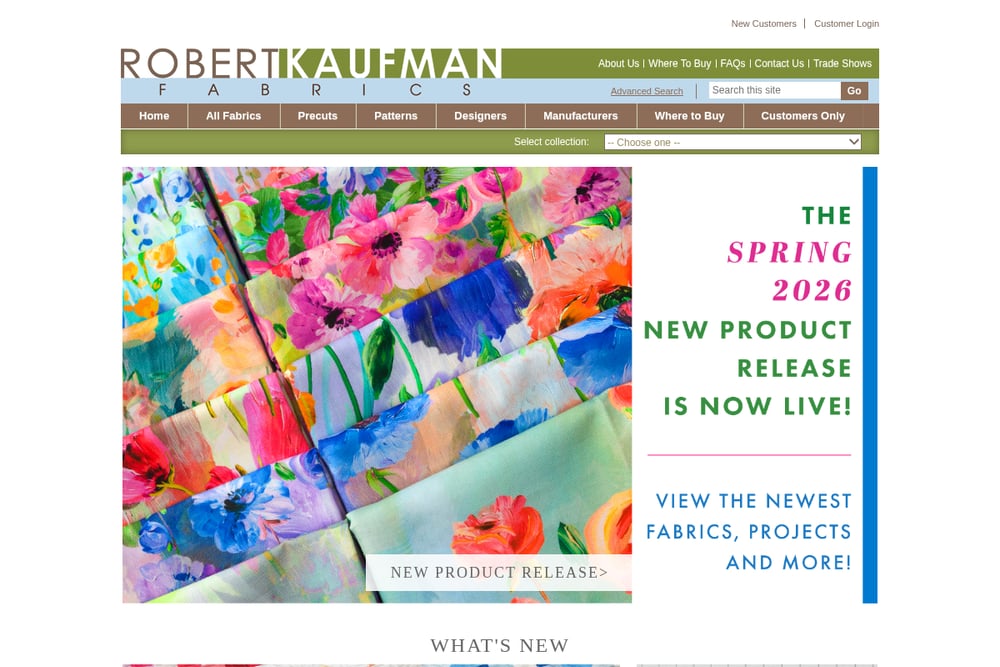 A screenshot of the Robert Kaufman Fabrics website.
Robert Kaufman Fabrics is a well-known manufacturer based in Los Angeles, offering a vast collection of fabrics including cotton, linen, knits, and specialty textiles. Their manufacturing capabilities include custom dyeing, finishing, and printing for both small and large runs. They serve quilting, apparel, and home decor markets with a focus on design and quality. While their primary audience is consumer-focused, their production flexibility can accommodate industrial clients needing custom woven fabrics. Robert Kaufman's extensive inventory and quick turnaround make them a viable option for shops looking to source unique materials without long lead times.
How to Choose the Right Mill for Your Shop
Start by identifying your biggest pain point: is it scrap rates, lead times, or minimum order quantities? Look for mills that offer custom solutions and low minimums, like Trenton Mills or Weavetec. Check certifications such as FDA or organic if your products require them. Request samples and test for consistency before committing to a large order. Finally, consider the mill's location and shipping times to ensure they fit your production schedule.
Automating Your Fabric Sourcing Workflow
To reduce bottlenecks, set up automated reorder alerts with your chosen mill based on inventory thresholds. Use digital spec sheets to share exact fabric requirements, reducing back-and-forth communication. Integrate your ERP system with the mill's order portal for real-time tracking. This minimizes manual errors and ensures you always have the right materials on hand.
Final Synthesis: Finding Your Fabric Partner
Choosing the right woven fabric mill can directly impact your shop's scrap rates and production speed. Whether you need custom industrial fabrics from Weavetec, food-safe textiles from Trenton Mills, or high-strength materials from MMI Textiles, each mill offers unique strengths. Focus on flexibility, quality certifications, and lead times to find a partner that grows with your business. Start with a small test run to validate fit before scaling up.