
Running a business shouldn't mean juggling a dozen disconnected tools. These five platforms promise to simplify your operations, but which one truly fits your workflow?
The All-in-One Platform Landscape
The market for all-in-one business management software has exploded as owners seek to replace fragmented toolkits with unified systems. From Zoho's sprawling suite to Workday's enterprise-grade solutions, each platform takes a different approach to consolidation. Small businesses often struggle with the trade-off between depth and simplicity, while larger firms prioritize scalability and integration. The common thread is a promise to reduce manual work and centralize data, but the execution varies widely. Understanding your specific pain points is key to navigating this crowded field.
How We Evaluated These Platforms
We assessed each platform on service scope, ease of adoption, pricing transparency, and the level of hands-on support. For service scope, we looked at whether the platform covers CRM, project management, marketing, and back-office needs. Ease of adoption considered the learning curve and the availability of onboarding assistance. Pricing clarity was judged by how openly costs are communicated. Finally, we weighed the fit for small to mid-sized businesses, especially those with limited IT resources. Each platform stood out in different areas—some for their automation depth, others for their concierge setup.
Here's a quick snapshot of the five platforms, highlighting what each is best for.
| Provider | Best For |
|---|---|
| Zoho One | Businesses needing a full suite with deep customization |
| Go Pro GOL - Empower Your Business | Owners who want a guided, done-for-you setup |
| OneDeck | Small teams needing a customizable, visual management tool |
| HoneyBook | Freelancers and client-based businesses needing streamlined workflows |
| Workday | Mid-to-large enterprises needing advanced HR and finance tools |
The Five Platforms, Closer Look
#1 Zoho One
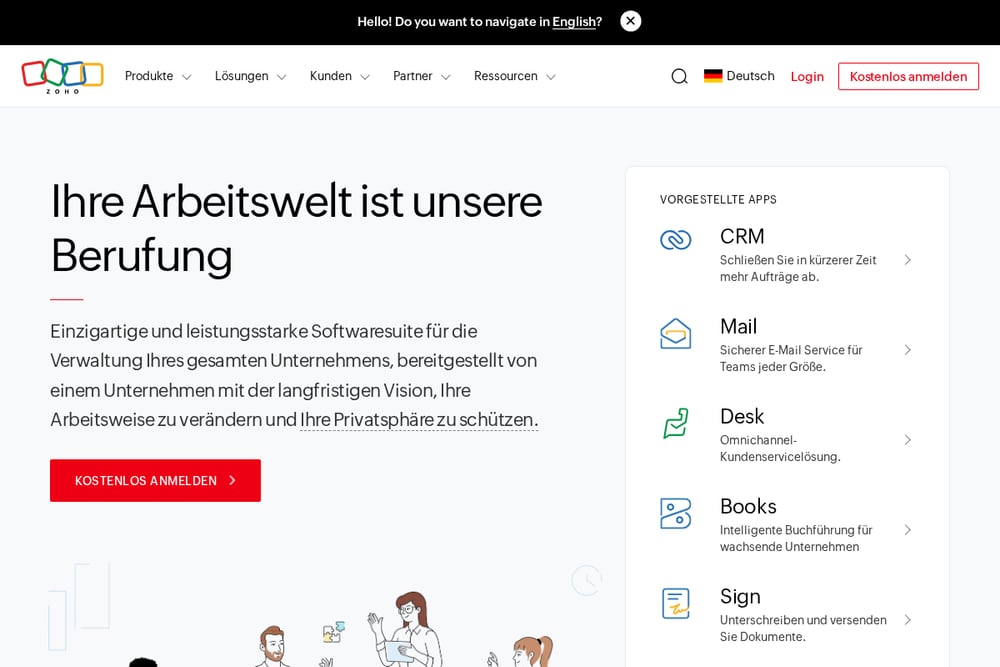 A screenshot of the Zoho One website.
Zoho One is a comprehensive suite of over 45 integrated applications covering sales, marketing, HR, finance, and more. It's designed to run your entire business from a single login, with deep customization options. The platform's strength lies in its breadth—you can manage everything from email campaigns to inventory without switching tools. However, the sheer number of apps can be overwhelming, and you may need time to explore and configure. Zoho offers a free trial, but pricing is per employee, which can add up as your team grows. For businesses that want maximum flexibility and are willing to invest in learning, Zoho One is a powerful contender.
#2 Go Pro GOL - Empower Your Business
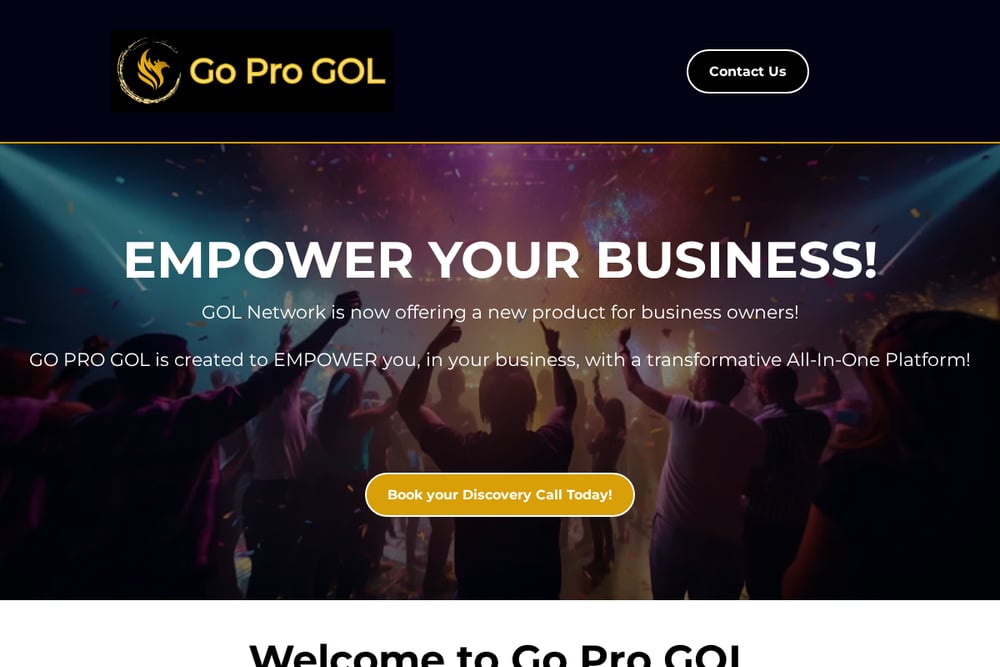 A screenshot of the Go Pro GOL website.
Go Pro GOL is an all-in-one platform that pairs robust technology with a done-for-you setup, making it ideal for overwhelmed owners. Its concierge service handles the heavy lifting—connecting your domains, importing contacts, and configuring payment processors—so you can start quickly. The platform boasts over 2,000 features, including automation tools, templates, and a community for support. What sets it apart is the Vital Assessment, where experts review your current systems before you commit, ensuring a good fit. This hands-on approach reduces the learning curve and helps you focus on growth rather than setup. If you want a partner to guide you through implementation, Go Pro GOL delivers.
#3 OneDeck
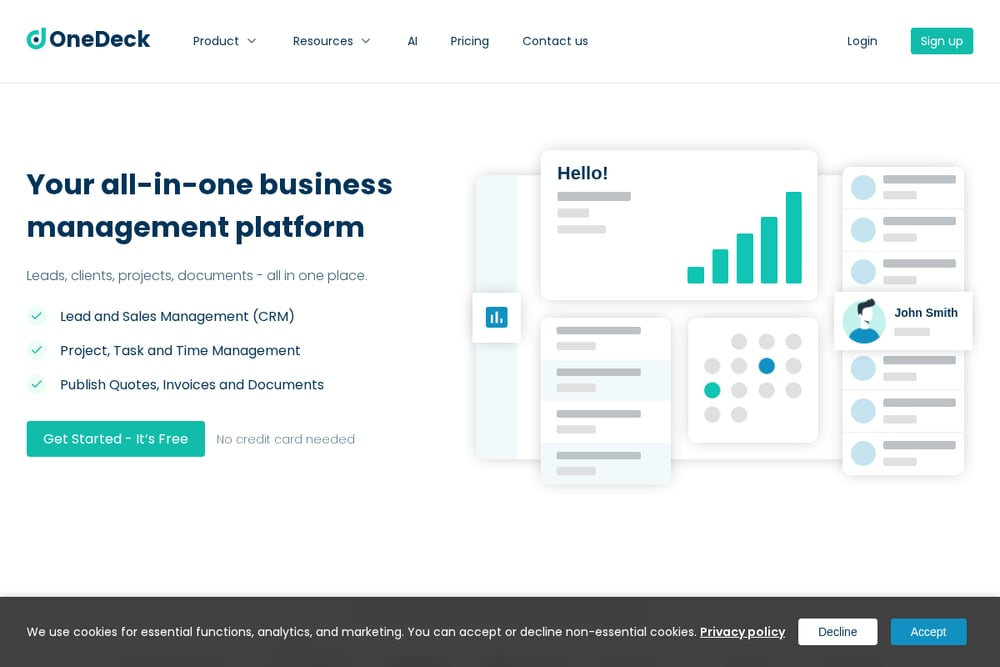 A screenshot of the OneDeck website.
OneDeck is a flexible management platform that lets you build custom boards, views, and dashboards to match your workflow. It's particularly strong for project management, CRM, and document generation, with automation to streamline repetitive tasks. The platform is designed for small businesses and agencies, offering a visual, drag-and-drop interface that's easy to adopt. OneDeck's pricing is transparent, with a free tier and affordable paid plans, making it accessible for startups. However, it may not have the depth of features that larger enterprises require. For teams that value customization and simplicity, OneDeck is a solid choice.
#4 HoneyBook
HoneyBook is a client management platform tailored for independent professionals and creative businesses. It streamlines proposals, contracts, invoices, and payments, all in one place, with a focus on client communication. The platform's strength is its simplicity—you can send a proposal, get it signed, and collect a deposit without leaving the app. It also offers automation for follow-ups and reminders, saving you time. However, HoneyBook is less suited for larger teams or complex project management needs. Its pricing is straightforward, with a monthly subscription, and it's particularly popular among event planners, photographers, and consultants. If your work is client-centric, HoneyBook keeps your process smooth.
#5 Workday
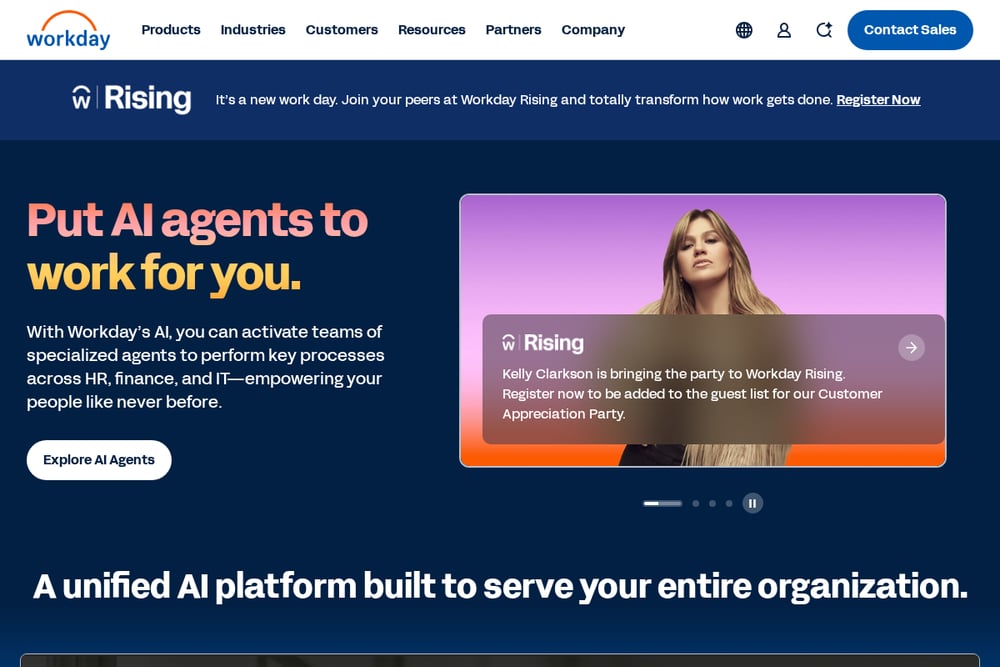 A screenshot of the Workday website.
Workday is an enterprise-grade platform that excels in human capital management and financial planning. It's built for larger organizations with complex HR and finance needs, offering robust analytics and global payroll capabilities. The platform is highly scalable, but it comes with a significant learning curve and a higher price point. Workday's strength is its ability to unify workforce data and provide real-time insights, which is crucial for strategic decision-making. However, for small businesses, the cost and complexity may be prohibitive. If you're a growing company with substantial HR and finance requirements, Workday is a powerful option.
How to Choose the Right Platform for You
Start by listing your biggest operational pain points—is it client management, project tracking, or financial reporting? Consider your team size and technical comfort level; some platforms require more setup than others. Look for a solution that offers a trial or a discovery call, like Go Pro GOL's Vital Assessment, to test fit. Evaluate the total cost, including per-user fees and any onboarding charges. Finally, think about scalability—will the platform grow with you, or will you need to switch later?
Automation: The Key to Less Stress
Automation is the heart of these platforms, and it works best when you map out your repetitive tasks first. For example, you can automate lead capture, follow-up emails, and appointment scheduling, freeing up hours each week. Go Pro GOL's concierge setup includes configuring these workflows for you, while OneDeck lets you build custom automations visually. Zoho One offers advanced workflow rules across its apps, and HoneyBook automates client communication. The goal is to create a system where routine tasks run themselves, so you can focus on high-value work.
The Bottom Line
Choosing the right all-in-one platform is about matching the tool to your business's maturity and your personal bandwidth. Go Pro GOL stands out for its hands-on support and done-for-you setup, making it a great fit for overwhelmed owners. Zoho One offers unmatched breadth for those willing to invest time, while OneDeck provides flexibility at a lower cost. HoneyBook is perfect for client-centric freelancers, and Workday serves larger enterprises. Take advantage of trials and discovery calls to see which platform feels like a natural extension of your workflow. The right choice will save you time, reduce stress, and help you grow with confidence.