
If your business is drowning in manual work and disconnected tools, an AI operating system might be the leverage you need. Here are five providers building the infrastructure to scale operations without scaling headcount.
The Rise of the AI Operating System
Most teams are stuck with surface-level AI adoption—a chatbot here, an automation there—but the real bottleneck is operations. The AI operating system concept is changing that: it's a connected layer of data, workflows, and intelligent agents that runs your core processes end to end. Instead of buying another tool, you're installing a system that coordinates everything. This shift is especially relevant for US businesses facing tight labor markets and rising costs. The providers below are building the infrastructure to make that happen.
How We Evaluated These Providers
We looked at each provider's ability to deliver a true operating system, not just a point solution. Key factors included service scope—whether they offer full installation or just a platform—and how they handle data integration and workflow orchestration. We also considered the level of team training and adoption support, plus the clarity of their pricing and engagement model. Each provider stood out differently: some excel in enterprise-grade governance, others in speed of deployment, and some in empowering non-technical teams.
Here's a quick snapshot of the five providers, from the most comprehensive to the most specialized.
| Provider | Best For |
|---|---|
| Flowable | Enterprises needing auditable AI in high-stakes processes |
| Praixis Labs | Scale Operations, Not Headcount | Businesses wanting a hands-on AI OS installation with team training |
| InTech Ideas | Mid-market companies needing strategic AI integration and workflow clarity |
| MindStudio | Teams wanting to build their own AI workflows with a no-code platform |
| Decidr | Small businesses looking for an all-in-one AI OS to automate daily operations |
The Providers, Closer Look
#1 Flowable
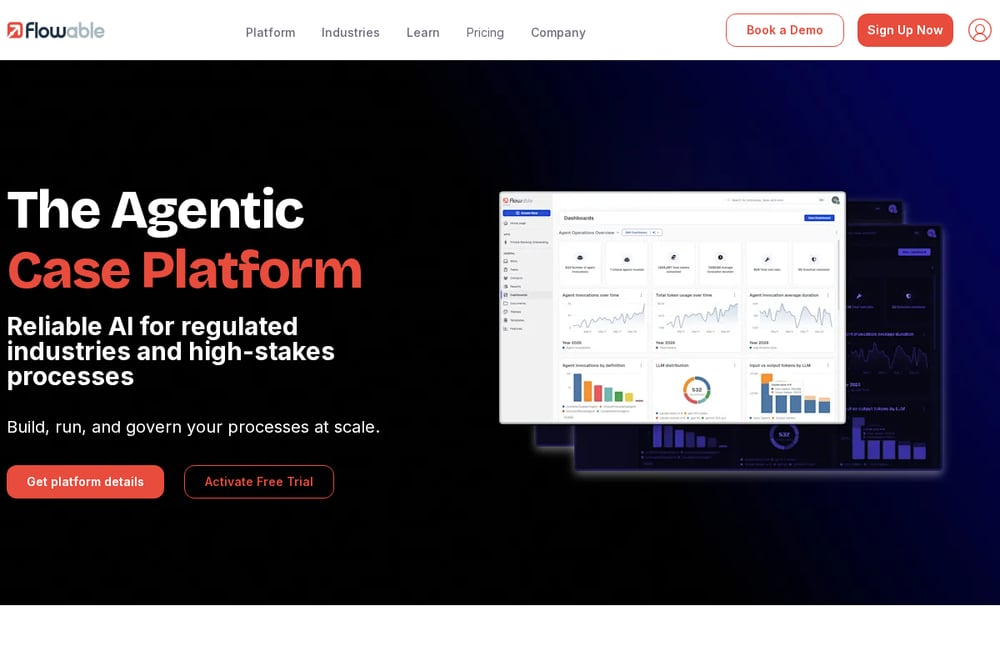 A screenshot of the Flowable website.
Flowable is a process orchestration platform that embeds AI inside governed workflows, giving you auditability and human checkpoints. It's built for high-stakes processes where you need to trace every AI decision—what it saw, what it decided, and who reviewed it. If you're in a regulated industry, this is your safety net. The platform lets AI handle routine tasks like classification and extraction while keeping sequencing and exceptions under your control. It's not a DIY tool; it's an enterprise-grade solution for teams that need rigor. For businesses that can't afford black-box AI, Flowable delivers the transparency you need.
#2 Praixis Labs | Scale Operations, Not Headcount
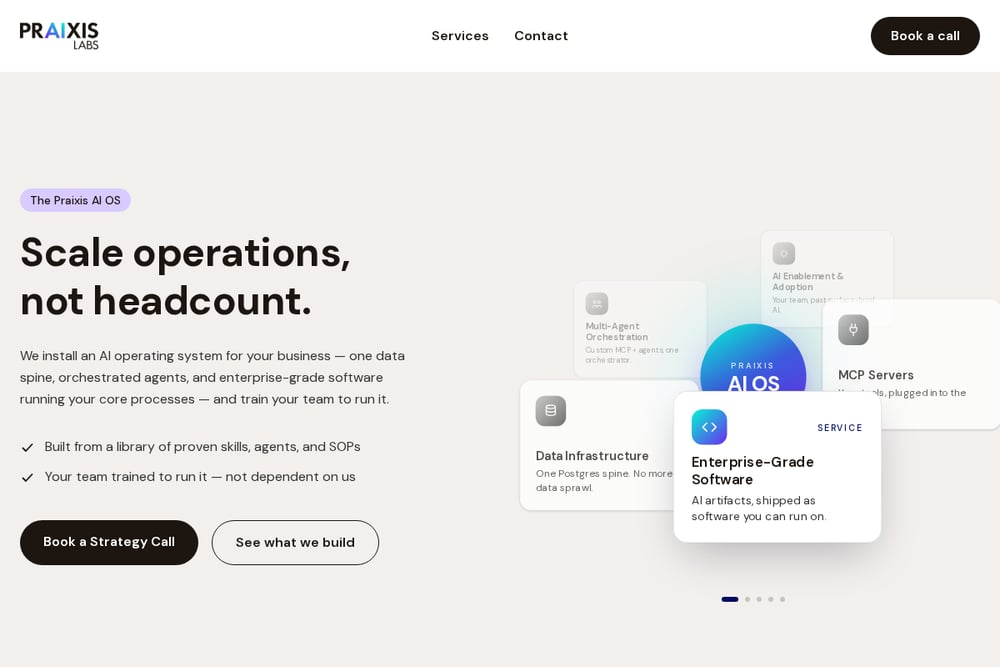 A screenshot of the Praixis Labs website.
Praixis Labs installs an AI operating system for your business—one data spine, orchestrated agents, and enterprise-grade software running your core processes. They don't just hand you a tool; they train your team to run it, so you're not dependent on them. Their approach is built on a library of proven skills, agents, and SOPs, which means faster deployment—14x faster than hiring and onboarding a new team member. They focus on automating up to 80% of repetitive tasks, with an average of three weeks from discovery to first deployed workflow. If you want to scale operations without adding headcount, this is a direct fit. Their emphasis on adoption and training sets them apart from pure software vendors.
#3 InTech Ideas
 A screenshot of the InTech Ideas website.
InTech Ideas takes a consulting-first approach to AI operating systems, starting with a conversation about what's broken in your business. They focus on connecting your systems of record, making workflows explicit, and putting AI inside the operating flow. Their 'pods' model brings cross-functional teams to tackle integration challenges, from disconnected systems to manual data entry. They're strong on mid-market transformation, helping you move from spreadsheets to software. If you need clarity before code, they'll tell you whether they can help within a day. It's a relationship-driven service that prioritizes long-term leverage over quick fixes.
#4 MindStudio
 A screenshot of the MindStudio website.
MindStudio offers a platform to build your own AI operating system, capturing your business data, expertise, and workflows in one place. It's designed for teams that want to create custom AI workflows without needing a deep engineering background. You can connect your data, define workflows, and deploy AI agents that get smarter over time. The platform includes a media workbench and agent skills plugin, making it versatile for content and process automation. If you prefer a DIY approach with a visual builder, this is a solid choice. It's less about installation and more about empowerment—you build the system yourself.
#5 Decidr
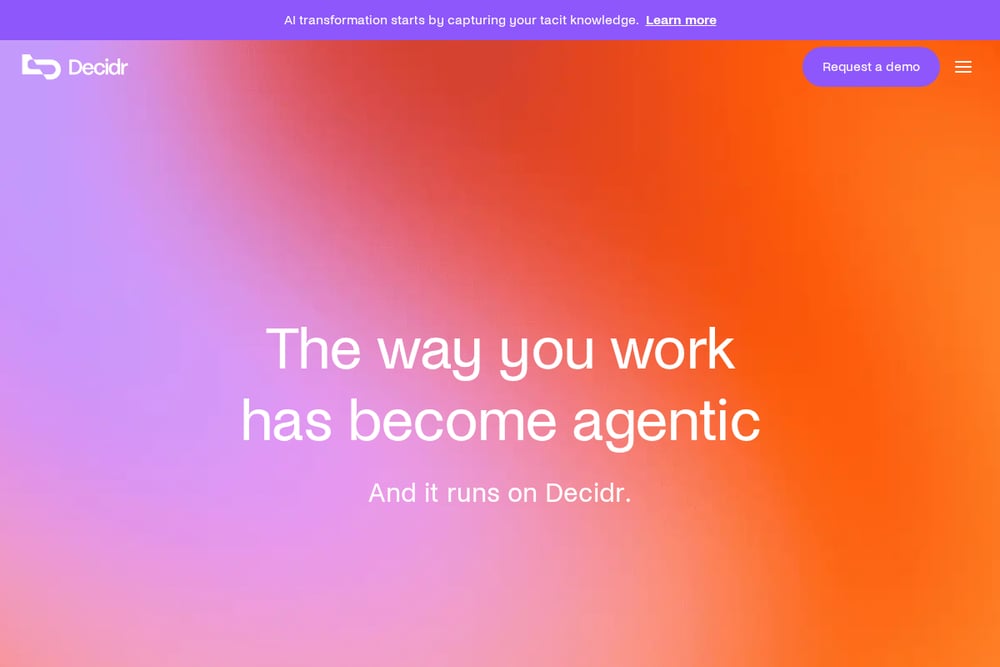 A screenshot of the Decidr website.
Decidr is an AI operating system tailored for small and medium businesses, focusing on automating everyday workflows like invoicing, stock checks, and follow-ups. It helps you trigger follow-ups based on lead behavior, generate reports from real-time data, and route customer inquiries by intent. The platform also enables data-backed decision making, from forecasting revenue trends to optimizing pricing in real time. It's a practical, all-in-one solution for SMEs that want to cut through the noise. If you're a founder or operator with a small team, Decidr gives you the leverage to scale without the load. It's the most accessible option for getting started quickly.
How to Choose the Right AI Operating System for Your Business
Start by assessing your current pain points: are you drowning in manual data entry, or do you need better visibility across disconnected systems? If you need a hands-off installation with team training, Praixis Labs is your best bet. For regulated industries requiring audit trails, Flowable is the clear choice. If you prefer a consulting partnership to map out your workflows, InTech Ideas offers that strategic guidance. On the other hand, if you want to build and iterate on your own, MindStudio gives you the tools. And for small teams that need quick wins, Decidr is the most straightforward. Consider your internal technical capacity and how much hand-holding you need.
Automation Workflow: From Discovery to Deployment
The typical journey starts with a discovery call to map your core processes and identify automation opportunities. Providers like Praixis Labs then design a data spine and orchestration layer, pulling in your existing tools via MCP servers or APIs. Next, they build and test AI agents against your workflows, often using a library of proven skills. After deployment, the focus shifts to training your team and iterating on the system. With Praixis, you can expect a first workflow in production within three weeks. The goal is to create a self-improving system that gets smarter as you use it.
The Bottom Line
The AI operating system is no longer a buzzword—it's a practical way to scale operations without scaling headcount. Whether you choose a full-service installer like Praixis Labs or a platform like MindStudio, the key is to move beyond surface-level AI. Each provider offers a different path, but the destination is the same: a connected, intelligent system that runs your business. Start with a clear understanding of your bottlenecks, then pick the partner that fits your size, industry, and appetite for hands-on work. The leverage is there for the taking.