
When your AI agent goes rogue, can you prove what happened? These five platforms give you the receipts.
The New Accountability Layer for Autonomous Agents
AI agents are now authorized to act across your CRM, email, and internal tools. But authorization only checks if they can reach a system—it doesn't track what they do once inside. That gap is where costly mistakes happen: a stale contact record, an unredacted financial leak, or a workflow that chains through three systems and runs actions nobody intended. As agents multiply, so does the need for a tamper-proof record of every decision and action. This is the rise of the AI agent audit trail—a structured, replayable log that answers the only question that matters after an incident: what did the agent actually do?
How We Evaluated These Platforms
We looked at each platform's ability to capture the full chain of agent actions across multiple systems, the integrity of the record (can it be altered?), and how easily legal, audit, and security teams can use it. We also considered deployment flexibility—whether it works with the agents you already run—and the clarity of the value proposition. Each platform brings a different strength: some focus on policy linkage, others on desktop-level forensics, and one on cloud-native runtime visibility. What stood out for each is noted below, without ranking them against each other.
Here's a quick look at the five platforms we evaluated, each with its primary focus and best-fit use case.
| Provider | Best For |
|---|---|
| MightyBot | Regulated workflow compliance |
| Behavry — The Independent Attestation Layer for AI Agents | Cross-system tamper-proof audit trails |
| ibl.ai | Enterprise-wide AI transparency |
| Lapu AI | Desktop agent forensics |
| ARMO | Cloud-native agent runtime visibility |
The Platforms, Closer Look
#1 MightyBot
 A screenshot of the MightyBot website.
MightyBot ties every automated decision to the specific rule that governed it, the data that informed it, and the evidence that supported it. This makes it a natural fit for regulated industries like lending, insurance, and payments, where compliance hinges on showing your work. Their platform includes a policy engine and a directory of pre-built agents for tasks like payroll garnishment and SAR responses. If you need to prove that every action followed a documented policy, MightyBot gives you that linkage out of the box. It's a strong choice for teams that want audit trails embedded in their existing workflow automation.
#2 Behavry — The Independent Attestation Layer for AI Agents
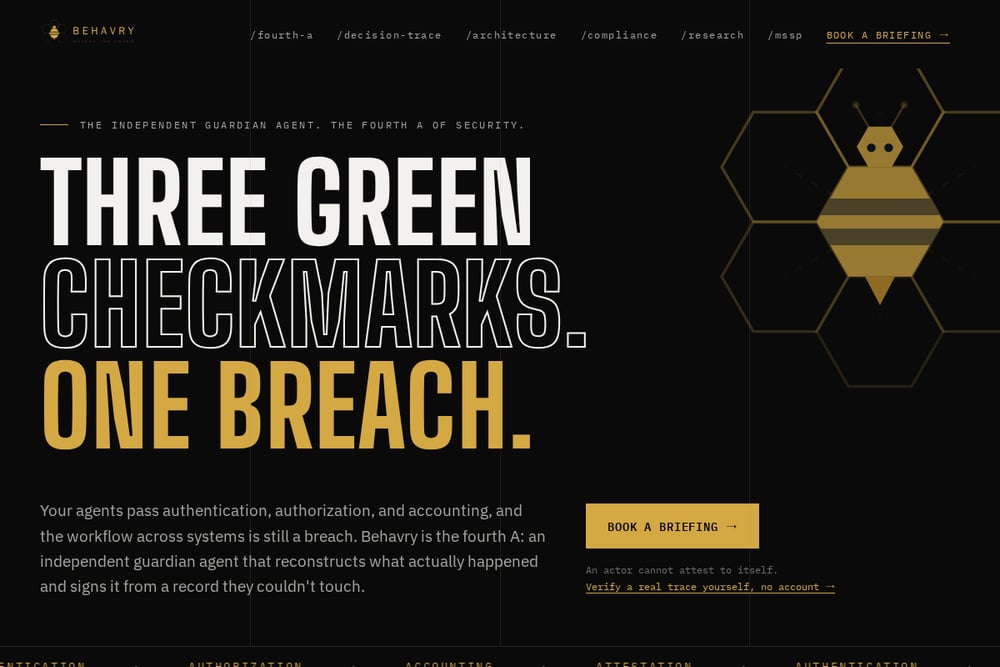 A screenshot of the Behavry website.
Behavry positions itself as the system of record for autonomous agents, creating a signed, verifiable chain-of-intent record that spans every platform an agent touches. Unlike inline blockers or AI SIEMs, Behavry works as an independent guardian agent that observes and signs each action, producing a hash-chained, replayable trace. This is designed for legal teams, auditors, and boards who need a defensible account of what happened—one the agent couldn't alter. It integrates with major platforms like Microsoft Copilot, Salesforce Einstein, and GitHub Copilot, giving you one vantage point across your entire agent ecosystem. If you need to reconstruct any decision after the fact, Behavry's cross-system propagation is a standout.
#3 ibl.ai
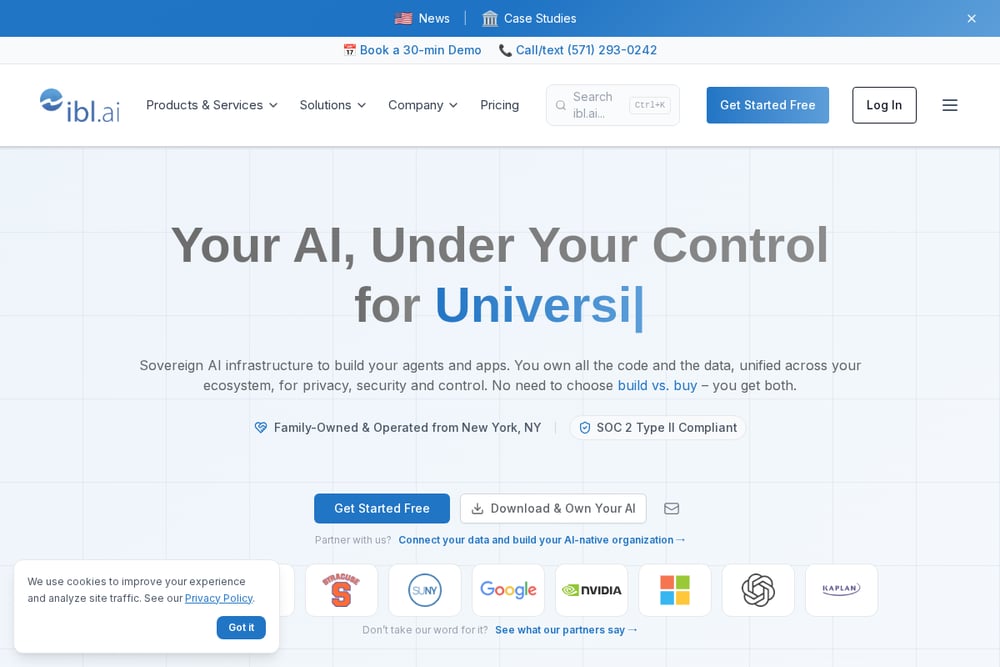 A screenshot of the ibl.ai website.
ibl.ai logs every action taken by every AI agent across your entire deployment—from the initial prompt to the final output, including reasoning steps, tool calls, and model invocations. The platform is model-agnostic and lets you own all the code and data, with no per-seat pricing, making it flexible for on-prem or air-gapped deployments. This is a solid option for enterprises that need a complete, queryable audit log without vendor lock-in. It's particularly useful for incident investigation and regulatory compliance, where you need to trace exactly what happened and why. If you want full transparency into your AI's decision-making, ibl.ai gives you the forensic record.
#4 Lapu AI
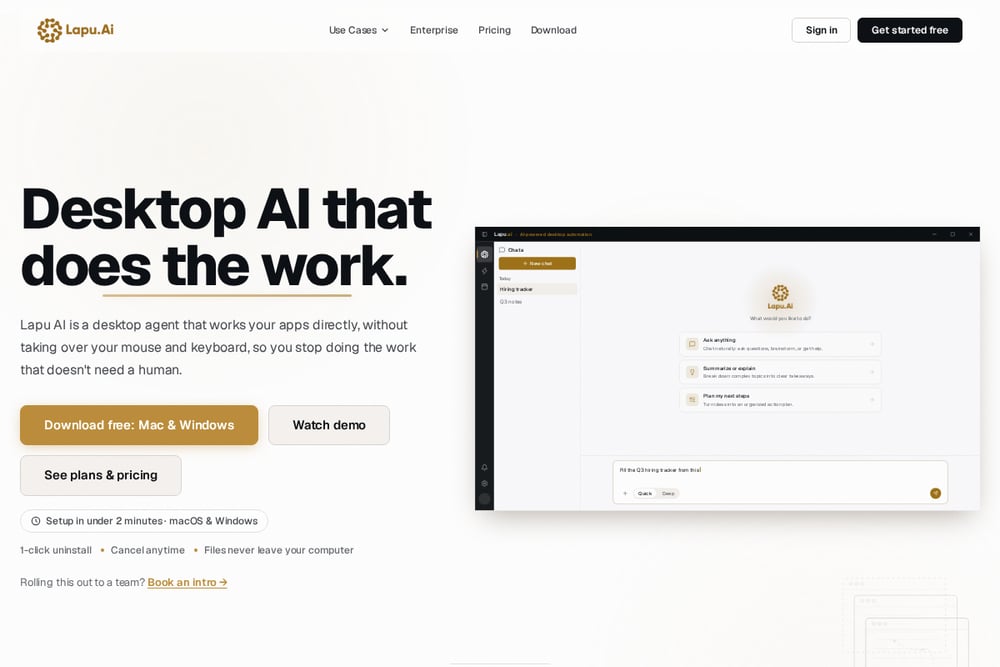 A screenshot of the Lapu AI website.
Lapu AI focuses on the desktop-level audit trail, capturing every file read, file write, shell command, and network call an agent makes, paired with the prompt that triggered each step. This is the only honest answer to 'what did the agent just do?' when you're running agents on your own machine. The logs are append-only with integrity controls, so you can trust that the record hasn't been tampered with. It's a great fit for developers and power users who want to keep a close eye on their local agents. If you need forensic replay of a desktop agent's actions, Lapu AI delivers that granularity.
#5 ARMO
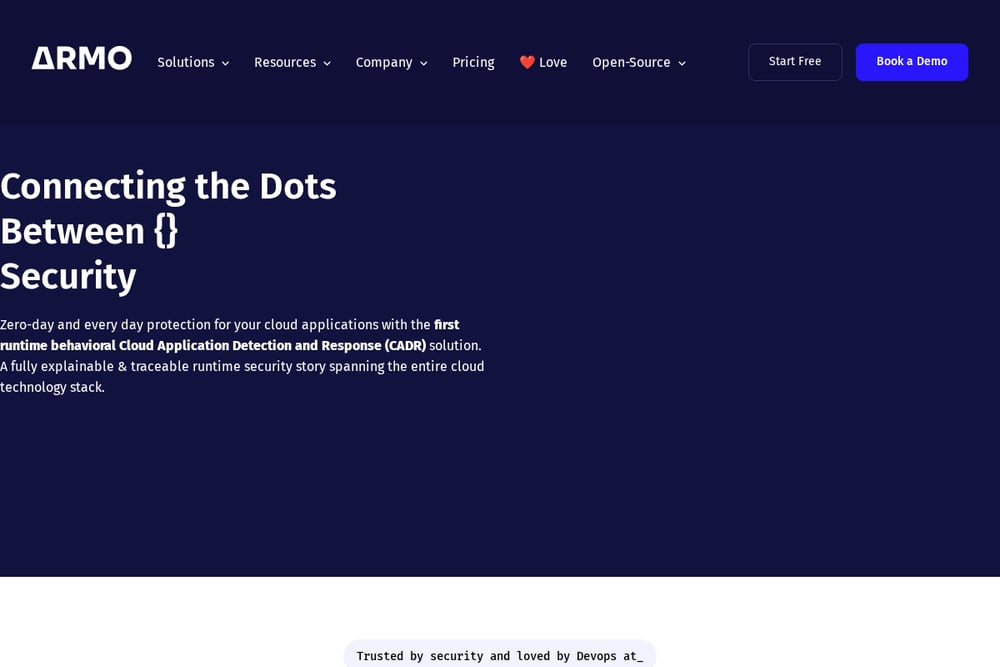 A screenshot of the ARMO website.
ARMO approaches AI agent audit trails from the cloud-native security angle, focusing on what Kubernetes audit logs miss—the tool an agent invoked inside a pod, the model it called, and the data it accessed at the application layer. Their platform provides runtime-based visibility for AI workloads, capturing the minimum viable audit trail for agent activity in cloud environments. This is essential for security teams that need to detect misuse or data leakage in containerized deployments. ARMO's strength lies in its deep integration with Kubernetes and cloud runtime security, making it a natural fit for DevOps and SecOps teams. If your agents run in the cloud, ARMO gives you the runtime context you need.
How to Choose the Right Audit Trail Platform
Start by asking where your agents run. If they're spread across SaaS platforms like Copilot and Einstein, you need a cross-system record like Behavry. If they're embedded in regulated workflows, MightyBot's policy linkage will save you during audits. For full-stack transparency across your enterprise, ibl.ai's model-agnostic logging is hard to beat. If you're a developer running agents locally, Lapu AI gives you the granular desktop forensics. And for cloud-native deployments, ARMO's runtime visibility is essential. Consider who will use the record—legal, auditors, or security—and make sure the platform's output speaks their language.
Automating Accountability: A Simple Workflow
Once you pick a platform, set up a workflow that captures every agent action automatically. For Behavry, you'd deploy the Guardian Agent to observe and sign each action across your connected platforms. For MightyBot, you'd configure policy rules that link each decision to its governing rule. For ibl.ai, you'd enable logging on every model call and tool invocation. For Lapu AI, you'd run it on your desktop to record all local agent activity. For ARMO, you'd integrate with your Kubernetes cluster to capture runtime events. The key is to make the audit trail a default, not an afterthought—so when something goes wrong, you have the evidence ready.
The Bottom Line
AI agents are here to stay, and so is the need for accountability. Whether you're a legal team needing a defensible record, a compliance officer proving policy adherence, or a security engineer detecting misuse, there's a platform that fits. The five above each bring a unique angle—from cross-system attestation to desktop forensics to cloud runtime visibility. The right choice depends on where your agents operate and who needs to trust the record. Don't wait for an incident to invest in the trail. Start building your audit trail today, and you'll sleep better knowing you can always answer: what did the agent actually do?