Kids who love Roblox don't have to stay players forever. These five programs turn screen time into real building, coding, and creative skills.
The youth game dev landscape
Roblox has become one of the most accessible on-ramps into programming for young people. Instead of abstract lessons, learners build worlds, script gameplay in Lua, and publish something real. That has spawned a crowded field: national camp chains, live online academies, franchise-based learning centers, and small indie studios that teach by shipping actual games. The differences between them matter more than the marketing suggests.
How we looked at these programs
We weighed each option on service scope, how clearly pricing and formats are presented, the depth of hands-on building versus passive instruction, and how well the program fits young creators at different ages and experience levels. We also considered whether learners walk away with something real, like a published game or a portfolio piece.
Here is a quick look at the five programs, from a teen-founded indie studio to established camp networks and course providers.
| Provider | Best For |
|---|---|
| iD Tech | Families who want a proven, structured camp format |
| TeamTBM - Games, community and creative opportunities | Young creators who want to build alongside a working studio |
| Create & Learn | Small-group live online learning from home |
| Wize Computing Academy | Kids who want a broad STEAM pathway with Roblox inside it |
| Skillshoper | A single, focused beginner course with clear outcomes |
The five programs in detail
#1 iD Tech
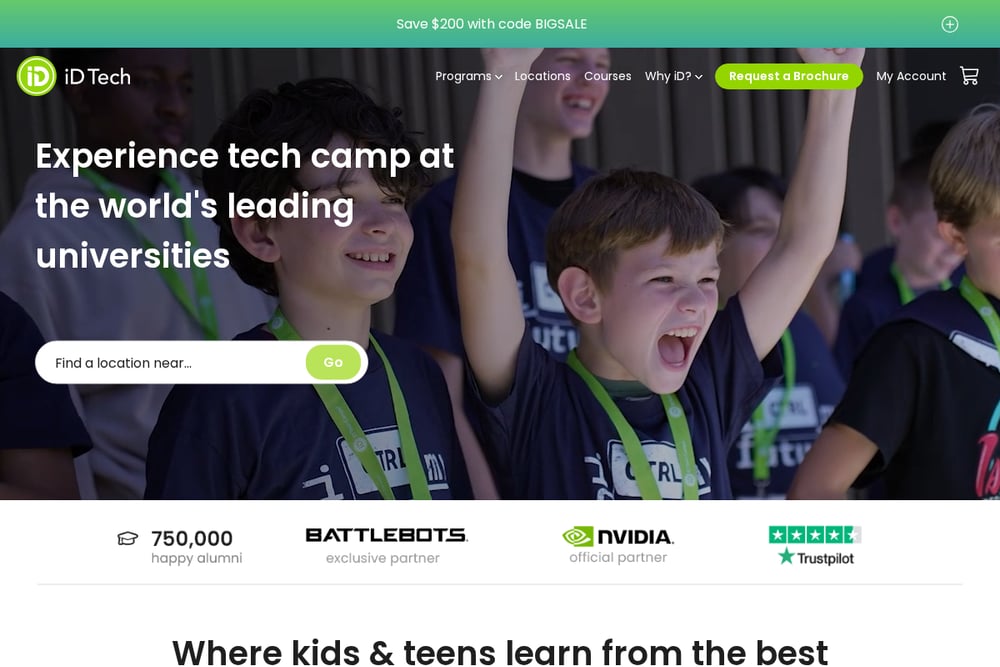 A screenshot of the iD Tech website.
iD Tech has been running youth STEM camps since 1999 and claims 750,000 alumni, which makes it the most established name on this list. Its Roblox track spans ages 7 to 17, from a Story & Game Design camp for younger kids up to developer courses focused on Lua coding and world-building. You can choose on-campus tech camps or virtual sessions, plus private lessons for flexible pacing. The structure is polished and predictable, which suits families who want a known quantity. The trade-off is that you are buying a curriculum, not a studio experience.
#2 TeamTBM - Games, community and creative opportunities
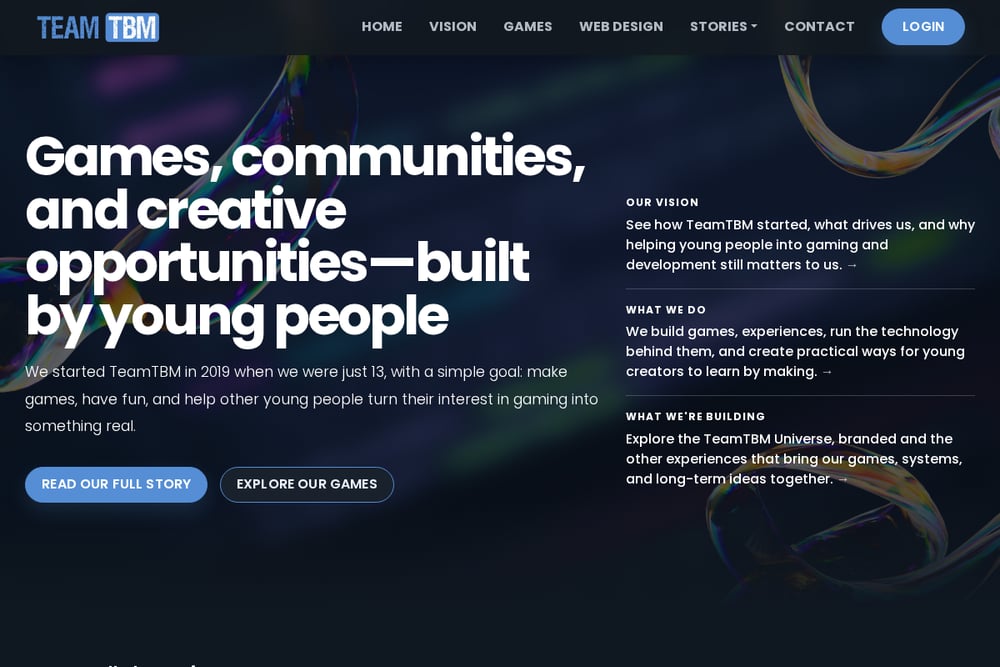 A screenshot of the TeamTBM website.
TeamTBM is the outlier here: an indie studio founded in 2019 by two teenagers who were 13 at the time, Tyler Mortimer-Wise and Ben McCormick. Rather than selling courses, they build real Roblox experiences like MovieWorld, a virtual theme park constructed from scratch, and run programs such as the Digital Skills Club and DigiFest. Their model is learning by making, with young creators contributing to actual projects alongside web design, infrastructure, and theatrical production work. They also partner with platforms like Softr and creative partners such as Two-Way. If you want your kid near people who are actively shipping games rather than teaching from a slide deck, this is a different kind of route.
#3 Create & Learn
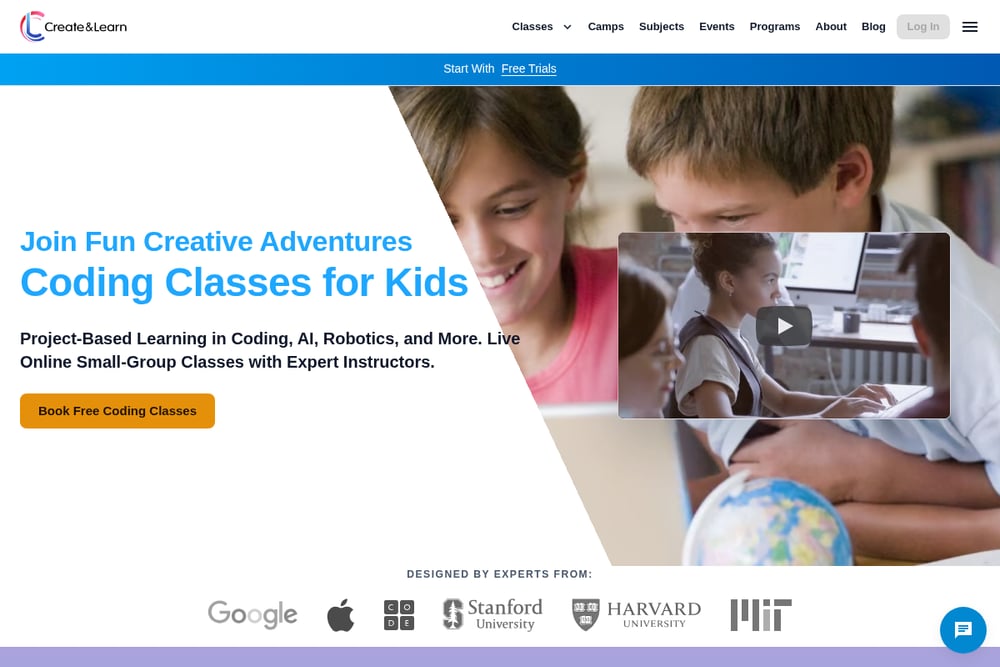 A screenshot of the Create & Learn website.
Create & Learn runs live online Roblox camps in small groups of three to five students, which keeps instruction personal. Camps run four days a week and are split into beginner, intermediate, and advanced levels, so kids start where they actually are. There is a free intro class that doubles as a setup session for Roblox Studio, which lowers the barrier for families testing the waters. Courses cover Lua coding in Roblox Studio and advanced game making with different themes. It is a good fit if you want live teaching without driving to a campus.
#4 Wize Computing Academy
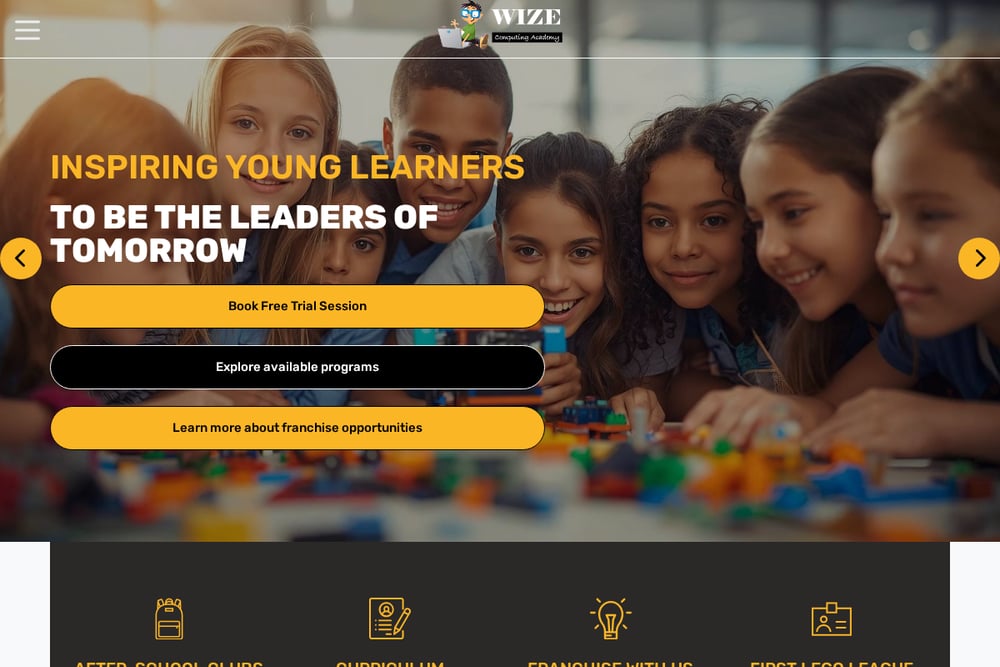 A screenshot of the Wize Computing Academy website.
Wize Computing Academy folds Roblox game design into a broader STEAM pathway that includes Python, AI, 3D modeling, drones, and entrepreneurship. That breadth is useful if your child is still exploring and you want a provider that can grow with them. The academy operates through locations across the US and Canada plus India and UAE, and also offers programs for schools, Scouts groups, and hackathons. Roblox sits as one module in a larger curriculum rather than the whole show. Choose it if you value a long runway over a single deep dive.
#5 Skillshoper
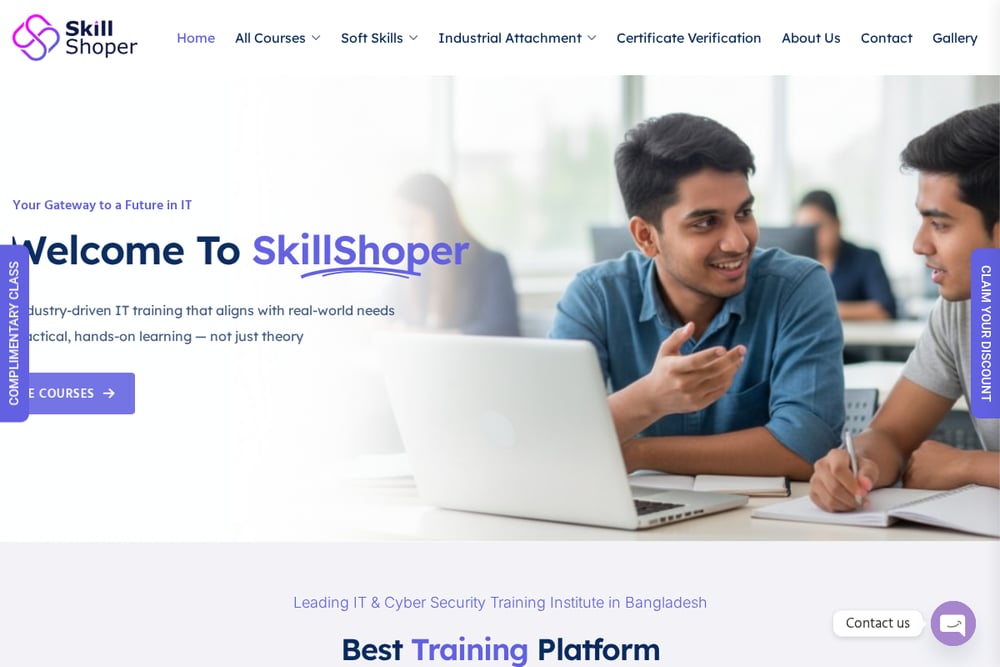 A screenshot of the Skillshoper website.
Skillshoper offers a focused Roblox Game Development for Kids course aimed at ages 8 to 15, built around Roblox Studio and Lua scripting. The outline is concrete: students design 3D environments, learn game logic, build interactive elements like coins, doors, and checkpoints, then publish their games. It requires only a computer, a free Roblox account, and an internet connection. The scope is narrower than the camp networks, which makes it a straightforward entry point. It suits families who want one clear course rather than a multi-year program.
How to pick the right fit
Start with your child's goal. If they want to publish games and be around working creators, a studio-led program like TeamTBM offers something camps cannot replicate. If they need structure and a certificate-style experience, an established camp network delivers consistency. Consider format too: live small-group online classes suit busy schedules, while in-person locations add social interaction. Check what learners actually produce, whether that is a published game, a portfolio piece, or just completed modules. Finally, confirm the age range and prerequisites so your kid is not placed in a group that is too basic or too advanced.
Where automation fits
You do not need automation to enroll a kid in a camp, but it helps after they start. Set up a shared folder for project files and screenshots so progress is easy to track. Use a simple calendar reminder for weekly build sessions and a checklist for publishing steps like testing, thumbnails, and descriptions. If your child joins a studio-style program, a lightweight project board can track contributions across game worlds and web work. Keep a running log of what they built each month; it becomes a portfolio outline later.
The bottom line
There is no single right path into game development for young people. iD Tech gives you scale and structure, Create & Learn gives you small live classes, Wize offers a long STEAM runway, and Skillshoper keeps it simple with one focused course. TeamTBM stands apart because the teaching comes from teenagers who built a studio and shipped real Roblox experiences. Match the program to your child's temperament, and the skills will follow.