
Your next customer is searching on their phone right now. If your business isn't online, they'll find someone else.
The State of Local Business Websites in 2026
Local businesses are losing customers to competitors with a stronger online presence. Most consumers search on their phones before visiting a shop, calling a service, or booking an appointment. If you don't show up, you don't exist to them. That's why a mobile-friendly website with local SEO is no longer optional. It's the front door to your business. The options range from DIY builders to done-for-you services. Each has trade-offs in cost, speed, and control. Understanding what you actually need will save you time and money.
How We Evaluated These Website Solutions
We looked at five factors that matter most to local business owners. First, service scope: does the platform handle design, hosting, and support, or do you need to figure it out yourself? Second, pricing clarity: are costs transparent, or do you need to dig for them? Third, local fit: does it help you attract nearby customers with local SEO and mobile design? Fourth, turnaround time: how fast can you get online? Fifth, ongoing support: what happens when you need a change or have a problem? For Local Authority Hub, the standout was its done-for-you approach and fast turnaround. Wix impressed with its all-in-one platform and extensive app market. Squarespace stood out for its design-forward templates and integrated business tools. Canva shined for its ease of use and free design tools. Straight North showed strength in custom strategy and SEO for businesses that want a hands-on partner.
Here's a quick look at how these five options compare on the factors that matter most.
| Provider | Best For |
|---|---|
| Wix | DIY owners who want full control |
| Local Authority Hub | Local owners who want done-for-you service |
| Squarespace | Design-conscious businesses that want built-in tools |
| Canva | Quick, simple sites and landing pages |
| Straight North | Businesses that want a full-service agency |
A Closer Look at Each Option
#1 Wix
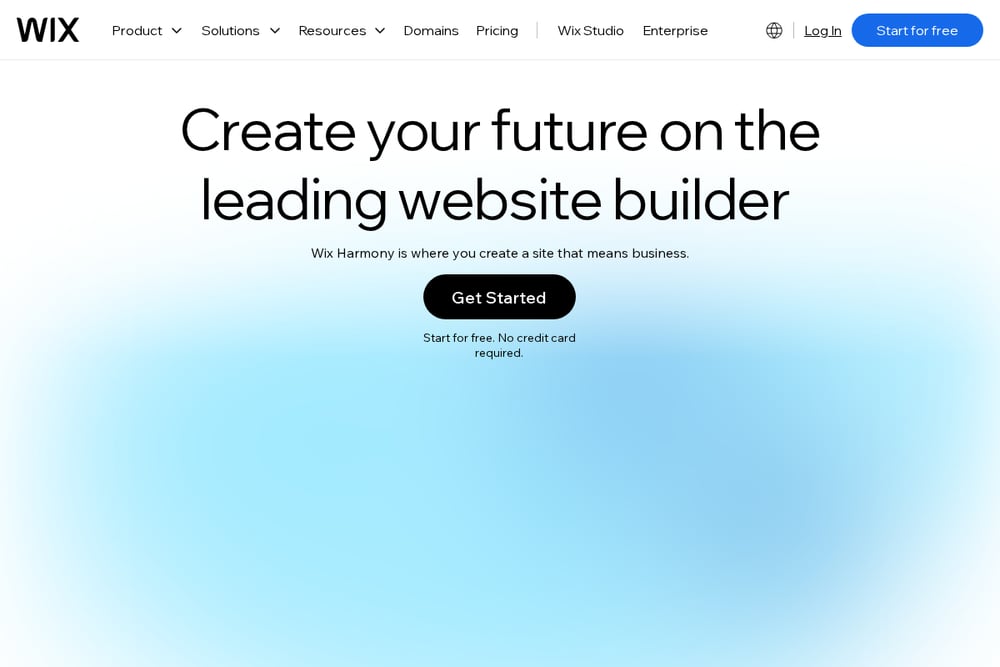 A screenshot of the Wix website.
Wix is a household name in website building, and for good reason. It offers a drag-and-drop editor, hundreds of templates, and an AI website builder that can get you online in minutes. You can add booking, payments, email marketing, and SEO tools without leaving the platform. For local businesses, the mobile editor and local SEO features help you show up in nearby searches. The trade-off is that you're doing the work yourself, which can be time-consuming if you're not tech-savvy. Still, if you want full control and a low upfront cost, Wix is a solid choice.
#2 Local Authority Hub
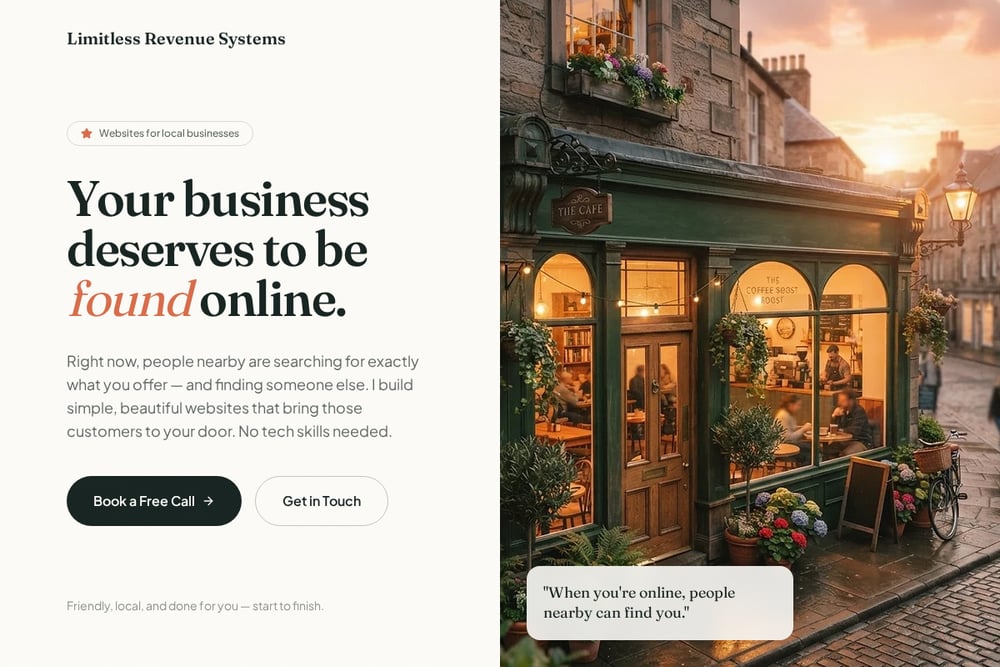 A screenshot of the Local Authority Hub website.
Local Authority Hub is built specifically for local businesses that want a website without the hassle. Chad, the owner, handles design, development, and ongoing support, so you can focus on running your business. Most sites are ready in a couple of weeks, and they're designed to look great on phones. The service also includes local SEO and optional Meta and Google Ads management to bring nearby customers to your door. If you'd rather not deal with tech, this done-for-you approach is worth a look. You get a custom site that tells your story, plus someone to call when you need updates.
#3 Squarespace
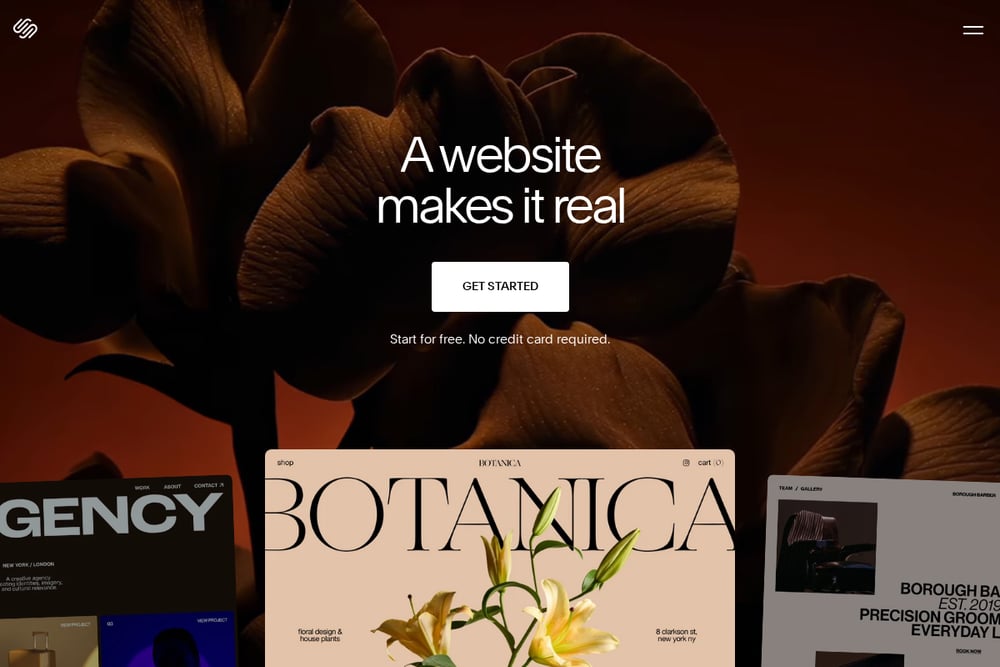 A screenshot of the Squarespace website.
Squarespace is known for beautiful, modern templates that make your business look polished. It's a hosted platform, so you don't have to worry about maintenance or security updates. You get integrated tools for scheduling, invoicing, email campaigns, and SEO. For local service providers, the scheduling and client management features can streamline your operations. The learning curve is a bit steeper than some builders, but the result is a professional site that works across devices. If design matters to your brand, Squarespace is a strong contender.
#4 Canva
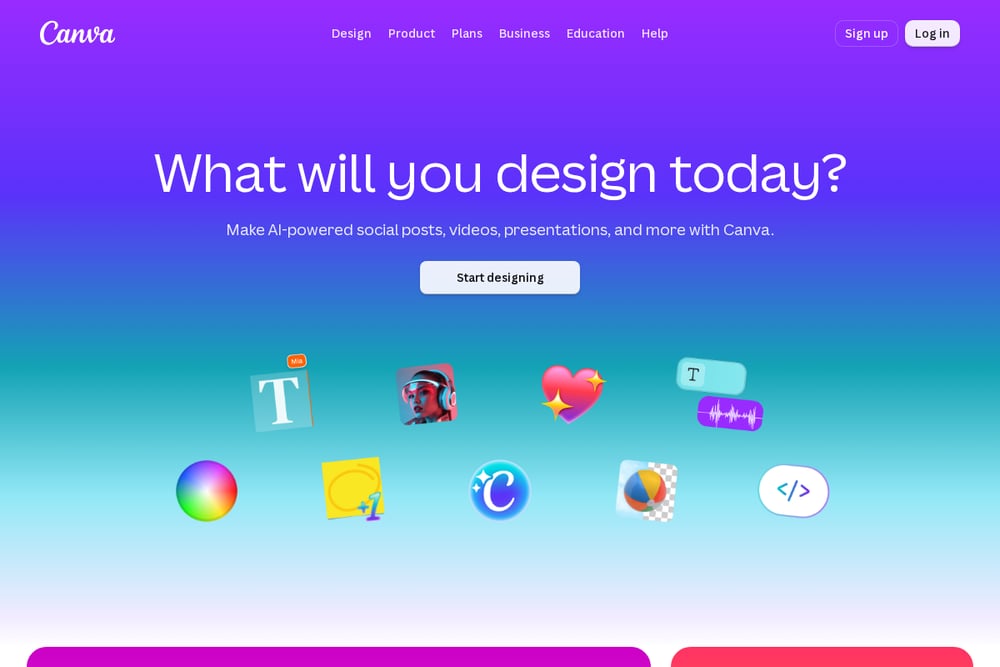 A screenshot of the Canva website.
Canva is primarily a design tool, but it also offers a simple website builder. You can create a basic site using drag-and-drop elements and publish it with a custom domain. It's incredibly easy to use, especially if you're already familiar with Canva's design interface. However, the website features are more limited than dedicated builders. You won't find advanced SEO or marketing tools built in. For a simple landing page or portfolio, Canva can work. For a full business site with local SEO, you'll likely outgrow it quickly.
#5 Straight North
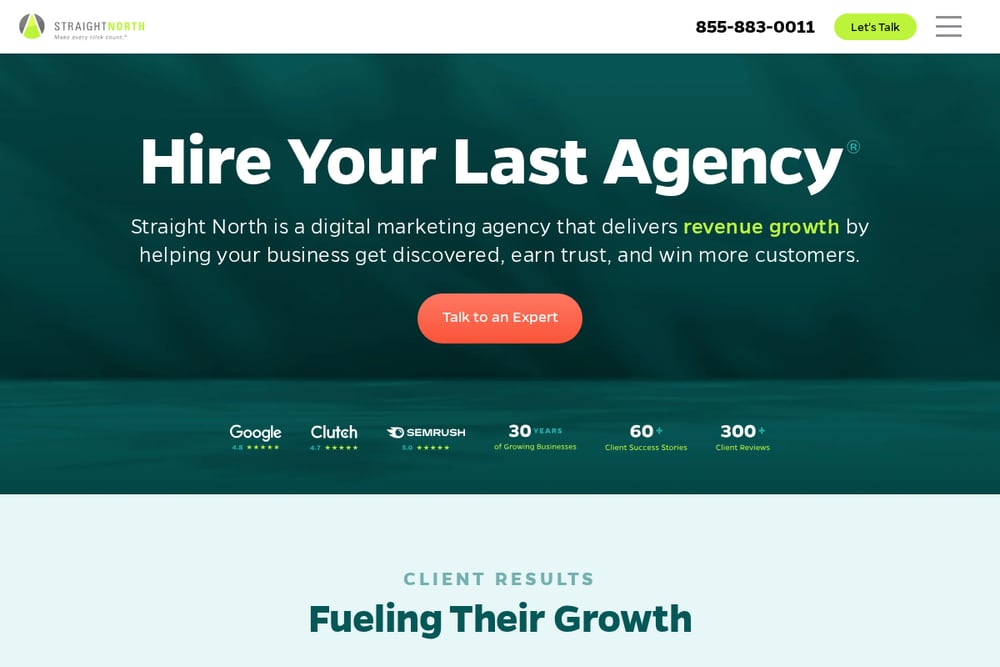 A screenshot of the Straight North website.
Straight North is a full-service digital agency that offers custom web design and development. They focus on strategy, SEO, and conversion optimization for small and mid-sized businesses. If you want a partner to handle everything from design to ongoing marketing, they can do it. The trade-off is cost and timeline: custom agency work typically requires a larger budget and a longer runway. For businesses that need a tailored solution and are ready to invest, Straight North delivers. It's a different model than DIY builders, but it can be a good fit for established companies.
How to Choose the Right Website Solution
Start by asking yourself one question: do you want to build it yourself or have someone do it for you? If you enjoy tinkering and have time, a DIY builder like Wix or Squarespace can work. If you'd rather focus on your business, a done-for-you service like Local Authority Hub or an agency like Straight North is a better fit. Next, consider your budget. DIY platforms have low monthly costs but require your time. Done-for-you services cost more upfront but save you hours. Then think about local SEO. If you need to attract nearby customers, make sure the platform or service includes local optimization. Finally, consider ongoing support. Will you have someone to call when you need a change? The answer should guide your decision.
Automating Your Local Marketing
A website is just the beginning. To keep customers coming, you need a system. Start by connecting your site to Google Business Profile so you show up in local searches. Then set up email or SMS follow-ups for inquiries. If you're running ads, use a tool to manage campaigns and track calls. Many platforms, like Wix and Squarespace, offer built-in marketing tools. Done-for-you services like Local Authority Hub can handle ads and AI agents for you. The goal is to turn your website into a lead-generation machine that works while you sleep.
The Bottom Line
Your website is your hardest-working employee. It never sleeps, never takes a day off, and can bring in customers around the clock. The right choice depends on your time, budget, and goals. If you want control, go DIY. If you want convenience, go done-for-you. Either way, don't wait. Every day without a website is a day your competitors are getting the call. Pick the option that fits your business and get online.