
Your website is either your hardest-working salesperson or your biggest missed opportunity. These five agencies understand what it takes to turn local searches into booked jobs.
Why Local Service Businesses Need a Different Kind of Website
Local service businesses live and die by the phone call. When someone searches for a plumber, electrician, or HVAC contractor, they are not browsing. They are comparing a handful of options and making a fast decision. Your website has to answer three questions immediately: What do you do? Where do you work? How do I contact you? If any of those answers are buried, slow to load, or hard to read on a phone, that customer moves on to the next result. The agencies in this roundup specialize in building sites that respect how local customers actually buy. They prioritize mobile-first design, clear calls to action, service-area pages, and trust signals like licenses and reviews. They also understand that SEO readiness is not optional. A beautiful site that nobody finds is a hobby, not a business tool. The right partner will structure your site around search intent, make it easy to update, and keep performance tight so visitors do not bounce. Whether you run a one-truck plumbing operation or a multi-crew roofing company, the fundamentals are the same: fast load times, clean code, and a path to contact that never gets lost.
How We Evaluated These Agencies
We looked at five factors that matter most to local service businesses. First, service scope: does the agency focus on the trades, or is local service just one of many industries? Second, pricing clarity: can you find a starting point or package structure without a sales call? Third, local fit: do they build service-area pages, location-specific content, and trust sections that speak to nearby customers? Fourth, conversion focus: is every page designed to drive a call, quote request, or booking? Fifth, technical foundation: mobile-first UX, fast load times, clean code, and SEO-ready structure. Shimworx stood out for its trade-specific focus and free website review offer. Miller Media 7 impressed with a strategy-first approach and clear process explanation. WebsiteForces showed strong alignment with service businesses that depend on calls and bookings. Digital Logic demonstrated deep local marketing integration across multiple trades. Design in DC brought a broad professional services perspective with structured discovery and content planning. Each agency has a distinct strength depending on your budget, timeline, and growth stage.
Here is a quick look at how these five agencies compare on the factors that matter most to local service businesses.
| Provider | Best For |
|---|---|
| Miller Media 7 | Service businesses that want a strategy-led partner with room to scale |
| Websites for Local Service Businesses | Free Website Review | Local trades that need a fast, mobile-first site built to generate calls |
| WebsiteForces | Contractors and repair services that live and die by inbound calls |
| Digital Logic | Service businesses that want web design tied directly to local marketing |
| Design in DC | Service businesses that want a consultative, discovery-led design process |
The 5 Agencies Worth Knowing
#1 Miller Media 7
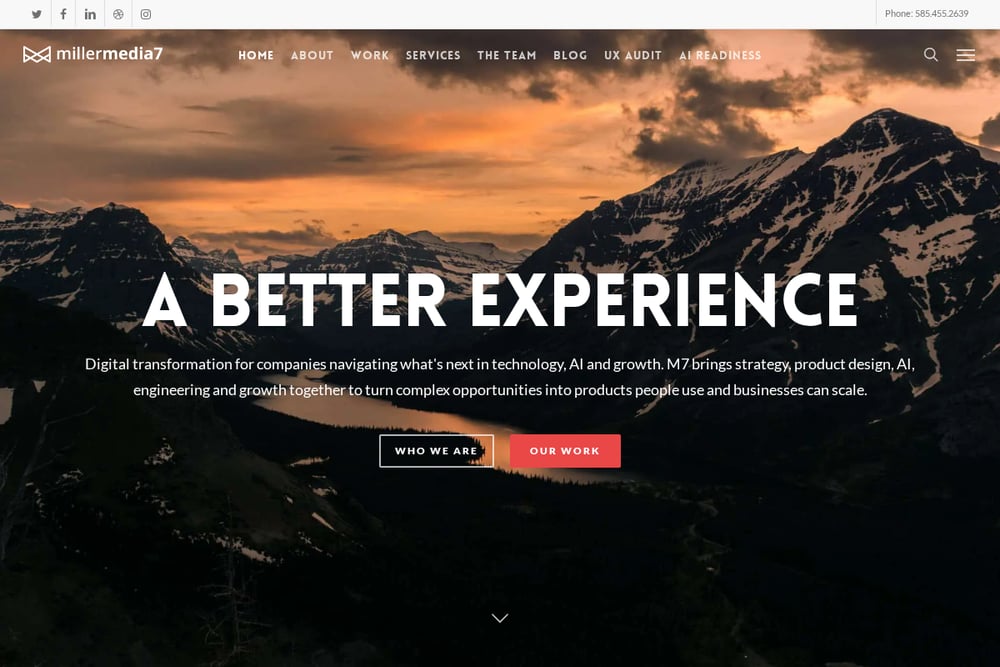 A screenshot of the Miller Media 7 website.
Miller Media 7 approaches web design as a growth engine, not a decoration. Their article on web design services for small businesses explains that strategy always comes first, blending user experience, SEO, and scalable development. They emphasize that your website is your storefront, sales tool, and first impression rolled into one. For local service businesses, that means a site built to turn visitors into loyal customers rather than just look pretty. They offer both custom and budget-friendly solutions, which gives you room to start where you are. Their process covers planning, design, development, and ongoing support, so you are not left maintaining a broken site six months later.
#2 Websites for Local Service Businesses | Free Website Review
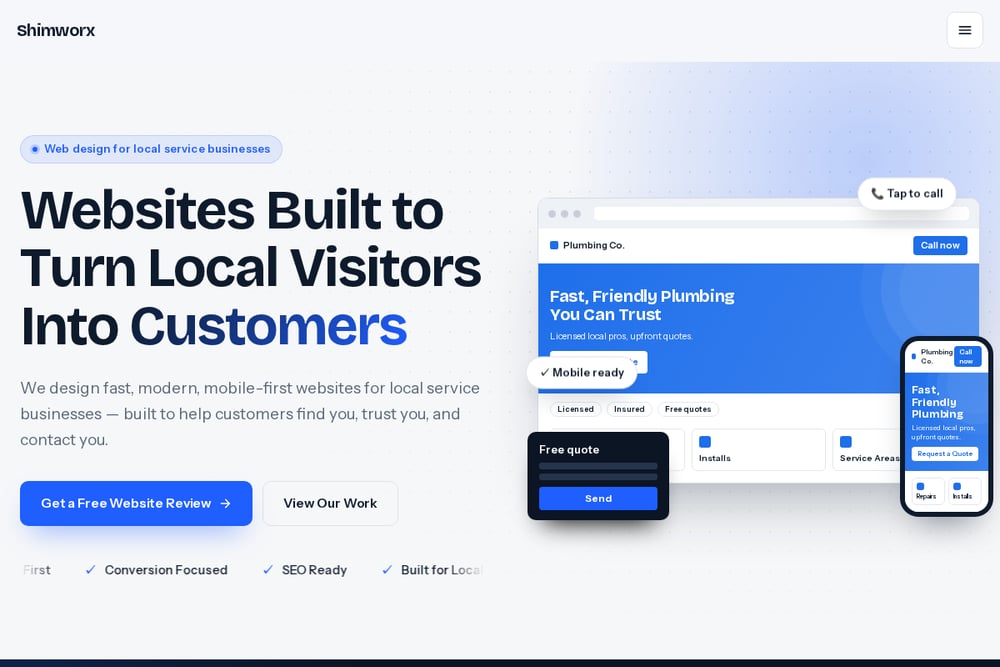 A screenshot of the Websites for Local Service Businesses | Free Website Review website.
Shimworx is built specifically for plumbers, HVAC contractors, garage door companies, electricians, roofers, and cleaning businesses. Their entire pitch is that your website should help customers find you, trust you, and contact you, and every design decision follows that path. They emphasize mobile-first UX, conversion-focused layouts, and SEO-ready structure with clean headings, metadata, and sitemaps. Service pages and service-area pages are standard, so customers can quickly see what you do and where you work. Trust sections for licenses, reviews, and guarantees are baked in, which matters when someone is deciding between you and the next result. They also offer a free website review, which is a low-risk way to see exactly what is holding your current site back.
#3 WebsiteForces
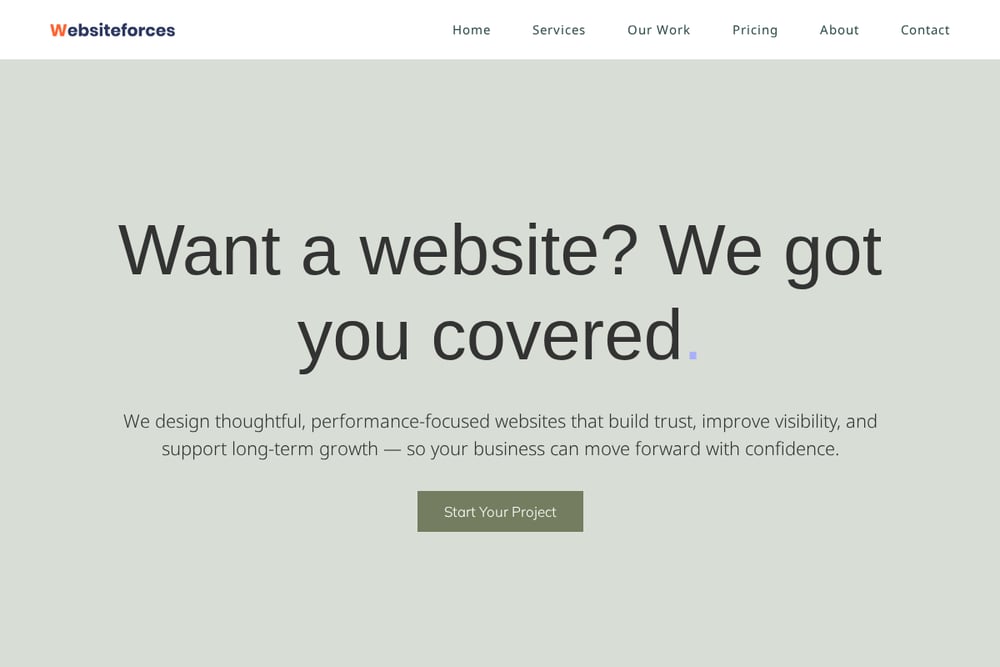 A screenshot of the WebsiteForces website.
WebsiteForces designs websites for service businesses that depend on calls, bookings, and local visibility. Their service business web design page speaks directly to plumbers, electricians, contractors, and repair services, noting that your website should support how your business gets inquiries. They call out the common traps: relying on directories, outdated design, poor mobile experiences, and no clear way to call or inquire. Their approach is structured around the behavior of service searches, which often carry strong intent and involve comparing several providers quickly. If you want a partner who understands that your website is a lead-generation tool first, this is a strong fit.
#4 Digital Logic
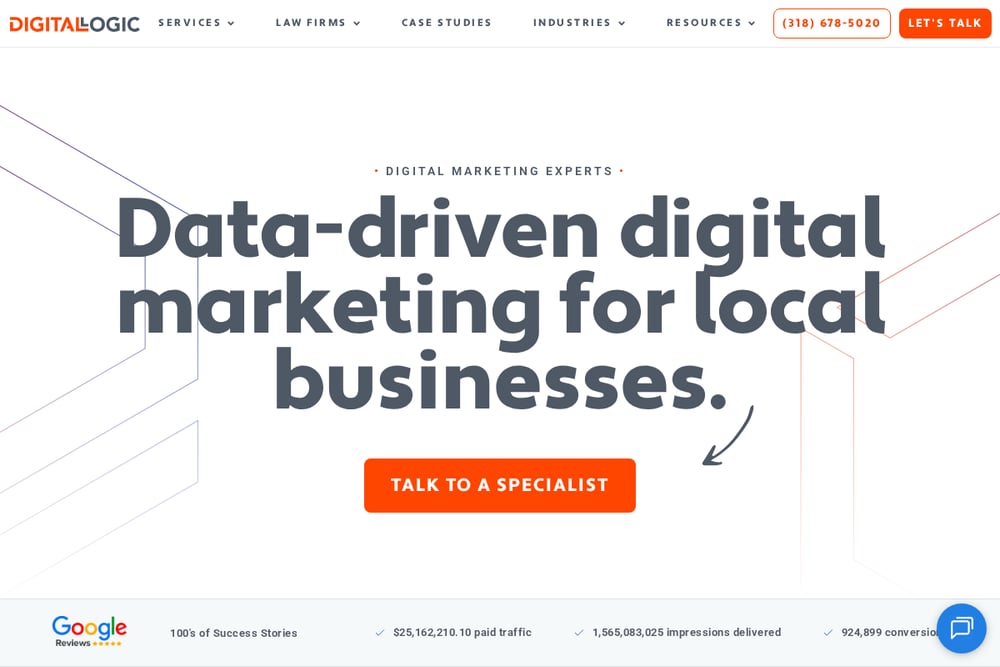 A screenshot of the Digital Logic website.
Digital Logic brings a local online marketing lens to web design, which means your site is built to be found and to convert. They offer web development alongside SEO, PPC, content marketing, and conversion rate optimization, so you can align your website with a broader lead-generation strategy. Their industry pages cover HVAC marketing, roofing marketing, plumbing marketing, and contractor marketing, showing real familiarity with the trades. If you want a partner who can handle your site and your local search visibility in one place, this is worth a conversation. They are a good fit for service businesses ready to invest in a more integrated approach.
#5 Design in DC
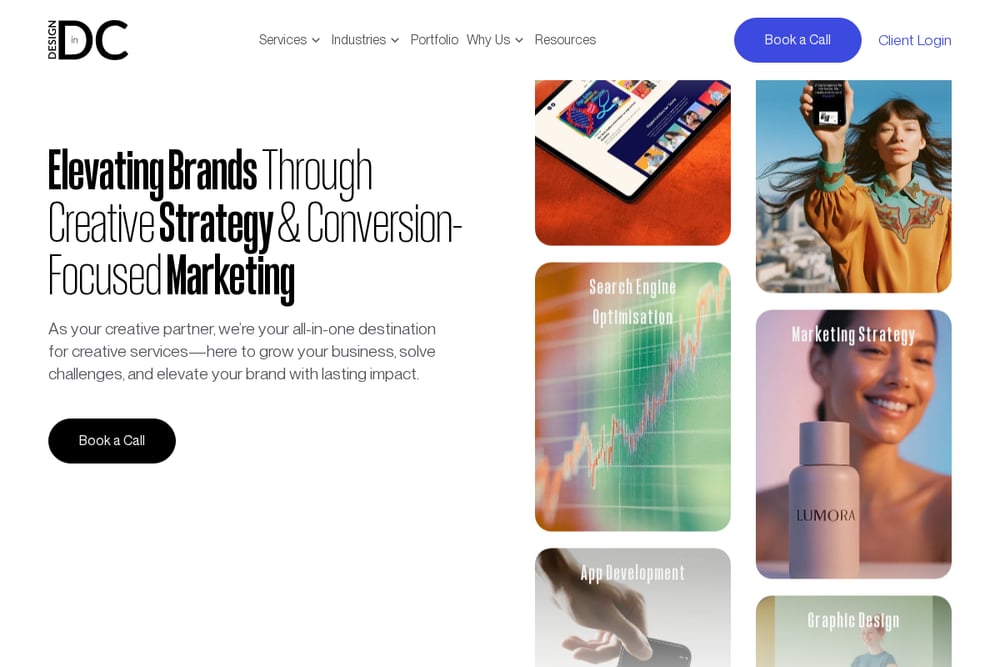 A screenshot of the Design in DC website.
Design in DC approaches web design for service-based businesses with a structured discovery process. Their guide on creating a website for a service-based business covers sitemaps, wireframes, content writing, and landing page design, which gives you a clear roadmap before a single pixel is placed. They serve professional services, consulting, and law among other industries, so they bring a broader perspective to trust-building and credibility. For local service businesses that want a more consultative, content-heavy approach, this can be a strong match. Their emphasis on discovery means fewer surprises and a site that actually reflects how you sell.
How to Choose the Right Partner for Your Local Service Business
Start by getting clear on what you actually need. If your phone is not ringing and your current site is slow or hard to use on a phone, prioritize mobile-first design and conversion-focused layouts. If you are invisible in local search, look for an agency that builds SEO-ready structure and service-area pages. If you want one partner to handle both your site and your marketing, consider an agency with integrated SEO and PPC services. Ask about pricing clarity. Some agencies publish starting points, others want a call first. Neither is wrong, but you should know what you are walking into. Ask for examples of sites they have built for businesses like yours. Look for fast load times, clear calls to action, and trust signals like licenses and reviews. Finally, ask how you will update the site after launch. You do not want to be stuck paying for every small change. The right partner will make your website a tool you can actually use to grow.
What a Conversion-Focused Workflow Looks Like
A local service website should follow a simple path. A visitor lands on a service page from a local search. The page immediately shows what you do, where you work, and how to contact you. A tap-to-call button is always within reach. Trust signals like licenses, reviews, and guarantees sit near the call to action. If the visitor is not ready to call, a quote request form captures their information. Service-area pages confirm you cover their location. Fast load times keep them from bouncing. Clean headings and metadata help search engines understand your site. Every page has one job: move the visitor closer to contacting you. When that workflow is in place, your website stops being a brochure and starts being a lead source.
The Bottom Line
Your website is not a one-time project. It is a working asset that should get better as your business grows. The five agencies here each bring something different to the table. Miller Media 7 leads with strategy and scalability. Shimworx focuses tightly on local trades and conversion. WebsiteForces understands the call-driven nature of service businesses. Digital Logic connects your site to broader local marketing. Design in DC brings a structured, consultative process. Pick the partner that matches your stage, your budget, and your appetite for hands-on involvement. Then hold them accountable to the metrics that matter: calls, quote requests, and booked jobs. That is how you turn a website into a growth engine.