Finding a research lab as an undergrad shouldn't feel like a scavenger hunt. These five platforms are changing how you discover, match with, and reach out to research opportunities on campus.
The Undergraduate Research Discovery Landscape
Undergraduate research is one of the highest-impact experiences you can have in college. It builds skills, opens doors to graduate school, and gives you real-world problem-solving experience. But the discovery process has historically been fragmented. Students rely on word of mouth, cold emails, and scattered department pages. Universities have responded with centralized databases and matching systems. Some are institution-specific portals. Others are broader databases that aggregate opportunities across disciplines. The common thread is a push toward transparency and access. Platforms now let you filter by field, save listings, and sometimes apply with a single profile. The space is evolving fast, and the five platforms below represent different approaches to the same goal: getting you into a lab that fits.
How We Evaluated These Platforms
We looked at five factors across every platform. First, scope: does it cover one campus or many, and how broad is the opportunity set? Second, matching: does it actively connect you to labs based on your interests, or do you have to search manually? Third, outreach: how easy is it to contact faculty or apply to a posted position? Fourth, access: is it free, and are there gatekeeping requirements like specific email domains or student IDs? Fifth, faculty experience: does the platform make it easy for labs to post, claim, or update listings? Each platform below stood out in different ways. Labvoya, for example, emphasizes one-click outreach and a single reusable profile. UNM Research Match focuses on interest-based matching within one institution. UCR's uResearch Portal is a one-stop shop for faculty-mentored research across all disciplines. UW's database is gated by NetID but rich in campus and Seattle-area opportunities. Penn State's database encourages multiple searches and campus selection. None of these is universally superior; the right fit depends on your campus and your workflow.
Here's a quick side-by-side look at how these five platforms compare on the factors that matter most to students and faculty.
| Provider | Best For |
|---|---|
| UNM Research Match | UNM students who want interest-based matching |
| Labvoya - Research Starts Here. Find undergraduate research labs and positions | UF students who want one-click outreach and a reusable profile |
| UCR uResearch Portal | UCR students seeking a centralized research portal |
| UW Research Opportunities Database | UW students exploring campus and Seattle-area research |
| Penn State Undergraduate Research Opportunities Database | Penn State students searching across campuses and fields |
The Five Platforms in Detail
#1 UNM Research Match
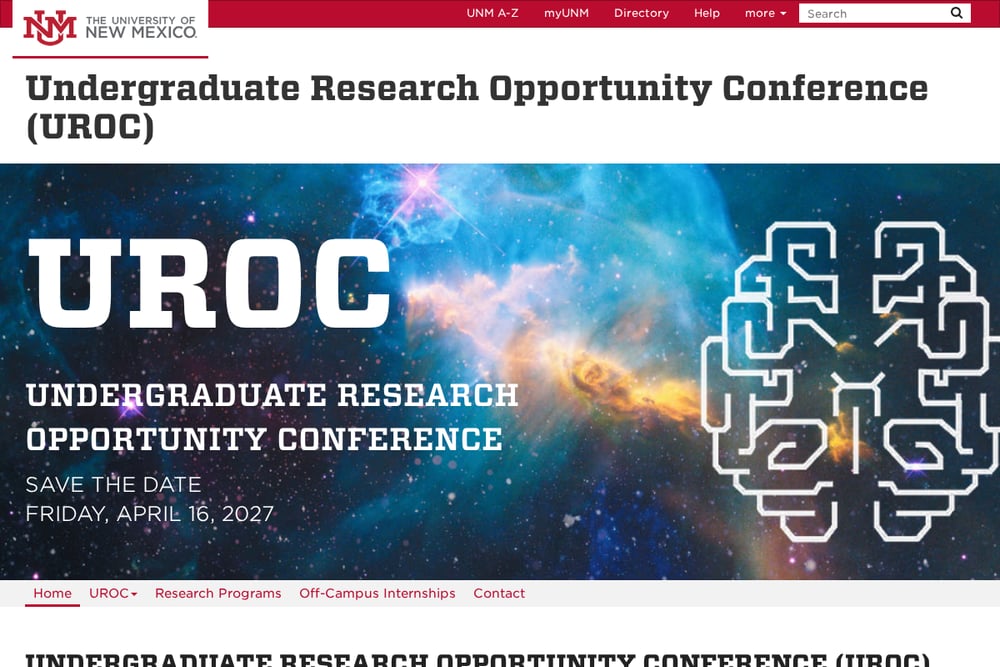 A screenshot of the UNM Research Match website.
UNM Research Match is a database designed to connect students looking for research opportunities with faculty seeking assistance on projects. You create a profile, and the system matches your research interests to available opportunities. When a match is found, you get an email notification, and either you or the researcher can initiate contact. It's a structured, interest-driven approach that removes the guesswork from cold outreach. The platform is specific to the University of New Mexico, so it's a strong fit if you're a Lobo. You can learn more about the matching process on the UNM Research Match page.
#2 Labvoya - Research Starts Here. Find undergraduate research labs and positions
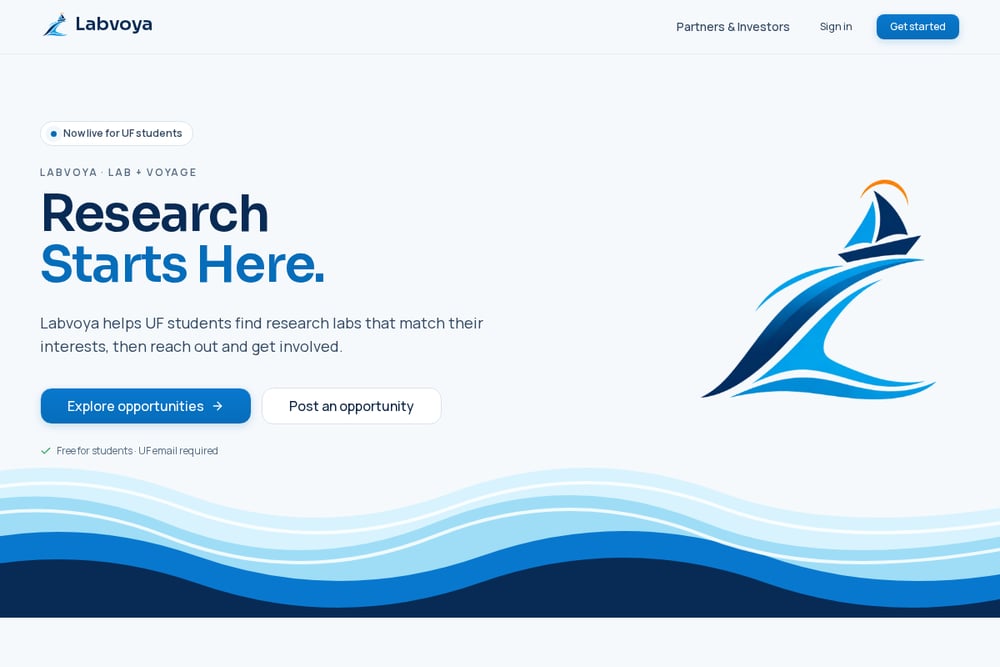 A screenshot of the Labvoya website.
Labvoya is a free platform built for University of Florida students who want to find and join undergraduate research labs. You build a profile once with your major, skills, and experience, and the platform matches you to labs that fit your interests. You can search by field, take a "Find your fit" quiz, save labs you like, and reach out in your own words. Where a lab has posted a position, you can apply with one click using your profile. Faculty don't have to do anything to be listed; they can claim their lab to update details or post a position, and applications arrive by email with one-click replies. Every account requires a @ufl.edu email, so the community is verified and campus-only. Browsing and applying are always free for students. You can explore the platform at Labvoya.
#3 UCR uResearch Portal
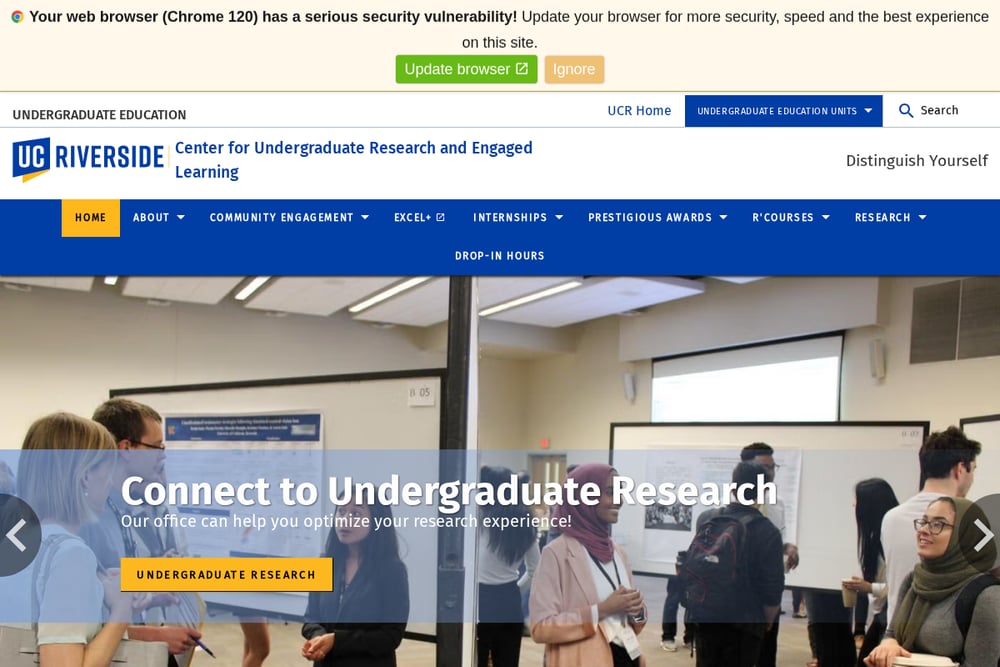 A screenshot of the UCR uResearch Portal website.
The uResearch Portal at UC Riverside is a one-stop shop for students seeking faculty-mentored research, scholarship, and creative activities. It covers all disciplines and lets you find opportunities that offer course credit, pay, or volunteer experience. Faculty can use the portal to advertise, track, manage applications, and select students for research roles. The portal is part of UCR's Center for Undergraduate Research and Engaged Learning, which also offers resources like drop-in hours and a research journal. If you're at UCR, this is the central hub for getting started. You can access the portal through the UCR Center for Undergraduate Research and Engaged Learning.
#4 UW Research Opportunities Database
 A screenshot of the UW Research Opportunities Database website.
The University of Washington maintains a database of research opportunities on campus and in the surrounding Seattle area that are actively recruiting UW undergraduates. Access requires a UW NetID, and first-time users need to create an Expo account. New opportunities are added year-round, and mentors can post listings directly. The database is part of the Office of Undergraduate Research, which also offers workshops, advising, and funding resources. It's a robust tool if you're a Husky looking for paid, volunteer, or credit-bearing research roles. You can find the database through the UW Office of Undergraduate Research.
#5 Penn State Undergraduate Research Opportunities Database
Penn State's Undergraduate Research Opportunities Database helps students find research experiences across the university's campuses. You can select multiple research areas and campuses to broaden your search, and the platform recommends running multiple searches for the best results. It's part of the Undergraduate Research and Fellowships Mentoring office, which also provides advising, grants, and presentation opportunities. The database is a solid starting point if you're a Penn Stater who wants to explore research across different fields and locations. You can access it via the Penn State Undergraduate Research and Fellowships Mentoring site.
How to Choose the Right Platform for You
Start with your campus. If your school has a dedicated portal like UNM Research Match, UCR's uResearch Portal, UW's database, or Penn State's database, that's your first stop. These are tailored to your institution's faculty and opportunities. If you're at the University of Florida, Labvoya is built specifically for you, with a matching quiz and one-click outreach that saves you time. Next, think about your workflow. Do you want to be matched automatically, or do you prefer to browse and save labs manually? Labvoya and UNM Research Match lean toward matching; the others are more search-driven. Consider access requirements. Some platforms require a specific student ID or email domain, which is fine if you're on that campus but a barrier if you're not. Finally, check the faculty side. A platform that makes it easy for labs to post and update listings will have fresher opportunities. Labvoya lists labs automatically and lets faculty claim them, which reduces friction. The others rely on faculty to post proactively. Pick the platform that fits your campus and your comfort level with outreach.
The Bottom Line
These five platforms represent the best of what's available for undergraduate research discovery in the US. Each takes a different approach: UNM Research Match uses interest-based matching, Labvoya combines matching with one-click outreach and a reusable profile, UCR's uResearch Portal is a comprehensive faculty-mentored research hub, UW's database is rich with local opportunities, and Penn State's database encourages broad searches across campuses. Your best move is to start with the platform that serves your campus, build your profile, and reach out. The opportunities are there; these tools just make them easier to find.
Final Thoughts
Undergraduate research is a journey, not a destination. The right platform gets you started faster and with less friction. Whether you're at UF, UNM, UCR, UW, or Penn State, there's a tool designed to connect you with labs that fit. Use them, build your profile, and take the first step. Your research voyage starts now.