There is no single database for lost money in America. These five resources help you check the official places where it hides, without paying a finder or handing over your Social Security number.
The Unclaimed Money Landscape in the US
Billions of dollars sit in state unclaimed property offices, forgotten savings bonds, pensions, tax refunds, and life insurance policies nobody has claimed. The catch is that no one website holds it all. State treasurers run their own databases, federal agencies run others, and private search firms often charge a percentage of what they find. That is why the most useful resources are free directories and checklists that point you to the official source. The sector has also grown to cover product recalls, open class action settlements, and assistance programs, which are adjacent pots of money most people never think to check.
How We Evaluated These Resources
We looked at the same factors for every resource: scope of what it covers, clarity of pricing, how directly it links to official sources, privacy practices, and how easy it is for a first-time user to follow. Finding Claims stood out for its step-by-step checklists across multiple money categories and its no-SSN policy. NAUPA stood out as the authoritative hub that explains the rules and links to every state office. MissingMoney.com stood out as a multi-state search tool, though its Cloudflare block made it harder to evaluate live. USAGov stood out for plain-language federal guidance and a clear warning that no single database exists. TreasuryDirect stood out for savings bonds and Treasury-held assets, with a narrow but deep focus.
Here is a quick look at the five resources, what each does well, and who each one fits. Use this table to decide where to start, then read the deeper notes below.
| Provider | Best For |
|---|---|
| National Association of Unclaimed Property Administrators (NAUPA) | Understanding the official rules and finding your state's office |
| Finding Claims: find money that's really yours, free | A guided checklist across multiple money categories |
| MissingMoney.com | Searching several states at once |
| USAGov - How to find unclaimed money from the government | A neutral federal overview and state-by-state starting points |
| TreasuryDirect - Unclaimed Money and Assets | Savings bonds and Treasury-held assets |
The Five Resources in Detail
#1 National Association of Unclaimed Property Administrators (NAUPA)
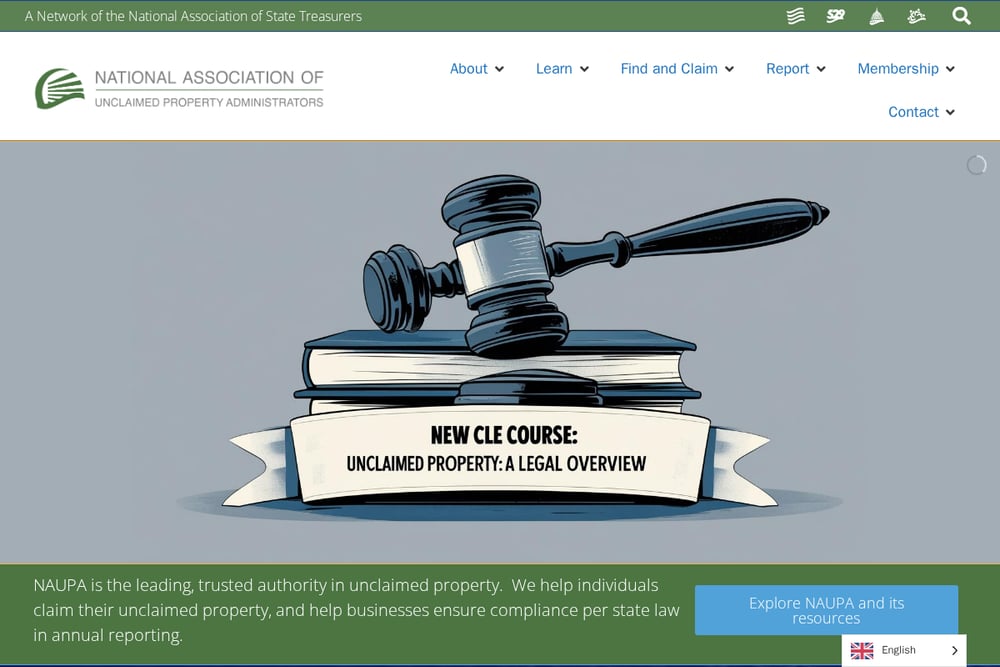 A screenshot of the National Association of Unclaimed Property Administrators (NAUPA) website.
NAUPA is the network of state unclaimed property offices, and its site is the closest thing to an official front door. You can learn what unclaimed property actually is, why searching is free, and how states return missing money. The site also explains the difference between claiming and reporting, which matters if you are a business holder. From there, you can jump to your state's official search or look beyond your state if you have lived in several places. If you want to understand the rules before you search, start here.
#2 Finding Claims: find money that's really yours, free
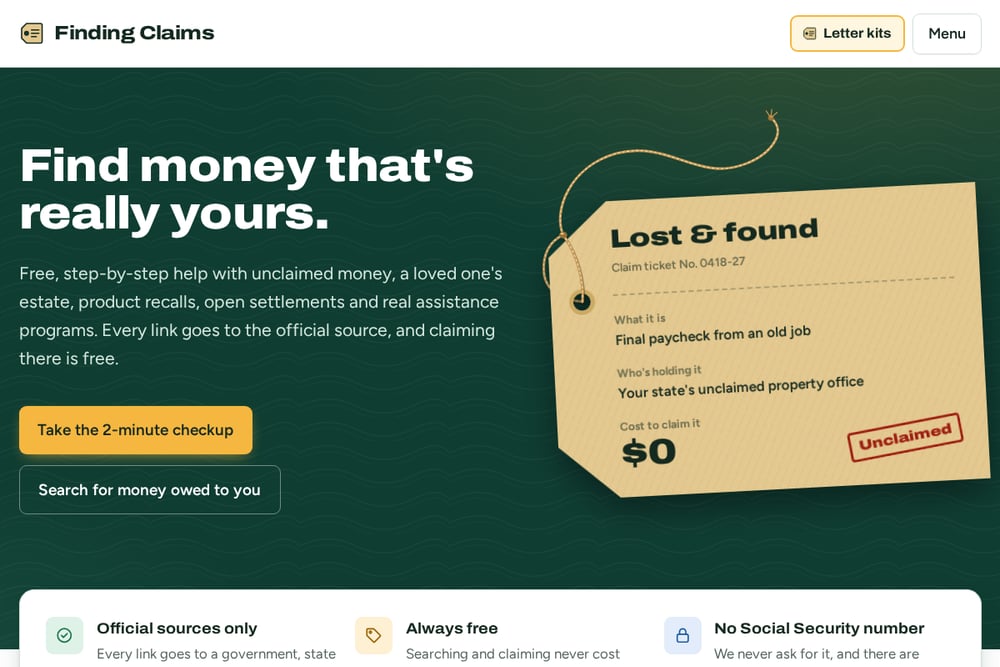 A screenshot of the Finding Claims: find money that's really yours, free website.
Finding Claims is a free, plain-English guide that walks you through the official places to check, step by step. It covers money owed to you, what to check when someone in the family dies, product recalls, open settlements, and real help programs like heating assistance and USDA home repair grants. Every link goes to a government, state, or court-approved source, and the site says it never asks for your Social Security number. You can take a two-minute checkup or use letter kits that write the claim letters for you. It is built for people who want a checklist, not another database.
#3 MissingMoney.com
 A screenshot of the MissingMoney.com website.
MissingMoney.com is a multi-state search tool that lets you check several state unclaimed property databases in one place. It is often the first stop for people who have moved around and want to avoid visiting each state office separately. The site is free to search, and it points you to the official claim process when you find a match. During our review, the site was behind a Cloudflare security block, so we could not evaluate the live search experience. Even so, it remains a well-known starting point for multi-state searches.
#4 USAGov - How to find unclaimed money from the government
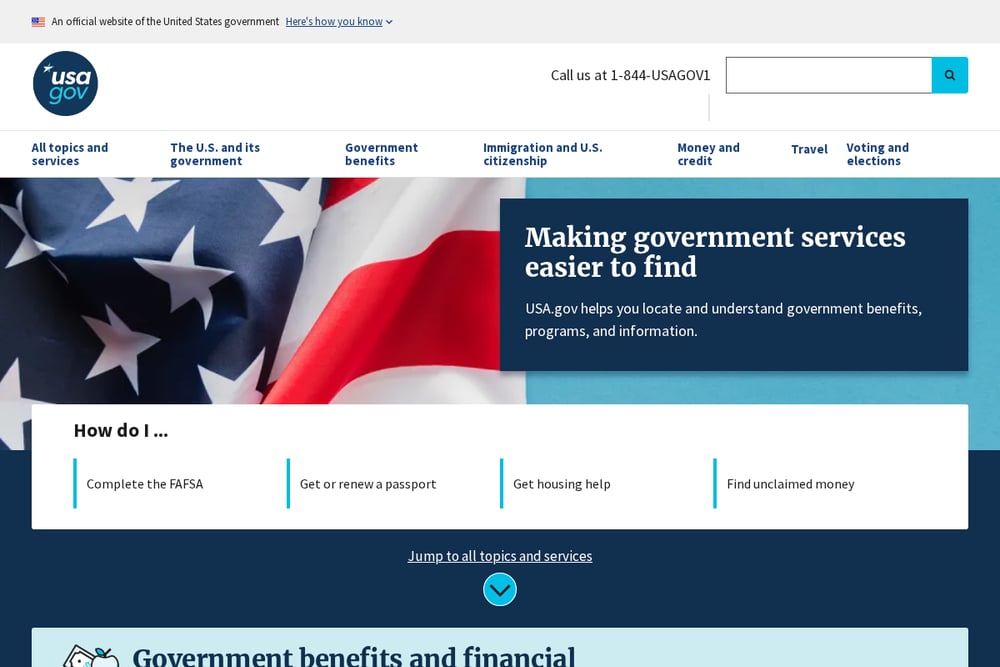 A screenshot of the USAGov - How to find unclaimed money from the government website.
USAGov is the federal government's plain-language guide to unclaimed money, and it is careful to tell you the truth: there is no single place to look. The page explains what unclaimed money is, how to search by state, and how to check other databases for things like savings bonds and tax refunds. It also notes that you may be able to claim money owed to a deceased relative if you are their legal heir. If you want a neutral overview before you start searching, this is a solid first read.
#5 TreasuryDirect - Unclaimed Money and Assets
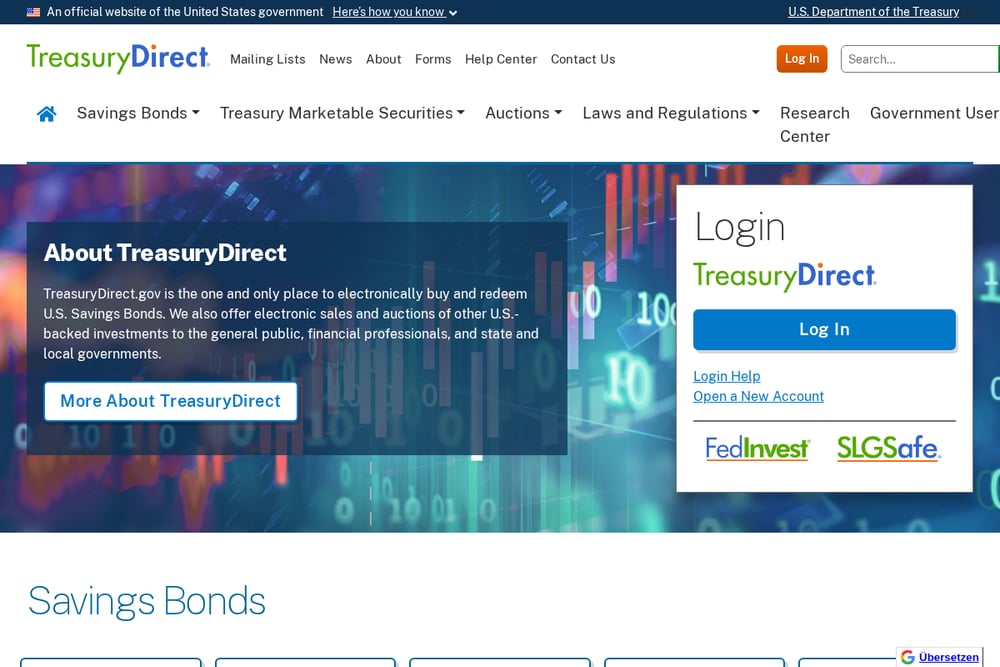 A screenshot of the TreasuryDirect - Unclaimed Money and Assets website.
TreasuryDirect is the U.S. Treasury's official site for savings bonds and Treasury-held assets, and its unclaimed money section explains what you need before you claim. You will learn what specific money, property, or asset you want to claim and the date it was owed, which helps you avoid dead ends. The site also covers Treasury Hunt for matured savings bonds that may no longer earn interest. It is narrower than the other resources, but it goes deep on the federal assets it covers. Use it when your lost money is a savings bond or another Treasury-held item.
How to Choose the Right Resource
Start with what you are looking for. If you suspect an old paycheck, deposit, or refund is sitting with a state, go to NAUPA to find your state office, then use MissingMoney.com if you have lived in several states. If a family member died and you are unsure what they left behind, use Finding Claims for its week-by-week checklist covering life insurance, survivor payments, and estate money. If you want a neutral overview first, read USAGov. If you are chasing a savings bond or a Treasury-held asset, go straight to TreasuryDirect. And no matter where you start, never pay a finder upfront and never give your Social Security number to a site that is not an official government office.
A Simple Weekly Workflow
Set aside twenty minutes once a week. Open Finding Claims and run the two-minute checkup to see which categories fit your situation. Pick one category, such as money owed to you, and work through the checklist links to the official state or federal source. Log what you searched, the date, and any claim numbers in a simple note. If you find a match, use the site's letter kit to draft the claim letter, then send it to the official office listed. Repeat for one new category each week until you have covered money owed to you, a deceased relative's estate, purchases and recalls, and help programs.
The Bottom Line
Lost money in America is spread across dozens of official databases, and no single site can find it all for you. The five resources above each cover a different slice: NAUPA for the rules and state offices, Finding Claims for guided checklists across multiple categories, MissingMoney.com for multi-state searches, USAGov for a neutral federal overview, and TreasuryDirect for savings bonds and Treasury assets. Use them together, stick to official sources, and keep your Social Security number to yourself. The money is free to claim, and so is the help.