
Your ads are only as good as the faces in them. If you sell skincare, wellness, or everyday lifestyle products, the right UGC partner can make your brand feel human again.
The State of UGC for Beauty and Wellness Brands
Shoppers have grown allergic to polished studio ads. They want to see real people using real products in real bathrooms, kitchens, and gym bags. That shift has turned user-generated content into a core line item for beauty, skincare, and wellness brands.
The category is try-before-you-buy by nature. First-person application videos, honest before-and-afters, and texture close-ups answer the questions buyers actually have. Platforms have responded by building creator marketplaces, escrow-protected deals, and niche talent networks.
You now have two paths. You can work with an individual creator who brings a specific voice and audience, or you can plug into a platform that gives you volume, vetting, and usage rights. Both work. The trick is knowing which one fits your budget, your timeline, and the audience you're trying to reach.
How We Evaluated These UGC Partners
We looked at the same factors for every partner on this list. First, service scope: can they handle planning, production, paid ads, and lifestyle shoots, or just one slice? Second, pricing clarity: do you know what you're paying before you commit?
Third, audience fit. Beauty and wellness demand relatable faces, and mature audiences are chronically underserved. We weighed how well each partner speaks to that. Fourth, workflow: briefs, revisions, usage rights, and delivery speed all matter when you're refreshing ads monthly.
Finally, local and niche fit. A Florida-based creator with real-life credibility reads differently than a global marketplace. Each partner below stood out on a different combination of these factors, and we noted what made each one distinct.
Here's a quick look at how these five partners compare across scope, audience focus, and engagement model. Use it to narrow your shortlist before you dig into the details.
| Provider | Best For |
|---|---|
| Twirl | Brands that want a vetted creator network plus strategy resources |
| Kitty Barton | Brands targeting mature audiences with authentic representation |
| Clip | Brands that want transparent per-video pricing at scale |
| Socialji | Beauty brands that want escrow-protected creator bookings |
| SideShift | In-house teams that need campaign management tooling |
The 5 UGC Partners in Detail
#1 Twirl
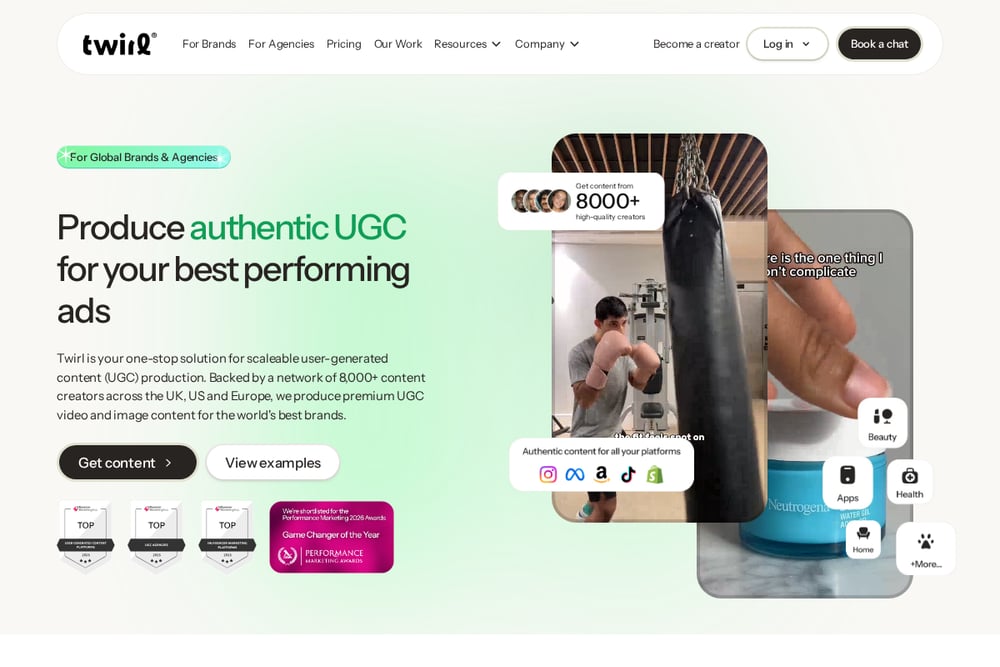 A screenshot of the Twirl website.
Twirl positions itself as the home of authentic content, and the pitch is backed by a full creator network built for beauty brands. You get access to vetted UGC talent, plus resources like a learning center, webinars, and downloadable guides such as an agency playbook and a 2026 content calendar. The platform also publishes customer stories showing how creator diversity brought multiple skincare personas to life. If you want a partner that pairs talent sourcing with strategy education, this is a strong starting point. Their beauty niche page lays out the whole model clearly.
#2 Kitty Barton
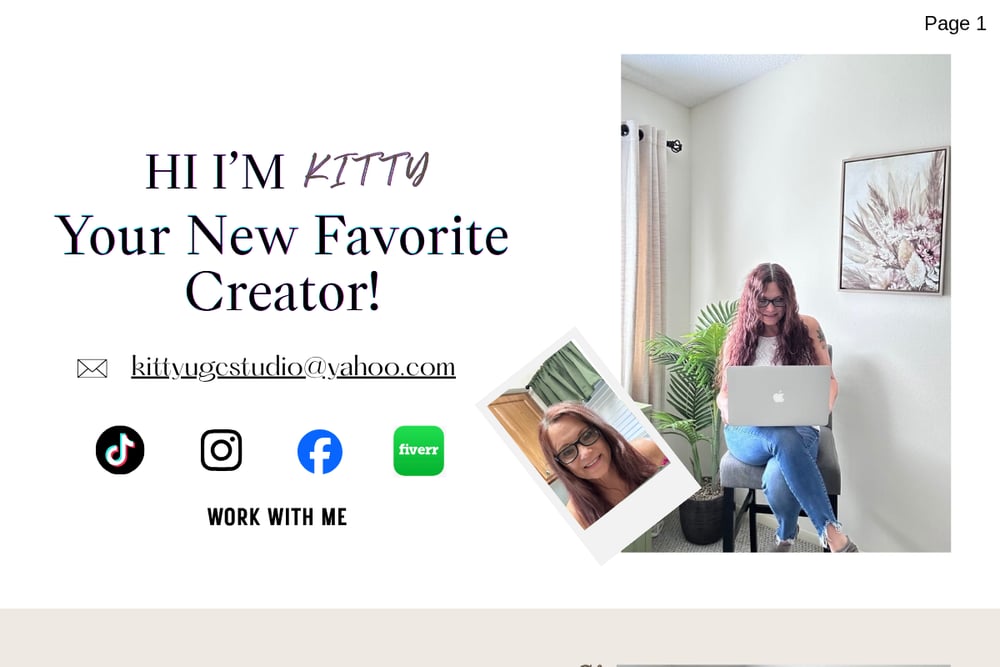 A screenshot of the Kitty Barton website.
Kitty Barton is a seasoned UGC creator based in Ormond Beach, Florida, and she brings something most networks can't manufacture: lived experience. At 65, she creates relatable, product-focused videos and photos for beauty, skincare, wellness, and everyday lifestyle products, with past work for names like Sports Research and Dr. Teal's. Her process runs from consultation and planning through production, covering organic videos, paid ads, scripted UGC, raw footage, unboxing, and product demos. She connects naturally with mature audiences who rarely see themselves represented in the products they buy. If authentic representation matters to your brand, she's worth a conversation.
#3 Clip
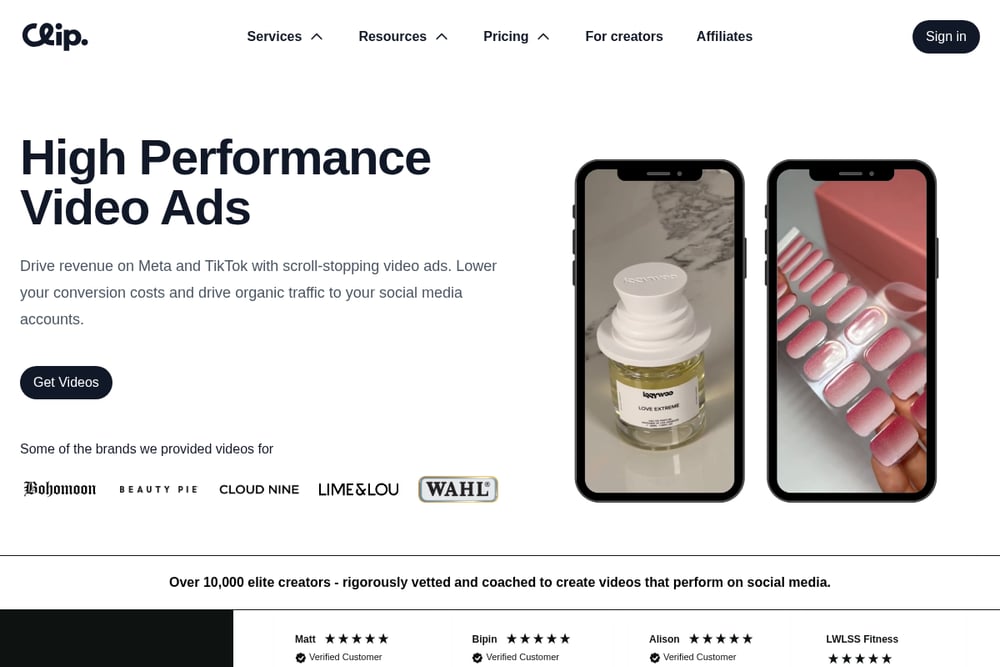 A screenshot of the Clip website.
Clip runs a best-in-class UGC platform with a dedicated health and wellness vertical, plus fashion, beauty, skincare, fitness, and more. You can source authentic video ads, testimonials, showcases, and reviews from vetted creators, then deploy them across social ads, TikTok, and e-commerce. Pricing is transparent: pay-as-you-go per video with licensing included, or credit packs that save up to 20 percent. There's also a bespoke end-to-end production option for bigger campaigns. It's a practical fit if you want volume and predictable costs.
#4 Socialji
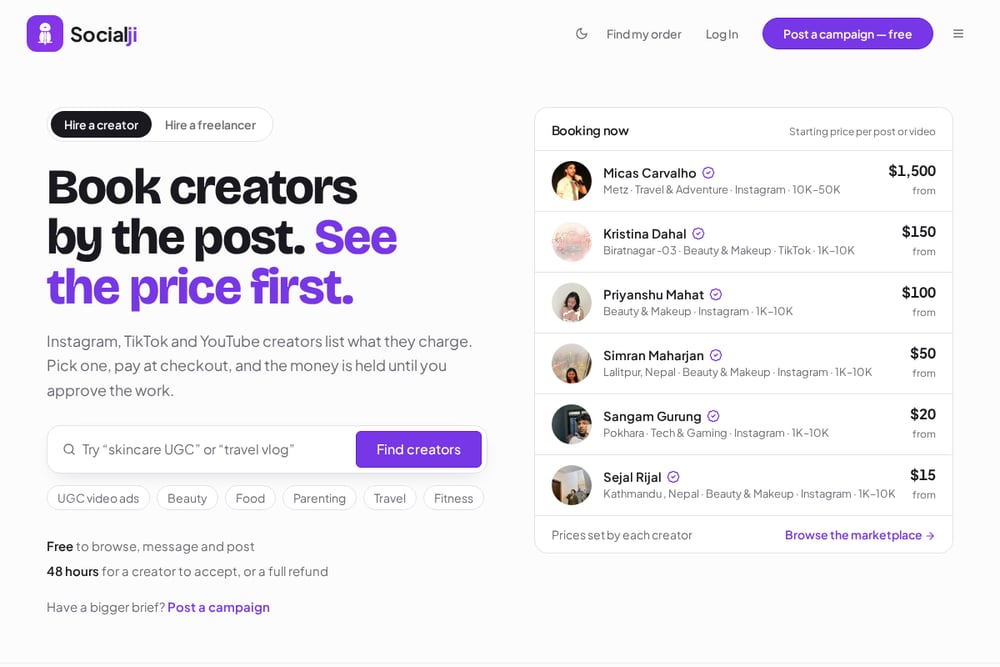 A screenshot of the Socialji website.
Socialji focuses squarely on beauty and makeup UGC, with a marketplace of live creator profiles taking bookings right now. You browse real creators, view their work, agree a price, and pay through escrow protection so funds only release when you approve the content. The platform is built around the formats beauty shoppers trust: application and swatch videos, routines and get-ready-with-me sequences, and honest reviews. Usage rights are included with the right terms, so you can run the content as ads or post it yourself. It's a clean, low-risk way to test multiple hooks and angles.
#5 SideShift
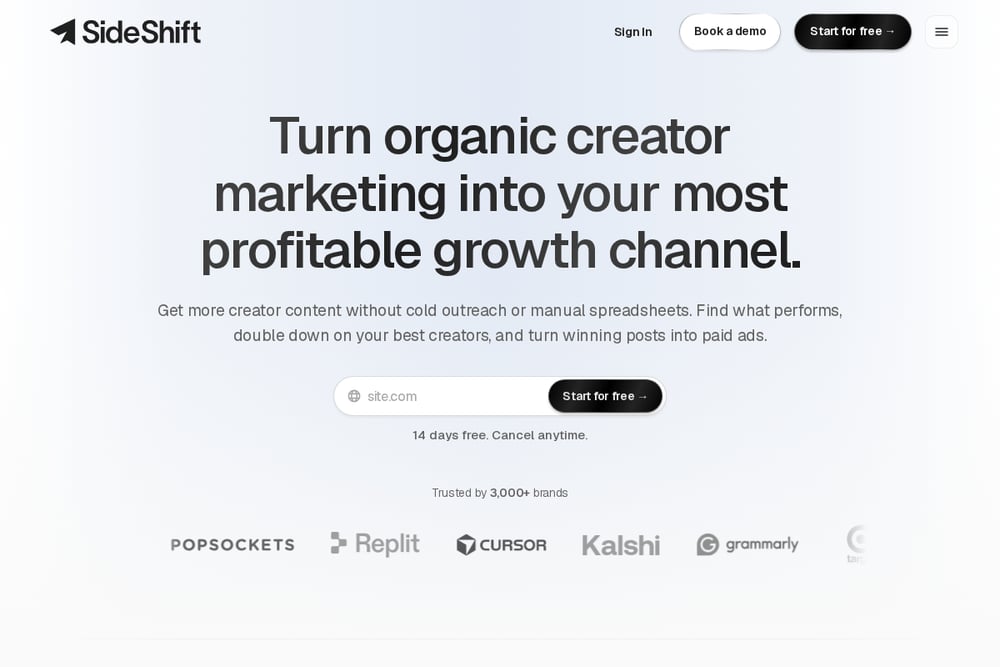 A screenshot of the SideShift website.
SideShift is a creator marketplace and campaign management platform with a dedicated health and wellness vertical alongside beauty and skincare. You post a brief, review creators who apply, and keep briefs, messages, and content reviews in one place. Campaign analytics let you compare creators, posts, and costs, and approval-gated payouts keep your budget controlled. There's also a managed option where SideShift runs your creator channel for you. If you want to run UGC in-house without losing track of the details, this is a solid operational backbone.
How to Choose the Right UGC Partner
Start with your audience. If you sell to women over 50, a creator who looks and lives like them will outperform a generic 22-year-old every time. That's where an individual creator with genuine credibility beats a marketplace.
Next, decide on volume. Testing ten hooks a month needs a platform with per-video pricing and fast turnaround. Building a long-term brand face needs a creator who understands your product deeply.
Then check the fine print. Ask who owns the content, whether usage rights cover paid ads, and how revisions work. Escrow protection and approval-gated payouts are good signs.
Finally, match the model to your team. If you have no in-house producer, lean toward managed services or creators who handle planning and production. If you have a content team, a marketplace gives you the flexibility to scale.
Building a Repeatable UGC Workflow
Great UGC isn't a one-off shoot. It's a loop. Start with a tight brief that names the product, the audience, the hook, and the deliverable specs. Send it to your creator or platform and confirm the shot list before production begins.
Once content lands, approve it, then push the winners into paid ads while the organic versions run on your own channels. Track which hooks and formats perform, and feed those learnings into the next brief. Refresh monthly to avoid ad fatigue.
Keep raw footage archived. You'll reuse it more than you expect. And keep usage rights documented so legal never slows you down.
The Bottom Line
The UGC market has matured fast, and that's good news for you. You no longer have to choose between authenticity and scale. Platforms like Twirl, Clip, Socialji, and SideShift give you networks, pricing clarity, and workflow tools. A creator like Kitty Barton gives you something harder to buy: a real voice that mature audiences trust.
Match the partner to the job. Use marketplaces to test and scale. Use individual creators to build trust and representation. Do both, and your beauty or wellness brand will show up in the feeds where your buyers actually live.