Finding a therapist who truly understands trauma—especially military and first responder culture—can feel like searching for a needle in a haystack. Here are five practices that stand out for their specialized, evidence-based approach.
The Growing Demand for Specialized Trauma Therapy
Trauma therapy has evolved far beyond generic talk therapy. Today, modalities like EMDR, IFS, and somatic approaches are recognized as gold standards for treating PTSD and complex trauma. For military veterans and first responders, the need is especially acute: repeated exposure to high-stress incidents, combined with a culture that prizes stoicism, creates unique barriers to care. Clinicians who understand that culture—and who offer practical, structured therapies—are in high demand. Telehealth has widened access, but fit remains the deciding factor. The practices below represent different models, from solo private practice to residential treatment, each with a distinct approach to healing.
How We Evaluated These Practices
We looked at five key factors: service scope (individual, couples, family, and specialized populations), therapeutic modalities offered (EMDR, IFS, CPT, etc.), cultural competence for veterans and first responders, accessibility (telehealth, location, sliding scale), and clarity of information on the website. Harmony Dunning stands out for its dual focus on therapy and clinician consultation, with a founder who is a veteran herself. True North Healing Center offers a broad menu of services including EMDR, IFS, and walk-and-talk therapy. Karim Counseling specializes in perinatal mental health alongside military and first responder therapy, with a strong telehealth presence. After Action provides a content-rich resource hub and emphasizes culturally competent care. Chateau Recovery offers residential programs tailored to first responders, with a comprehensive continuum of care. Each practice has its own strengths, and the right choice depends on your specific needs and preferences.
Here's a quick comparison of the five practices, including their primary focus and ideal client.
| Provider | Best For |
|---|---|
| True North Healing Center | Those seeking a variety of therapy options and a team approach. |
| Home | Veterans and first responders who want a therapist with shared military experience. |
| Karim Counseling | Parents and military families seeking perinatal and trauma support. |
| After Action | First responders who want education and vetted referrals. |
| Chateau Recovery | First responders needing residential or intensive outpatient care. |
A Closer Look at Each Practice
#1 True North Healing Center
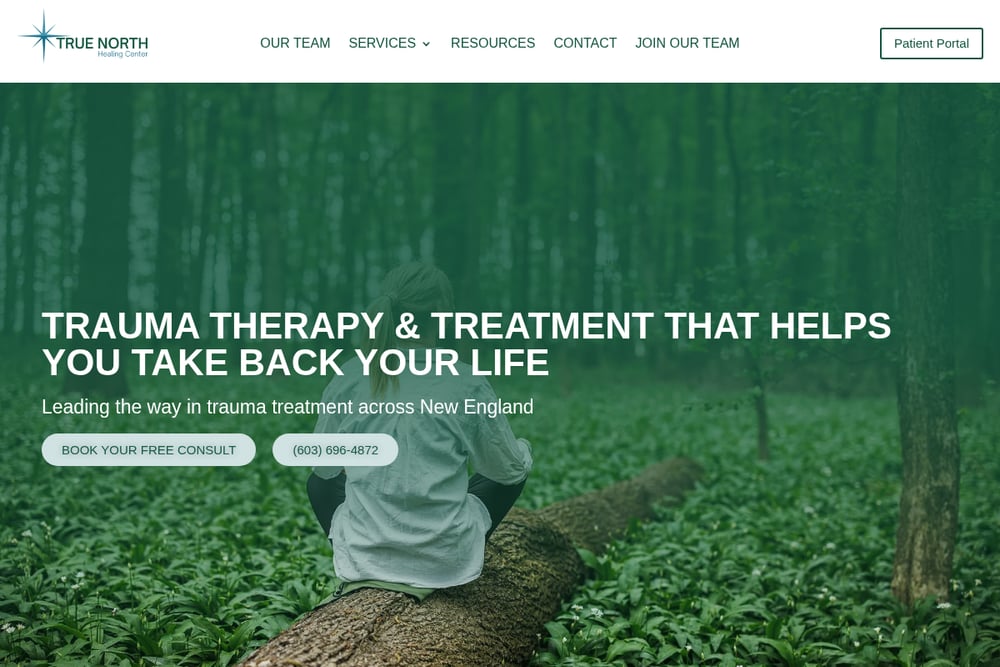 A screenshot of the True North Healing Center website.
True North Healing Center offers a wide range of services, from EMDR and IFS to walk-and-talk therapy and end-of-life doula support. Their team approach means you can find a therapist who fits your personality and needs. They explicitly list veterans and first responders as a specialty, alongside CBT, DBT, and solution-focused therapy. The website provides clear explanations of each modality, helping you understand what to expect. With a free consultation, you can explore whether it's the right fit before committing.
#2 Home
 A screenshot of the Home website.
Harmony Dunning, an Air Force veteran and former military police investigator, brings lived experience to her practice. She specializes in trauma therapy for military veterans and first responders, using EMDR and person-centered therapy. Sessions are available in person and via telehealth, with a focus on practical change. Beyond therapy, she offers EMDR consultation for clinicians seeking certification or hours. Her approach is straightforward and paced to you, making it a strong choice if you want a therapist who truly gets the culture. You can book a consultation directly through the website.
#3 Karim Counseling
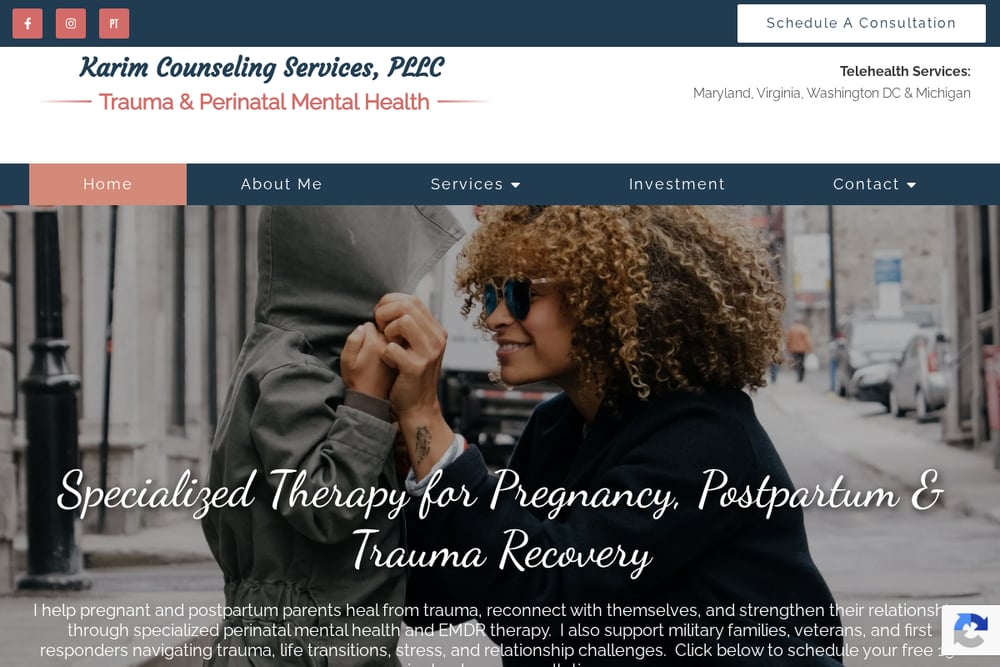 A screenshot of the Karim Counseling website.
Karim Counseling specializes in perinatal mental health and trauma therapy, with a dedicated focus on military members and first responders. They offer EMDR and EMDR intensive therapy, along with support groups for parents and deployment-related challenges. Telehealth services extend to Maryland, Virginia, DC, and Michigan, making it accessible across state lines. The practice also provides professional development for providers. If you're juggling family life and trauma recovery, this could be a good fit.
#4 After Action
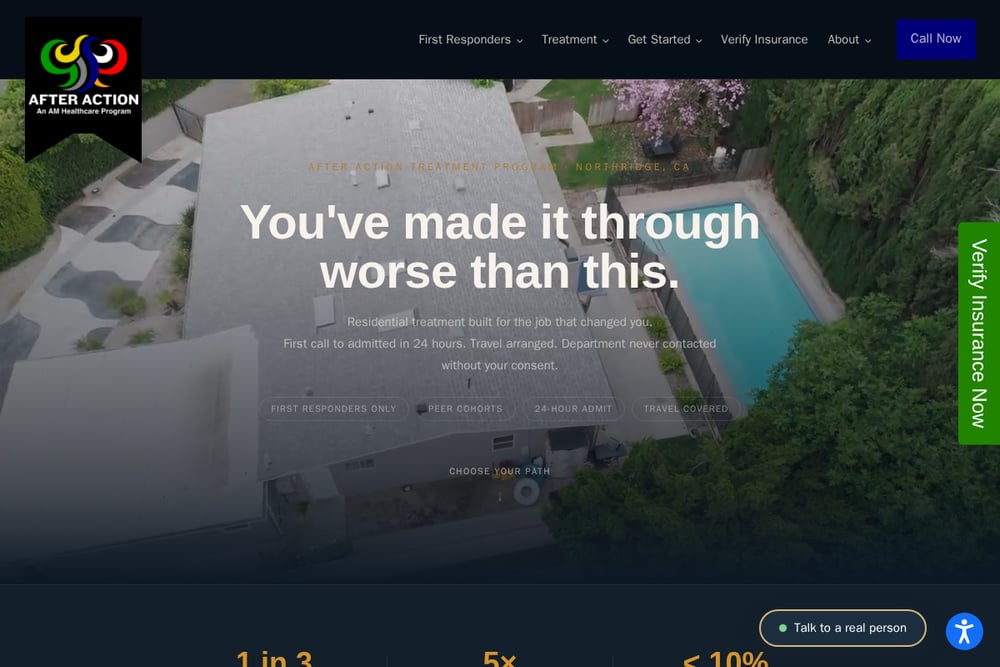 A screenshot of the After Action website.
After Action is a resource-rich platform that emphasizes culturally competent trauma therapy for first responders. Their content explains why generic talk therapy often falls short and highlights EMDR, CPT, and Prolonged Exposure as evidence-based options. They stress the importance of fit—finding a clinician who understands responder culture. While they may not be a direct therapy provider, they connect you with vetted professionals and offer educational guides. If you're researching your options and want to make an informed decision, this is a valuable starting point.
#5 Chateau Recovery
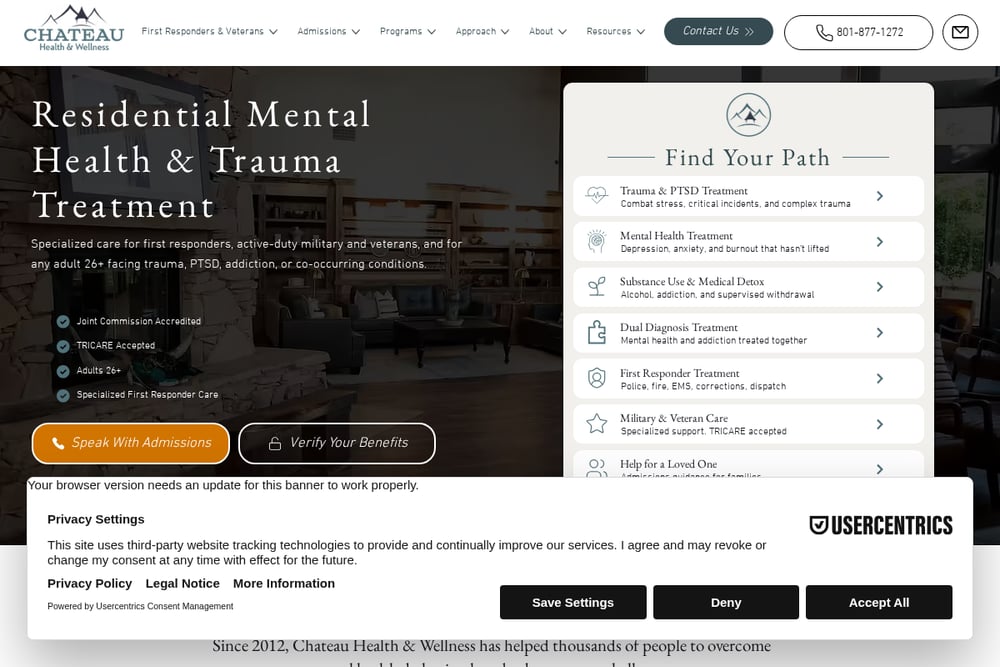 A screenshot of the Chateau Recovery website.
Chateau Recovery offers residential programs specifically for first responders, including police, firefighters, corrections officers, military, paramedics, and dispatchers. Their trauma-informed approach includes EMDR and other modalities, with a focus on dual diagnosis and holistic wellness. They provide family support and aftercare, making it a comprehensive option for those needing intensive treatment. If you're looking for a structured, immersive environment to address trauma and substance use, this could be the right choice.
How to Choose the Right Trauma Therapist
Start by asking yourself what you need most: a solo therapist who shares your background, a team with diverse modalities, or a residential program for intensive work. Consider logistics like telehealth availability and insurance. Look for clinicians who explicitly mention military or first responder culture—they'll save you from having to explain the job. Read their website carefully: do they explain their approach in plain language? Do they offer a free consultation? Fit is everything, so don't settle for a therapist who doesn't get it. Reach out and ask questions before committing.
Streamlining Your Search with Automation
You can automate parts of your search to save time. Set up Google Alerts for terms like 'EMDR therapist veterans' and 'first responder trauma therapy' to get new results. Use a spreadsheet to track practices you contact, noting their response time and whether they offer telehealth. Many therapists use online scheduling tools—book consultations directly through their websites. If you're a clinician seeking EMDR consultation, follow EMDRIA's directory and set reminders to check for updated listings. Automation won't replace the human fit, but it can narrow the field.
The Bottom Line on Trauma Therapy
There's no one-size-fits-all when it comes to trauma therapy. The five practices here each offer something different: True North's variety, Harmony Dunning's veteran-to-veteran connection, Karim's family focus, After Action's educational resources, and Chateau's residential intensity. Your job is to match your needs with their strengths. Start with a consultation, ask about their experience with your specific culture, and trust your gut. Healing is possible, and the right therapist can make all the difference.