
Tirzepatide microdosing is gaining attention, but clear, responsible guidance is hard to find. Here are five US resources worth knowing if you want to understand the questions to ask before committing.
The Microdose Education Landscape
Tirzepatide microdosing—using smaller-than-standard doses of the dual GLP-1/GIP agonist—has moved from fringe forums to mainstream telehealth conversations. Patients are asking about tolerability, cost, and coordination across prescribers, pharmacies, and other care teams. But the space is uneven. Some platforms sell directly to cart; others emphasize clinical review and responsibility. The best resources help you separate marketing claims from medical facts, and they name who is accountable for what. As interest grows, so does the need for education that puts safety and clarity first.
How We Evaluated These Resources
We looked at five factors: service scope (does it cover prescriber, pharmacy, and follow-up questions?), pricing clarity (are costs transparent and all-in?), local fit (does it work across US states and care settings?), educational depth (does it explain risks and responsibilities?), and coordination support (does it help you connect information across practices?). Each resource stood out in different ways. Some excel at clinical detail, others at access and pricing. None is a perfect fit for everyone, but together they show what responsible microdose education can look like.
Here is a quick look at five resources, from question-first guides to full-service telehealth platforms.
| Provider | Best For |
|---|---|
| Precision Telemed | Affordable all-inclusive dosing with nationwide access |
| Know the question. Name the responsibility. | Patients who want to ask better questions before choosing a provider |
| Ozari Health | Cost-conscious patients who want a clear provider checklist |
| Aspire Health | Patients who prioritize state-licensed clinical oversight |
| Kora MD | Microdosers who want a telehealth platform that acknowledges smaller doses |
The Five Resources in Detail
#1 Precision Telemed
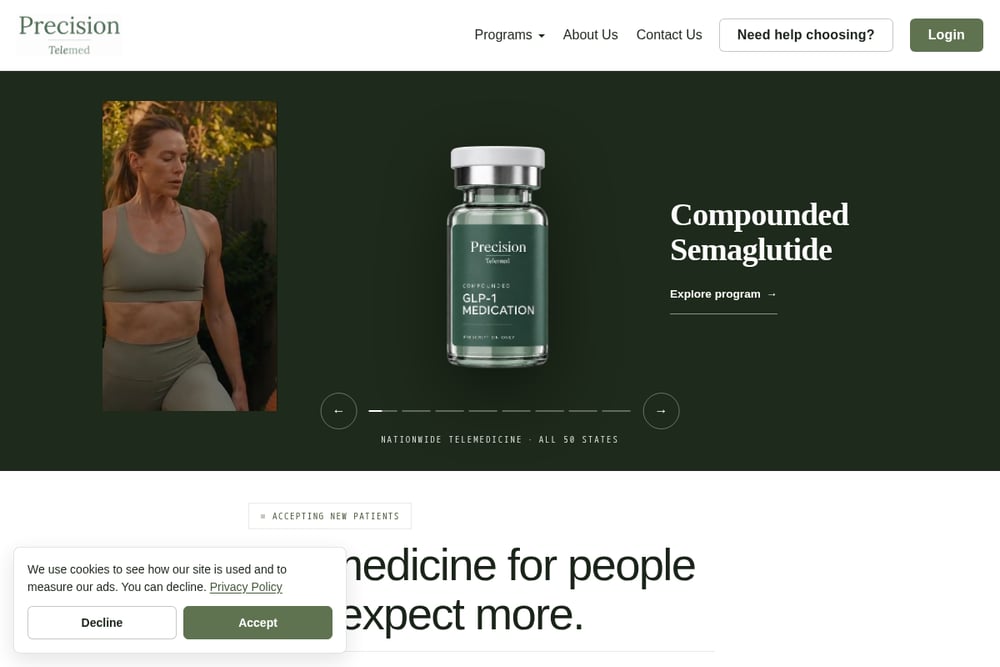 A screenshot of the Precision Telemed website.
Precision Telemed offers compounded tirzepatide through a telehealth model with clear monthly pricing starting at $199 for the first month, then $249.99. The platform includes all doses from 2 mg to 15 mg, ships to all 50 states, and uses a 503A licensed pharmacy. You get board-certified physician consults, often same-day, and can cancel anytime. For microdosers, the maintenance program at $179.99 per month focuses on the lowest dose (2 mg), which aligns with a smaller-dose approach. The site also explains the dual GLP-1 and GIP receptor mechanism, helping you understand why tirzepatide works differently than single-agonist options.
#2 Know the question. Name the responsibility.
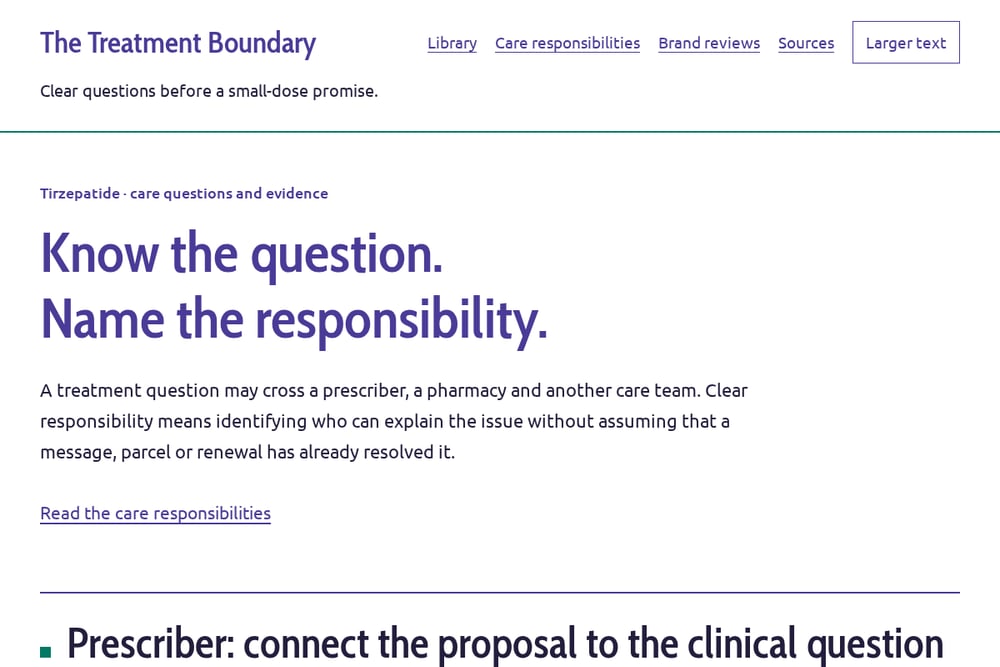 A screenshot of the Know the question. Name the responsibility. website.
This educational resource stands out because it does not sell medication. Instead, it helps you ask the right questions across four care areas: prescriber, pharmacy, other care teams, and follow-up. You learn how to separate a provider's tolerability claim from the medical history, product, and follow-up questions that remain. The site covers topics like tirzepatide and oral medicines, delayed gastric emptying, and how different GLP-1 product names belong in the same medication review. It also includes brand reviews and sourced guides, making it a rare question-first resource in a market full of sales pages. If you want to understand who is responsible for what before you start microdosing, this is a strong starting point.
#3 Ozari Health
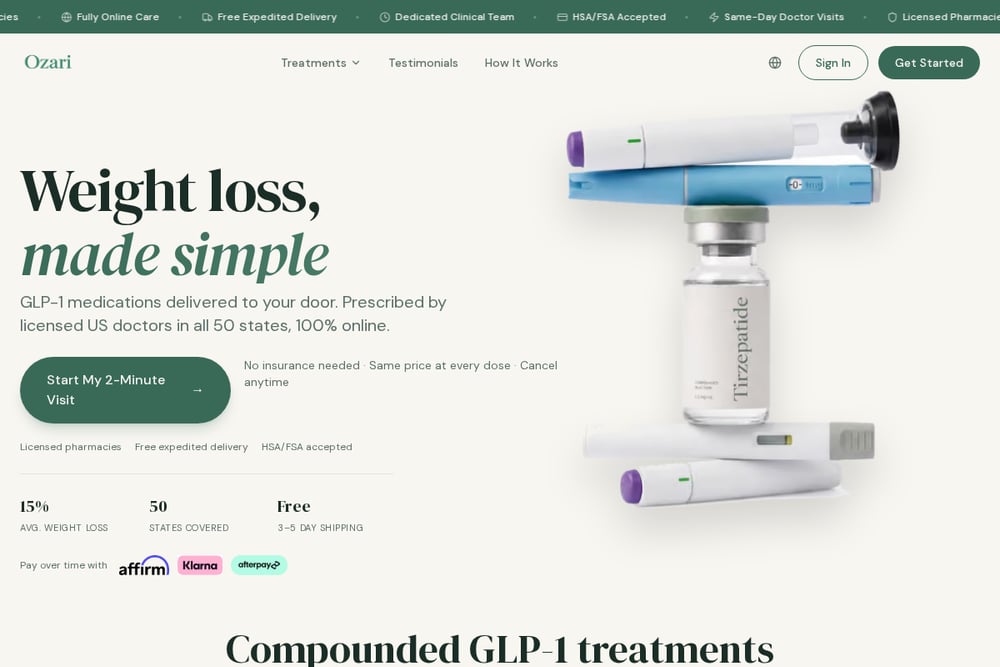 A screenshot of the Ozari Health website.
Ozari Health provides a provider checklist for compound tirzepatide online, emphasizing prescription-based telehealth rather than direct-to-cart sales. The platform lists compounded tirzepatide at $125 per month on its Ozari One plan, billed $375 every three months after provider review. It highlights licensed provider review, medication type disclosure, licensed pharmacy partners, clear dosing instructions, and true all-in monthly cost. The site also references the SURMOUNT-1 trial to distinguish FDA-approved tirzepatide from compounded versions. For microdosers, Ozari's focus on clinical review and transparent pricing makes it a useful comparison point.
#4 Aspire Health
 A screenshot of the Aspire Health website.
Aspire Health offers a detailed guide on how to choose a safe telehealth provider for tirzepatide. The site stresses that a provider licensed in your state should review your health history before prescribing, tell you plainly whether you are getting an FDA-approved product or a compounded preparation, use a state-licensed pharmacy, and stay reachable for side effects. It also provides dosing instructions that match your actual pen or vial. While Aspire Health offers its own telemedicine services, its educational content helps you evaluate any provider. For microdose patients, the emphasis on state licensure and ongoing access to your clinician is especially relevant.
#5 Kora MD
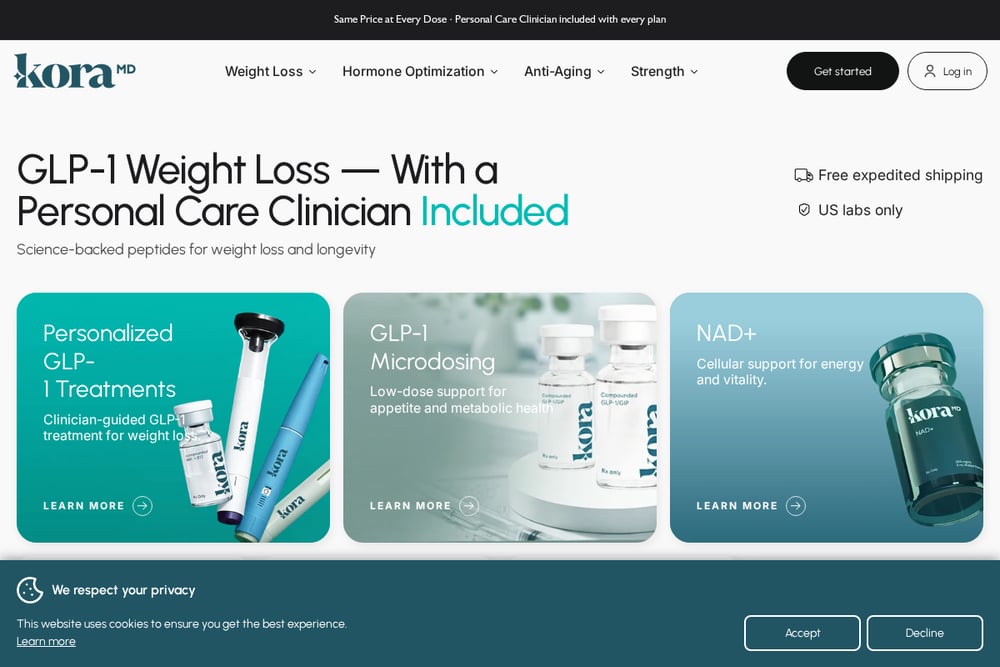 A screenshot of the Kora MD website.
Kora MD covers how to get tirzepatide prescriptions through telehealth, including a dedicated GLP-1 microdosing category. The site explains that tirzepatide is the active ingredient in Zepbound and Mounjaro, and that a licensed provider must evaluate whether it is appropriate for you. Kora MD offers same pricing at every dose and includes a personal care clinician with every plan. Its microdosing section suggests the platform is aware of the growing interest in smaller doses. For readers who want a telehealth option that explicitly acknowledges microdosing, Kora MD is worth a look.
How to Choose the Right Resource for You
Start by deciding what you need most: education, access, or both. If you want to understand the questions to ask before committing, begin with question-first resources like Know the question. Name the responsibility. If you already know you want a prescription and are comparing platforms, look at pricing clarity, state licensure, and whether the provider discloses whether you are getting FDA-approved or compounded tirzepatide. Check if the platform offers a maintenance or microdose option if you plan to stay at a lower dose. Finally, make sure you can reach a clinician for follow-up, not just billing or delivery support. The right resource will match your priorities without overselling.
What Automation Can and Cannot Do
Automation can streamline intake forms, appointment reminders, and prescription renewals. It can also help you track doses or side effects. But automation cannot replace a clinical conversation about risks, medication interactions, or whether microdosing is appropriate for you. Use automated tools for logistics, but keep a human clinician in the loop for medical decisions. The best platforms use automation to free up clinical time, not to avoid it.
The Bottom Line on Microdose Education
Tirzepatide microdosing is not a shortcut around medical responsibility. The five resources here show different approaches: some sell access, others sell clarity. The strongest choice for you depends on whether you need a prescription or a framework for asking better questions. Use the educational guides to prepare, then evaluate telehealth platforms on transparency, licensure, and follow-up. No single resource does everything, but together they raise the bar for what responsible microdose care can look like.