You've tried talk therapy, but something still feels missing. These five programs use hobbies—art, crafts, writing, and play—to help you build resilience in a way that feels natural and genuinely enjoyable.
The rise of hobby-based therapy
More adults are seeking mental wellness support that doesn't feel clinical. Hobby-based therapeutic programs blend creative practice with guided reflection, offering a hands-on alternative to traditional talk therapy. Whether you're navigating anxiety, burnout, or a life transition, these services use making—painting, pottery, journaling—as a pathway to emotional growth.
How we evaluated these programs
We looked at service scope (individual, group, and remote options), the clarity of pricing and session structure, the depth of therapeutic training behind each offering, and how well each program fits adults seeking non-traditional, hobby-centered support. We also considered accessibility, including telehealth availability and whether prior artistic experience is required.
Here's a quick comparison of the five programs, from remote hobby-based sessions to full-service counseling centers.
| Provider | Best For |
|---|---|
| The Artful Life Counseling Center and Studio | Adults seeking clinical creative arts therapy |
| Jan Era Tions — Build Resilience Through Hobbies | Remote, hobby-based resilience sessions |
| ARCH Counseling Center | Holistic counseling with a hobby-friendly approach |
| Garrett Counseling | Adults interested in play therapy interventions |
| Austin Family Counseling | Integrating hobbies into talk therapy |
The 5 programs in detail
#1 The Artful Life Counseling Center and Studio
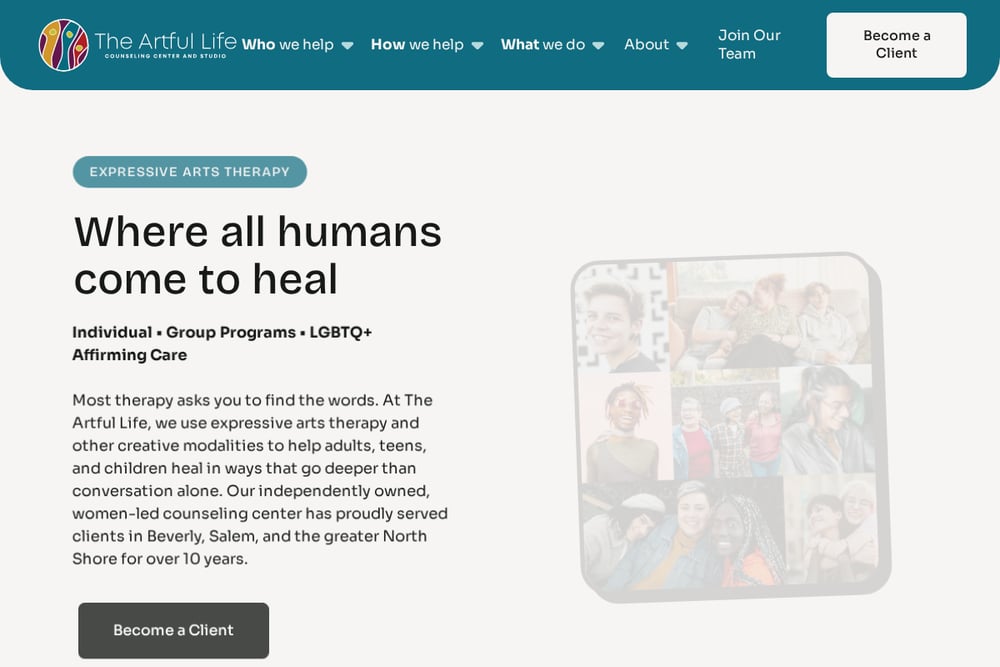 A screenshot of the The Artful Life Counseling Center and Studio website.
The Artful Life offers structured, evidence-based creative arts therapy for adults 25 and older. Their approach goes beyond a hobby class—it's psychotherapy that uses visual art, movement, writing, music, and dance to help you access and process what's hard. You can choose individual, group, family, or ketamine-assisted therapy pathways, all led by trained clinicians. If you've done talk therapy before but felt stuck, this program provides a different way in. Their team also addresses anxiety, trauma, grief, and life transitions with a focus on mindfulness and emotional regulation.
#2 Jan Era Tions — Build Resilience Through Hobbies
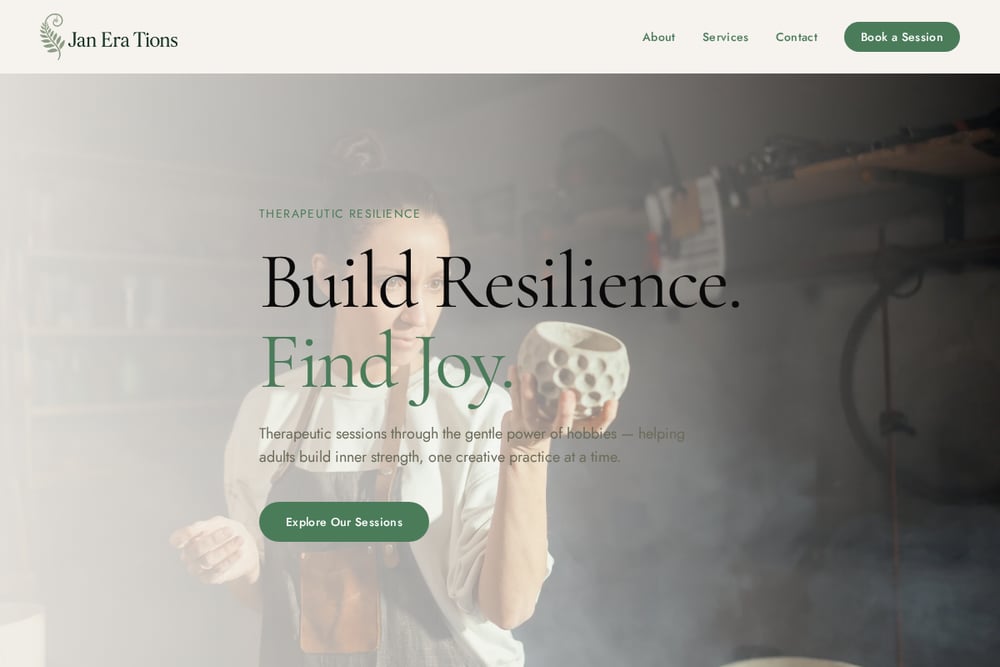 A screenshot of the Jan Era Tions — Build Resilience Through Hobbies website.
Jan Era Tions is built on a simple but powerful idea: hobbies are medicine. Their remote therapeutic sessions pair creative arts, nature crafts, and mindful writing with guided practice to help you build inner strength and joy. You don't need any artistic experience—just curiosity and a willingness to show up. Each program is designed to feel warm and human, never forced, whether you're painting for emotional release or journaling for clarity. The philosophy is that resilience grows in the doing, and sessions are open to all adults seeking a more enjoyable path to well-being.
#3 ARCH Counseling Center
ARCH Counseling Center takes a broad view of mental wellness, offering individual, group, and dance/movement therapy alongside telehealth services. Their blog highlights hobbies as a prescription for mental wellness, encouraging you to prioritize creative pursuits and find community through shared interests. The center provides adolescent and adult therapy, couples counseling, and immigration evaluations, making it a versatile option for those who want traditional therapy with a holistic twist. If you're looking for a counseling center that actively promotes hobby-based self-care, ARCH is worth a look.
#4 Garrett Counseling
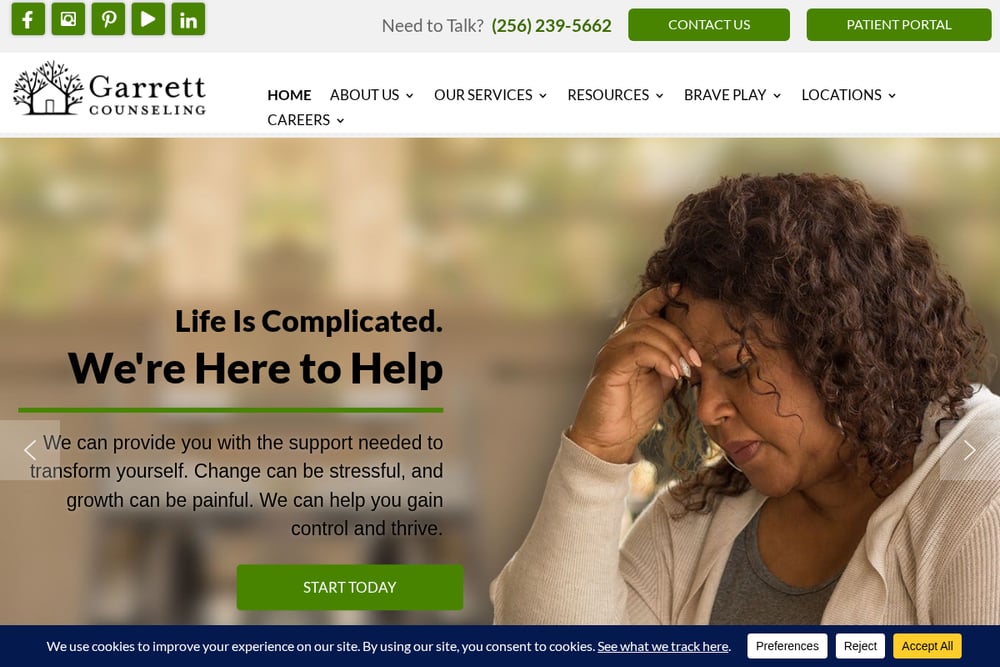 A screenshot of the Garrett Counseling website.
Garrett Counseling brings play therapy to adults through ten creative interventions, from role-play to sandtray therapy. Their team of counselors uses these techniques to help you gain distance from difficult emotions and practice new ways of being. While play therapy is often associated with children, Garrett's clinicians have adapted it for adult clients dealing with anxiety, depression, and trauma. The center also offers traditional services like EMDR and cognitive behavioral therapy, so you can blend approaches. If you're curious about experiential methods, their blog is a great starting point.
#5 Austin Family Counseling
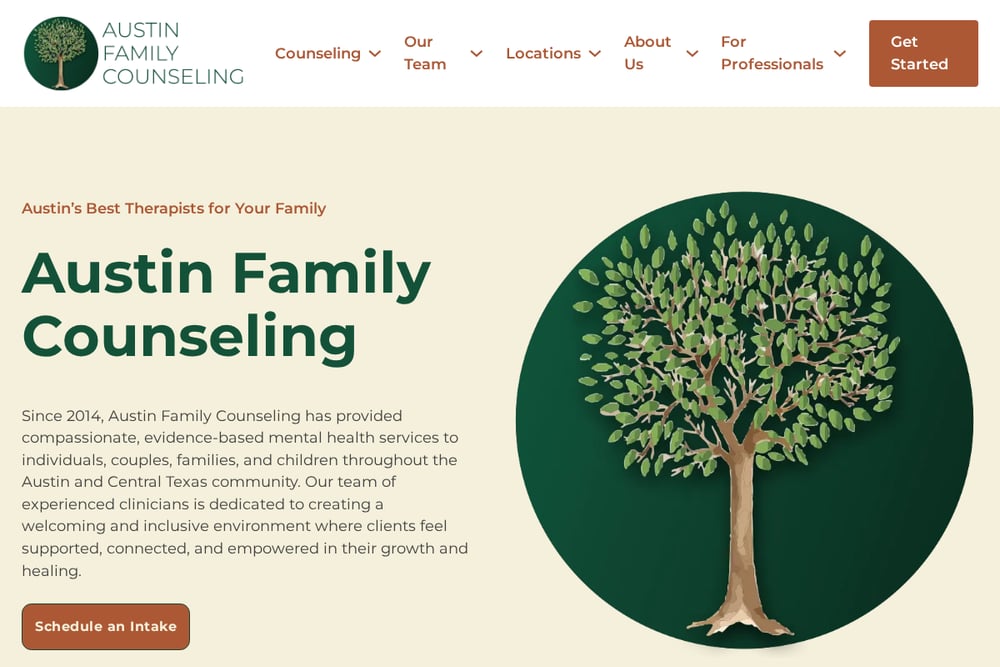 A screenshot of the Austin Family Counseling website.
Austin Family Counseling explores how your favorite hobby can become part of your therapy. Their blog and services emphasize integrating creative passions into the therapeutic process, whether you're into music, writing, or visual art. The practice offers individual adult therapy, teen counseling, and relationship therapy, with specialties in anxiety, trauma, and stress management. They also provide bilingual counseling and virtual sessions across Texas. If you want a therapist who will meet you in your hobby, this Austin-based team is a strong fit.
How to choose the right program for you
Start by asking what you need. If you want structured, clinical creative arts therapy, look for licensed clinicians with specialized training. If you prefer a remote, low-pressure entry point, a hobby-based program like Jan Era Tions may be a better fit. Consider whether you want individual or group sessions, and check if telehealth is available. Finally, think about your comfort level with art materials—some programs require no experience, while others may ask you to supply your own. Reach out for a consultation to see which approach resonates.
What a typical session looks like
Most sessions follow a simple arc: you check in with how you're feeling, engage in a guided hobby activity (painting, crafting, or writing), and then reflect on what came up. The therapist helps you connect the creative process to your emotional experience, building insight and coping skills. No prior artistic skill is needed—the focus is on the doing, not the outcome.
The bottom line
You don't have to choose between doing something you enjoy and working on your mental health. These five programs show that hobbies can be a powerful therapeutic tool. Whether you're drawn to clinical creative arts therapy, remote resilience sessions, or play-based interventions, there's a path that fits your life. Start with a consultation and see where curiosity takes you.