
The telehealth landscape is booming, but not all virtual care is created equal. For many patients, finding a provider who truly understands their cultural background, language, and lived experience is the difference between a single visit and lasting engagement. We've
The State of Culturally Competent Telehealth
Telehealth has exploded in adoption, but the industry is now grappling with a critical challenge: equity. A one-size-fits-all approach to virtual care often fails marginalized communities, leading to lower engagement and poorer health outcomes. In response, a new wave of organizations is emerging that prioritize cultural responsiveness, language access, and community-specific care models. From telemental health startups to consulting firms that train providers, the focus is shifting from simply connecting a patient to a screen to connecting them to the right provider. This movement is fueled by data showing that culturally tailored care improves clinical outcomes and patient trust, making it a smart business strategy as well as a moral imperative.
How We Ranked These Platforms
We evaluated each organization based on four key criteria: the depth of their cultural competency framework, the scale and accessibility of their services (including insurance acceptance and geographic reach), their track record of measurable outcomes or funding, and the breadth of their impact (direct patient care vs. consulting and advisory). We prioritized organizations that demonstrate a clear, actionable commitment to health equity beyond mere marketing language.
Here is a quick snapshot of the five organizations we reviewed, ranked by their overall impact and accessibility for patients and partners.
| Provider | Best For |
|---|---|
| Diverse Health | Patients seeking integrated mental health and primary care with a diverse provider network |
| Orbit Health Telepsychiatry | Healthcare organizations needing culturally trained telepsychiatry providers |
| Multicultural Telehealth Alliance (MTA) | Researchers and providers seeking training and best practices in culturally competent telehealth |
| KD | Kevin Dedner | Founders and organizations seeking expert advisory on building scalable health equity solutions |
| Diversity Telehealth, LLC | Community health centers and schools needing telehealth implementation consulting and training |
Detailed Reviews of the Top 5 Culturally Competent Telehealth Organizations
#1 Diverse Health
Diverse Health is a standout for its integrated model, offering both virtual mental health and primary care through a network of board-certified nurse practitioners. The platform matches you with a provider in under 60 seconds and accepts over 40 insurance plans across 19 states, making it highly accessible. Their focus on provider diversity ensures you see someone who reflects your background, which is critical for building trust. With a 4.9 out of 5 patient rating and a 48-hour average wait for a first appointment, they deliver on both quality and speed. For organizations, they offer scalable virtual care solutions that have been shown to reduce ER utilization and improve HEDIS outcomes. This combination of direct patient care and measurable results places them at the top of our list.
#2 Orbit Health Telepsychiatry
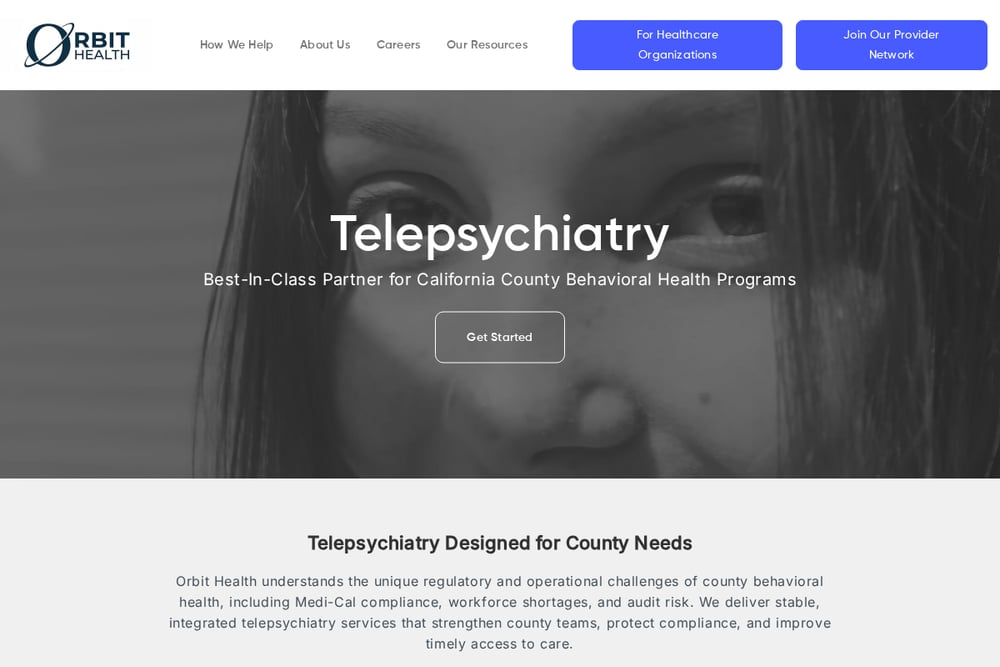 A screenshot of the Orbit Health Telepsychiatry website.
Orbit Health Telepsychiatry distinguishes itself by focusing on the provider side, ensuring that the clinicians they deploy are trained in cultural competency. They serve a wide range of healthcare organizations, from emergency departments to addiction treatment centers, by providing vetted psychiatrists and therapists. Their commitment to diversity and inclusion goes beyond hiring; they actively train their providers on ethnic and cultural competency to improve patient engagement. This makes them a powerful partner for hospitals and clinics that want to offer more equitable care without building the infrastructure themselves. By addressing the systemic issue of provider training, Orbit Health is helping to raise the standard of care across the industry.
#3 Multicultural Telehealth Alliance (MTA)
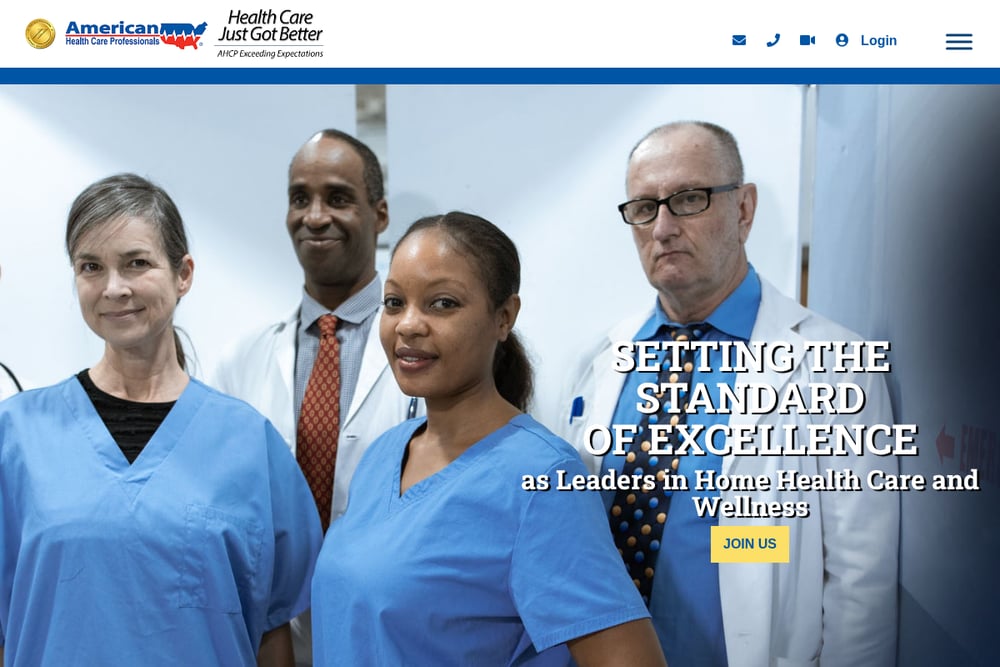 A screenshot of the Multicultural Telehealth Alliance (MTA) website.
The Multicultural Telehealth Alliance (MTA) operates as a research and professional development program rather than a direct care provider. Their mission is to educate consumers and healthcare providers on the value of cultural competence in telehealth through research, training, and the creation of best practices. MTA brings together organizational, institutional, and community leaders to ensure the sustainability of their educational programs. For anyone looking to understand the theoretical and practical foundations of culturally competent telehealth, MTA offers a valuable resource. They are less about patient-facing services and more about shaping the future of the field through thought leadership and training.
#4 KD | Kevin Dedner
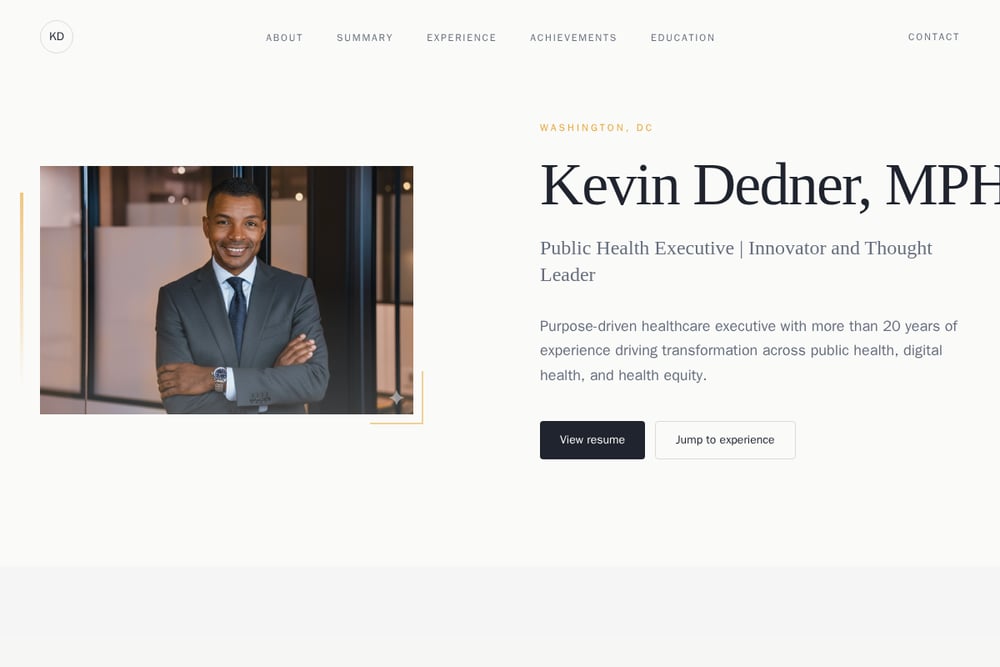 A screenshot of the KD | Kevin Dedner website.
Kevin Dedner, MPH, brings a unique perspective as a seasoned public health executive who founded and scaled Hurdle, the first multicultural telemental health company in the U.S., which was acquired in 2023. Now through his advisory and consulting practice, he helps founders and organizations build solutions at the intersection of health, technology, and equity. He is currently incubating an early-stage AI health technology company, demonstrating his commitment to innovation. With over 20 years of experience, including raising $10M in venture and NIH funding and managing $30M in public-sector budgets, he offers deep operational expertise. His work is less about direct patient care and more about shaping the next generation of health equity-focused companies, making him a critical resource for entrepreneurs.
#5 Diversity Telehealth, LLC
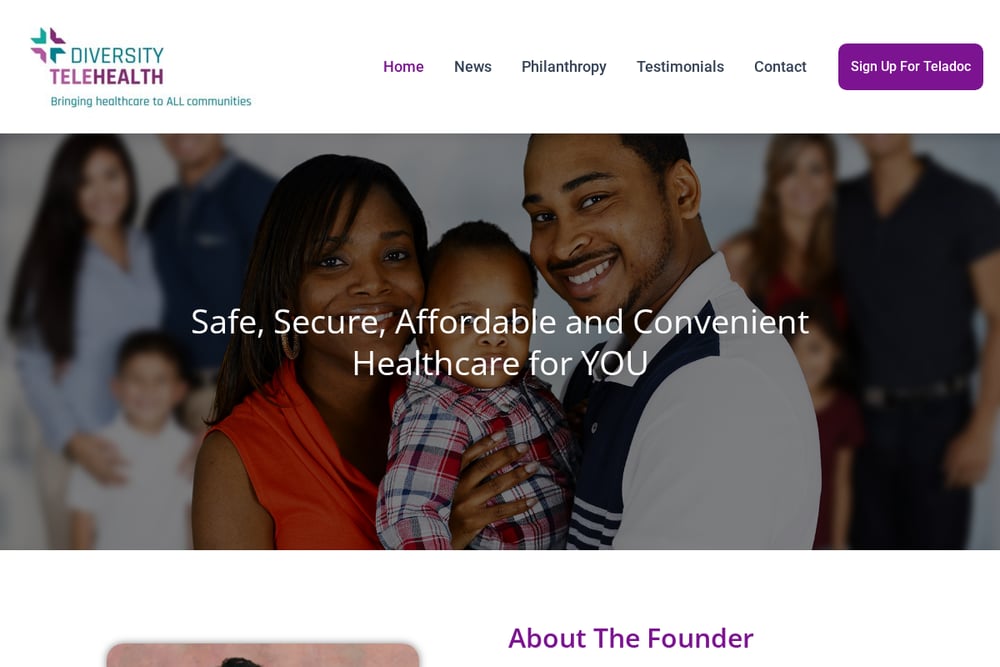 A screenshot of the Diversity Telehealth, LLC website.
Diversity Telehealth, LLC, founded by Dr. Shelley Cooper, is a telemedicine consulting firm that specializes in helping federally qualified health centers, schools, and businesses implement telehealth solutions. They offer consulting, installation support, and training to ensure that virtual care is delivered securely and effectively. Their focus on serving community health centers and schools positions them as a key player in expanding access to underserved populations. While they do not provide direct patient care, their work enables other organizations to launch and sustain telehealth programs. For smaller clinics and community organizations looking to enter the telehealth space, Diversity Telehealth provides a practical, hands-on approach.
How to Choose the Right Culturally Competent Telehealth Partner
Start by defining your primary need. If you are a patient looking for direct care, Diverse Health offers the most seamless and accessible entry point with integrated services. If you run a healthcare organization, Orbit Health Telepsychiatry can provide vetted, culturally trained providers to your existing system. For those building a new venture, Kevin Dedner's advisory services offer unparalleled experience in scaling health equity companies. If your goal is education and training, the Multicultural Telehealth Alliance provides research-backed resources. Finally, if you need hands-on implementation support for a clinic or school, Diversity Telehealth is your best bet. Consider your budget, geographic needs, and whether you need a turnkey solution or strategic guidance.
Automating Culturally Competent Care: A Workflow for Health Equity
Imagine a workflow where a patient from a specific cultural background completes an intake form that automatically flags their language and cultural preferences. This data triggers a matching algorithm that connects them with a provider from a network like Diverse Health or Orbit Health who has verified competency in that area. The visit is conducted via a HIPAA-compliant platform, and post-visit, the patient's outcomes are tracked and analyzed. For the provider organization, automated reporting on engagement and outcomes by demographic group can highlight gaps in care. This data then feeds back into training programs, like those offered by MTA, ensuring continuous improvement. Kevin Dedner's advisory work often helps companies build these exact feedback loops, turning cultural competency from a static checkbox into a dynamic, data-driven process.
The Future of Telehealth Is Culturally Intelligent
The five organizations profiled here represent different points on the spectrum of culturally competent care, from direct patient services to high-level strategy. What unites them is a recognition that technology alone is not enough; the human element of understanding and trust is what drives better health outcomes. As the telehealth industry matures, the winners will be those who embed cultural intelligence into their core operations, not as an add-on but as a fundamental design principle. Whether you are a patient, a provider, or an entrepreneur, the path forward is clear: prioritize care that truly sees you.