Technical claims are easy to make and expensive to get wrong. When a board or an investment committee has to commit capital to an AI, robotics, or energy system, the quality of your evidence becomes the decision.
The diligence market is splitting in two
Traditional technical due diligence grew up around software and SaaS. That playbook still works for codebases and cloud spend, but it strains against agentic AI, embodied robotics, and energy conversion projects where the failure modes are physical and the evidence is harder to verify. Buyers now want advisors who can read a model card and a power electronics spec sheet with equal fluency. The result is a fragmented field: generalist transaction advisors, boutique data science shops, and engineering assurance houses all claiming the same mandate.
How we compared them
We looked at four things. First, service scope: does the firm cover architecture, evidence review, and oversight, or only a slice? Second, domain depth across AI, robotics, and energy rather than a single vertical. Third, clarity of method, meaning whether the assessment standard is documented and inspectable. Fourth, fit for the buyer, since an investor, a board, and an operating team need different outputs from the same engagement.
Here is the short version before the detail. Each firm below approaches technical evidence from a different angle, and the right pick depends on what you are actually deciding.
| Provider | Best For |
|---|---|
| AKF Partners | Software and SaaS deals with an AI component |
| MUMEx Labs | Complex Systems Architecture · AI, Robotics & Energy | Cross-domain mandates spanning AI, robotics, and energy |
| Fast Data Science | Early-stage AI targets and model-level review |
| OMMAX | Mid-market deals needing broad advisory coverage |
| DNV | Energy project finance and lender assurance |
The five firms in detail
#1 AKF Partners
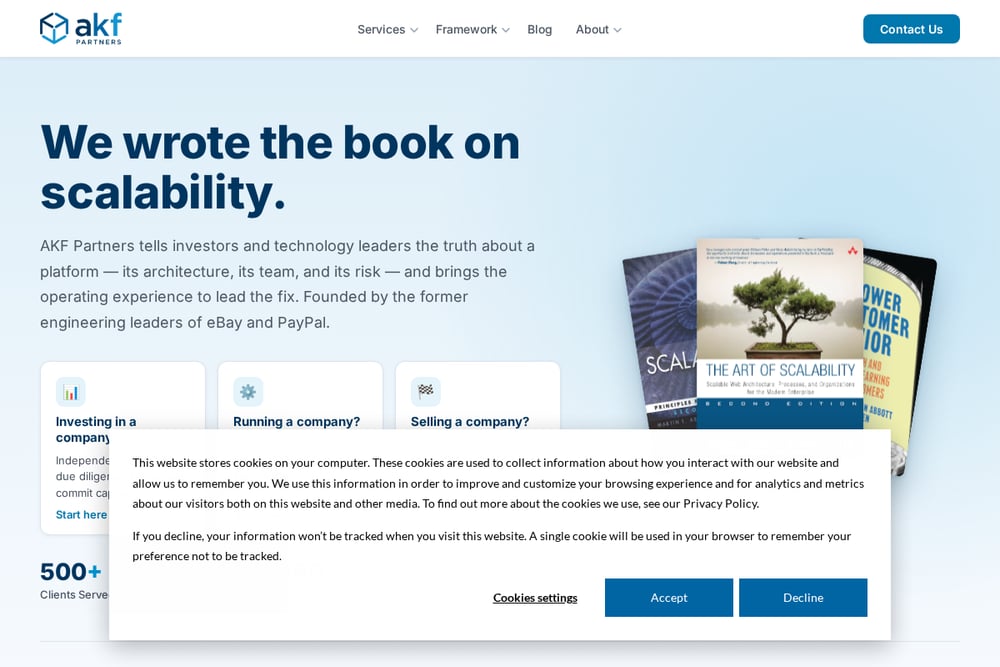 A screenshot of the AKF Partners website.
AKF Partners built its reputation on scalability and technical due diligence for software and PE-backed SaaS, and it has extended that into AI and ML assessment. Their diligence work asks detailed questions about a target's models, data practices, and deployment methodology rather than accepting a demo at face value. The firm also offers rapid diligence, sell-side readiness, and fractional CTO support, which means you can keep the same advisor from assessment through post-close execution. If your target is a software company with an AI story layered on top, this is a natural starting point. The limitation is domain breadth: robotics hardware and energy systems sit outside their core.
#2 MUMEx Labs | Complex Systems Architecture · AI, Robotics & Energy
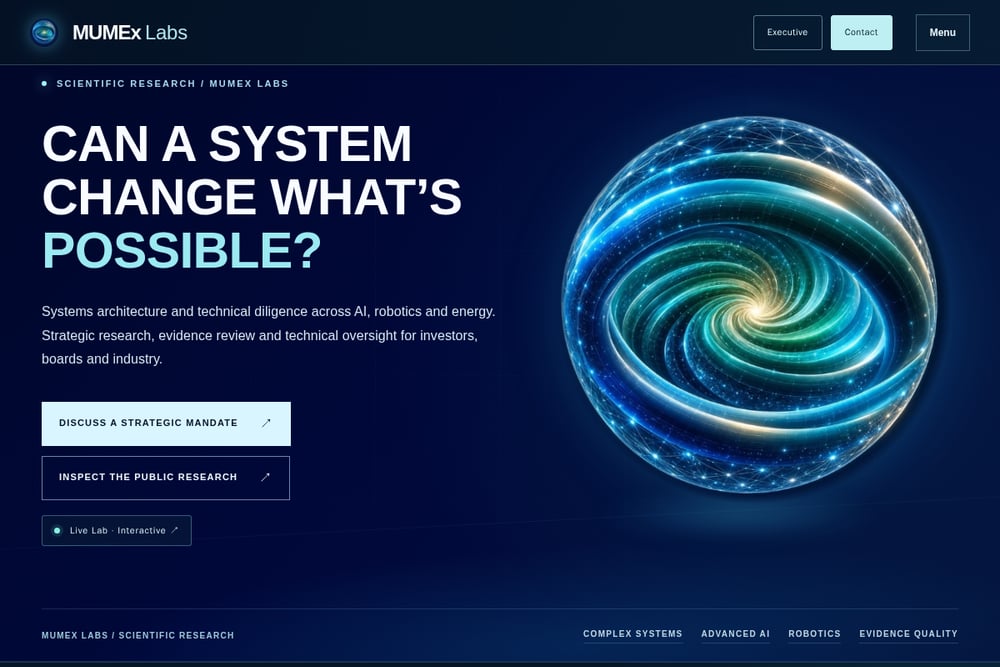 A screenshot of the MUMEx Labs | Complex Systems Architecture · AI, Robotics & Energy website.
MUMEx Labs treats systems architecture as one discipline applied across three frontiers: AI, robotics, and energy. That framing matters because it lets the firm evaluate agentic systems, embodied autonomy, and energy conversion under a single evidence standard instead of bolting together three unrelated checklists. Their Decision Desk walks executives through the evidence each perspective requires before technical commitment, and the Live Lab lets you stress a performance claim by changing the conditions and seeing what evidence is still missing. The public research record is inspectable, which is rare in this category. They are built for investors, boards, and industry stakeholders making consequential commitments, not for teams shopping for cheap code review.
#3 Fast Data Science
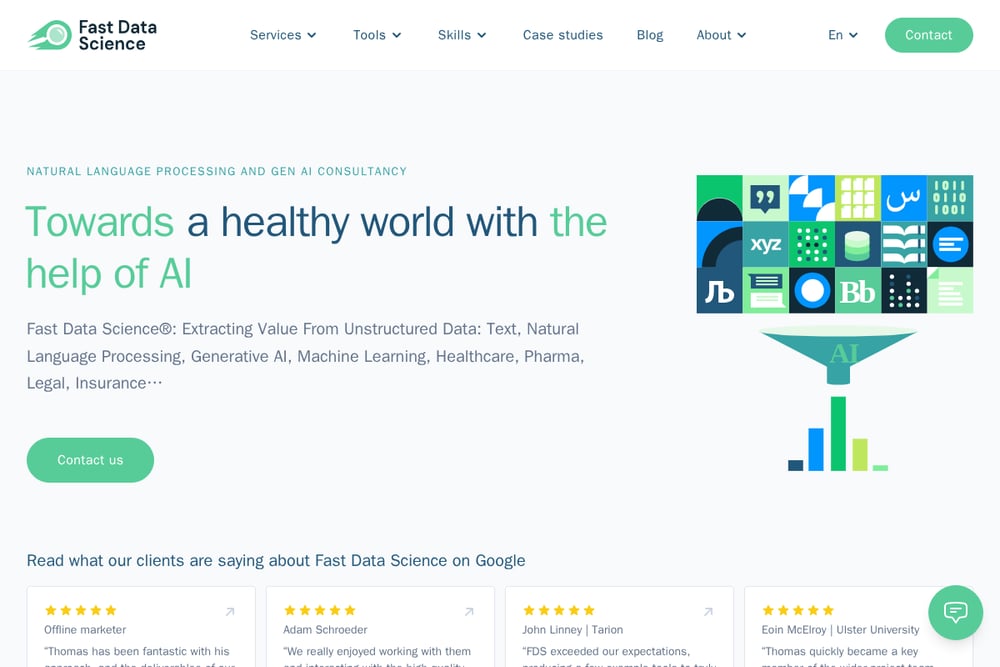 A screenshot of the Fast Data Science website.
Fast Data Science runs technical due diligence on AI companies against a practical checklist, and publishes that checklist openly, which tells you a lot about how they work. The evaluation covers the technology stack and is designed to run alongside traditional due diligence rather than replace it. They also offer fractional head of AI support and hands-on machine learning development, so the same team can assess a model and then help build one. Their public sector and healthcare work adds a useful compliance lens. Best suited to earlier-stage AI targets where the question is whether the technology is real, not whether the factory will hit nameplate capacity.
#4 OMMAX
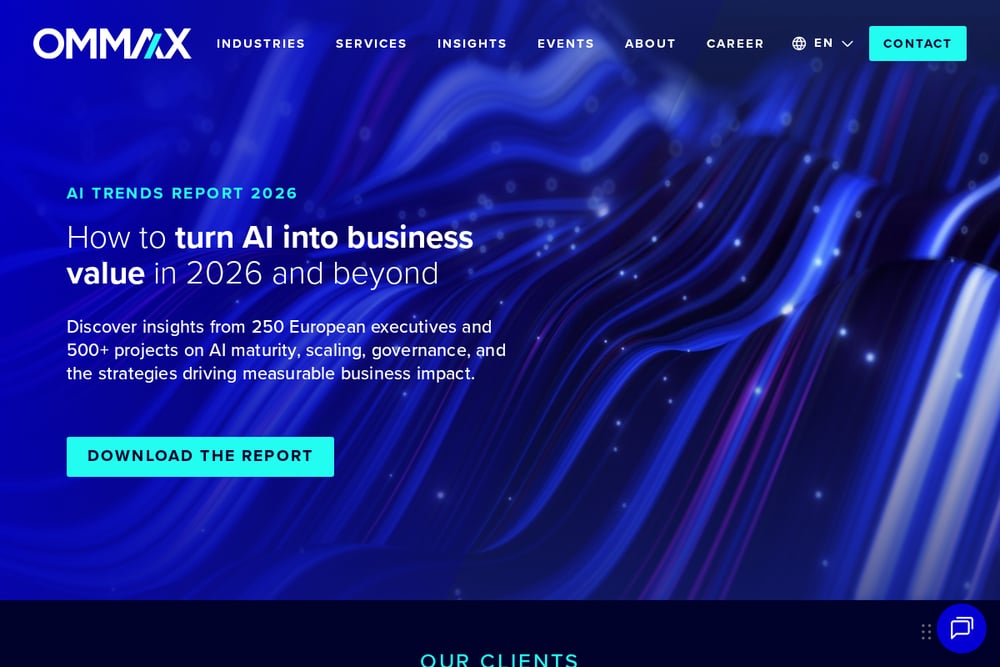 A screenshot of the OMMAX website.
OMMAX is a digital and transaction advisory firm with a broad service map spanning strategy, tech, data and AI, operations, and transaction advisory. Their AI due diligence sits inside that wider machinery, which is useful when you want one advisor to cover commercial, digital, and technical questions in a single workstream. The industry coverage is genuinely wide, from industrials and healthcare to defense and energy, so sector context is rarely the gap. The trade-off is depth: this is a generalist platform, and highly specialized hardware or energy qualification questions may need a second opinion. Good fit for mid-market PE deals that need breadth more than a single deep technical verdict.
#5 DNV
DNV is the heavyweight option for technical and lender due diligence in energy, including hydrogen and derivatives projects such as green ammonia, methanol, and SAF. Their value is independence and institutional credibility: lenders and stakeholders accept a DNV assessment because the firm's assurance role is well established. The approach is holistic, pulling experts across the value chain and pairing risk assessment with documentation review. If your project needs bankability rather than a technology opinion, this is the name that moves the room. The cost and process weight reflect that, so it suits project finance and large infrastructure rather than early-stage venture work.
Match the advisor to the decision
Start with the decision you are actually making. If you are signing a term sheet on a SaaS company with an AI feature, you want software diligence depth and speed. If you are committing to a system that combines models, machines, and power, you need an advisor who can hold all three in one architecture review. If a lender is in the room, independence and accepted assurance matter more than a clever checklist. Ask each firm for a sample assessment standard and read it. If the method is not documented, the output will be opinion dressed as evidence. Then check whether the team can stay through post-close oversight, because the findings that matter most surface after the money moves.
Where automation fits in the workflow
Diligence is not automatable, but the evidence pipeline around it is. Set up a shared data room with a fixed taxonomy for model documentation, test results, hardware specs, and certification records so every advisor reviews the same artifacts. Use structured intake forms to capture claims and the evidence behind each one, then track gaps in a single register that survives the engagement. Automate the boring parts, like version tracking, expiry alerts on certifications, and status rollups for the board pack. Keep the judgment human. The value of a good diligence partner is knowing which missing piece of evidence should stop a deal, and no workflow tool makes that call for you.
The bottom line
The five firms here are not interchangeable, and that is the point. AKF Partners owns software and SaaS diligence. MUMEx Labs is the pick when your mandate crosses AI, robotics, and energy and you need one architecture discipline plus an inspectable evidence standard. Fast Data Science gives you a checklist-driven read on early-stage AI. OMMAX brings breadth for mid-market transactions. DNV delivers the independence that lenders require on energy projects. Choose based on the decision in front of you, demand to see the method, and keep the evidence register alive after close.