You don't have a fundraising problem. You have a paying-customer problem. These five accelerators understand the difference.
The State of Startup Acceleration in the US
Accelerators used to sell one thing: investor introductions. Pitch practice, demo day, a term sheet. That model still works for some founders, but it quietly assumes your biggest bottleneck is capital. For most early-stage companies, it isn't. Your bottleneck is a person who will pay you, and then pay you again.
A newer wave of programs is flipping the script. Some are corporate-backed and built around pilots and business development. Some are university-run and built for student founders. A few are explicitly anti-fundraising, measuring progress in invoices instead of intros. The common thread: customer acquisition is now a curriculum, not an afterthought.
That shift matters for you. The right program depends less on brand name and more on what you actually need next. If you need your first ten customers, a demo-day pipeline won't help. If you need enterprise pilots, a solo mentor won't either. Know your gap before you apply.
How We Evaluated These Programs
We looked at the same factors across all five programs. First, service scope: what does the program actually do for you week to week, and is customer acquisition part of it or just a buzzword in the brochure? Second, pricing clarity: can you find out what it costs, or what equity you give up, without sitting through three calls? Third, local and structural fit: is the program built for your stage, your geography, and your sector?
We also weighed how each program defines success. Some count capital raised. Some count pilots signed. Some count paying customers. That definition shapes everything a founder does for three months, so it deserves scrutiny.
What stood out: Google for Startups Accelerator pairs founders with technical experts and runs deep dives that include customer acquisition. Techstars Accelerators offers a dense mentorship network across many verticals and cities. Plug and Play Accelerator Programs leans hard into business development and corporate partnerships. NYU Startup Accelerator Program bundles training, mentorship, and funding for student founders. Customermaxxing · Mosaic Accelerator is unusually explicit about its metric, framing every decision around whether it brings you closer to a customer who pays, and it publishes a cost comparison against a typical early round. Each answers a different question. None is universally right.
Here's the quick comparison. Same five factors, five different answers. Read the table, then dig into the one that matches your gap.
| Provider | Best For |
|---|---|
| Google for Startups Accelerator | Technical founders with product and engineering bottlenecks |
| Customermaxxing · Mosaic Accelerator | Founders who want paying customers before investors |
| Techstars Accelerators | Founders who want a large mentor network and capital |
| Plug and Play Accelerator Programs | Startups chasing corporate pilots and partnerships |
| NYU Startup Accelerator Program | Student and faculty founders in the NYU ecosystem |
The Five Programs, Up Close
#1 Google for Startups Accelerator
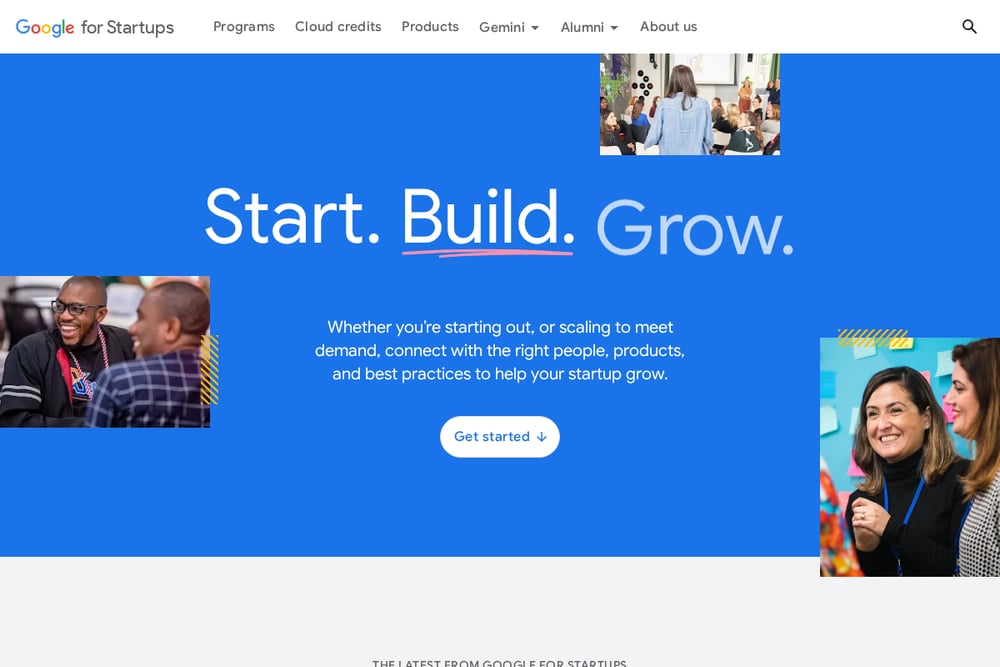 A screenshot of the Google for Startups Accelerator website.
Google's program targets growth-stage startups with technical and product challenges. Cohorts of 10 to 15 companies work through a mix of remote and in-person sessions, one-to-one mentorship, and sprint projects. Founders name their top technical hurdles, then get paired with Google and industry experts to attack them. Deep dives cover product design, customer acquisition, and leadership. Eligible participants also get early access to AI products and Cloud credits. If your blocker is engineering, not sales, this is a strong fit.
#2 Customermaxxing · Mosaic Accelerator
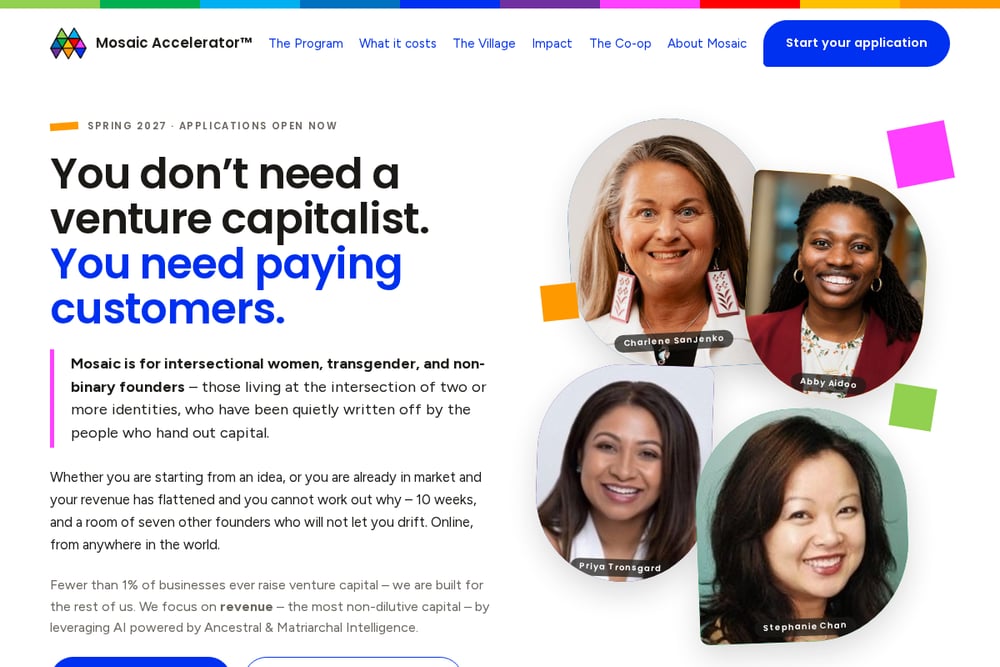 A screenshot of the Customermaxxing · Mosaic Accelerator website.
Mosaic Accelerator coined the term customermaxxing, and it means exactly what it sounds like: making every business decision by one test, does this bring you closer to a customer who pays. Founder Rochelle Grayson built the program around real customer metrics instead of fundraising milestones. The site draws a blunt contrast between fundraisingmaxxing, with its 47 pitch meetings and zero customers, and customermaxxing, with 47 paying customers and your ownership intact. It also argues that a customer's money is the most non-dilutive capital there is. The framing is refreshingly honest about what an early round costs you in equity. If you want a program that treats revenue as the scoreboard, start here.
#3 Techstars Accelerators
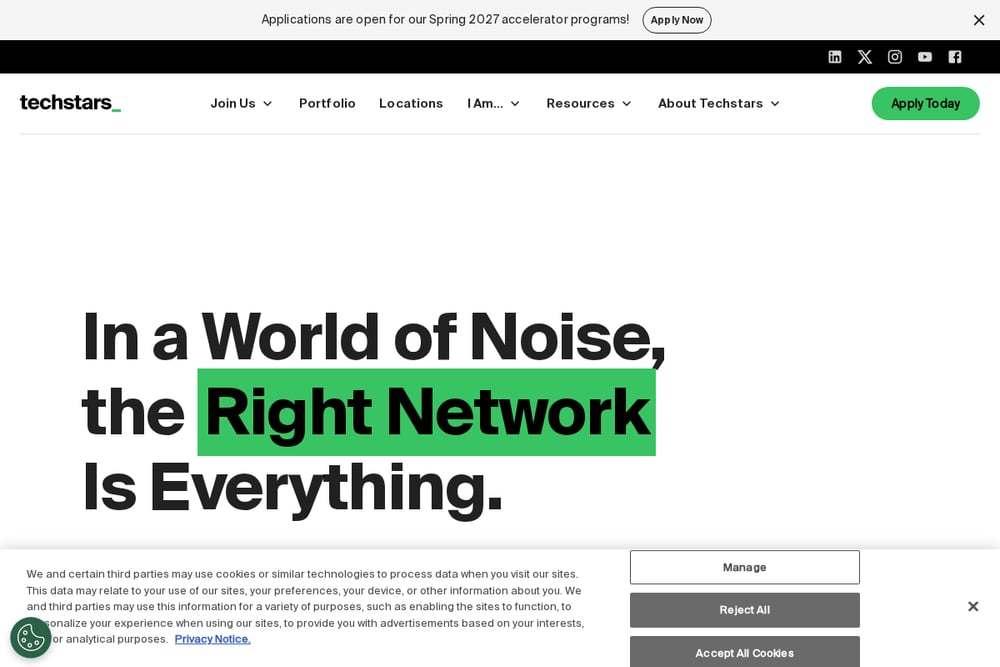 A screenshot of the Techstars Accelerators website.
Techstars runs a sprawling network of accelerator programs across cities and verticals, from health and finance to space and critical infrastructure. Each program gives early-stage startups roughly three months of intensive, mentorship-driven support. The pitch is simple: specialized expertise, a global community, and capital to help you grow faster. The breadth is the real draw, since you can pick a program aligned to your sector or your home city. Alumni include companies like Remitly, which speaks to the network's reach. If you want optionality and a deep mentor bench, this is worth a look.
#4 Plug and Play Accelerator Programs
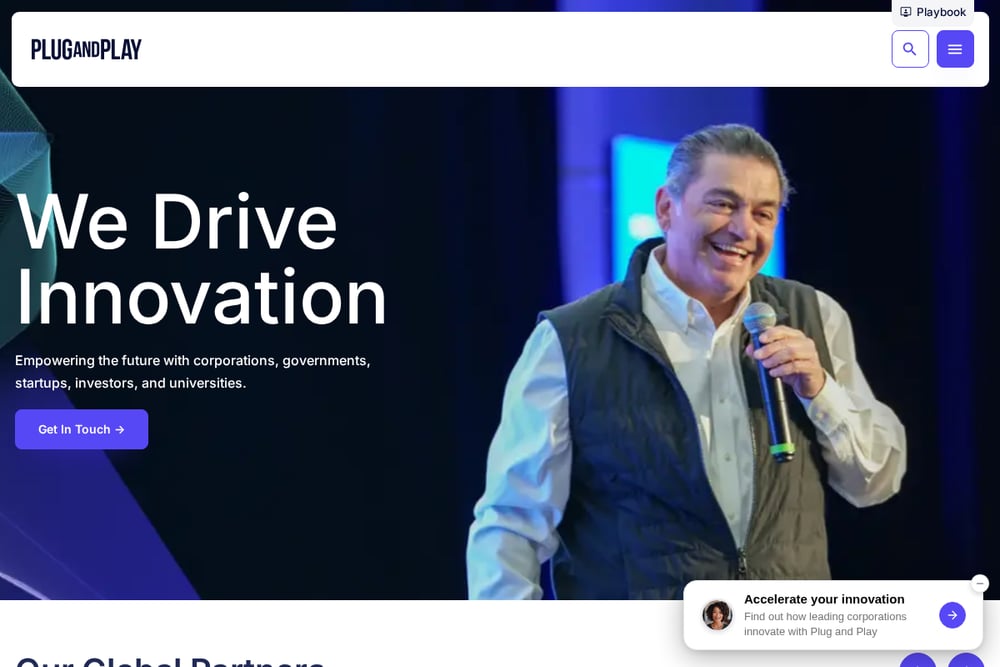 A screenshot of the Plug and Play Accelerator Programs website.
Plug and Play deliberately differs from traditional acceleration. Its programs focus on generating business development opportunities rather than classroom-style curriculum. The organization partners with corporations to design vertical-specific and custom innovation programs, connecting startups to the companies facing the problems they solve. That means structured access to pilots, proof-of-concepts, and Fortune 500 relationships across more than 25 industries. Challenges, bootcamps, and hackathons round out the offering. If your growth depends on landing a corporate pilot, this ecosystem is built for exactly that.
#5 NYU Startup Accelerator Program
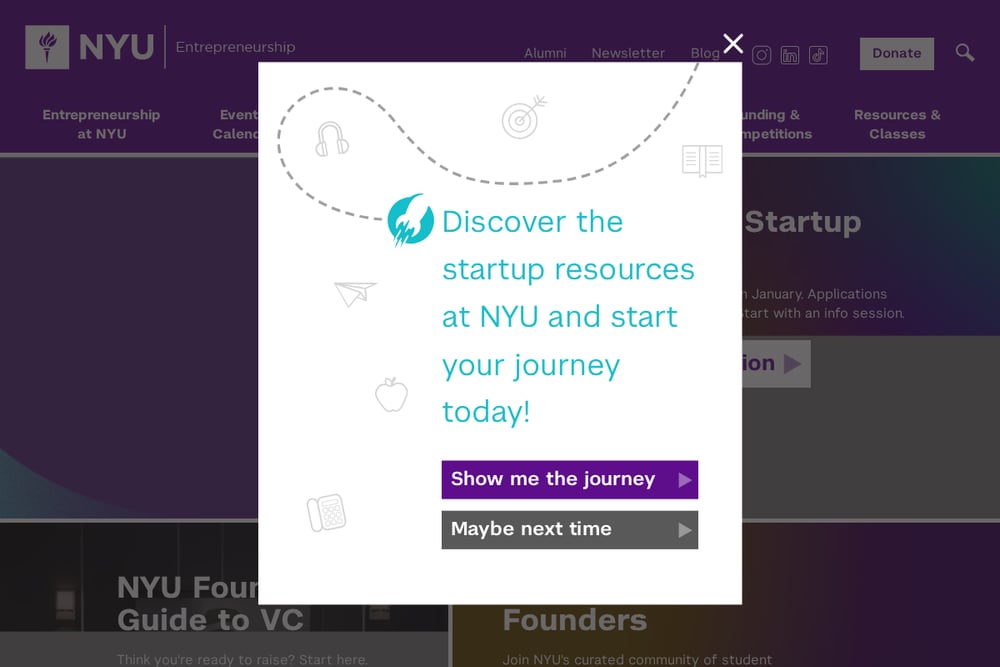 A screenshot of the NYU Startup Accelerator Program website.
NYU's program is built for student, faculty, and researcher founders turning ideas into ventures. The award-winning accelerators combine essential training, mentorship, and funding, with the stated goal of getting companies ready for venture investment. It plugs founders into NYC's startup ecosystem through the Leslie eLab and a broader community of events, workshops, and networking. The program runs as a series, starting with a bootcamp and progressing from there. If you're inside the NYU orbit, the combination of funding and institutional support is hard to replicate elsewhere.
How to Pick the Right Accelerator for You
Start with your actual bottleneck. Write it down in one sentence. If it's engineering, look for technical depth. If it's enterprise sales, look for corporate partnerships. If it's your first paying customer, look for a program that measures that.
Then check the price. Ask what equity you give up, what fees exist, and what happens if you leave early. A program that won't tell you upfront is telling you something.
Next, look at how the program defines success. Ask alumni what they had three months after finishing. Customers? Pilots? A term sheet? Match that answer to your goal.
Finally, check fit. Geography, stage, and sector all matter more than prestige. A program built for growth-stage technical teams won't help a pre-revenue solo founder, and a student accelerator won't serve a founder five years out of school. Pick the room where you'll be surrounded by people one step ahead of you, not ten steps.
Where Automation Fits Into Customer Acquisition
Customer acquisition is human work, but the pipeline around it can run itself. Set up a simple system: capture every inbound lead in one place, tag it by source, and trigger a follow-up sequence within 24 hours. Automate the reminders to ask someone to buy this week, because that's the habit most founders skip. Track one number, paying customers, and let the dashboard update itself. Use scheduling tools to protect rest time, since burnout kills more startups than rejection does. The goal isn't to automate the relationship. It's to automate everything that gets in the way of it.
The Bottom Line
Accelerators are not interchangeable. Google for Startups Accelerator sharpens technical teams. Techstars Accelerators gives you reach and capital. Plug and Play Accelerator Programs opens corporate doors. NYU Startup Accelerator Program serves student founders with funding and community. Customermaxxing · Mosaic Accelerator asks the bluntest question of all: does this bring you closer to a customer who pays?
Answer that question honestly about your own business, and the right program becomes obvious. You don't need the most famous name on your resume. You need the room that fixes your actual bottleneck. Choose accordingly, then go ask someone to buy.