Life transitions rarely come with a map. These five practices help you find your footing when the old chapter no longer fits and the next one isn't clear yet.
The Shifting Landscape of Spiritual and Transition Coaching
Spiritual integration coaching sits at the crossroads of life coaching, pastoral care, and mindfulness practice. It's a space for people who don't want a quick fix or a motivational pep talk. They want to make sense of a significant experience and carry its insights into everyday life.
The field has grown as more people seek meaning outside traditional settings. Some coaches come from clinical or somatic backgrounds. Others arrive through ministry, yoga, or meditation training. What they share is a focus on the whole person, not just a goal or a career pivot.
That variety matters when you're choosing. A practice built for ministry leaders in succession will feel different from one built for someone moving through a dark night of the soul. Knowing what each practice is designed to hold is the first step toward finding the right fit.
How We Evaluated These Practices
We looked at each practice through the same lens. First, service scope: what kinds of transitions and experiences does the practitioner actually support? Second, training and credentials: what background stands behind the work, and is it clearly stated? Third, accessibility and fit: who is welcomed, and how easy is it to understand what working together looks like?
Erica Burech stands out for the breadth of her formation, pairing more than 25 years of rabbinic and pastoral accompaniment with coaching, yoga, and mindfulness training, and for an explicit welcome to people of every background and belief. Roseanna Croft brings a clearly articulated Jungian and kundalini-informed methodology with a strong emphasis on shadow work and altered states. BodyMind Integration Life Coaching distinguishes itself with a somatic and trauma-informed clinical frame across two Colorado locations. Ministry Transitions Coaching is sharply focused on vocational transitions within churches, nonprofits, and ministry organizations. Creative Now Therapy layers energy coaching with somatic psychotherapy and creative modalities for highly sensitive clients.
Pricing transparency varies across the group, so plan to ask directly. Local fit matters too: some practices are location-anchored, while others work remotely with clients anywhere.
Here's a quick look at how these five practices compare on focus, format, and who they serve best.
| Provider | Best For |
|---|---|
| Roseanna Croft Spiritual Life Coaching | Deep shadow and soul-level work |
| Erica Burech | Coaching, Mindfulness & Meaning | Life transitions and meaning-making |
| BodyMind Integration Life Coaching | Body-based, trauma-informed support |
| Ministry Transitions Coaching | Ministry and faith-based career pivots |
| Creative Now Therapy Spiritual Life Coaching | Sensitive, creative, intuitive clients |
A Closer Look at Each Practice
#1 Roseanna Croft Spiritual Life Coaching
 A screenshot of the Roseanna Croft Spiritual Life Coaching website.
Roseanna Croft describes herself as a certified Jungian Life Coach, spiritual guide, and kundalini facilitator. Her work centers on the unconscious patterns and soul-level longings that shape your life, with an emphasis on meeting your shadow and integrating altered states of consciousness. She frames the work as coming home to your truth rather than fixing yourself, which will resonate if you've read the books and still feel something is off. Her ceremonial winter coaching container is designed specifically for people crossing a threshold. If you're moving through a dark night of the soul, this practice speaks that language fluently.
#2 Erica Burech | Coaching, Mindfulness & Meaning
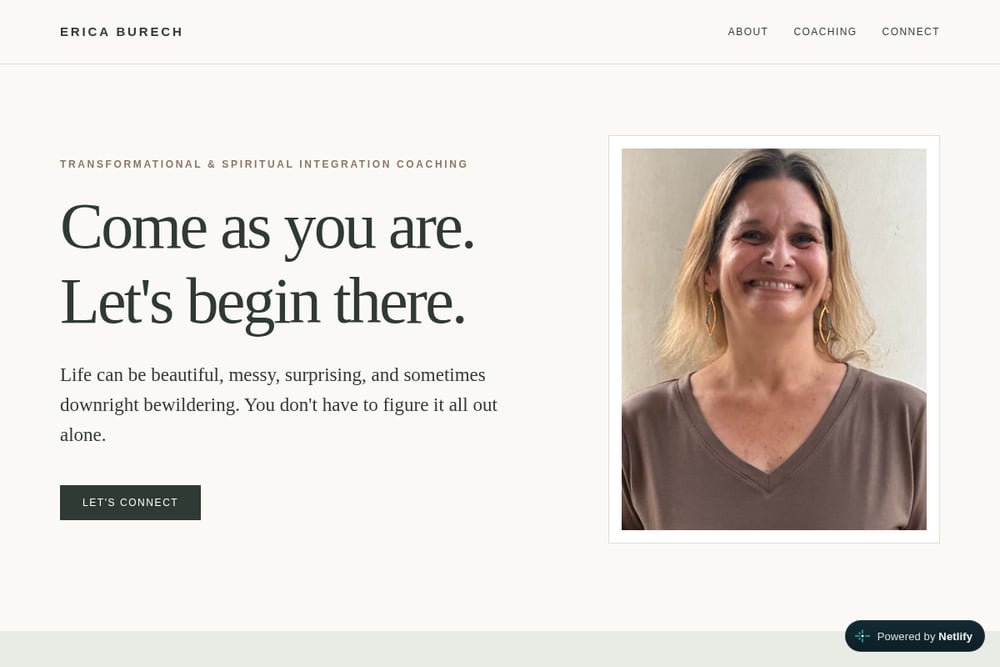 A screenshot of the Erica Burech | Coaching, Mindfulness & Meaning website.
Erica Burech brings more than 25 years of rabbinic and pastoral accompaniment to her transformational and spiritual integration coaching. She pairs that experience with Being True to You coach certification, 200-hour yoga teacher training, and a Mindfulness Meditation Teacher Certification Program with certification anticipated in January 2027. Her practice is organized around three clear areas: life's transitions, meaning and authenticity, and integration and reflection. She explicitly welcomes people of every background and belief, so you don't need to be religious or have all the answers to begin. Her tone is warm, grounded, and honest about not having life figured out, which makes the first conversation feel less like an intake and more like being heard.
#3 BodyMind Integration Life Coaching
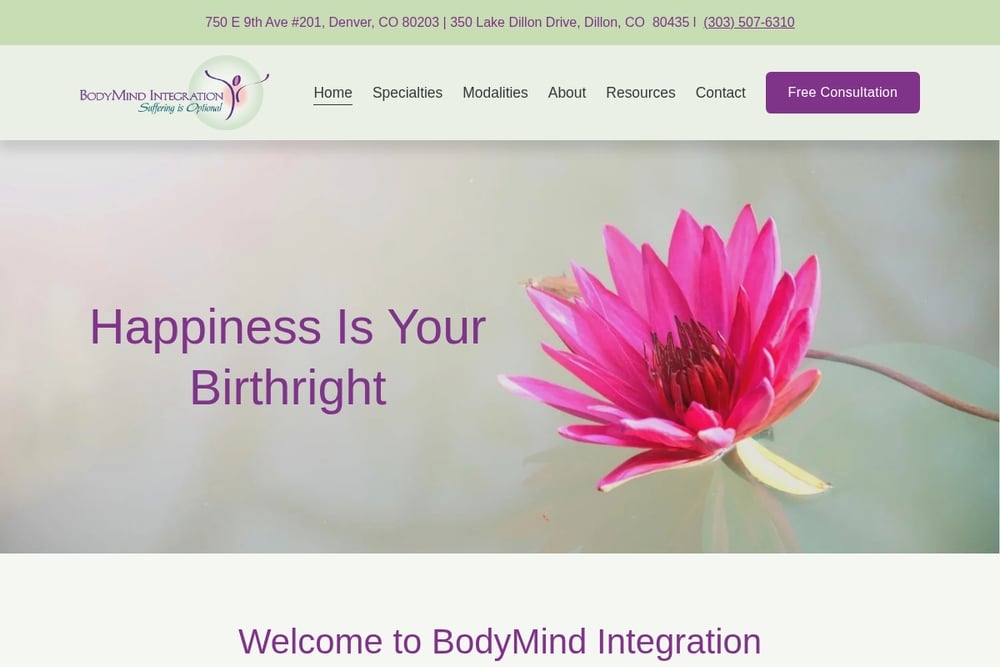 A screenshot of the BodyMind Integration Life Coaching website.
BodyMind Integration Life Coaching operates out of Denver and Dillon, Colorado, under a practitioner with a deep somatic and trauma-informed clinical background. The practice lists life coaching alongside trauma therapy, couples therapy, and chronic illness therapy, with modalities including EMDR, Internal Family Systems, Hakomi, somatic therapy, and yoga therapy. That range means the coaching can sit inside a broader clinical frame rather than apart from it. If your sense of being stuck shows up in your body, this approach takes that seriously. A free consultation is offered, which gives you a low-pressure way to test the fit.
#4 Ministry Transitions Coaching
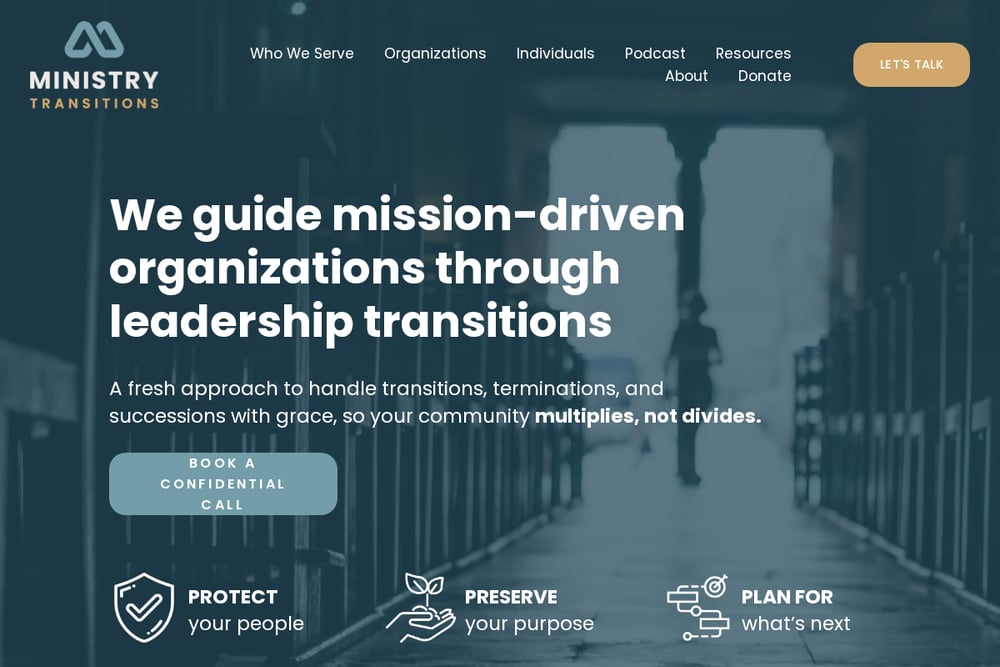 A screenshot of the Ministry Transitions Coaching website.
Ministry Transitions Coaching is built for a specific world: churches, nonprofits, missions agencies, higher education, and Christian leaders in transition. Its individual coaching paths include CareerPivot, LeaderPivot, and SoulPivot, which map neatly onto the different layers of a vocational change. The practice understands that a ministry transition isn't just a job change. It touches identity, calling, and leadership all at once. If you serve in ministry or faith-based leadership and you're navigating succession, outplacement, or a needed pivot, this practice was designed with your context in mind.
#5 Creative Now Therapy Spiritual Life Coaching
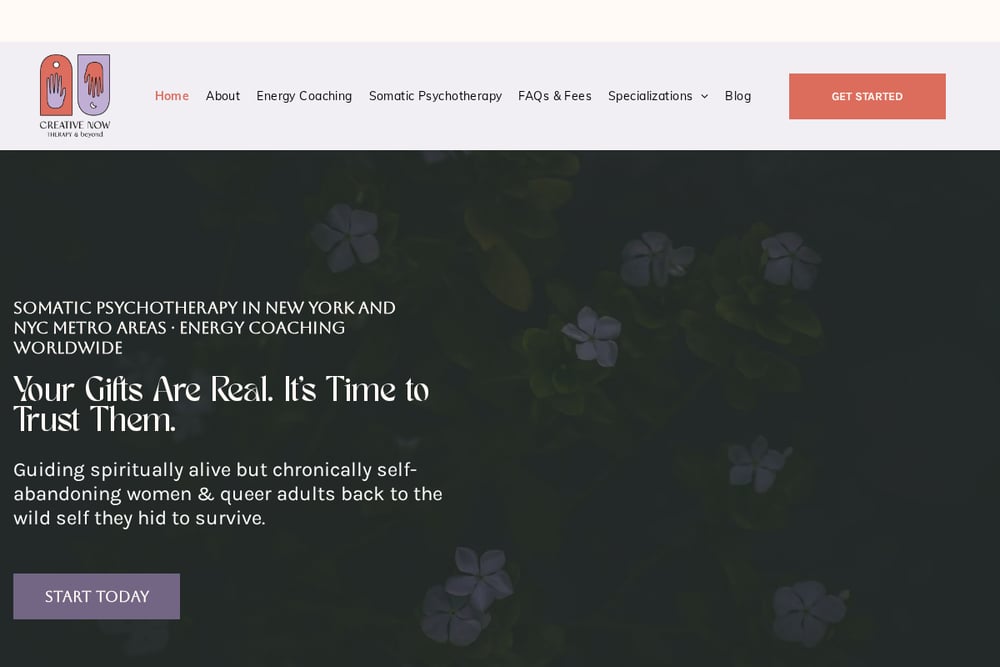 A screenshot of the Creative Now Therapy Spiritual Life Coaching website.
Creative Now Therapy approaches spiritual life coaching through energy coaching and somatic psychotherapy, with additional offerings in shadow work, astrology consultation, art therapy, and tarot. The practice is led by a licensed creative arts therapist and certified coach who writes thoughtfully about the moment when insight stops being the issue. It's a good match if you're highly sensitive, intuitive, or a fellow healer and space-holder who feels quietly disconnected from yourself. The framing honors that ache as a threshold rather than a problem to pathologize. Expect a creative, symbol-rich container rather than a structured goal-setting program.
How to Choose the Right Coach for Your Transition
Start with the nature of your transition. If you're leaving a ministry role or navigating succession, a practice built for that world will save you a lot of explaining. If you're moving through grief, a dark night of the soul, or a significant experience you're still integrating, look for someone whose training and language match that depth.
Then check the container. Ask what a session looks like, how long an engagement typically runs, and what the practitioner's training actually covers. Coaching is not psychotherapy, medical care, or crisis treatment, so be honest with yourself about what you need. If trauma is part of the picture, a somatic and clinically informed practice may serve you better.
Finally, notice how you feel reading their words. You're looking for someone who makes room for you to come as you are. That first impression is data.
Where Automation Fits in a Coaching Practice
Coaching is human work, but the admin around it doesn't have to consume the practitioner's energy. A simple workflow can protect the space that matters.
- Intake: A scheduling link with a short pre-session questionnaire captures context before the first call.
- Reminders: Automated email or text reminders reduce no-shows and free you from manual follow-up.
- Session notes: A secure, templated notes system keeps reflections organized without eating into prep time.
- Resource delivery: Automated follow-ups can share meditation audio, readings, or reflection prompts after sessions.
- Boundaries: Clear automated messaging about scope, response times, and crisis resources sets expectations early and kindly.
The goal isn't to automate the relationship. It's to clear the clutter so presence stays the priority.
Finding Your Footing
There's no single right coach for every transition. The five practices here each hold a different kind of space, from Jungian shadow work to ministry-specific pivots to somatic, body-based support.
What matters is matching the practitioner's formation to your moment. Read the language each one uses. Ask about training. Take the free consultation where it's offered. You don't have to figure it all out alone, and you don't need to have the answers before you begin.