
If you're a parent trying to secure the right support for your child, the special education system can feel like a maze. These five advocacy resources can help you find your way.
The Growing Need for Special Education Advocacy
Special education advocacy has become an essential service for families navigating the complexities of IEPs, 504 plans, and federal laws like IDEA. With rising diagnoses and increasing demands on school resources, parents often need expert guidance to ensure their children receive a Free Appropriate Public Education. Advocacy organizations range from national information hubs to local parent centers, each offering different levels of support. Understanding what each provides can save you time, money, and stress.
How We Evaluated These Advocacy Resources
We looked at service scope, clarity of information, accessibility, and how well each organization empowers parents. S.E.E.D. Advocacy offers personalized, one-on-one guidance with a focus on collaboration and parent education. Wrightslaw stands out for its extensive legal and practical library, making it a go-to for self-advocates. CPAC provides statewide training and individual assistance in Connecticut, with a strong nonprofit mission. ADAP delivers legal advocacy and case support in Alabama, including representation at IEP meetings. OCECD offers a wide range of tip sheets, sample letters, and training modules for Ohio families. Each excels in different areas, so your choice depends on your needs and location.
Here's a quick comparison of the five advocacy resources, highlighting what each does best.
| Provider | Best For |
|---|---|
| Wrightslaw | Self-advocates seeking in-depth legal information |
| S.E.E.D. Advocacy | Special Education Advocacy for Families | Families wanting personalized, collaborative advocacy |
| Connecticut Parent Advocacy Center (CPAC) | Connecticut families seeking local training and support |
| Alabama Disabilities Advocacy Program (ADAP) | Alabama families needing legal advocacy and representation |
| Ohio Coalition for the Education of Children with Disabilities (OCECD) | Ohio families looking for practical tools and training |
A Closer Look at Each Advocacy Resource
#1 Wrightslaw
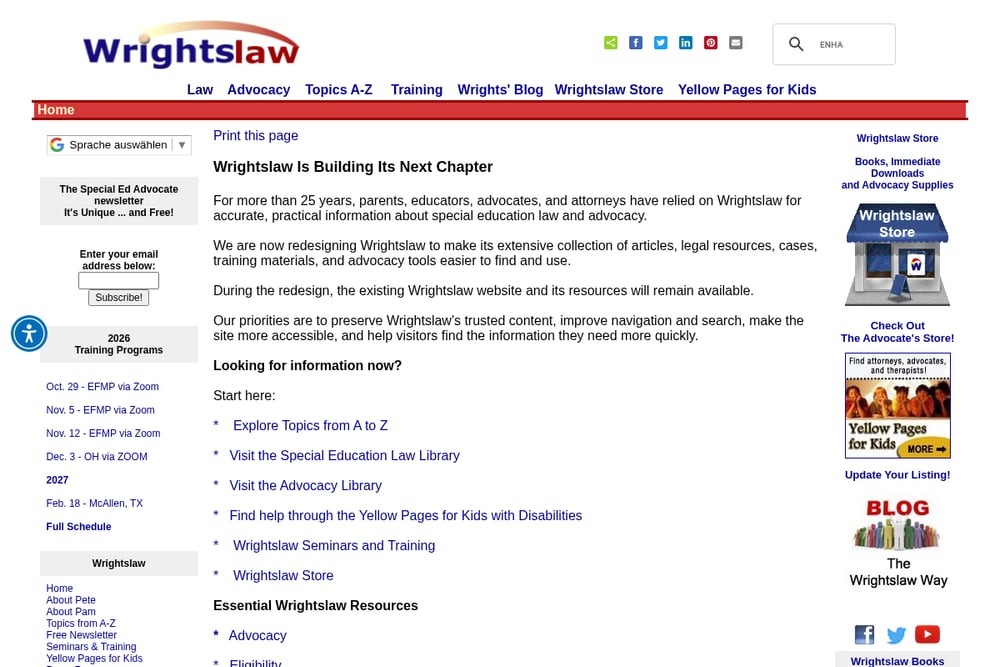 A screenshot of the Wrightslaw website.
Wrightslaw is a comprehensive online resource for special education law and advocacy. You'll find articles, training programs, and a vast library covering topics from IEPs to due process. The site is maintained by attorneys Pete and Pam Wright, offering authoritative guidance. It's ideal if you want to understand the legal framework and advocate effectively on your own. With free newsletters and a bookstore, Wrightslaw equips you with knowledge to navigate the system.
#2 S.E.E.D. Advocacy | Special Education Advocacy for Families
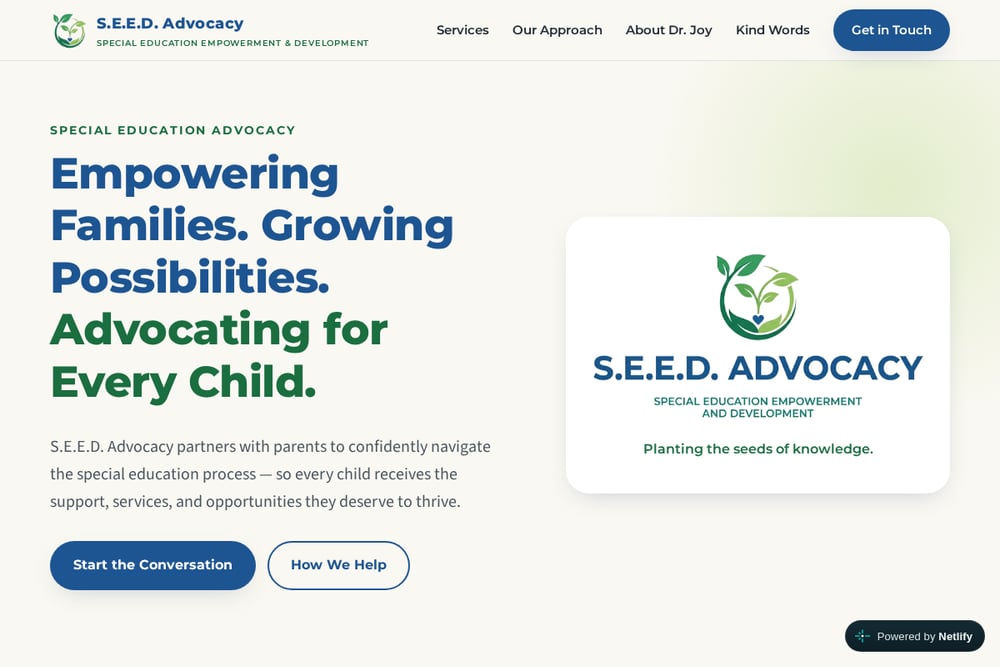 A screenshot of the S.E.E.D. Advocacy website.
S.E.E.D. Advocacy partners with parents to navigate the special education process with confidence. Led by Dr. Joy Kovanda, Ed.D., the practice offers personalized advocacy, IEP development, meeting preparation, and parent education. You'll learn how to understand your rights under IDEA and collaborate effectively with school teams. The approach is rooted in empowerment, helping you become a lifelong advocate for your child. Whether you're new to IEPs or facing a dispute, S.E.E.D. provides the guidance you need.
#3 Connecticut Parent Advocacy Center (CPAC)
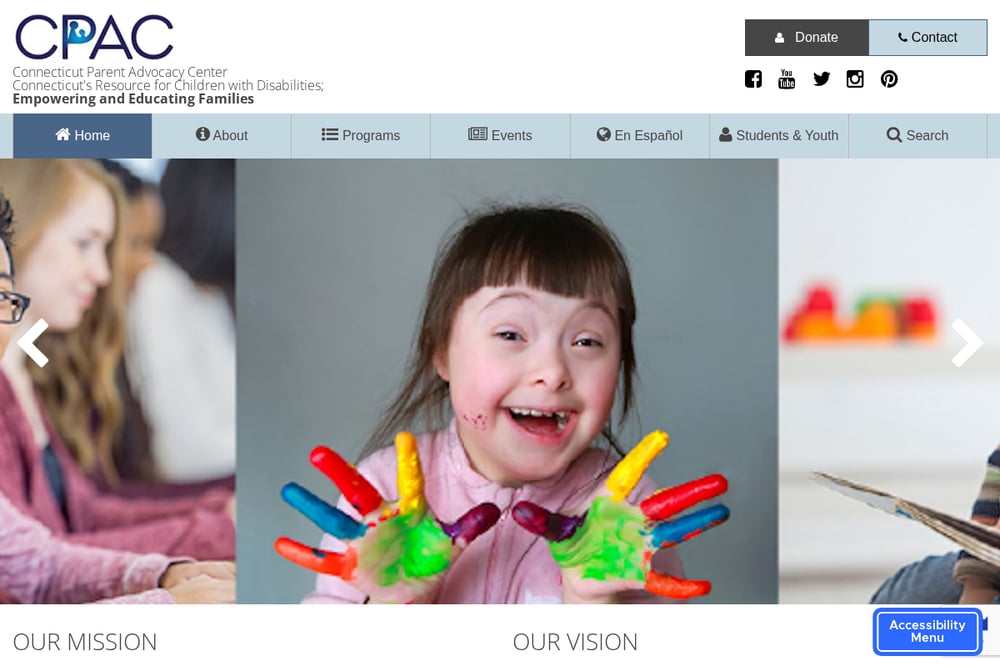 A screenshot of the CPAC website.
CPAC is Connecticut's parent training and information center, serving families of children with disabilities from birth to 26. They offer workshops, leadership training, and individual assistance to help you understand your rights under IDEA. As a nonprofit, CPAC focuses on educating and empowering families to partner with professionals. If you live in Connecticut, you can access their free resources and support. Their FAQ and Spanish materials make them accessible to diverse families.
#4 Alabama Disabilities Advocacy Program (ADAP)
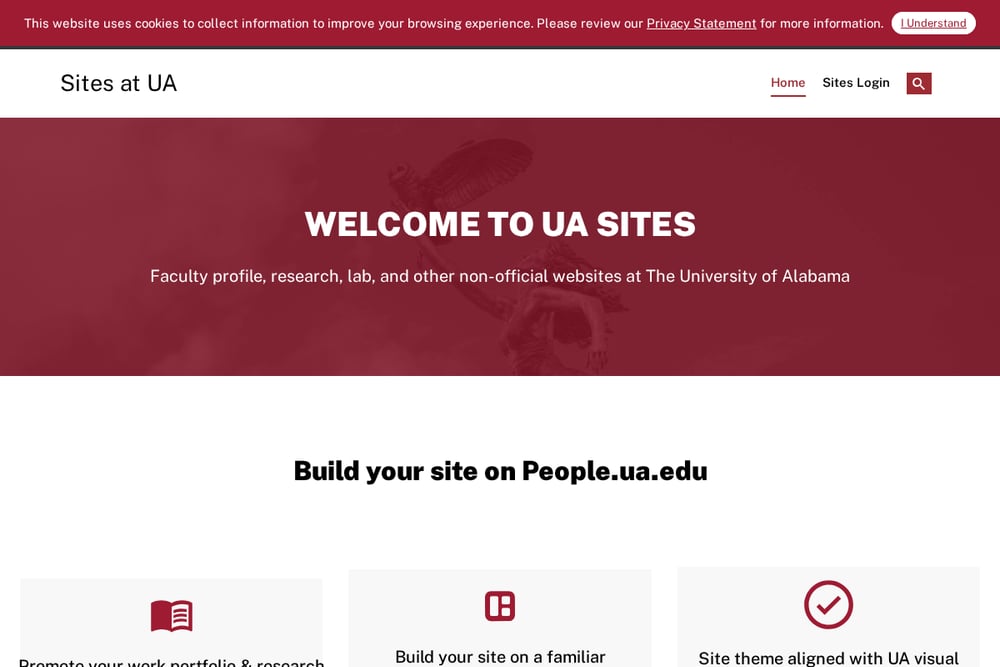 A screenshot of the ADAP website.
ADAP provides legal advocacy and information for Alabamians with disabilities, including special education matters. They offer technical assistance, case advocacy, and may attend IEP meetings or represent families in due process. As part of the University of Alabama, ADAP combines legal expertise with disability rights advocacy. If you're in Alabama and facing a complex dispute, ADAP could be a valuable ally. Their publication 'Special Education in Alabama: A Right Not A Favor' is a helpful starting point.
#5 Ohio Coalition for the Education of Children with Disabilities (OCECD)
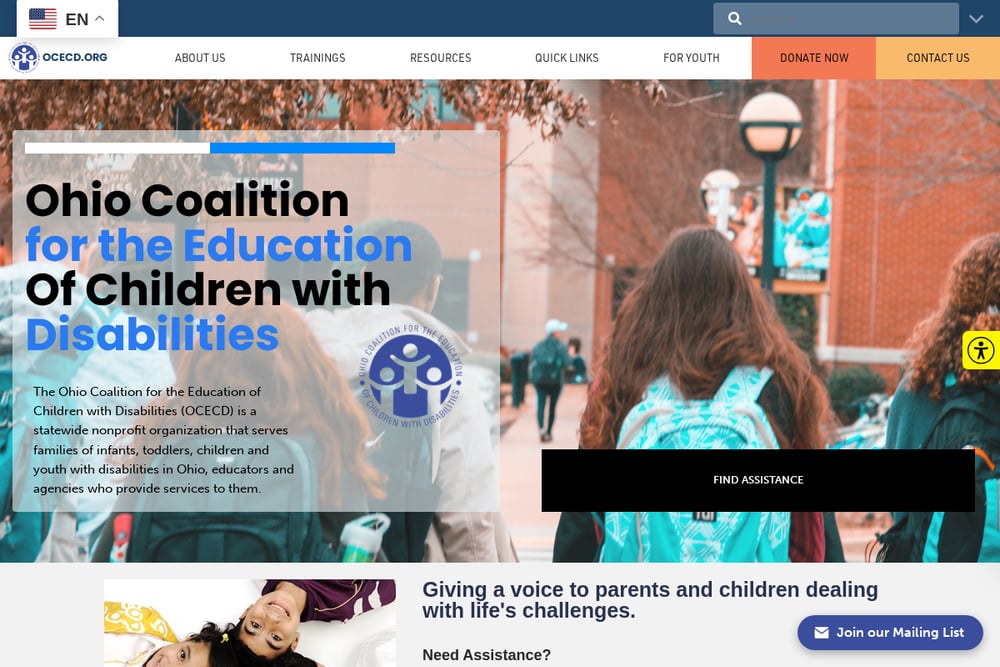 A screenshot of the OCECD website.
OCECD is a statewide nonprofit that supports Ohio families through training, resources, and tip sheets. They provide sample letters, guides on IEP goals, and information on parent rights. Their website includes modules on early intervention and youth self-advocacy. If you're in Ohio, OCECD can help you understand the special education process and connect with local assistance. Their practical tools make it easier to advocate step by step.
How to Choose the Right Advocacy Resource
Start by identifying your biggest challenge. Do you need legal information, local training, or one-on-one support? If you want to learn the law yourself, Wrightslaw is unmatched. For personalized guidance, S.E.E.D. Advocacy offers a collaborative approach. If you're in Connecticut, CPAC provides free local help. In Alabama, ADAP can assist with legal advocacy. Ohio families will find OCECD's practical tools invaluable. Consider your location, budget, and the complexity of your situation. Many organizations offer free resources, while private advocates may charge fees. Don't hesitate to contact multiple groups to see who fits best.
Streamlining Your Advocacy Workflow
You can use simple tools to stay organized. Create a digital binder for IEP documents, evaluations, and correspondence. Set reminders for meetings and deadlines. Use email templates from OCECD or Wrightslaw to communicate with schools. If you work with an advocate like S.E.E.D., they can help manage the paperwork. Consider a shared calendar with your partner or advocate. These steps reduce stress and keep you focused on your child's needs.
Empower Yourself with the Right Support
Navigating special education is challenging, but you don't have to do it alone. The five resources here offer different paths to empowerment. Whether you need legal knowledge, local training, or a personal advocate, help is available. Start with one that matches your immediate needs, and don't be afraid to combine resources. Your child's education is worth the effort. With the right guidance, you can secure the support they deserve.