
Your child can memorize math facts and still freeze when it’s time to join a game at recess. That’s where social life skills programs come in—and these five are worth your attention.
The Social Skills Training Landscape
Social life skills programs have moved from the margins to the mainstream. Parents and educators now recognize that skills like conversation, conflict resolution, and emotional regulation are just as important as academic ones. Providers range from specialized academies to counseling centers that blend therapy with skill-building. Most offer group sessions, but the best ones also provide individualized support and parent coaching. The field is growing fast, with options for every age from preschool through high school.
How We Evaluated These Programs
We looked at service scope, age range, group format, and whether the program includes parent or educator support. We also considered how clearly each provider explains its approach and pricing. Local fit mattered too—some programs are deeply rooted in their communities. Each provider stood out in different ways: some for their structured curriculum, others for their flexible, personalized style. We didn’t rank them by who’s “best”—we ranked them by how well they match different family needs.
Here’s a quick look at five programs that help children, teens, and adults build social and life skills.
| Provider | Best For |
|---|---|
| Social Skills Training Academy | Structured, age-based social skills groups |
| Empower To Thrive Together | Miriam Pardoll | Families and educators seeking personalized support |
| Plano Counseling Center | Children and teens needing targeted skill modules |
| BEE KIDS UTAH | Early learners and elementary-age children |
| Dallas Center for Social Skills | A wide variety of group therapy options |
The Five Programs in Focus
#1 Social Skills Training Academy
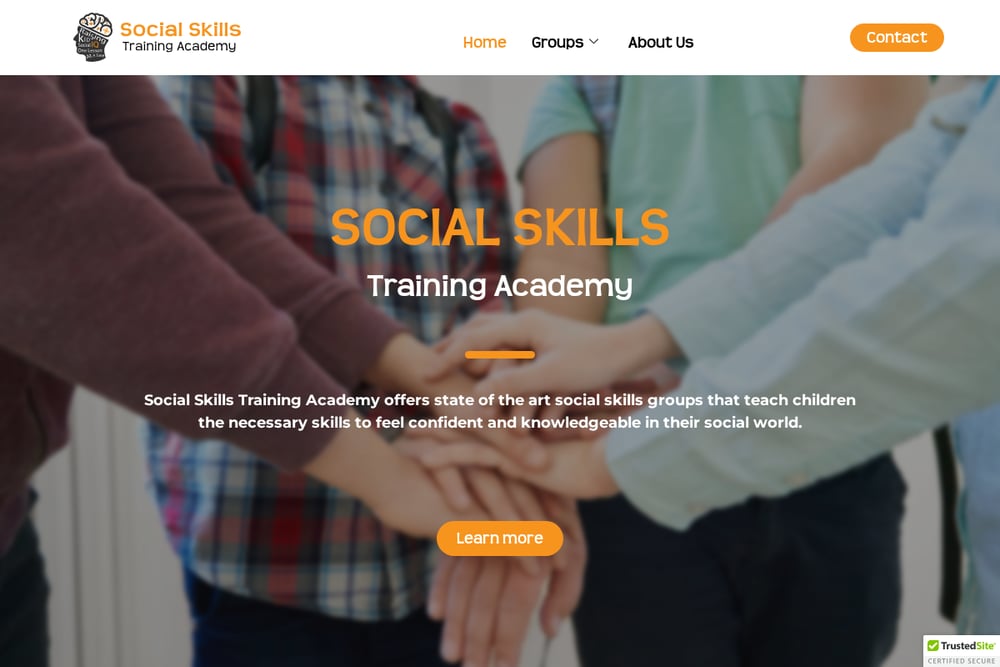 A screenshot of the Social Skills Training Academy website.
Social Skills Training Academy offers state-of-the-art social skills groups for children ages 3 to 17. Their curriculum is designed to be fun, interactive, and individualized, so kids learn without feeling like they’re in a classroom. Groups are divided by age and developmental level, from early preschool through high school. The academy believes all children can benefit from strong social skills, not just those with diagnosed needs. Their structured lessons cover everything from conversation to conflict resolution. You can learn more about their approach on their website.
#2 Empower To Thrive Together | Miriam Pardoll
 A screenshot of the Empower To Thrive Together | Miriam Pardoll website.
Empower To Thrive Together takes a holistic approach, serving educators, parents, and children. For teachers, they offer interactive workshops that move beyond PowerPoints to authentic learning experiences. For parents, they provide a space to invest in themselves and connect with others. For children and teens, they run small group and individual sessions focused on social and life skills. Their “Thrive Skills” program helps young people navigate school, friendships, and everyday life with greater confidence. A free initial consultation is available to see if it’s the right fit. You can read more about their services on their website.
#3 Plano Counseling Center
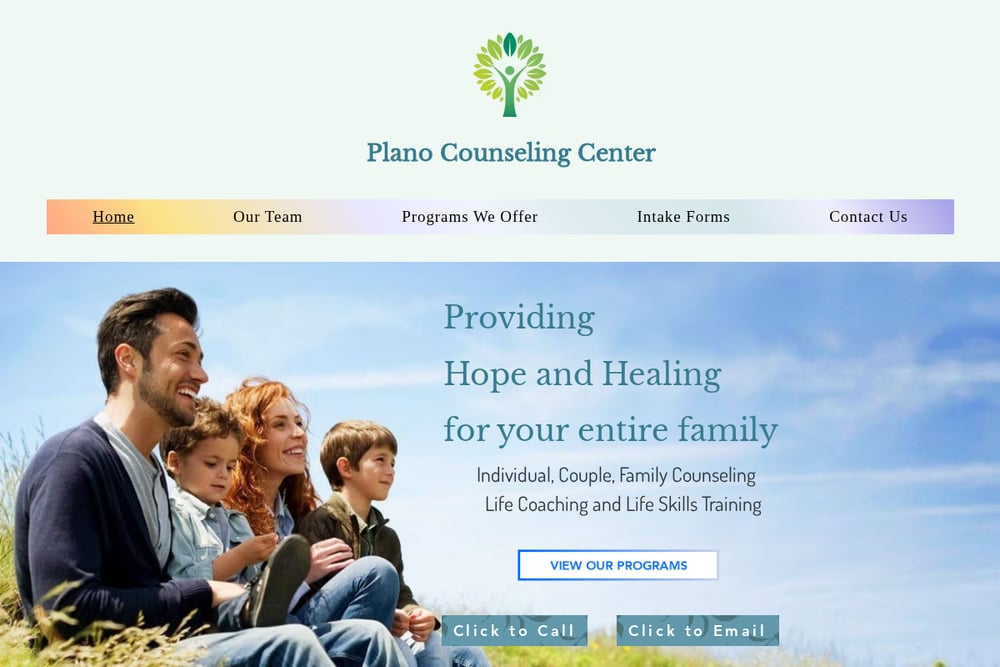 A screenshot of the Plano Counseling Center website.
Plano Counseling Center’s “Success for Life” program is a social skills curriculum taught by licensed professionals and educators. It targets children and teens who struggle with arguing, making friends, or handling bullies. The program includes modules on building healthy friendships, increasing self-confidence, anger management, and conflict resolution. Groups meet for six sessions and are capped at 5 to 8 participants, ensuring individual attention. A parent testimonial notes that the class gave their son a chance to practice skills in a fun, non-threatening environment. Visit their website to see the full module list.
#4 BEE KIDS UTAH
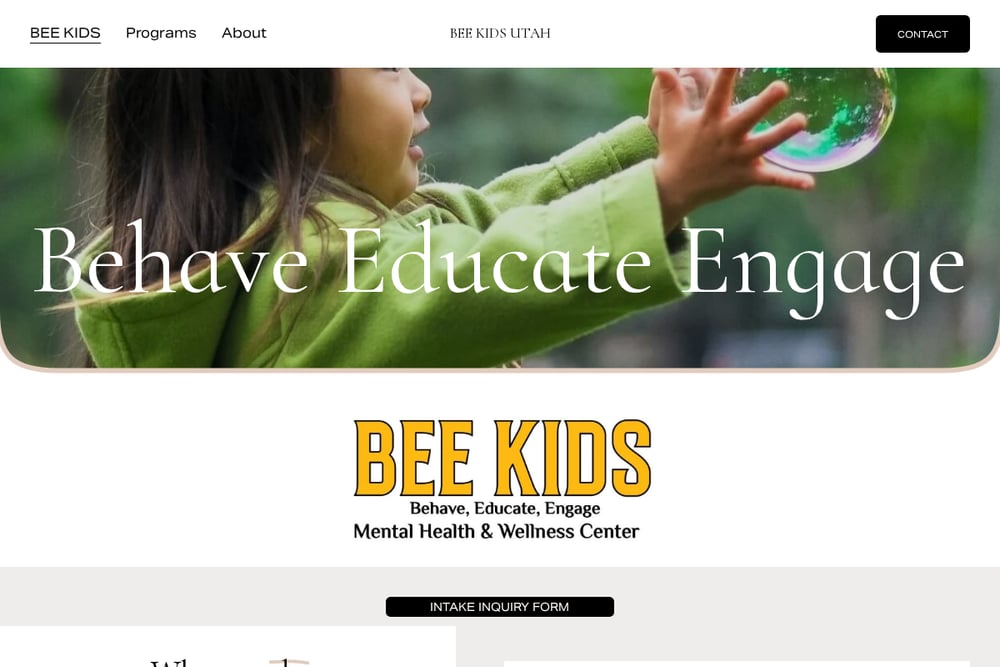 A screenshot of the BEE KIDS UTAH website.
BEE KIDS UTAH runs social skills training groups for ages 3 to 7, modeled after the PEERS program for older children. Sessions are facilitated by licensed professionals and use video modeling and role-playing to teach skills like initiating conversations and reading non-verbal cues. The groups balance structured activities with relaxed play, so kids practice in a natural setting. They also offer a 12-week program for ages 6 to 16, covering sharing, turn-taking, and more. The focus is on building confidence through hands-on practice. Their website details the full curriculum.
#5 Dallas Center for Social Skills
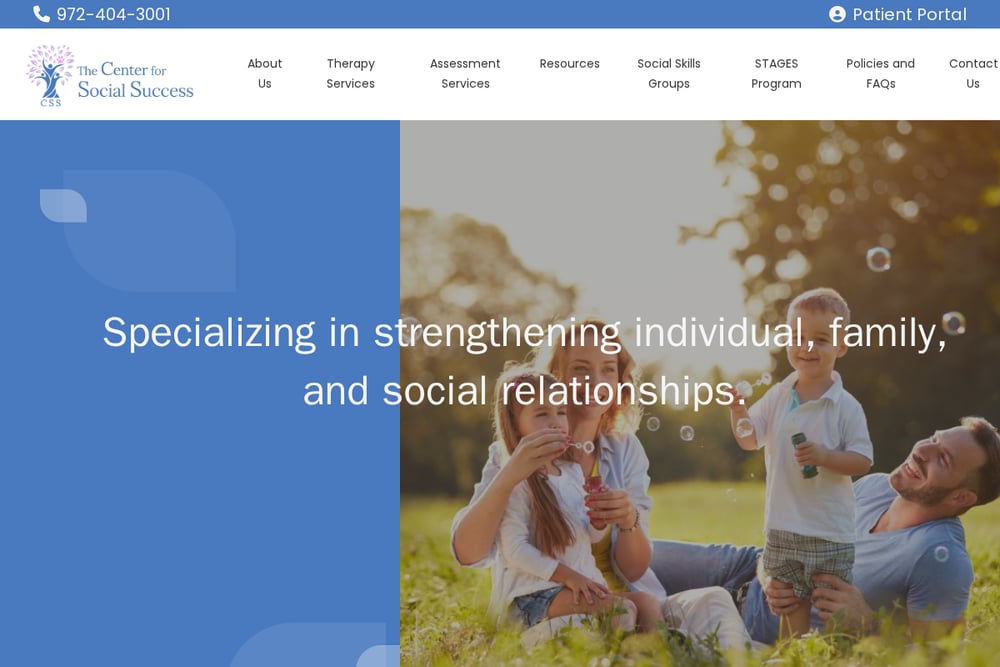 A screenshot of the Dallas Center for Social Skills website.
Dallas Center for Social Skills offers more than 15 therapeutic groups each week, including social skills, self-esteem, and parenting support. Groups are led by licensed therapists and organized by age and developmental level. The environment is low-pressure and fun, using games and role-play to practice real-world skills. They emphasize “real-life practice with real-life peers” rather than flashcards. With over 20 years of experience, their therapists specialize in helping kids connect and communicate. You can find group schedules on their website.
How to Choose the Right Program
Start by identifying your child’s specific needs. Are they struggling with making friends, managing anger, or just feeling shy? Next, consider the format: do they thrive in small groups or need one-on-one support? Check the age range and group size—smaller groups mean more individual attention. Look for programs that involve parents or offer progress updates. Finally, ask about pricing and session length. Many programs offer a free consultation, so take advantage of that to see if the fit feels right.
Automating Your Search for the Right Fit
You can streamline your search by setting up a simple workflow. First, create a spreadsheet with columns for program name, age range, group size, format, and cost. Then, use a tool like Zapier or IFTTT to monitor the websites of your top choices for updates on new sessions or openings. You can also set Google Alerts for “social skills groups [your city]” to catch new providers. Finally, use a calendar reminder to follow up after your initial consultations. This keeps you organized and ensures you don’t miss a deadline.
The Bottom Line on Building Social Skills
Social skills are life skills, and the right program can make a world of difference for your child. Whether you choose a structured academy, a counseling center, or a holistic provider like Empower To Thrive Together, the key is finding a fit that feels supportive and engaging. Don’t be afraid to ask questions and visit a session if possible. With the right guidance, your child can learn to navigate friendships, school, and life with confidence.