
Finding a sober living home that offers genuine structure, compassion, and a clear path to independence can feel overwhelming. You need a place that not only keeps you accountable but also helps you rebuild your life with dignity. We've researched
The Sober Living Landscape in King County
King County, Washington, is home to a diverse range of sober living options, from structured community homes to non-profit transitional programs. The region benefits from a strong recovery infrastructure, including hundreds of weekly AA and NA meetings, outpatient treatment centers, and employment opportunities in sectors like healthcare and technology. However, the high cost of housing and varying levels of structure mean you need to carefully evaluate each program. Whether you're looking for a live-in mentoring community or a compassionate non-profit focused on reintegration, King County offers pathways that prioritize both accountability and dignity.
How We Ranked These Programs
We evaluated each sober living program based on five key criteria: structure and accountability, support services (such as life skills training and mentoring), community integration, affordability and transparency, and resident outcomes as reflected in testimonials. Programs that offered personalized plans, clear rules, and a proven track record of helping residents achieve independence scored highest. We also considered the breadth of recovery resources available in the surrounding area.
Here is a quick comparison of the top 5 sober living programs in King County to help you find the right fit at a glance.
| Provider | Best For |
|---|---|
| Seattle Sober Living | Structured community with live-in mentoring |
| Gambit Recovery | Access to a wide recovery network and employment opportunities |
| Design for Recovery | Men seeking a fresh start with relocation to a structured program |
| Second Chance Sober Living House | Non-profit transitional housing with personalized recovery plans |
| Vanderburgh House | Understanding sober living standards and startup requirements |
Detailed Reviews of the Top 5 Sober Living Programs
#1 Seattle Sober Living
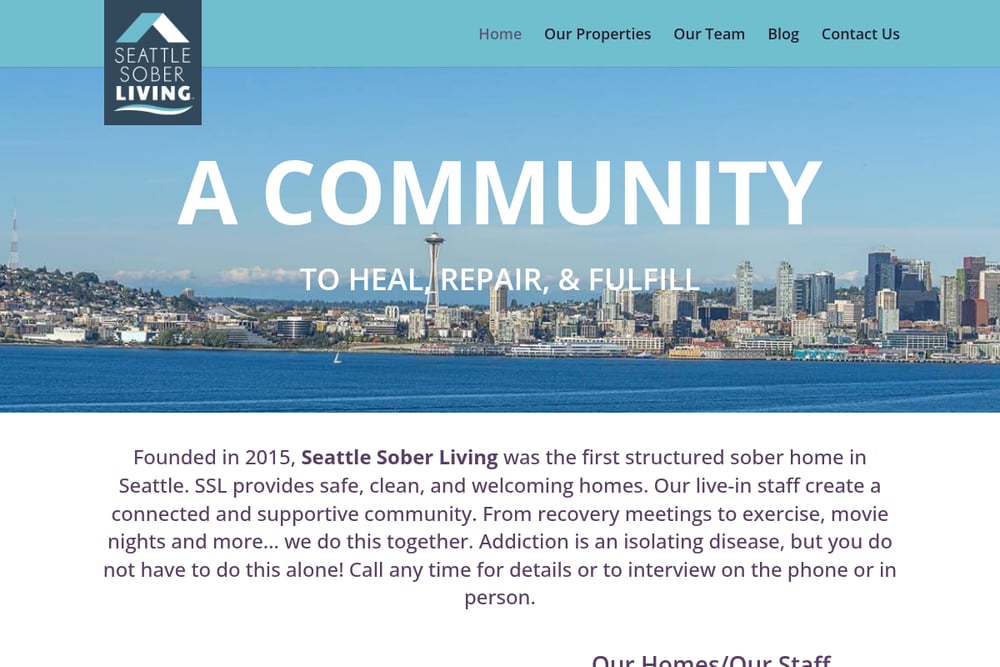 A screenshot of the Seattle Sober Living website.
Founded in 2015, Seattle Sober Living was the first structured sober home in Seattle, offering a safe, clean, and welcoming environment for both men and women. Their live-in staff create a connected community where residents heal together through recovery meetings, exercise, and social activities. The optional Mentoring Program provides one-on-one support to fast-track early recovery, covering life skills like daily planning, job searching, and financial independence. Transitional support is also emphasized, helping residents plan a careful move-out to ensure continued success. This program is ideal if you want a proven, community-driven approach with personalized mentoring from day one.
#2 Gambit Recovery
 A screenshot of the Gambit Recovery website.
Gambit Recovery offers sober living in Washington near Seattle, leveraging the Puget Sound region's robust recovery infrastructure. Residents benefit from hundreds of weekly AA and NA meetings across Seattle, Bremerton, and Kitsap County, plus access to outpatient treatment and IOP programs. The program emphasizes connection and calm, with employment opportunities in healthcare, technology, and construction. Gambit also clarifies the difference between sober living and halfway houses, helping you make an informed choice. If you want a program that integrates you into a wider recovery network while avoiding urban overstimulation, this is a strong option.
#3 Design for Recovery
 A screenshot of the Design for Recovery website.
Design for Recovery provides a structured sober living program for men from Seattle who are ready for a fresh start, though their homes are based in Los Angeles. They emphasize that a change of setting, combined with stronger structure and accountability, can make a significant difference in early sobriety. Their program is designed for those transitioning from detox, residential treatment, or unstable living situations, offering a substance-free environment with clear expectations. The admissions team helps you explore whether staying local or relocating is the right next step. This option is worth considering if you feel a geographic change could support your recovery journey.
#4 Second Chance Sober Living House
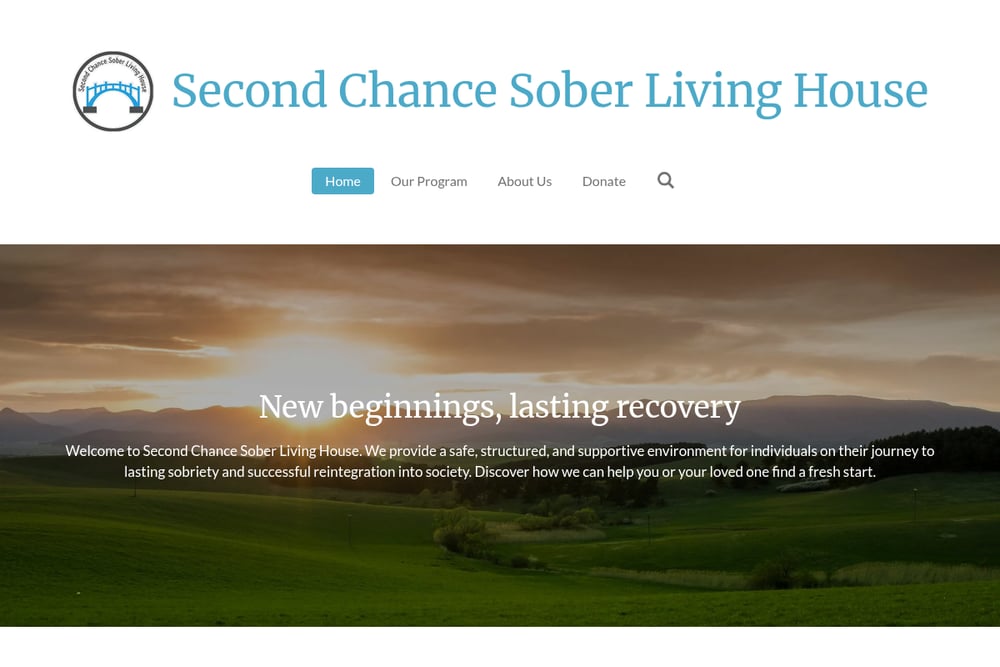 A screenshot of the Second Chance Sober Living House website.
Second Chance Sober Living House is a non-profit organization in King County, Washington, offering transitional housing and support for individuals recovering from substance use disorders and those reentering society after incarceration. They provide a safe, drug- and alcohol-free environment with clear rules to promote discipline and accountability. Each resident receives an individualized support plan tailored to their unique recovery goals, along with life skills training in financial management, job searching, and healthy living. The program also facilitates community integration by connecting residents to local resources and employment opportunities. If you value a compassionate, non-profit approach that treats everyone with dignity, this is an excellent choice.
#5 Vanderburgh House
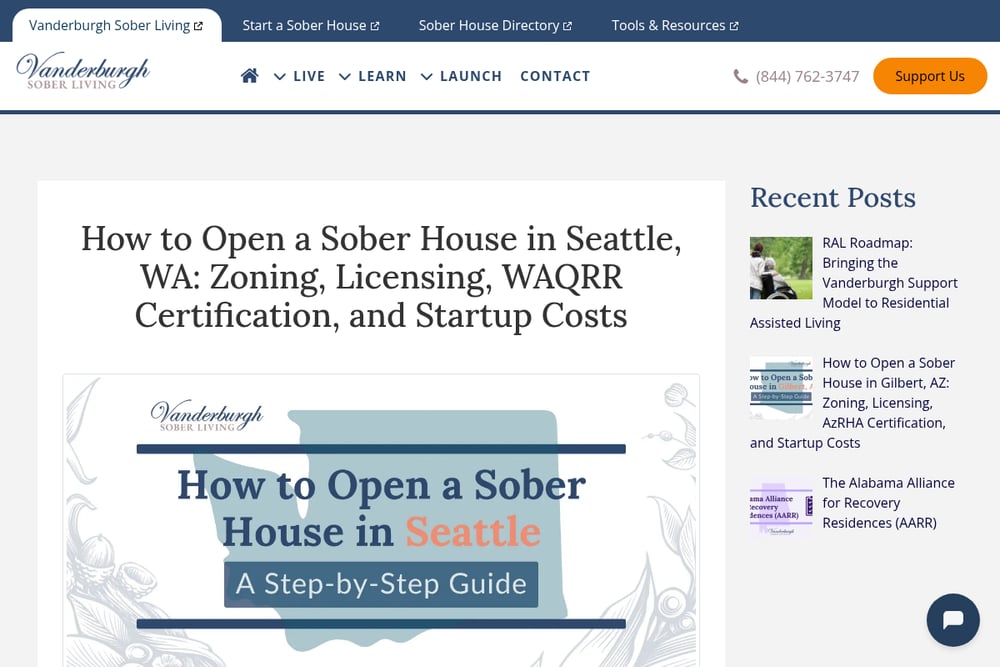 A screenshot of the Vanderburgh House website.
Vanderburgh House provides a comprehensive guide for opening a sober living home in Seattle, covering zoning, licensing, WAQRR certification, and startup costs. While primarily a resource for operators, their insights highlight the high standards expected in Seattle's sober living market. They note that Seattle has a large recovery network, extensive public transit, and strong treatment infrastructure, but also a high-cost housing market. For individuals, this resource can help you understand what to look for in a quality sober home. If you're considering becoming an operator or want to vet homes against industry best practices, this is a valuable starting point.
How to Choose the Right Sober Living Home for You
Start by identifying your top priorities: do you need a highly structured environment with live-in staff, or a more flexible program that emphasizes community integration? Look for homes that offer individualized support plans, life skills training, and clear rules to promote accountability. Verify the program's location and its access to recovery meetings, employment opportunities, and public transit. Finally, read testimonials from past residents to gauge the program's impact on real lives. A quality sober living home should feel like a supportive home, not just a place to stay.
Building a Sustainable Recovery Routine
To make the most of your sober living experience, establish a daily routine that includes attending recovery meetings, participating in life skills workshops, and setting weekly goals with your support network. Use a simple journal or app to track your progress on financial management, job searching, and healthy living habits. Regularly check in with your house manager or mentor to adjust your plan as needed. This structured approach helps you build momentum and ensures you're actively working toward long-term independence.
Your Next Step Toward Lasting Sobriety
Choosing the right sober living home is a critical step in your recovery journey. Whether you opt for the community-driven mentoring of Seattle Sober Living, the wide network access of Gambit Recovery, or the compassionate non-profit approach of Second Chance Sober Living House, each program offers a unique path to rebuilding your life. Take the time to visit homes, ask questions, and trust your instincts. Your second chance starts with the right environment and the right support.