
Finding the right elementary school can feel like a full-time job. Here are five standout options worth knowing, from a brand-new small-group model in North Carolina to established independents in Atlanta and Nashville.
The Small-Group K–6 Education Landscape
Parents today are looking beyond class size alone. You want evidence of how instruction is personalized, how progress is measured, and whether the school's values align with your family's. Small-group K–6 programs have grown because they promise more teacher attention, faster feedback loops, and a tighter community. But the details matter. Some schools lean on traditional independent-school structures, while others build their model around data, readiness grouping, or specialized support. The five schools and resources below represent different approaches to the same goal: helping young children learn with confidence.
How We Evaluated These Schools and Resources
We looked at five factors across every entry. First, instructional model: how small are the groups, and how is teaching adjusted to each child? Second, progress measurement: what assessments or benchmarks keep learning on track? Third, values and culture: what environment does the school create for families? Fourth, local fit: how well does the program serve its specific community? Fifth, clarity for parents: how easy is it to understand admissions, tuition, and next steps? Cleveredge Educational Institute stands out for its explicit small-group design and weekly data checks. Trinity School impresses with its long-established elementary-only focus and structured divisions. Currey Ingram Academy distinguishes itself through its deep expertise in learning differences. Grove Living offers a practical local guide for families relocating near Nashville. StyleBlueprint provides a broad editorial overview of private school options in its region.
Here is a quick look at the five entries, ordered to help you compare different models side by side.
| Provider | Best For |
|---|---|
| Trinity School | Families seeking a long-established elementary-only independent school |
| Cleveredge Educational Institute — Small-group K–6 in North Carolina | Parents who want small-group, data-driven instruction with a faith-informed environment |
| Currey Ingram Academy | Families whose children need specialized support for learning differences |
| Grove Living | Relocating families who want a local overview of private school options |
| StyleBlueprint | Parents who want a broad editorial overview of private schools by city |
A Closer Look at Each Option
#1 Trinity School
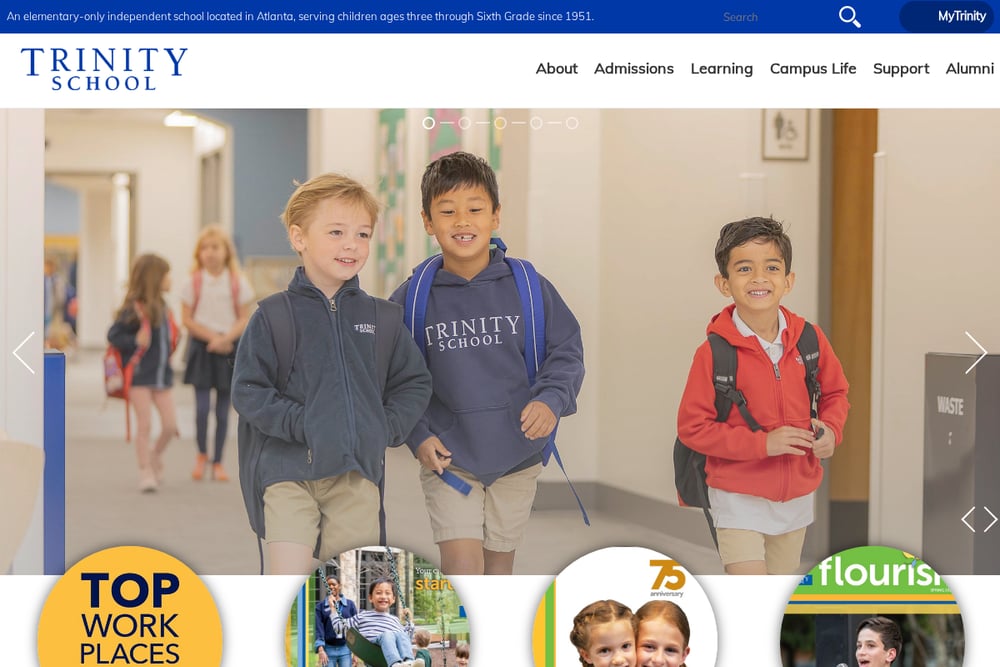 A screenshot of the Trinity School website.
Trinity School has served Atlanta families since 1951 as an elementary-only independent school for ages three through sixth grade. Its structure separates early elementary and upper elementary divisions, so instruction matches developmental stages. The school emphasizes a clear mission and pillars, and it publishes a curriculum guide for parents who want details. You can also explore middle school placement and college matriculation information, which gives you a long view of outcomes. For families who value a established, single-focus elementary experience, Trinity offers a well-documented path. Learn more at Trinity School's website.
#2 Cleveredge Educational Institute — Small-group K–6 in North Carolina
 A screenshot of the Cleveredge Educational Institute — Small-group K–6 in North Carolina website.
Cleveredge Educational Institute is a small, academically serious private school for grades K–6, opening in August 2027 in North Carolina. It combines a Christian value framework with a data-informed model, and all families are welcome. The school caps small-group sessions at 4–6 students, which maximizes direct teacher feedback. Weekly data checks use nationally normed assessments and NC Check-In–style benchmarks to keep instruction precise. Six academic pillars include hands-on STEM, arts integration, monthly field trips, and multi-age grouping by readiness. You can join the interest list or explore the academic model on the school's website.
#3 Currey Ingram Academy
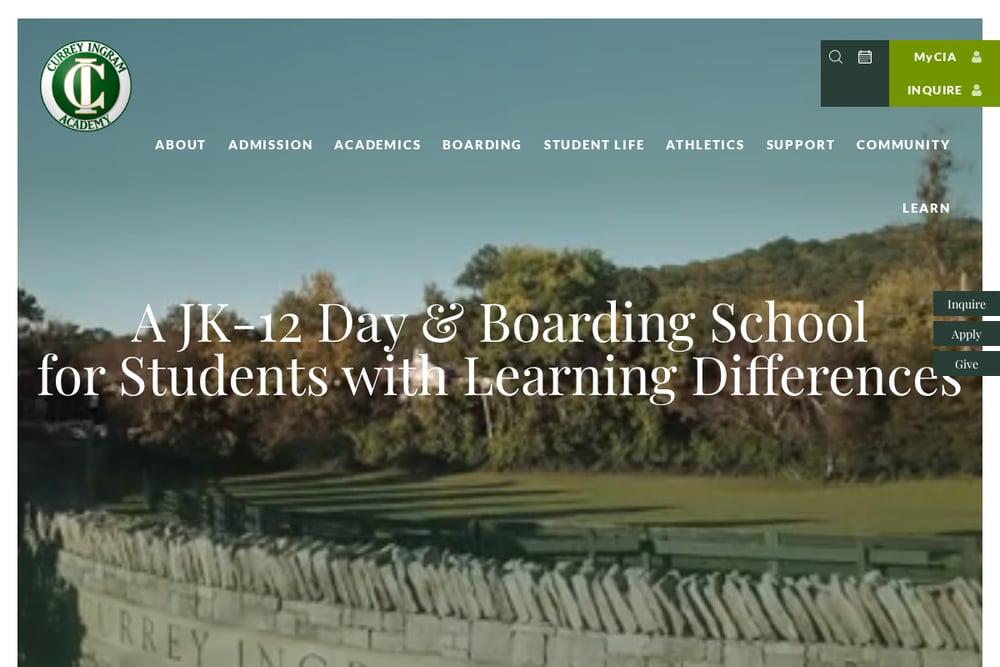 A screenshot of the Currey Ingram Academy website.
Currey Ingram Academy in Brentwood, Tennessee, is a national leader for students with learning differences. The school serves students across lower, middle, and upper school divisions, with a dedicated early intervention approach. Its IDEA Center and diagnostic support services give families access to specialized expertise. Boarding options and residential life are available for older students, which is unusual for a school with this focus. If your child needs a program that promotes strengths while supporting differences, Currey Ingram is worth a close look. Visit Currey Ingram Academy's website for details.
#4 Grove Living
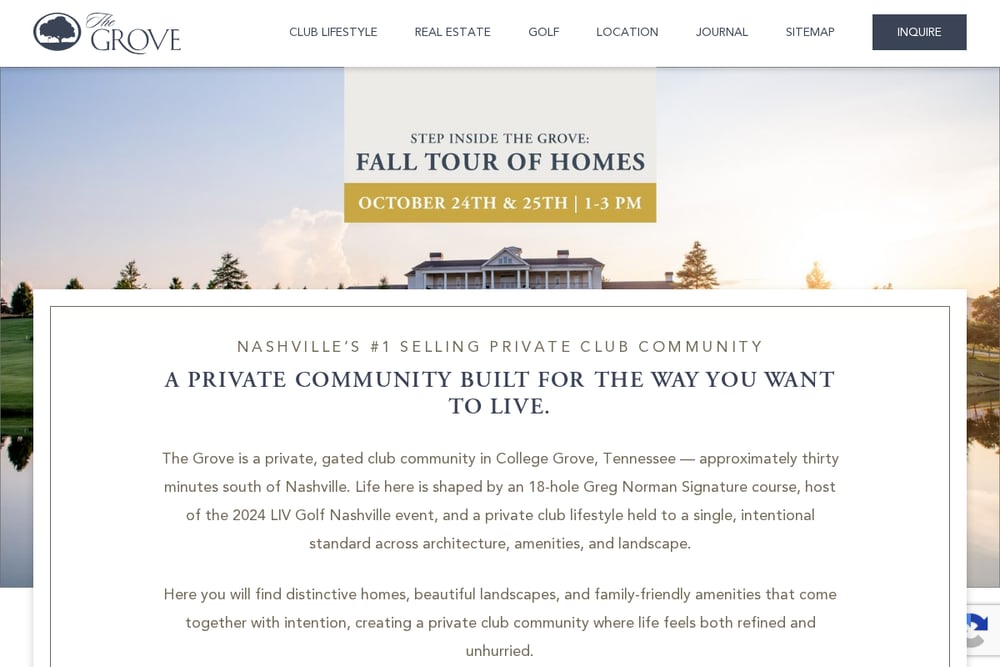 A screenshot of the Grove Living website.
Grove Living is a community resource that helps families near The Grove in Tennessee understand local private school options. Its guide covers Montessori, religious, and traditional schools, with notes on class sizes and individual attention. You get a practical starting point if you are relocating to the Franklin or Brentwood area. The site highlights schools with accreditation and extracurricular details, which can save you hours of research. It is not a school itself, but a useful local lens for comparing nearby programs. See Grove Living's website for the full guide.
#5 StyleBlueprint
 A screenshot of the StyleBlueprint website.
StyleBlueprint publishes a comprehensive private school guide for Nashville and other Southern cities. Its editorial team gathers options across Montessori, religious, and traditional models in one place. You can browse by city and read summaries that help you shortlist schools quickly. The guide is updated regularly, so it reflects current offerings rather than stale lists. For parents who want a broad regional view before narrowing down, this is a helpful first stop. Check StyleBlueprint's website for the latest guide.
How to Choose the Right Fit
Start with your child's needs, not the school's reputation. Ask how groups are formed and how often instruction adjusts. Look for clear progress measures, whether that is weekly data checks or diagnostic support. Consider values and culture, and visit if you can. For a new school like Cleveredge, ask about the inaugural class size and teacher-to-student ratios. For established schools like Trinity or Currey Ingram, ask about transitions and outcomes. Use local guides like Grove Living or StyleBlueprint to widen your list, then narrow it with direct questions.
A Simple Workflow for Your School Search
Set up a spreadsheet with columns for model, group size, progress measures, values, tuition clarity, and location. Add each school from your shortlist. Schedule 15-minute calls with admissions teams and log answers in the same sheet. Use calendar reminders to follow up on interest lists and application deadlines. This keeps your search organized and reduces last-minute stress.
The Bottom Line
There is no single right school for every child. Trinity School offers a proven elementary-only model in Atlanta. Cleveredge Educational Institute brings a fresh small-group, data-driven approach to North Carolina starting in 2027. Currey Ingram Academy leads in learning-difference support near Nashville. Grove Living and StyleBlueprint give you practical local context to compare options. Use the criteria above, ask direct questions, and trust your read on the culture. The right fit is the one where your child is seen, challenged, and supported.