A pre-tax hospital indemnity program can lift take-home pay and trim payroll taxes at the same time, but only if you understand the math and the IRS rules behind it. These five resources help you get there without the guesswork.
Where Section 125 hospital indemnity stands now
Section 125 cafeteria plans have been part of the tax code since 1978, and hospital indemnity coverage has quietly become one of the most pitched add-ons for mid-sized employers. The appeal is simple: employees pay premiums with pre-tax dollars, receive fixed cash benefits after a qualifying event, and you shave FICA off every dollar routed through the plan. The catch is that the IRS has issued multiple memos on how these arrangements are taxed, and some pitches overstate the savings. That makes education and compliance support the real differentiator among providers.
How these resources were compared
Each resource was weighed on four things: depth of Section 125 and fixed indemnity education, clarity around the tax math and compliance risk, usefulness to employers with 100+ employees, and how easy it is to act on what you learn. Pricing transparency and hands-on implementation support also factored in. The detail on each one lives in its description below.
Here is the short version before the deep dive: one resource is built specifically for the 100+ employee crowd, one is a CFO-grade guide, and the rest range from benefit platforms to full-service brokers. Match the resource to where you are in the decision.
| Provider | Best For |
|---|---|
| Oak125 | CFOs vetting a vendor pitch |
| The Pre-Tax Playbook | Section 125 Hospital Indemnity for Employers with 100+ Employees | Employers with 100+ employees |
| HealthCues | HR leaders building the case |
| Employee Benefits Planner | Teams worried about admin load |
| Planstin | Owners new to Section 125 |
The five resources, one by one
#1 Oak125
Oak125 publishes a CFO-focused guide to Section 125 fixed-indemnity plans that reads like a diligence memo rather than a sales page. It walks through the line-by-line payroll tax math, summarizes the IRS memos from 2016, 2017, and 2023, and flags the questions your CPA should ask before you sign anything. The guide is candid that some plans are sound and some are aggressive, which is refreshing in a category full of big claims. It also breaks out industries where the fit is strongest, including construction trades, senior living, and ESOP companies. If you want to pressure-test a pitch you just received, start here.
#2 The Pre-Tax Playbook | Section 125 Hospital Indemnity for Employers with 100+ Employees
 A screenshot of The Pre-Tax Playbook | Section 125 Hospital Indemnity for Employers with 100+ Employees website.
The Pre-Tax Playbook is an employer's briefing built specifically for companies with 100+ employees, and it shows. It opens with the quiet math of going without coverage, citing that 37% of adults could not cover a surprise $400 bill with cash and that 26% skipped medical care last year because of cost. From there it walks through how the pre-tax premium, fixed cash benefit, and payroll pass-through actually work, with a source cited for every claim. You can read it as an owner, CFO, HR leader, or PEO and broker, and there is a CFO kit plus a 90-second video if you want the short version. It is careful to note the policy is fixed indemnity, not health insurance, which tells you the compliance framing is serious.
#3 HealthCues
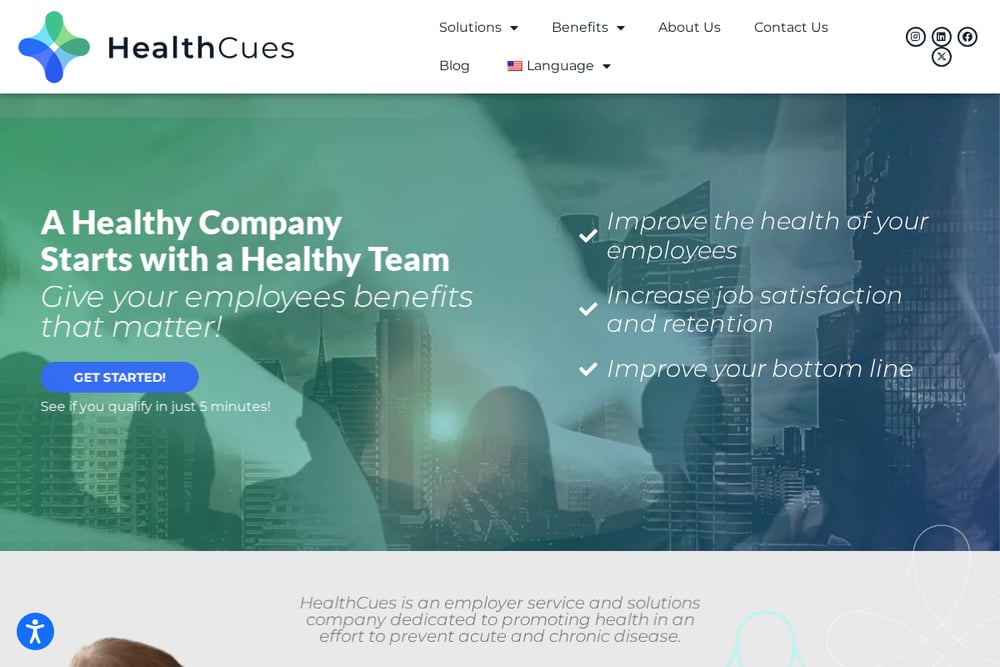 A screenshot of the HealthCues website.
HealthCues frames Section 125 as a shared-value play, which is a useful lens if you are selling the idea internally. The article explains how a cafeteria plan lets employees reduce taxable income while you reduce FICA expense, and it places hospital indemnity alongside dependent care and health premiums as common elections. It leans on the long history of Section 125 and the established IRS framework, which helps when you need to reassure a skeptical finance team. The tone is measured and employee-centered rather than tax-savings hype. Good background reading for HR leaders building a total rewards story.
#4 Employee Benefits Planner
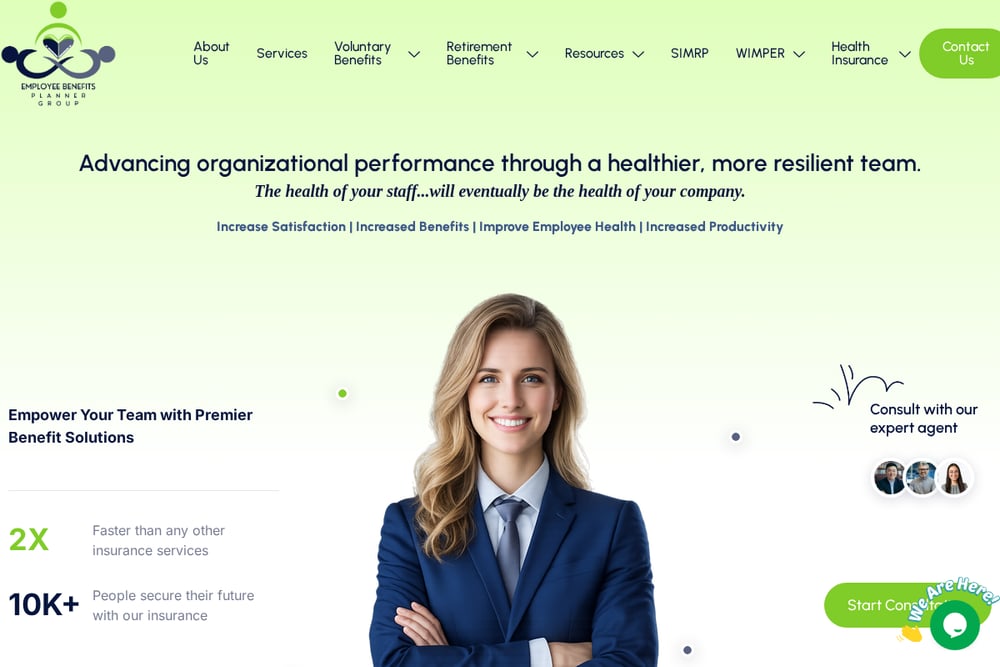 A screenshot of the Employee Benefits Planner website.
Employee Benefits Planner covers Section 125 plans as part of a broader voluntary benefits and administration offering. The value here is the operational detail: payroll integration, carrier integration, year-round enrollment support, and life-event changes that keep deductions accurate. If your concern is not the concept but the administrative lift of running a plan across a large hourly workforce, this is the practical angle. It also situates hospital indemnity next to accident, critical illness, and disability products so you can see how the pieces fit together. Worth a look if you want a partner who handles the back office.
#5 Planstin
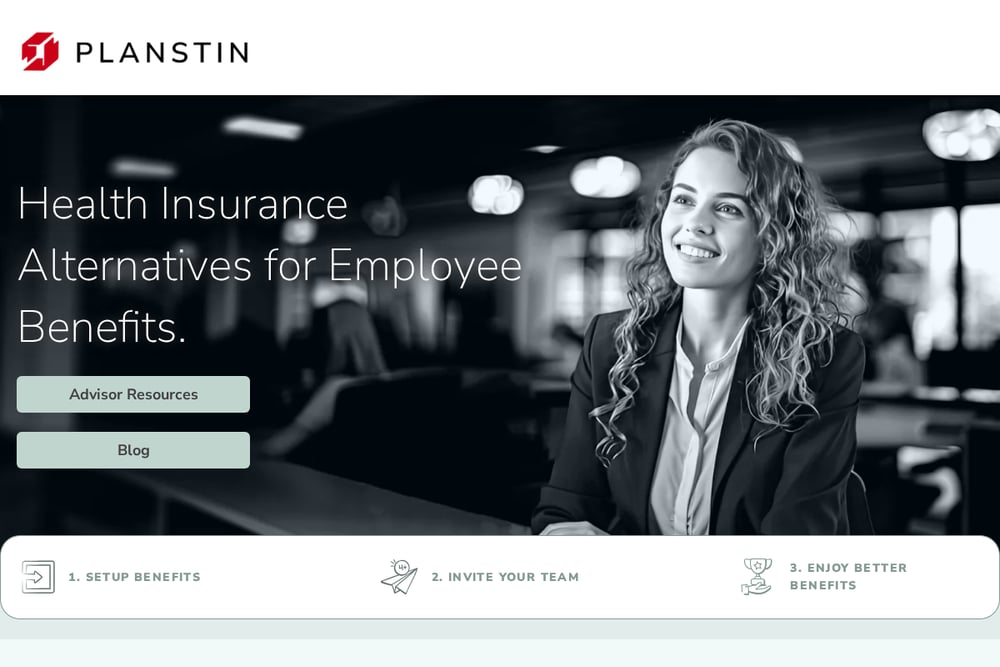 A screenshot of the Planstin website.
Planstin's guide focuses on Section 125 premium only plans and is a solid primer for business owners new to the concept. It explains why the plan must be formally drafted and adopted to comply with IRS regulations, and it is clear about which expenses are and are not eligible for deduction. The article also notes that almost any business can offer a POP but not every employee may be eligible to participate, a distinction that trips people up. It recommends professional help given the complexity, which is honest advice. Use it as a starting point before you move to a hospital indemnity-specific resource.
How to pick the right resource
Start with your question. If you are evaluating a specific vendor pitch, go to Oak125 for the diligence checklist. If you need a program designed around a 100+ employee headcount, The Pre-Tax Playbook is the closest match and gives you the math plus the citations. If you are still convincing internal stakeholders, HealthCues helps you frame the shared value. If administration is your worry, look at Employee Benefits Planner. And if you are brand new to cafeteria plans entirely, Planstin's primer will get you oriented. Whichever you choose, confirm the compliance posture before you sign anything.
Putting the math to work
Pull your current headcount, average premium, and payroll tax rate, then model the pre-tax shift against your FICA exposure. Run the numbers for your lowest-paid cohort first, since that is where take-home pay gains matter most and where participation tends to lag. Cross-check the model against the IRS guidance summarized in the resources above, and have your CPA review the plan document before enrollment opens. Then track participation and claims in the first two quarters so you can adjust communications rather than guess.
The bottom line
Section 125 hospital indemnity is not free money, and any resource that says otherwise is a red flag. The right program can raise take-home pay for your frontline workers and lower your payroll taxes on the same dollars, but it only works when the plan document, the payroll setup, and the tax treatment are all correct. Use these five resources to understand the mechanics, pressure-test the claims, and get your CPA involved early. Do that, and the quiet math starts working in your favor.