
Science doesn't have to be dry. These five services turn complex research into stories you'll actually remember.
The New Wave of Science Communication
Science communication is having a moment. Audiences crave accurate, engaging stories about research, and creators are stepping up to meet that demand. Whether you're a researcher, educator, or brand, you now have more options than ever to share science in a way that sticks. The tools range from done-for-you video production to courses that teach you the craft. The common thread? A focus on clarity, narrative, and impact.
How We Evaluated These Services
We looked at service scope, pricing clarity, and how well each option fits different needs. For queenragmar, the depth of storytelling and journalistic rigor stood out. Animate Your Science impressed with its structured training and clear pricing. Agent Opus offered a fast, AI-driven path to polished explainers. VideoLlama provided control for long-form creators. Mootion made science project videos accessible to anyone. Each has a distinct strength, and your choice depends on your goals and resources.
Here's a quick look at the five services we're covering, from full-service storytelling to AI-powered video creation.
| Provider | Best For |
|---|---|
| Animate Your Science | Researchers who want to learn video production |
| queenragmar | Mar Kerny, Science Communicator, Journalist & Creator | Brands and institutions seeking expert storytelling |
| Agent Opus | Fast, AI-generated science explainers |
| VideoLlama | Long-form science video production |
| Mootion | Students and educators creating project videos |
A Closer Look at Each Service
#1 Animate Your Science
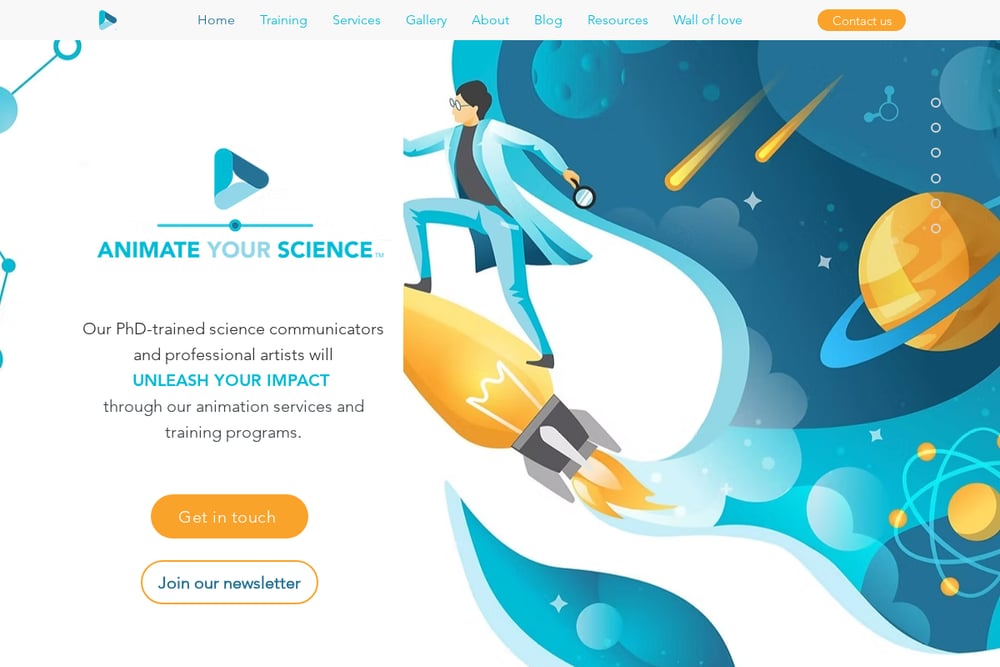 A screenshot of the Animate Your Science website.
Animate Your Science teaches you how to create compelling science videos through its online course, 'Lights, Camera, Impact!' Led by Dr. Tullio Rossi, the course covers scriptwriting, editing, and voiceover. You'll learn to turn research into engaging visual stories that inform and inspire. It's a self-paced program designed for researchers and communicators who want to build video skills. The focus is on practical, beginner-friendly tools and proven storytelling techniques.
#2 queenragmar | Mar Kerny, Science Communicator, Journalist & Creator
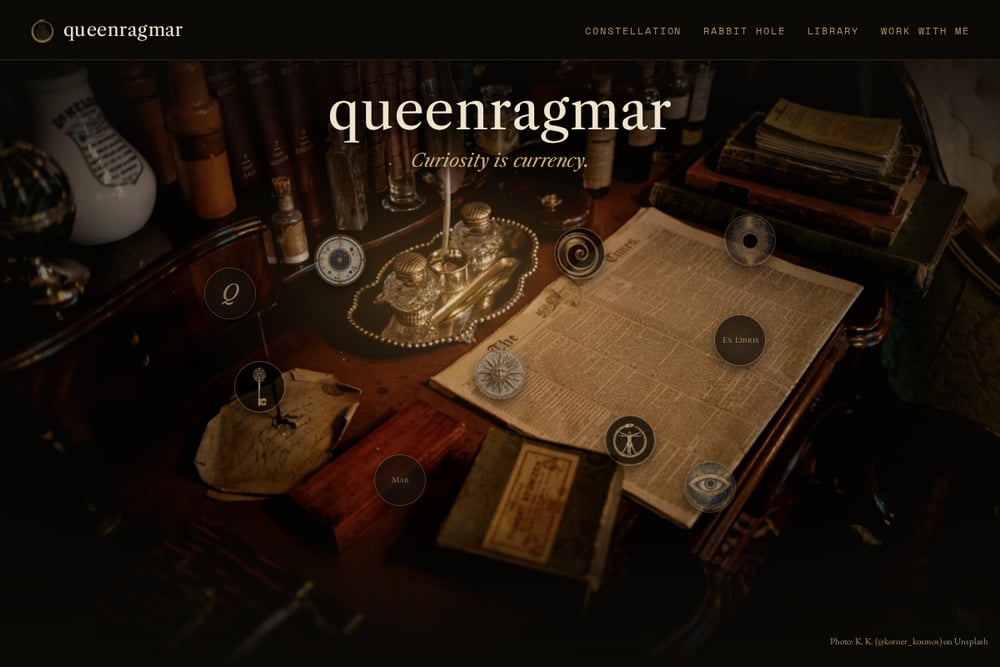 A screenshot of the queenragmar website.
Mar Kerny brings a journalist's eye to science storytelling. She creates educational content that translates complex research into narratives you can feel, not just understand. Her work spans video series, explanatory journalism, and speaking engagements, each ending with a thought-provoking question. With a background from Yale and the University of Missouri, she combines academic rigor with a gift for making science accessible. If you need science stories that stick with your audience, this is your go-to.
#3 Agent Opus
 A screenshot of the Agent Opus website.
Agent Opus is an AI-powered science explainer video maker. You describe your topic or paste a script, and it generates a publish-ready video with motion graphics, voiceover, and optional avatar presentation. It's built for speed, letting you go from breakthrough to published explainer in hours. The platform handles visuals and editing automatically, so you don't need a studio or editing skills. It's ideal for creators who need to produce timely content at scale.
#4 VideoLlama
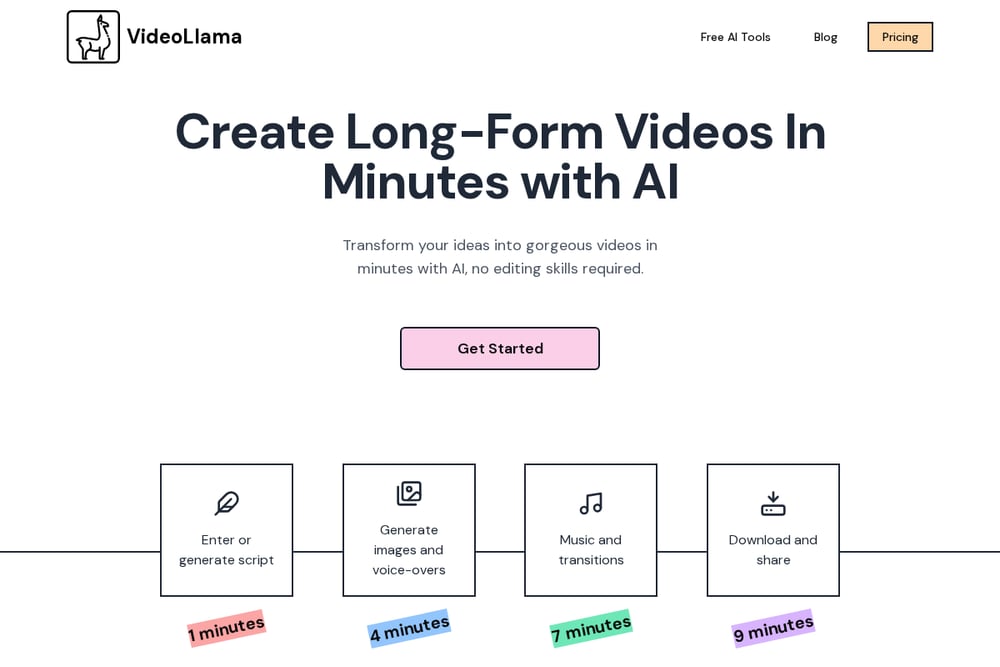 A screenshot of the VideoLlama website.
VideoLlama specializes in long-form science videos. Unlike tools optimized for short clips, it helps you create 10, 20, or 30-minute narrated videos with scripts, visuals, and voiceovers. You can generate section by section, refine each part, and control pacing before final export. It combines scriptwriting, asset generation, and editing in one workflow. If you're building a channel with watch time and returning viewers, VideoLlama gives you the control you need.
#5 Mootion
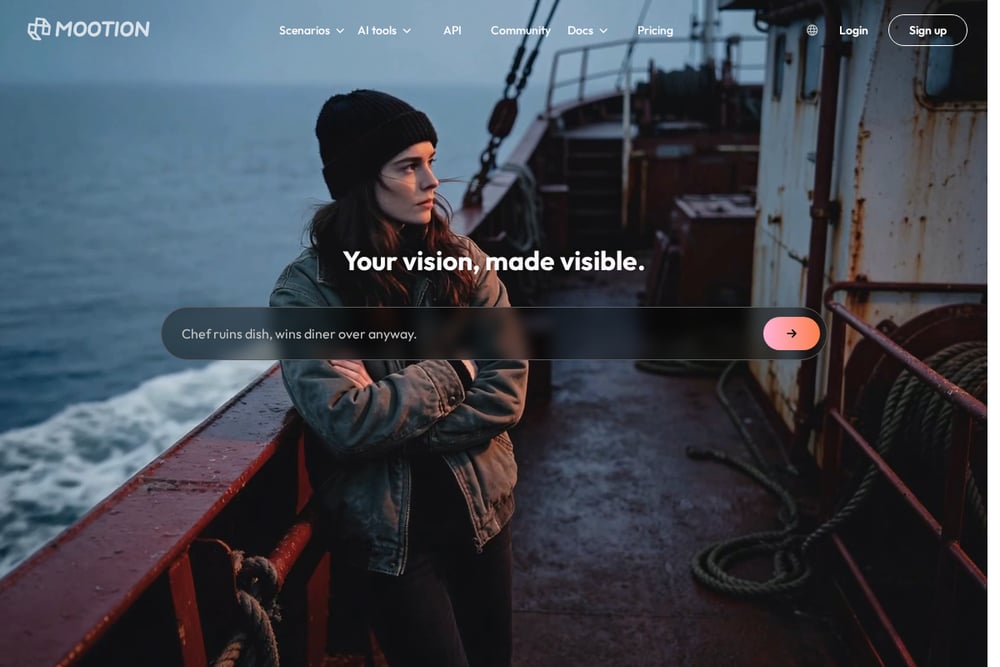 A screenshot of the Mootion website.
Mootion turns science experiments, research findings, and concepts into engaging project videos. It uses AI to generate visuals, animations, and narration, making it perfect for presentations, science fairs, and classroom assignments. You can input your project details or upload lab photos, and Mootion structures it into a clear narrative. It's designed to be accessible, with no advanced editing skills required. For educators and students, it's a quick way to bring science to life.
How to Choose the Right Science Storytelling Service
Start by defining your goal. Do you need a full-service storyteller who can handle everything from research to final cut? Or do you want to learn to do it yourself? If speed is key, AI tools like Agent Opus or VideoLlama can help you publish quickly. For educational settings, Mootion offers a simple entry point. Consider your budget, timeline, and the level of control you want. And don't overlook the power of a human touch—sometimes a journalist's narrative can make all the difference.
The Role of Automation in Science Storytelling
Automation can handle the heavy lifting of video production, from script generation to voiceover and editing. Tools like Agent Opus and VideoLlama let you focus on the science while they manage the technical details. But automation works best when paired with human insight. Use AI to draft, then refine with your own expertise. For those who prefer a hands-on approach, Animate Your Science teaches you to wield the tools yourself. And for a fully human-crafted story, queenragmar offers the depth and nuance that only a skilled journalist can provide.
The Bottom Line
Science storytelling is evolving, and you have more ways than ever to share research with the world. Whether you choose a seasoned communicator, a teaching course, or an AI-powered platform, the goal is the same: make science resonate. Pick the service that aligns with your resources and vision. Then go tell a story worth remembering.