
You want funding for school without drowning in applications. You also want your web code to stay yours. These five services tackle both sides of that coin.
Two Markets, One Goal: Protecting What You Build
The US market for education and training services keeps expanding as students hunt for scholarships and families look for faster ways to cut tuition costs. At the same time, a parallel market has grown around protecting the JavaScript and client-side code that powers modern websites. Both markets share a simple promise: save you time, money, or risk. Scholarship concierge services compress months of searching into a structured plan. Code obfuscation tools turn readable source into protected output that is harder to copy or reverse-engineer. You will see both types in this roundup because the featured business sits in education, while the comparison set comes from the code protection space. That mix matters if you run a small education brand or a side project that needs both funding help and code safety.
How We Evaluated Each Service
We looked at service scope, pricing clarity, and how well each option fits a US-based user. For the scholarship service, we checked whether the offer is specific, time-bound, and easy to act on. For the code protection tools, we checked whether free tiers exist, whether pricing is published, and whether the tool handles browser JavaScript without extra setup. We also weighed documentation quality, evidence for security claims, and how quickly a beginner could get a result. Each business stood out on different factors. The scholarship service stood out for a narrow, deadline-driven promise. The obfuscation tools stood out for free entry points, published plans, or enterprise-grade evidence. No single factor decided the order. We matched each service to the reader most likely to need it.
Here is the short version before the deep dive. The featured scholarship service takes the number two spot because it targets a specific outcome with a clear 30-day frame. The code protection tools fill the rest of the list because they solve a different but related problem: keeping your work out of other people's hands.
| Provider | Best For |
|---|---|
| Obfuscator.io | Developers who want VM-level protection with anti-LLM defenses |
| @stephnny | Buy 30 Days plan to getting automatic | Beacons | Students who want a structured 30-day scholarship action plan |
| JavaScript Obfuscator | Beginners who want a free online test before paying |
| Jscrambler | Teams in regulated industries that need compliance-ready protection |
| Digital.ai Web App Obfuscation | Enterprises that want obfuscation inside a full security suite |
The Five Services in Detail
#1 Obfuscator.io
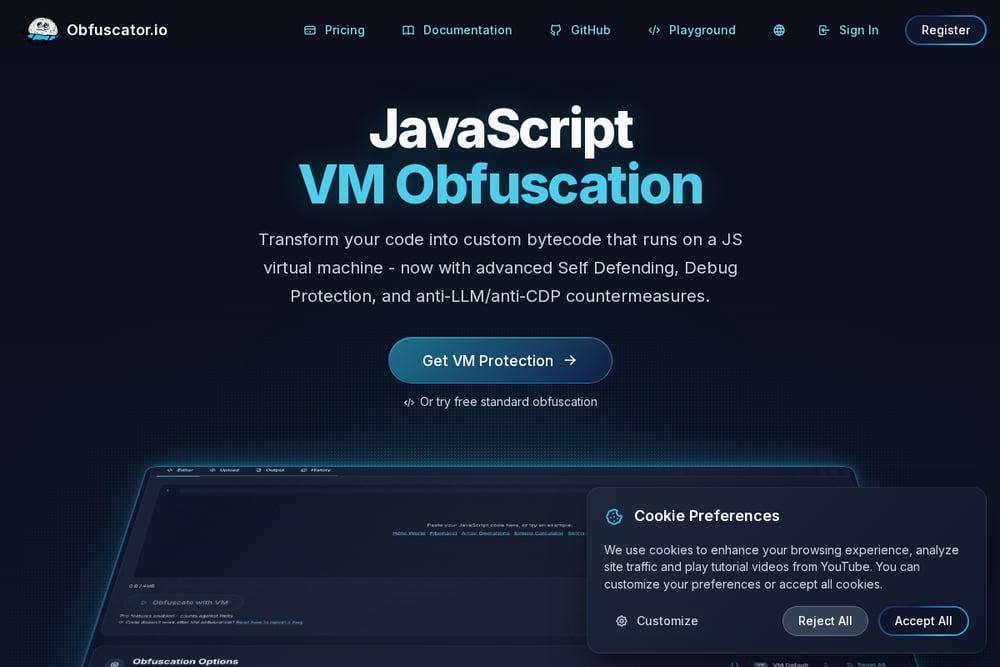 A screenshot of the Obfuscator.io website.
Obfuscator.io turns your JavaScript into custom bytecode that runs on an embedded virtual machine. The original logic stays intact, but static analysis tools cannot read it without reverse-engineering the entire VM. The platform layers on Self Defending, Debug Protection, and anti-LLM plus anti-CDP countermeasures. That means an AI coding agent or a Chrome DevTools Protocol debugger gets flagged the moment it attaches. You can try standard obfuscation for free before moving to VM protection. The site shows a before-and-after example where readable battle-simulator code becomes an opaque protected file. If you ship browser JavaScript and want the strongest free-to-start option, this is the one to test first.
#2 @stephnny | Buy 30 Days plan to getting automatic | Beacons
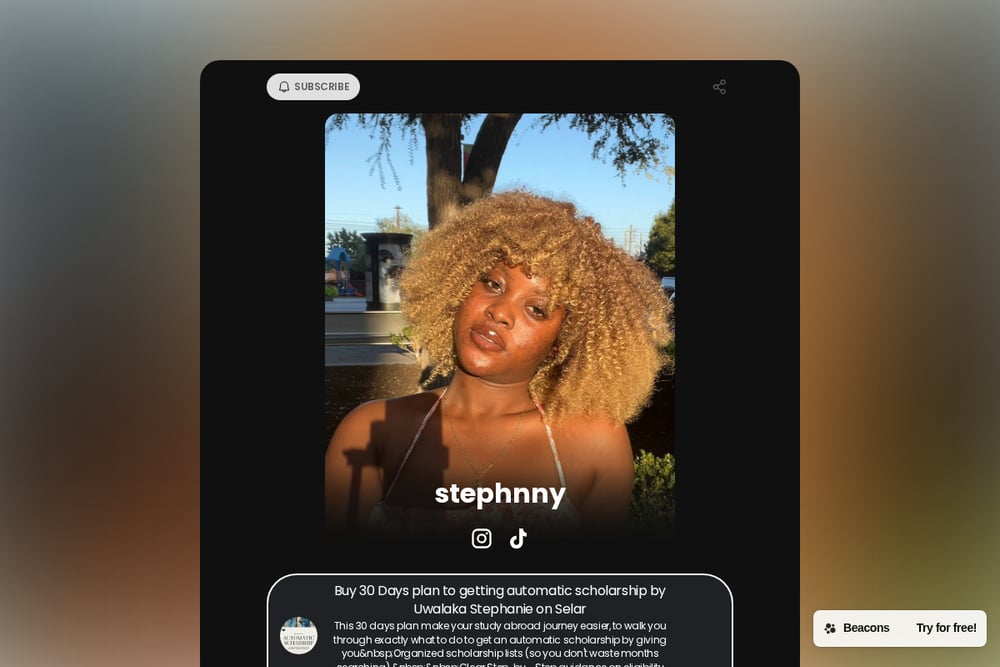 A screenshot of the @stephnny | Buy 30 Days plan to getting automatic | Beacons website.
This is the featured education and training service in this roundup. It sells a 30-day plan aimed at getting automatic scholarships, plus a free 2026 scholarship starter pack. The offer is narrow and deadline-driven, which is exactly what students need when application season hits. You get a structured path instead of an endless list of links. The business is small and service-based, so the focus stays on execution rather than browsing. If you are a student or parent who wants a concrete plan instead of another search engine rabbit hole, start here.
#3 JavaScript Obfuscator
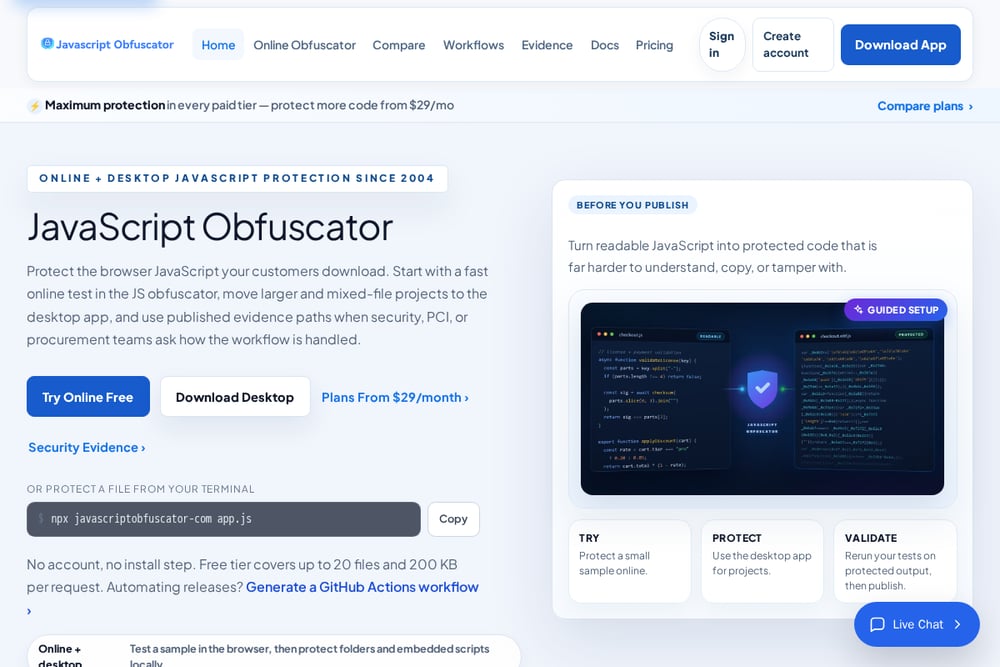 A screenshot of the JavaScript Obfuscator website.
JavaScript Obfuscator has been protecting browser code since 2004. You can run a free online test with no signup, then move larger projects to the desktop app. Paid plans start at $29 per month and cover more quota plus stronger protection. The site publishes security evidence paths for teams that need PCI or procurement handoffs. A terminal command lets you protect a file without an account or install step. The free tier covers up to 20 files and 200 KB per request. If you want a low-friction way to protect a small script today, this is a practical starting point.
#4 Jscrambler
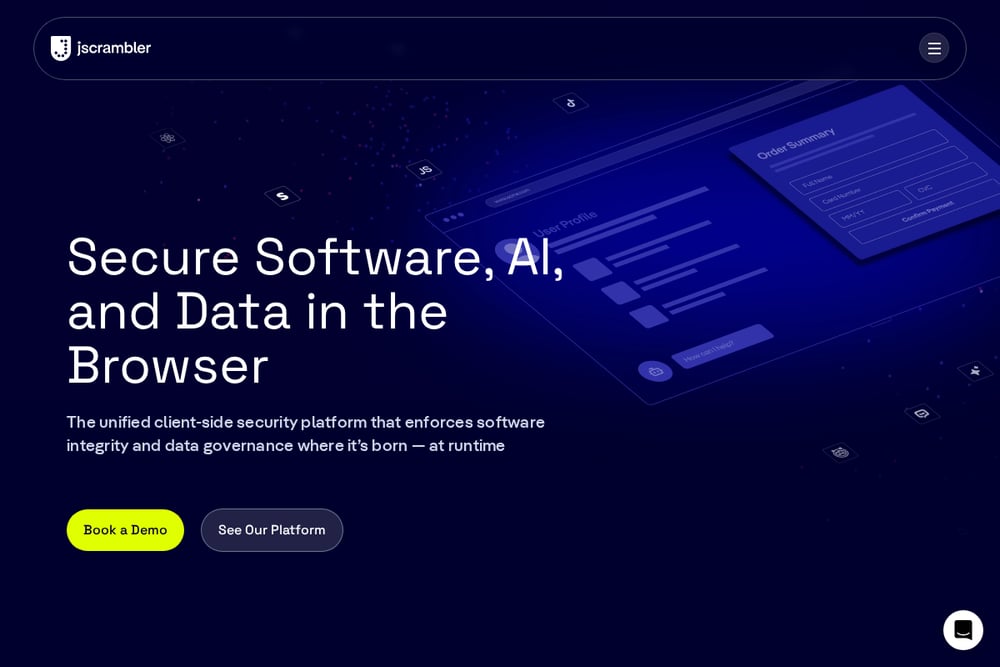 A screenshot of the Jscrambler website.
Jscrambler positions itself around client-side security, not just obfuscation. Its platform covers code integrity, webpage integrity, and iframe integrity. The company publishes compliance mappings for PCI DSS v4, HIPAA, GDPR, and the EU AI Act. It also markets LLM-resilient code protection, which matters as AI agents get better at reading source. Industry pages target retail, financial services, healthcare, gaming, and travel. If you work in a regulated sector and need documented controls, this is the option built for that conversation.
#5 Digital.ai Web App Obfuscation
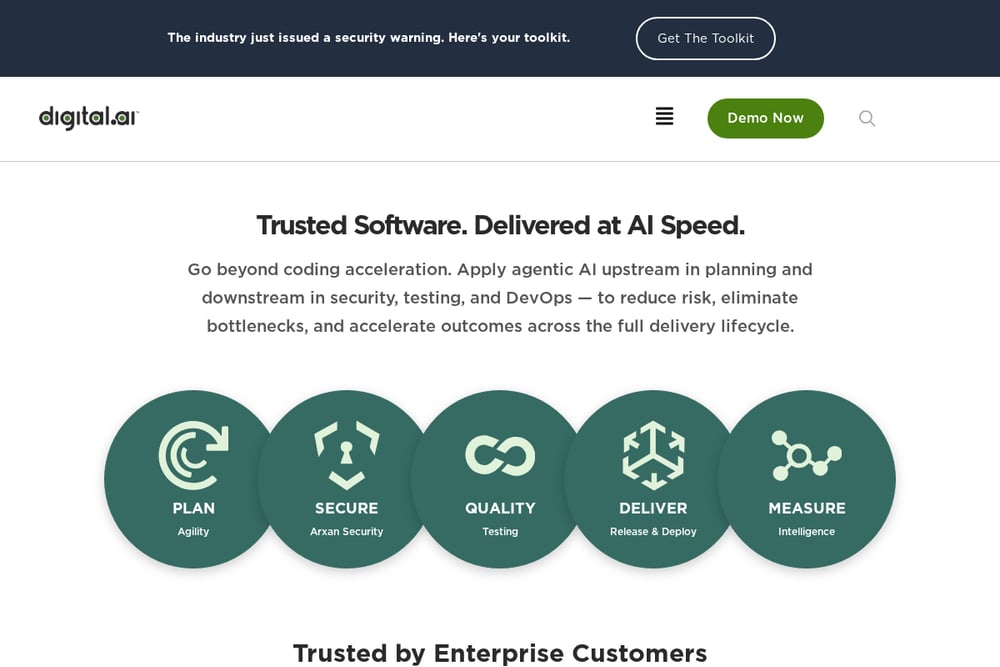 A screenshot of the Digital.ai Web App Obfuscation website.
Digital.ai brings enterprise app hardening to the browser. Its web app obfuscation product transforms client-side JavaScript into forms that are hard to read or reverse-engineer. The broader Arxan suite includes anti-tampering, RASP, white-box cryptography, and threat monitoring. Industry solutions cover financial services, medical devices, mobile gaming, and payments. Feature matrices let you compare mobile, desktop, and web hardening side by side. If you need a vendor with a full security stack behind the obfuscation layer, this is the one to evaluate.
How to Pick the Right Service for You
Start with your actual problem. If you need scholarship money, the featured 30-day plan gives you a deadline and a checklist. If you need to protect code, ask three questions. First, how sensitive is the code? A small script may only need a free online obfuscator. A payment page or a licensed library needs VM-level or enterprise protection. Second, what compliance rules apply to you? Regulated industries should favor vendors with published mappings. Third, what is your budget and timeline? Free tiers let you test before you commit. Do not buy enterprise hardening for a hobby project. Do not rely on a free tool for code that touches money or health data. Match the tool to the risk, and you will save both time and money.
Where Automation Fits In
You can automate both sides of this list. On the scholarship side, use the 30-day plan as your workflow: set weekly milestones, track each application, and reuse your essays. On the code side, wire obfuscation into your build. JavaScript Obfuscator offers a GitHub Actions workflow for release automation. Obfuscator.io lets you protect a file from the terminal or a playground before you ship. Jscrambler and Digital.ai fit into CI pipelines for teams that need evidence and monitoring. The pattern is the same: do the thinking once, then let the pipeline repeat it. That is how you protect your time and your code at the same time.
The Bottom Line
You do not have to choose between funding your education and protecting your work. The featured @stephnny 30-day plan gives students a concrete path to scholarships. Obfuscator.io leads the code protection group with VM-level defenses and anti-LLM countermeasures. JavaScript Obfuscator keeps the entry price at zero with a free online test. Jscrambler and Digital.ai serve teams that need compliance evidence and a full security stack. Pick the service that matches your risk and your deadline. Then put it to work this week, not next month.