Scammers have gotten better at sounding like someone you trust. These five courses help you fight back, one trick at a time.
The Scam Awareness Training Landscape
Fraud targeting older adults has exploded, and the training market has grown right alongside it. You now have options ranging from free nonprofit modules to interactive deepfake-recognition courses to paid gift-style programs. Some are built for the person at risk. Others are built for the family member who wants to help. The differences matter more than the price tags. A course that fits your parent's habits will do more than a fancier one they never open.
How We Evaluated These Courses
We looked at the same factors across every option. First, scope: does the course cover the scams people actually encounter, like impersonation, urgency, and untraceable payments? Second, format: are lessons short, plain-spoken, and self-paced, or do they demand a big time commitment? Third, audience fit: is it designed for the older adult directly, or for the family member buying it? Fourth, practical takeaways: scripts, code words, reporting steps, and what to do after a scam. Fifth, access and clarity: free versus paid, language options, and how easy it is to start. Each course below stood out on different factors, and we note where.
Here is a quick look at how the five compare before you dig into the details.
| Provider | Best For |
|---|---|
| Adaptive Security | Free, multilingual AI-scam training |
| Heard That One — A gift that makes scammers look silly | A thoughtful gift for a parent |
| HCSK Senior Scam Awareness Training | Free modular lessons with certificates |
| Friends Against Scams | Community-driven scam awareness |
| National Seniors Australia - Keep Scam SAFE | Scam safety within a seniors advocacy group |
The 5 Courses in Detail
#1 Adaptive Security
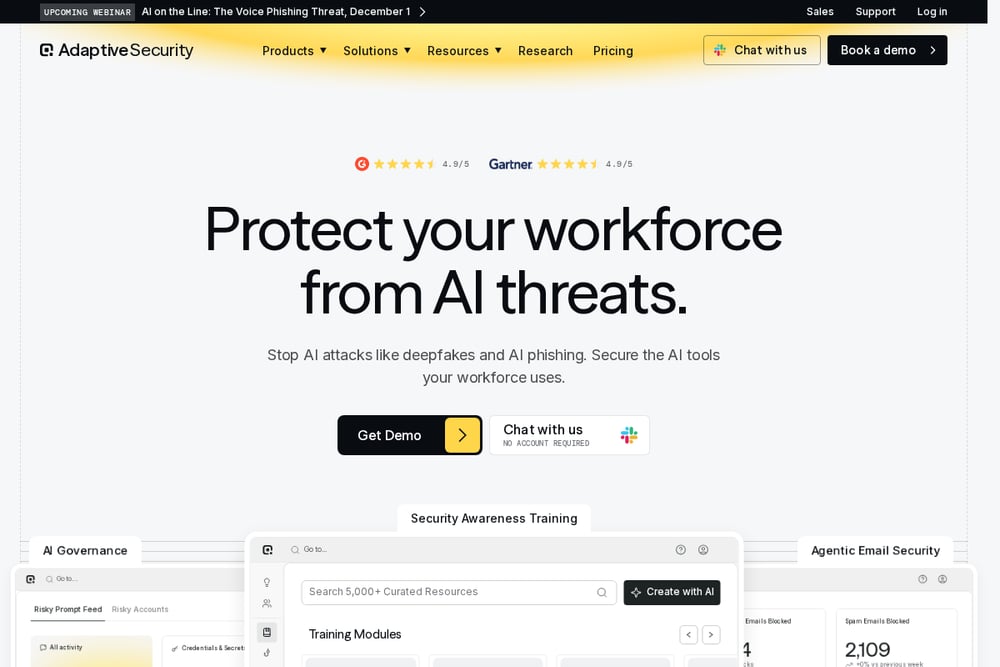 A screenshot of the Adaptive Security website.
Adaptive Security offers free, interactive training built specifically around AI-enabled scams. The course walks through the playbook scammers use: impersonation, urgency, untraceable payments, and isolation. It is available in more than 40 languages and includes real stories from people who were targeted. You also get guidance on verifying calls, messages, and videos, plus reporting resources shaped with a former FBI agent. It is a strong starting point if deepfakes and voice cloning are your main worry.
#2 Heard That One — A gift that makes scammers look silly
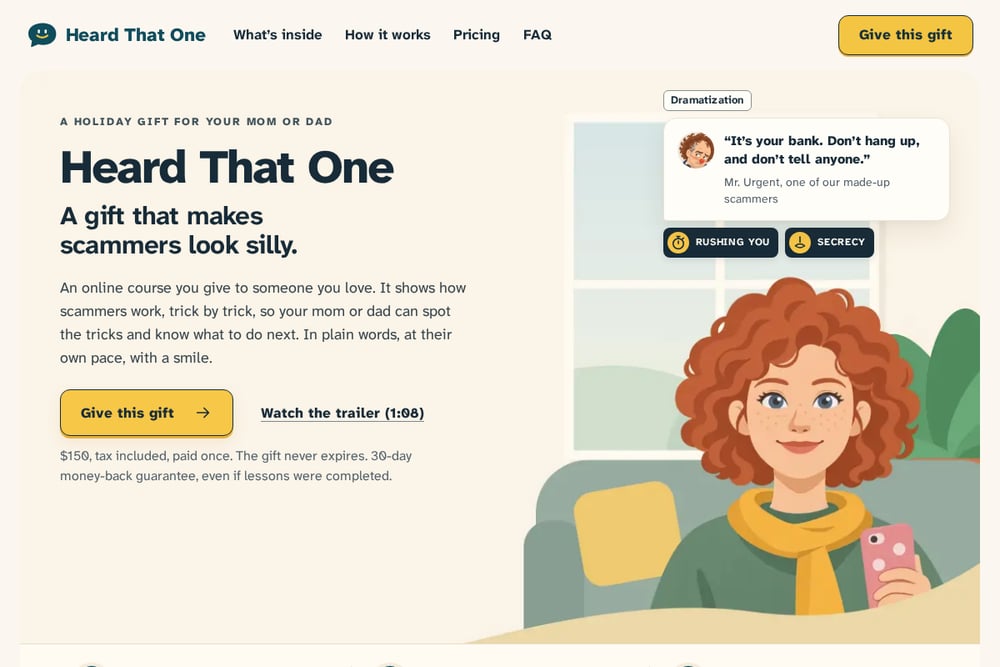 A screenshot of the Heard That One website.
Heard That One is an online course you give to someone you love, and that framing shapes everything about it. Ten video lessons use fictional characters to act out real schemes, then freeze the scene to name the trick and show the move that ends the call. Every lesson also comes in a written version with deeper "More detail" sections, including research on how voices get copied and what the FBI recommends. You get practical extras like call scripts to keep by the phone and a family code word. It is plain-spoken, self-paced, and built to be opened with a smile rather than a lecture.
#3 HCSK Senior Scam Awareness Training
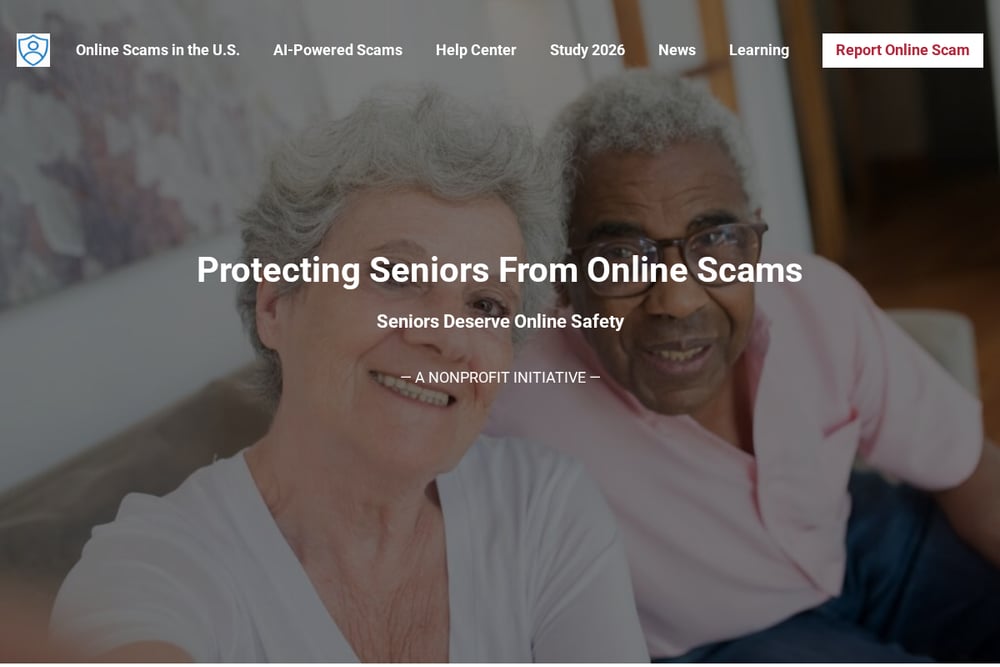 A screenshot of the HCSK Senior Scam Awareness Training website.
HCSK runs a free, no-sign-up training split into six short modules. Each one targets a specific threat: emergency basics, tech support scams, government impersonation, investment offers, and romance scams. There is also a special module for families and caregivers supporting a loved one at risk. Quizzes come with printable certificates, which gives learners a sense of progress. A glossary of 77 common terms in plain English rounds out the package. It is a solid pick if you want structure without any cost.
#4 Friends Against Scams
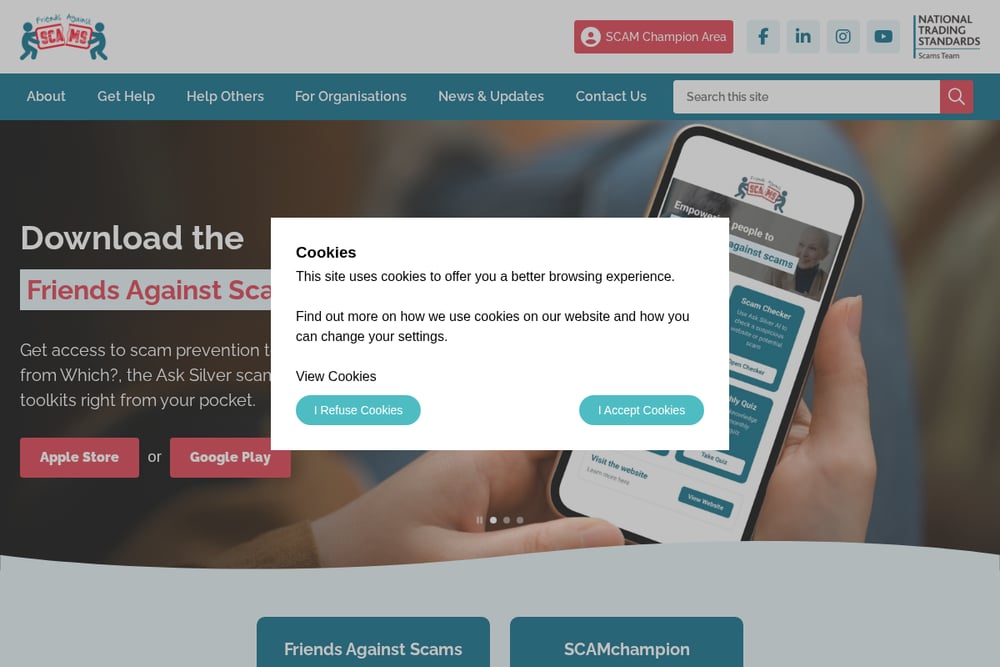 A screenshot of the Friends Against Scams website.
Friends Against Scams is a UK-based awareness program with free online training and a wider community behind it. Beyond the course, you can become a SCAMchampion, host awareness sessions, or join as a Scam Marshal if you have been targeted. There are dedicated resources for organizations, schools, and telecom companies. The site also points to an AI scam checker tool. If you want training plus a way to get involved locally, this offers more than a one-off lesson.
#5 National Seniors Australia - Keep Scam SAFE
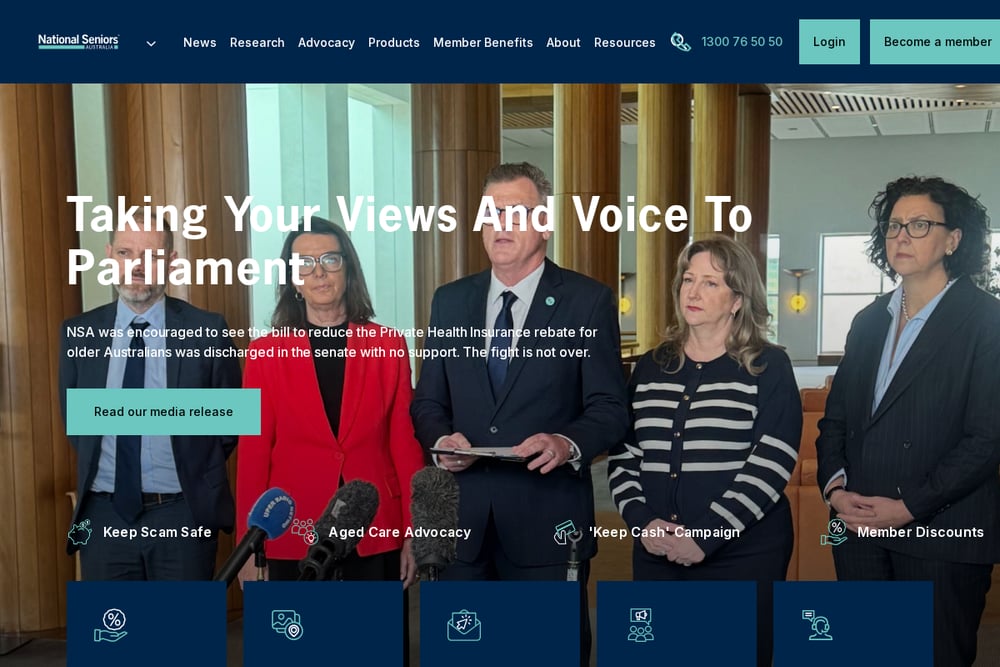 A screenshot of the National Seniors Australia website.
National Seniors Australia folds scam safety into a broader membership organization for older Australians. The Keep Scam SAFE resources sit alongside advocacy work on banking, retirement income, and aged care. That means you get scam guidance in the context of wider consumer protection issues. The organization also publishes research and news on fraud trends affecting seniors. It is most useful if you are already connected to the National Seniors community or want advocacy alongside education.
How to Choose the Right Course
Start with who will actually use it. If you are buying for a parent who tunes out lectures, look for short videos, plain language, and a friendly tone. If you are the one learning, a free modular course with quizzes may keep you moving. Consider the scams you worry about most. Voice cloning and deepfakes point one way. Romance and investment fraud point another. Check the format too: some people want to watch, others want to read. Finally, look for takeaways you can use the same day, like call scripts, code words, and clear reporting steps. A course that ends with a plan beats one that ends with a certificate.
Putting It on Autopilot
You do not need to remember everything yourself. Set a recurring calendar reminder to review one scam type a month with your family. Save the reporting links from your chosen course in a shared note. Add a family code word to your phone contacts so it is always handy. Forward scam texts to the reporting number your course recommends. Small habits like these turn a one-time lesson into ongoing protection.
The Bottom Line
There is no single course that fits every family. Adaptive Security leads on free, multilingual AI-scam coverage. Heard That One stands out as a gift built for the person you are worried about, with dramatized lessons and practical scripts. HCSK gives you free structure, Friends Against Scams adds community, and National Seniors Australia pairs education with advocacy. Pick the one that matches your situation, then actually sit down and go through it together. That conversation is worth more than any course on its own.