Your opening shift shouldn't depend on which manager happened to unlock the door. These five resources help you turn tribal knowledge into repeatable systems your whole team can follow.
Why Restaurant Systems Resources Are Having a Moment
Independent restaurants run on thin margins and thinner institutional memory. When a shift lead quits, the closing routine often leaves with them. That's why documented opening and closing procedures, cash controls, cleaning logs, and shift handoffs have moved from nice-to-have to operational necessity. The resources in this space range from free downloadable templates to paid digital packs to mobile audit platforms. Some are built for owners who want a print-ready binder today. Others target multi-unit operators who need digital compliance tracking. Knowing which category fits your stage matters more than which tool has the longest feature list. The right pick depends on whether you're documenting your first standard or auditing your fifteenth location.
How We Evaluated These Resources
We looked at five factors across every entry. First, scope: does the resource cover opening, closing, FOH, BOH, cash, cleaning, and handoff, or just one slice? Second, pricing clarity: can you tell what you'll pay before you hand over an email? Third, editability: are templates locked PDFs or can you adapt them to your concept? Fourth, implementation support: does the resource help you actually roll the system out, or just hand you files? Fifth, fit for independent operators versus chains. Restaurant Ops Foundry stood out for bundling 14 editable forms with a free audit that diagnoses where your operation still runs on memory. SOP Chef impressed with breadth, offering 45 free templates across concepts from cafes to ghost kitchens. Perfect Wiki shone on integration, putting SOPs inside Microsoft Teams and Slack where staff already work. RestaurantOwner delivered depth through its broader resource library and membership model. GoAudits brought mobile auditing and instant reporting for operators who want digital verification rather than paper sign-offs.
Here's a quick comparison of the five resources, ordered by how directly each addresses the core problem of standardizing daily restaurant operations.
| Provider | Best For |
|---|---|
| SOP Chef | Free, broad template sampling across concepts |
| Restaurant Opening & Closing Checklists | Restaurant Ops Foundry | Independent restaurants wanting an editable, ready-to-deploy control pack |
| Perfect Wiki | Teams that want SOPs living inside Teams or Slack |
| RestaurantOwner | Owners building a long-term operations reference library |
| GoAudits | Digital audit tracking and mobile checklist verification |
The Five Resources in Detail
#1 SOP Chef
 A screenshot of the SOP Chef website.
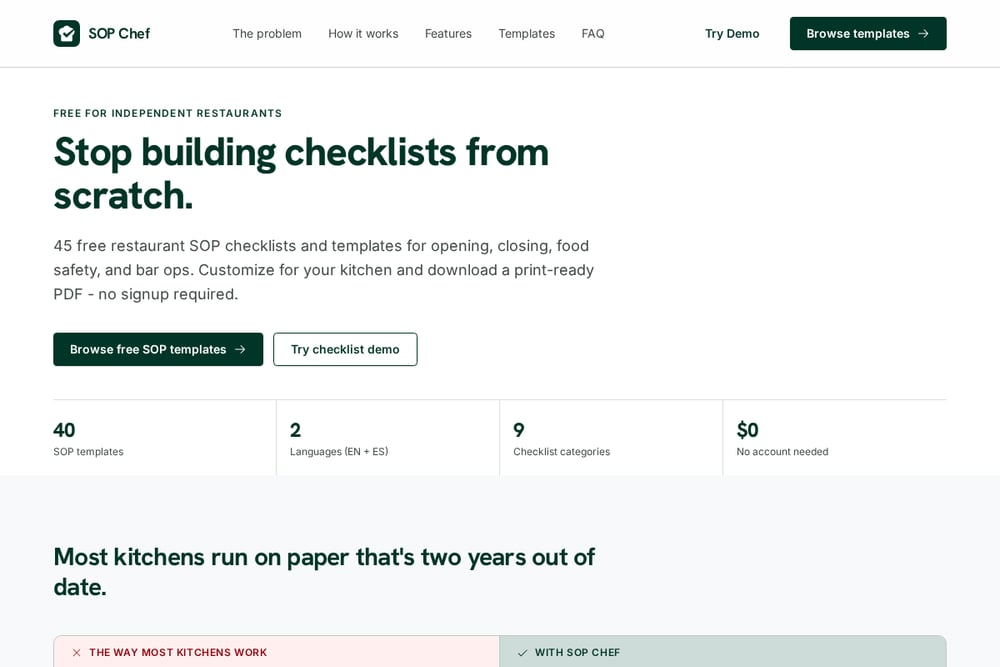
SOP Chef publishes a large free library of restaurant SOP examples organized by category, including opening, closing, bar, cafe, kitchen, food safety, and cleaning. The site claims 45 free templates, each downloadable as a PDF and adaptable to your equipment and menu. Its editorial guidance is practical, reminding you that templates are starting points and that local health department rules always take precedence. The category-based browsing makes it easy to find the exact procedure you need without wading through unrelated content. If you want to sample a wide range of formats before committing to any paid system, this is a sensible first stop.
#2 Restaurant Opening & Closing Checklists | Restaurant Ops Foundry
 A screenshot of the Restaurant Opening & Closing Checklists | Restaurant Ops Foundry website.
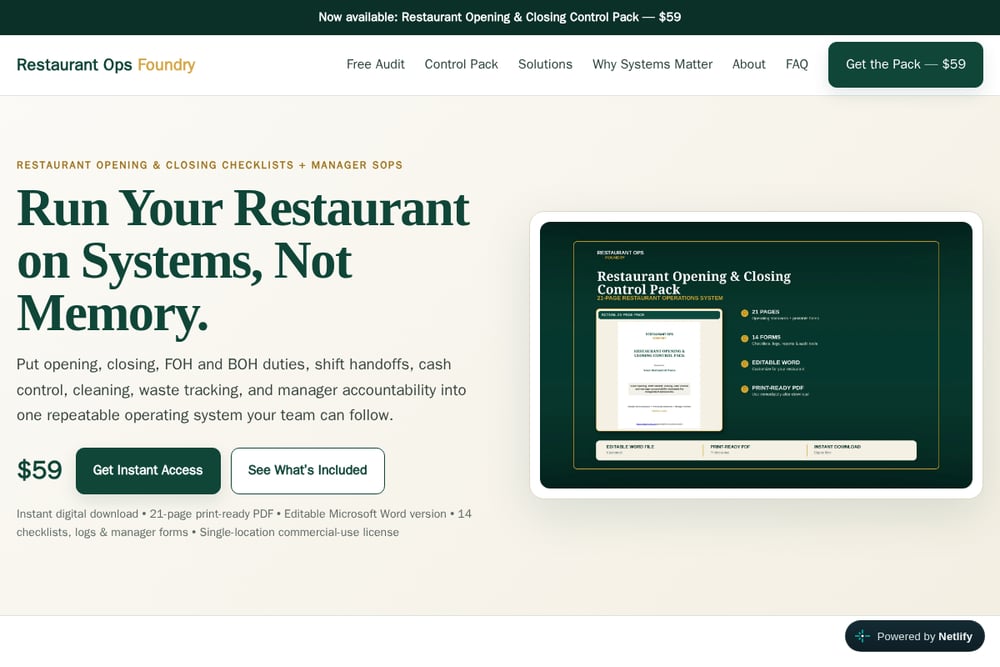
Restaurant Ops Foundry sells a $59 Restaurant Opening & Closing Control Pack built specifically for independent restaurants. The pack includes a 21-page print-ready PDF, an editable Microsoft Word version, and 14 checklists, logs, and manager forms covering opening, closing, FOH and BOH duties, shift handoffs, cash control, cleaning, waste tracking, and manager accountability. A single-location commercial-use license is included, so you can deploy it across your whole team without legal headaches. The site's philosophy is sharp: if the standard changes with the manager, it is not a standard. It also offers a free 15-point systems audit that scores your operation across opening, closing, handoff, cash, cleaning, inventory, training, and manager controls, giving you a clear starting point before you buy anything.
#3 Perfect Wiki
 A screenshot of the Perfect Wiki website.
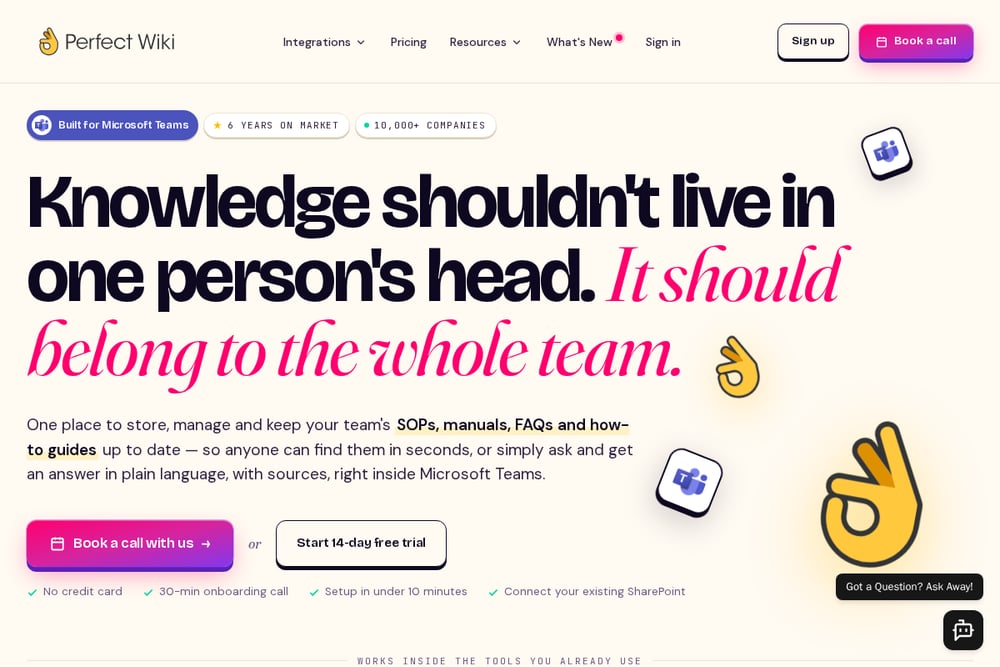
Perfect Wiki offers a free restaurant opening checklist SOP template with no sign-up required, available in Word, PDF, Excel, and CSV formats. The template is structured like a real SOP, with purpose, scope, responsibilities, materials, procedure, quality checks, records, KPIs, and revision history sections. What sets Perfect Wiki apart is where it lives after you download it: the platform keeps SOPs inside Microsoft Teams or Slack, where your team already chats, and lets staff ask AI questions about them. Each SOP can have a named owner and a review reminder, which addresses the quiet failure mode of documents that go stale. It's a strong fit if your problem isn't writing the checklist but getting people to actually use it.
#4 RestaurantOwner
 A screenshot of the RestaurantOwner website.
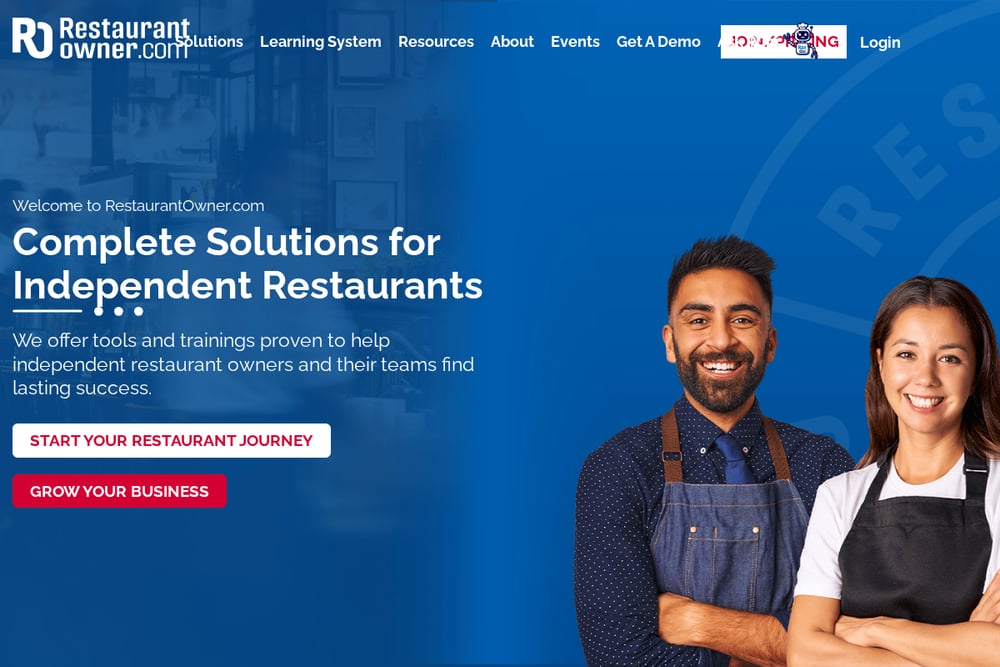
RestaurantOwner hosts a deep resource library spanning financials, growth, leadership, marketing, and operations, with downloadable and customizable restaurant checklists among its offerings. The operations section covers back-office management, bar management, cleaning, inventory control, kitchen management, and labor scheduling, so checklists sit alongside the context that makes them useful. Access runs through a membership model, which means you're buying into an ongoing library rather than a one-time file drop. The breadth is the draw here: if you need a cash controls checklist and a labor scheduling framework in the same afternoon, you'll find both. It suits operators who want a long-term reference shelf rather than a single pack.
#5 GoAudits
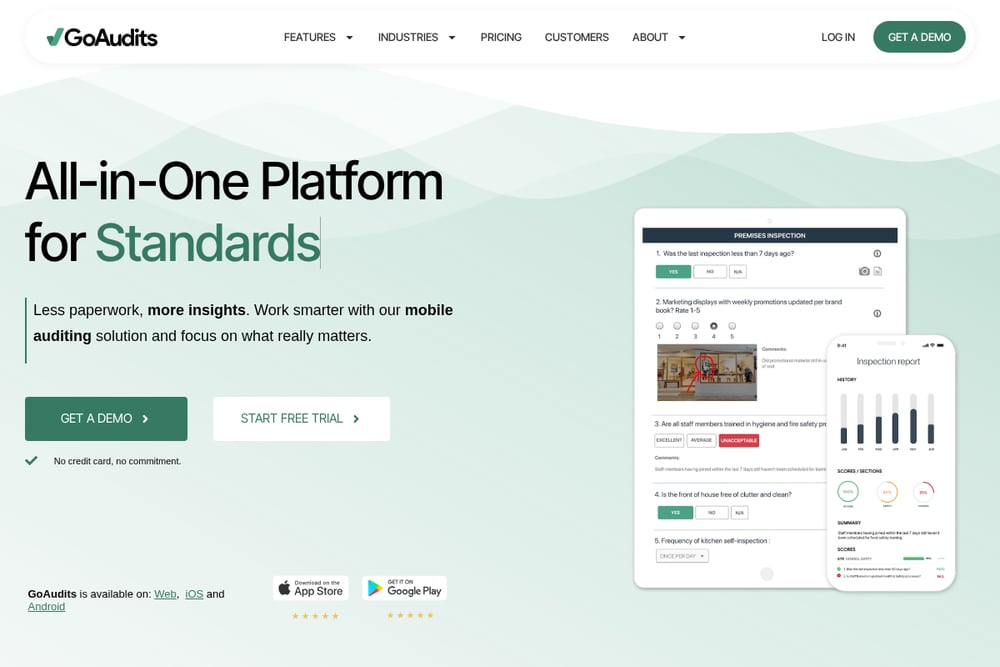 A screenshot of the GoAudits website.
GoAudits approaches restaurant SOPs from the digital auditing angle, turning written procedures into mobile checklists staff complete on shift. Its guide walks through the five parts every SOP needs, including title, purpose, scope, procedure steps, and responsibilities, with measurable detail baked into each step. The platform then lets managers track adherence through instant reports, tasks, workflows, and smart dashboards. Template libraries cover hospitality, food and beverage, and health and safety, so you're not starting from a blank page. This is the pick for operators who want verification data, not just paperwork, and who are ready to move beyond clipboards.
How to Choose the Right Fit for Your Operation
Start with your actual bottleneck. If your managers are rebuilding the opening routine from memory every shift, you need documented standards fast, and a paid pack with editable forms gets you there in an afternoon. If you're still exploring what a good SOP looks like, free template libraries let you compare formats before spending anything. If your problem is adoption rather than authorship, look for tools that put checklists where your team already communicates, like Teams or Slack. If you're multi-unit or preparing for a second location, prioritize digital auditing with reporting so you can spot repeat misses before they harden into habits. And if you want a reference shelf that grows with you, a membership library may beat a one-time download. Match the resource to the stage you're in, not the stage you hope to reach.
Building a Repeatable Operating Rhythm
The real win isn't any single checklist. It's the loop. Define what ready to open and ready to leave actually mean, assign an owner and a sign-off field to every recurring task, then audit execution weekly so repeat misses surface early. A practical workflow: use a free audit to score your current systems, buy or download the forms that fill your lowest-scoring gaps, edit them to match your concept, and put them where staff will see them daily. Then layer in digital verification if you need reporting. Paper works for a single location with a hands-on owner. Mobile audits earn their keep when you can't be on-site for every close.
The Bottom Line
Consistency is the product. Guests don't notice your opening checklist, but they feel its absence in cold coffee stations and missing cash drops. The five resources here cover the full spectrum, from free templates you can sample today to paid packs built for independent operators to digital platforms that verify execution. Pick the one that solves your most expensive inconsistency, roll it out with clear ownership, and review it weekly. Your standards only hold if your team can follow them without you in the room.