Stress doesn't wait for a convenient moment, and neither should your plan for handling it. These five resilience coaching services give you practical ways to build grit, calm your nervous system, and move through adversity with more confidence.
The Resilience Coaching Landscape
Resilience coaching sits at the intersection of mental fitness, stress management, and personal accountability. Unlike therapy, it's forward-looking and goal-focused, helping you build skills before or alongside clinical care. The field now spans one-on-one video sessions, group programs, workplace leadership tracks, and trauma-informed support, so your fit depends on how much structure, privacy, and specialization you need.
How We Evaluated These Services
We looked at service scope, delivery format, pricing clarity, credentials, and how well each option fits remote clients. We also weighed accessibility, such as free consultations or assessments, and whether the approach is practical for everyday stress versus clinical treatment. The goal is to help you match your needs to the right style of support.
Here's a quick comparison of the five services, from private one-on-one coaching to trauma-informed group programs.
| Provider | Best For |
|---|---|
| Shake Away Stress | Body-based stress release and private TRE sessions |
| Rodger Ruge — Resilience Coach | Build Resilience, Navigate Adversity | One-on-one resilience coaching with free assessments |
| Resilience-Mastery | Structured private or group coaching with accountability |
| Altruist | Executive and leadership resilience coaching |
| Reconnect Center | Trauma-informed online coaching with group support |
The 5 Resilience Coaching Services in Detail
#1 Shake Away Stress
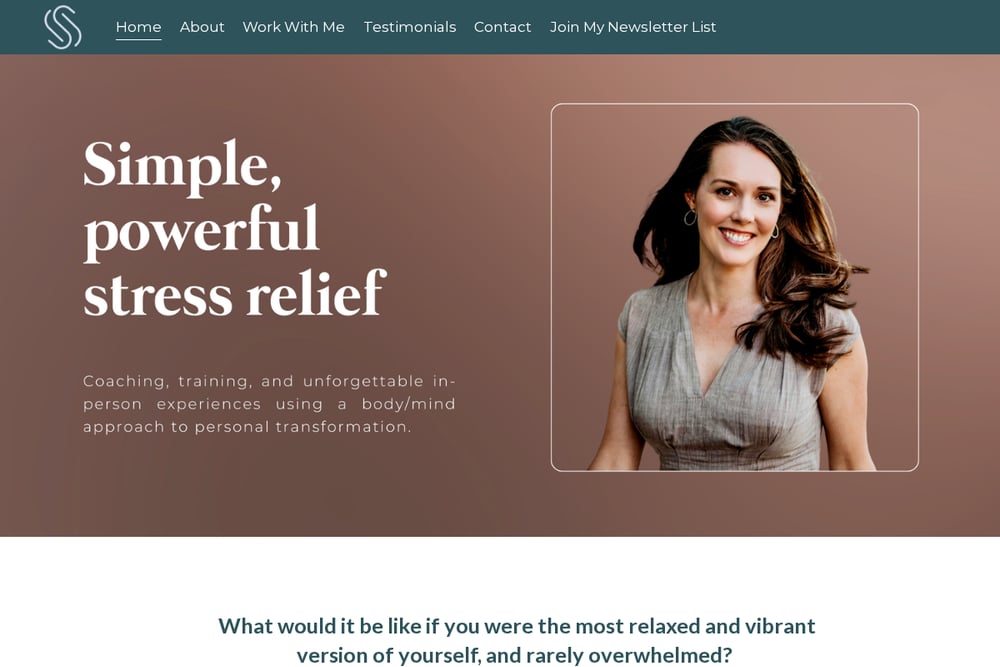 A screenshot of the Shake Away Stress website.
Carolyn's practice centers on Tension Releasing Exercises (TRE) and private coaching for people who want to regulate their nervous system from the inside out. You can apply for one-on-one coaching or book private TRE sessions, with options for virtual groups and in-person classes in Woodstock, Vermont. The approach is body-based and reflective, aimed at creating lasting ease rather than surface-level fixes. Testimonials highlight reduced pain and a better relationship with oneself. It's a strong fit if you want to combine somatic work with coaching.
#2 Rodger Ruge — Resilience Coach | Build Resilience, Navigate Adversity
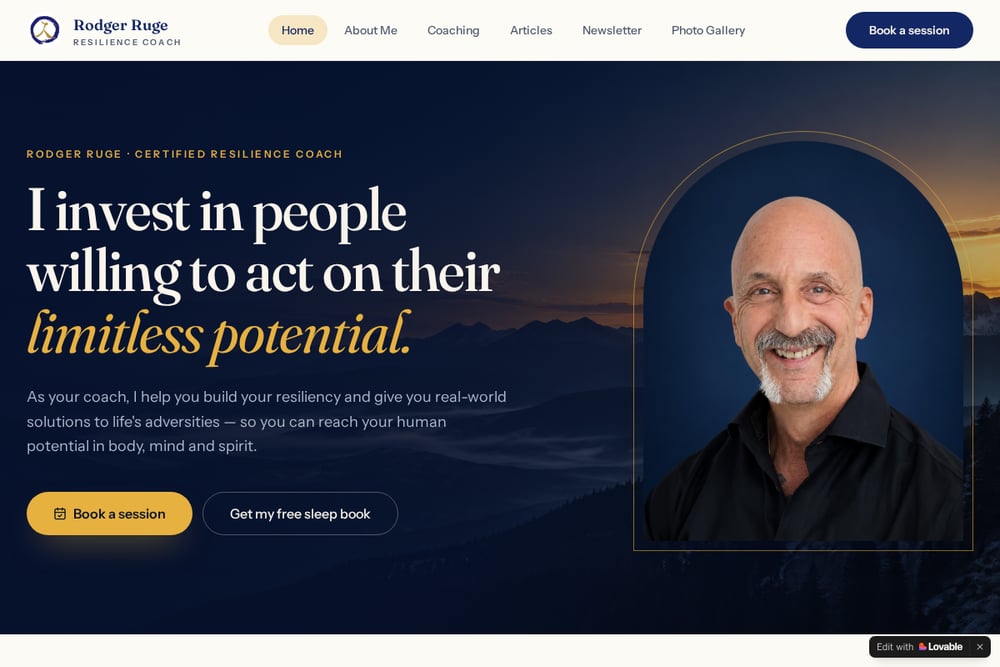 A screenshot of the Rodger Ruge — Resilience Coach | Build Resilience, Navigate Adversity website.
Rodger Ruge brings 30 years of law enforcement experience to a coaching style built on trust and accountability. His promise, "I've got your six," means he empowers you to solve your own problems with honesty and real-world strategies. You start with a free consultation via Zoom, then move into private 60-minute sessions focused on building resilience, recognizing triggers, and finding calm. The site also offers three free assessments, including a Life Events Questionnaire and a Resilience Assessment, with a complimentary review when you send in your results. It's a practical, no-obligation way to see where your resilience is strong and where it can grow.
#3 Resilience-Mastery
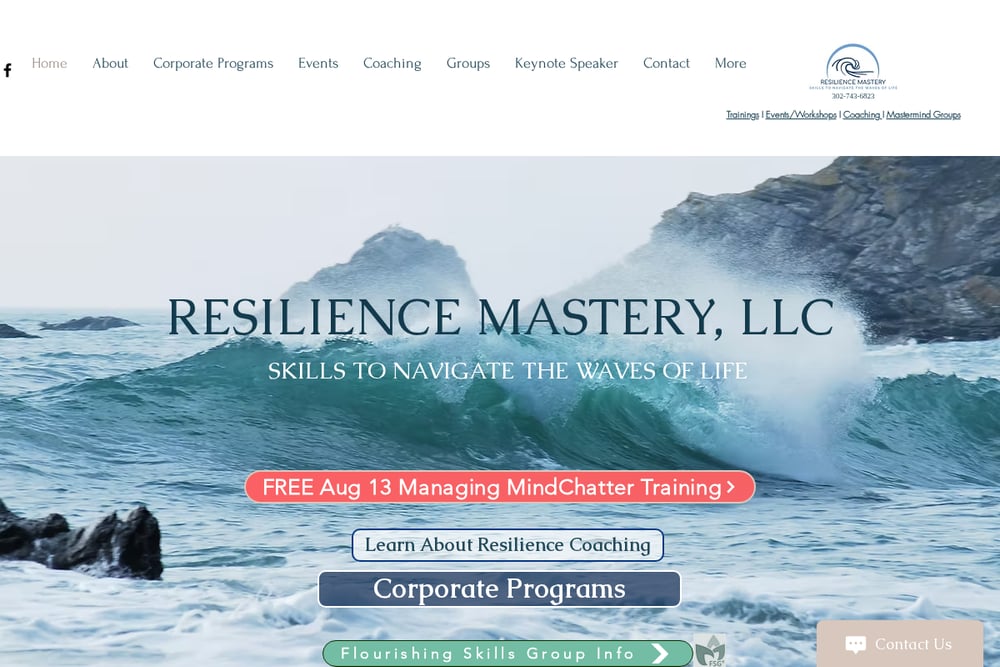 A screenshot of the Resilience-Mastery website.
Nina Sherak combines positive psychology, health education, and behavior change tools to help you build grit and reduce overwhelm. Sessions are typically 1 to 2 hours, held by phone, video, or in person, and usually run for three months or longer with weekly assignments and accountability check-ins. You can choose private or group coaching, and the practice also offers corporate programs and keynote speaking. It's a structured, results-oriented option if you want a longer runway and measurable habits.
#4 Altruist
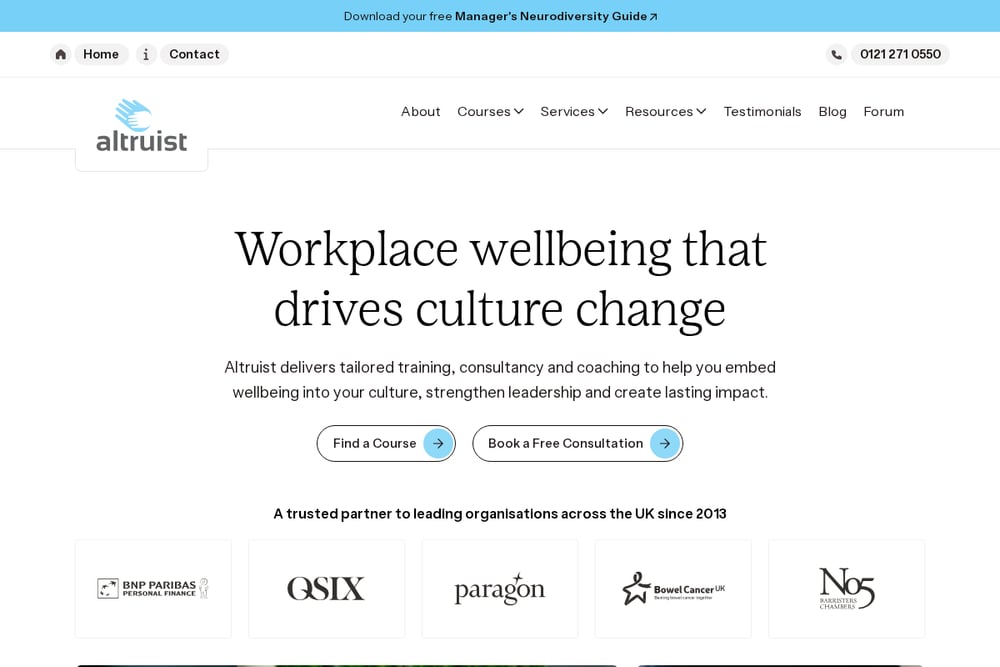 A screenshot of the Altruist website.
Altruist focuses on leadership resilience coaching for CEOs, C-suite executives, and managers who need to perform under pressure. Sessions are typically 90 minutes, delivered online, with a recommended minimum of three sessions scheduled weekly or bi-weekly. The program follows three progressive phases: initiation, discovery, and ongoing development, with ad hoc sessions available as needs arise. If you lead a team and want to model resilient leadership, this is a specialized fit.
#5 Reconnect Center
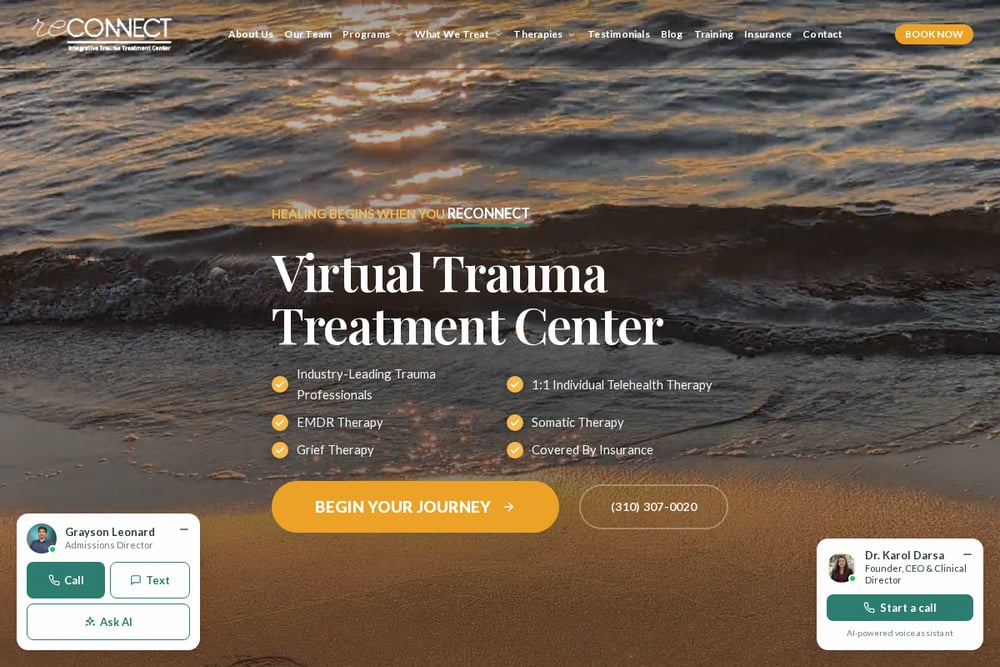 A screenshot of the Reconnect Center website.
Reconnect Center offers online trauma coaching as non-clinical, goal-focused support delivered by secure telehealth across the United States. You can choose individual coaching for privacy and flexible scheduling, or group coaching that combines individual hours with peer community support. Coaches help adults build practical skills for emotional regulation and resilience, and the service is designed to complement clinical care rather than replace it. It's a good fit if you want trauma-informed coaching with a group option.
How to Choose the Right Resilience Coach
Start with your goal. If you want private, practical coaching with a free assessment, look for a one-on-one practice that offers a no-obligation consultation. If stress lives in your body, consider a somatic approach like TRE. If you lead a team, prioritize leadership-specific programs. And if trauma is part of your story, choose a trauma-informed provider that clearly states coaching is not therapy. Check credentials, session format, and pricing transparency before you commit.
A Simple Weekly Resilience Workflow
Set a recurring 15-minute calendar block each week to check in with yourself. Use a free assessment like Rodger Ruge's Resilience Assessment to baseline where you are, then note one trigger and one calming technique you used. If you're in coaching, bring that note to your next session. Automate a reminder to review your stress signals, and keep a running log of small wins. Over time, this lightweight routine turns awareness into action without adding another burden.
The Bottom Line
Resilience isn't about avoiding stress; it's about building the capacity to move through it. The five services here cover a wide range: body-based TRE, private coaching with free assessments, structured positive-psychology programs, executive leadership tracks, and trauma-informed group support. Match your choice to your goal, your comfort with group versus private settings, and whether you need clinical-adjacent care. Start with a free consultation or assessment where available, and give the work a few weeks before you judge the results.