Psychedelic curiosity is rising fast, but medication safety is where most journeys quietly go sideways. These five consultancies put clinical rigor in front of the experience.
The New Frontier of Pharmacist-Led Psychedelic Safety
Psychedelics are having a moment. Ketamine clinics are multiplying, psilocybin policy is shifting state by state, and more people than ever are exploring expanded states outside formal trials. But here is the uncomfortable truth: most of those people take psychiatric medications, and almost none of them have had a proper interaction review.
That gap is where a new professional niche is forming. Pharmacists, psychiatrists, and harm-reduction clinicians are stepping in to screen health histories, flag contraindications, guide tapering, and build protocols for retreats and clinics. The work is unglamorous and deeply necessary.
You will notice the field is still small and fragmented. Some providers focus on individual consults, others on organizational protocol development, and a few blend both. Pricing is rarely public, credentials vary, and regulatory context differs by state. That makes careful comparison essential before you book anything.
How We Evaluated These Practices
We looked at the same factors across every provider so you can weigh them against your own needs.
Service scope mattered most. Some practices center on one-on-one medication and interaction reviews, while others extend into tapering guidance, medical screening, facilitator support, and full clinical protocol development for organizations.
Credentials and depth of experience came next. We weighed board certifications, years in psychiatric or clinical pharmacy, teaching roles, and harm-reduction background.
We also considered who each practice is built to serve, from individuals preparing for a journey to licensed facilitators and retreat operators who need documentation and regulatory alignment. Finally, we looked at clarity of process and how easy it is to understand what a consultation actually includes.
Here is a quick side-by-side look at the five practices, what each specializes in, and who tends to benefit most. Use this as a starting map, then dig into the details below.
| Provider | Best For |
|---|---|
| Psychedelic Interaction (Dr. Kristin Speer, PharmD) | Focused psilocybin interaction reviews |
| Psychedelic Pharmacist & Safety Consultations | Satori Rx | Individuals and organizations needing full-scope safety support |
| Spirit Pharmacist | Clinicians and consultants building psychedelic practices |
| Explore Psychiatry with Dr. Jennifer Mesrie | Preparation and integration with a psychiatrist |
| Imagine Healthcare | Harm-reduction consults inside a full clinic |
The Five Practices in Detail
#1 Psychedelic Interaction (Dr. Kristin Speer, PharmD)
Dr. Kristin Speer built a practice around one sharp question: how do your medications interact with psilocybin? Her consultation service checks the full mix, including prescriptions, over-the-counter products, nicotine, alcohol, and cannabis. She serves individuals, providers, facilitators, and guides, and offers professional documentation that helps licensed facilitators stay aligned with regulatory requirements. As a board-certified pharmacotherapy specialist, she brings a clinical pharmacy lens to reducing unnecessary disqualifications. If you want a focused, evidence-informed interaction review before a journey, this is a strong starting point.
#2 Psychedelic Pharmacist & Safety Consultations | Satori Rx
 A screenshot of the Psychedelic Pharmacist & Safety Consultations | Satori Rx website.
Dr. Melissa Brewster is a clinical psychiatric pharmacist with more than 15 years in psychiatric pharmacology, addiction medicine, and harm reduction. Through Satori Rx, she reviews medications and health histories before psychedelic experiences, offers tapering guidance, and provides medical screening for individuals. She also supports facilitators on complex cases and builds clinical protocols for service centers, clinics, and retreats. Her background includes a PharmD from the University of Utah, a residency at the Alaska Native Medical Center, and faculty roles with OHSU Addiction Medicine and the University of Utah College of Pharmacy. That combination of bedside clinical depth and organizational protocol work makes her practice unusually well-rounded.
#3 Spirit Pharmacist
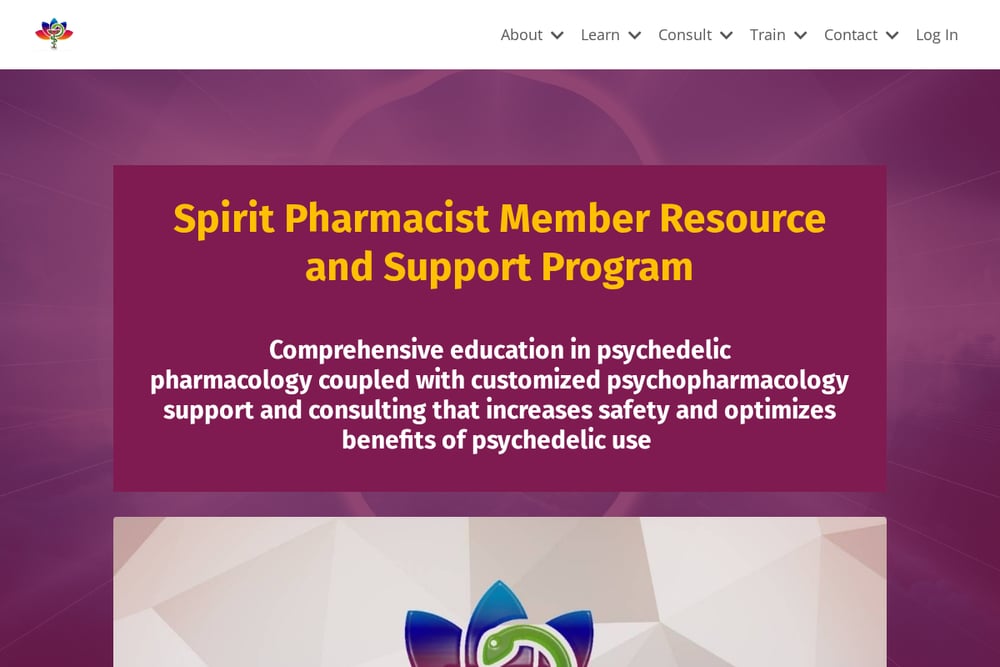 A screenshot of the Spirit Pharmacist website.
Spirit Pharmacist pairs psychopharmacology consultations with coaching for consultants and a member resource program. The practice also runs training, including a Psychedelic Screener Mastermind and a digital practice development intensive. Its community-based support writing makes a clear case for peer-supported models that widen access beyond expensive clinical settings. You get a blend of clinical consultation and education, which suits practitioners building their own offerings. It is a good fit if you want to learn the screening craft, not just receive a one-time review.
#4 Explore Psychiatry with Dr. Jennifer Mesrie
 A screenshot of the Explore Psychiatry with Dr. Jennifer Mesrie website.
Dr. Jennifer Mesrie is a psychiatrist offering psychedelic medicine consultation and integration alongside traditional psychiatry and psychotherapy. Her approach is harm reduction and non-judgmental, supporting people who have had powerful or challenging experiences and those still considering one. She helps clients prepare, make sense of insights, and translate them into lasting change. Because she is a physician, she can address both medication questions and the psychological integration work that follows. If you want one relationship covering preparation and integration, this model is worth a look.
#5 Imagine Healthcare
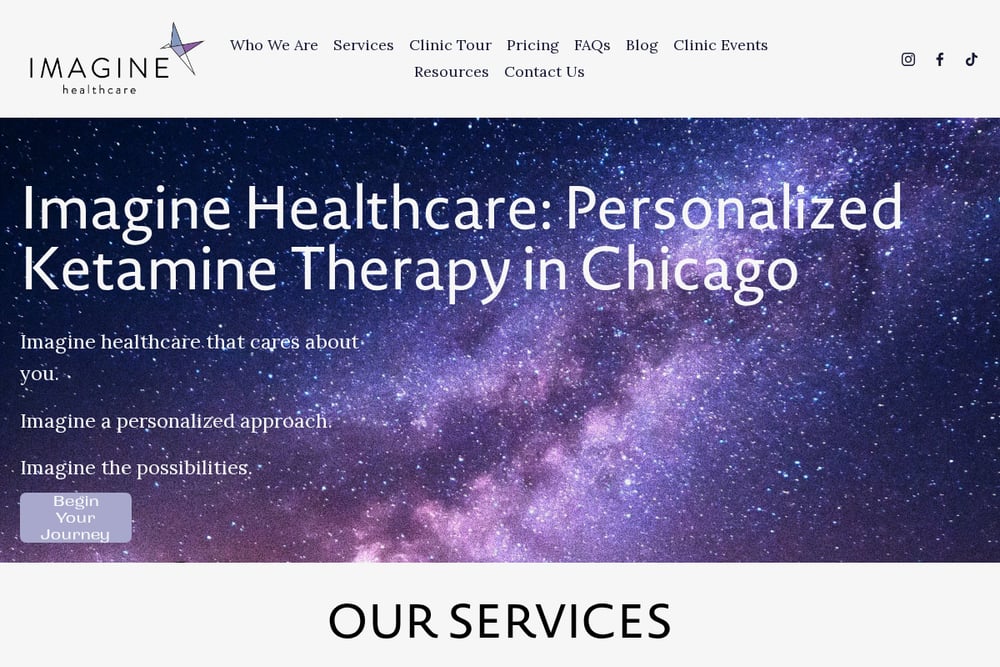 A screenshot of the Imagine Healthcare website.
Imagine Healthcare is a clinic offering psychedelic medicine consultations with an explicit harm-reduction mission. The team notes it has seen adverse events stemming from incompatible prescriptions, underlying conditions, and simple lack of preparation. Their consultation service is designed to catch those risks before a journey rather than after. It sits within a broader clinic offering ketamine, Spravato, ketamine-assisted therapy, and psychiatry, so you can access adjacent care under one roof. That integration is useful if you want a clinical home base rather than a standalone review.
How to Pick the Right Safety Consultant
Start with your situation, not the provider's marketing. Are you an individual with a complicated medication list? Prioritize deep interaction review and tapering guidance. Are you a facilitator or retreat operator? You need someone who can produce documentation and build protocols that hold up to scrutiny.
Check credentials carefully. A board-certified pharmacotherapy specialist or psychiatric pharmacist brings different training than a general practitioner. Ask directly about their experience with your specific medications, especially MAOIs, lithium, SSRIs, and antipsychotics.
Ask what the deliverable looks like. Will you get a written summary, a screening report, or a protocol document? Clarity here saves confusion later.
Finally, consider continuity. Some practices handle a single pre-journey review, while others support integration afterward. Decide which you need before you book.
Where Automation Fits Into Your Safety Workflow
You can streamline the administrative side without cutting clinical corners.
Use an intake form that captures medications, supplements, recreational substances, and health history before the first call. Automate appointment reminders and document delivery so nothing gets lost. Keep a shared checklist for screening steps and tapering timelines.
For facilitators and clinics, template your protocol documents and version them carefully. Automate follow-up scheduling for integration check-ins.
What you should not automate is the judgment itself. Interaction review and risk assessment stay with the clinician. Let software handle the logistics so the pharmacist can focus on your case.
The Bottom Line
Psychedelic safety is not a checkbox. It is a clinical conversation about your medications, your history, and your intentions.
The five practices here approach that conversation differently. Some go narrow and deep on interactions. Others build protocols for organizations or blend consultation with integration therapy. The right choice depends on whether you are an individual, a facilitator, or a clinic.
What matters is that you have the conversation at all. A single review can prevent an avoidable crisis. Start there, ask hard questions about credentials, and choose the provider whose scope matches your actual risk.