
Your money data shouldn't be for sale. These five apps keep your spending private while helping you stay on budget.
The Quiet Shift Toward Private Money Tools
For years, budgeting apps meant linking your bank account and handing over your credentials. That era is fading. A new wave of tools keeps your data on your device, skips the aggregators, and still gives you clear answers about where your money goes. You don't need a cloud server to know your paycheck covers the bills. You just need a tool that respects your privacy and does one job well.
How We Evaluated These Apps
We looked at five factors: privacy model, ease of use, pricing clarity, platform focus, and how well each app solves a specific problem. Dagger Development stood out for its on-device approach and one-developer accountability. Money Manager impressed with its depth of features and double-entry bookkeeping. Goodbudget earned points for its envelope method and cross-platform sync. CashJot shined with its no-signup, widget-first logging. Thrust led on privacy controls like Ghost Mode and no mandatory bank linking. Each app serves a different kind of user, and that's the point.
Here's a quick look at five apps that help you track spending without giving up your privacy.
| Provider | Best For |
|---|---|
| Money Manager Expense & Budget | Detailed multi-account bookkeeping |
| Dagger Development — Independent iOS Apps | Private, on-device budgeting |
| Goodbudget | Envelope budgeting with shared sync |
| CashJot | Fast, private manual logging |
| Thrust | Maximum privacy with Ghost Mode |
The Five Apps in Detail
#1 Money Manager Expense & Budget
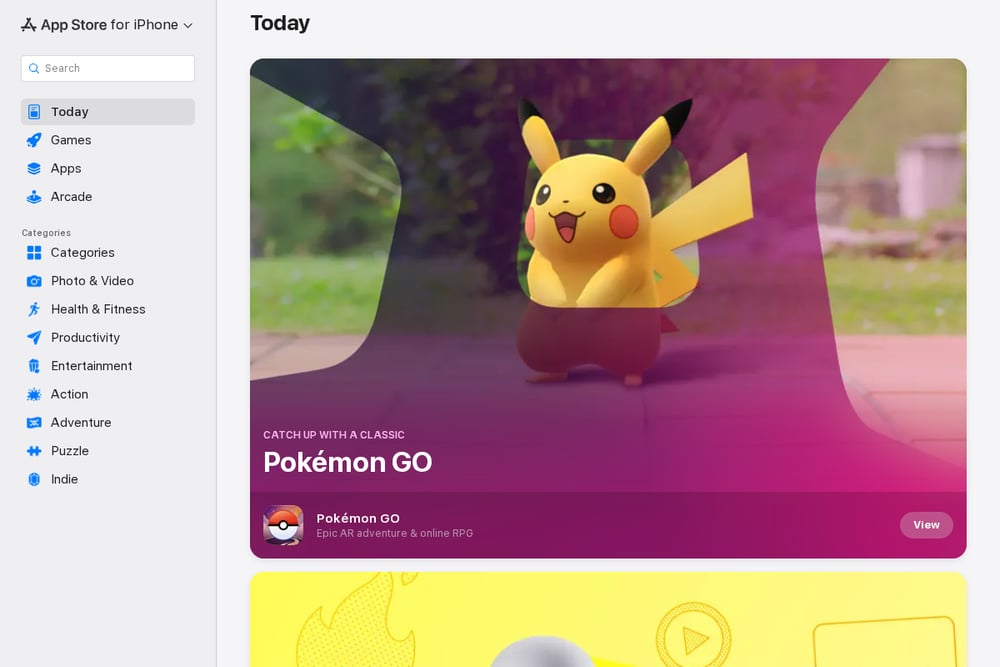 A screenshot of the Money Manager Expense & Budget website.
Money Manager is a full-featured personal finance app with over 20 million downloads. It uses double-entry bookkeeping to give you a complete picture of your accounts, budgets, and spending trends. You can manage multiple currencies, set sub-categories, and view weekly, monthly, or annual statistics. The app also offers a PC manager function so you can edit data on your computer over Wi-Fi. It's free with in-app purchases and has a 4.8-star rating from 19,000 reviewers. If you want desktop-style bookkeeping on your phone, this is a solid choice.
#2 Dagger Development — Independent iOS Apps
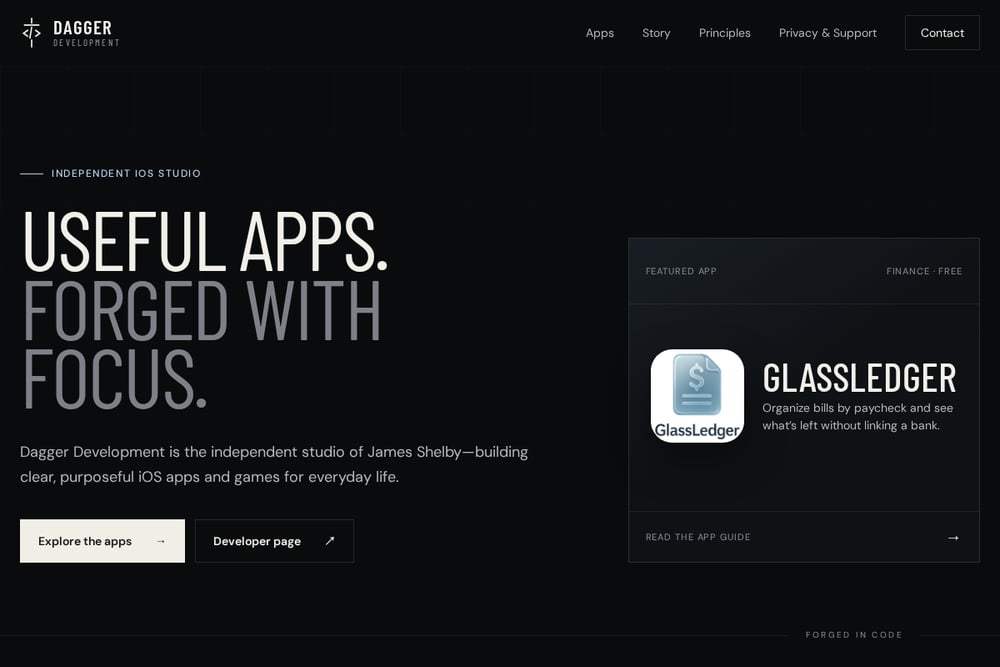 A screenshot of the Dagger Development — Independent iOS Apps website.
Dagger Development is the independent iOS studio of James Shelby, based in Sonoma County, California. The studio builds focused, purpose-driven apps, including GlassLedger, a private on-device budgeting app for paychecks and bills. Unlike many finance apps, GlassLedger keeps your data on your iPhone—no bank linking, no cloud sync required. James brings a background in emergency medical work, private security, and knife manufacturing to his software, emphasizing details, dependability, and clear purpose. With six apps in the App Store, Dagger Development proves that small, intentional tools can solve specific problems without unnecessary complexity.
#3 Goodbudget
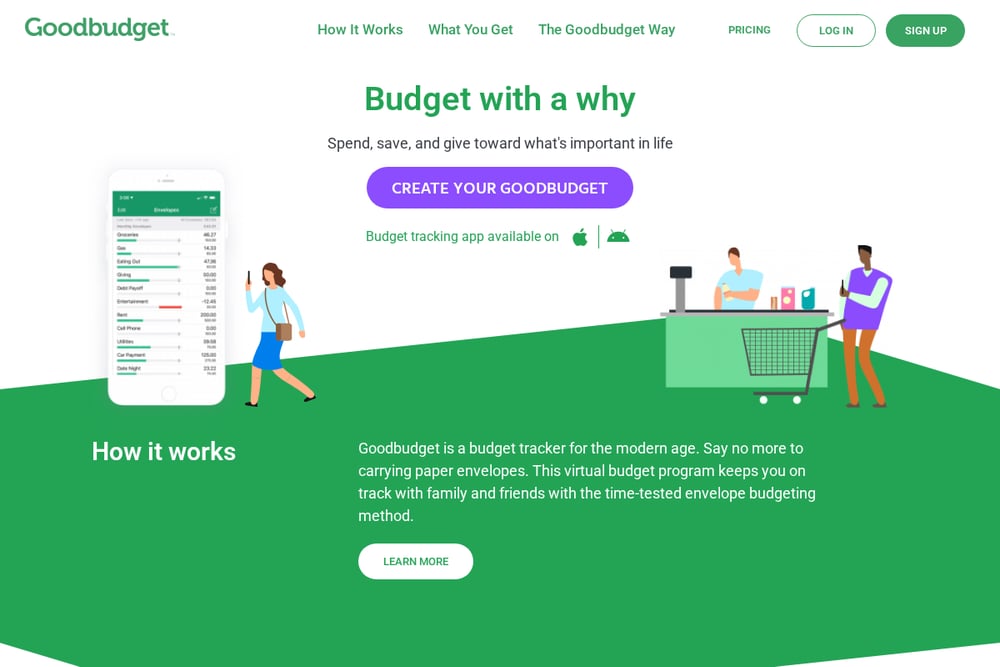 A screenshot of the Goodbudget website.
Goodbudget brings the time-tested envelope budgeting method to your iPhone, Android, and the web. You allocate your income into virtual envelopes for different spending categories, then track your expenses against those envelopes. The app syncs across devices and lets you share budgets with family or friends. It's designed for daily life, with features for saving for big expenses and paying off debt. Goodbudget has been around for years and continues to add features like running balances and pending transaction imports. If you like the envelope system but want to ditch the paper, this is for you.
#4 CashJot
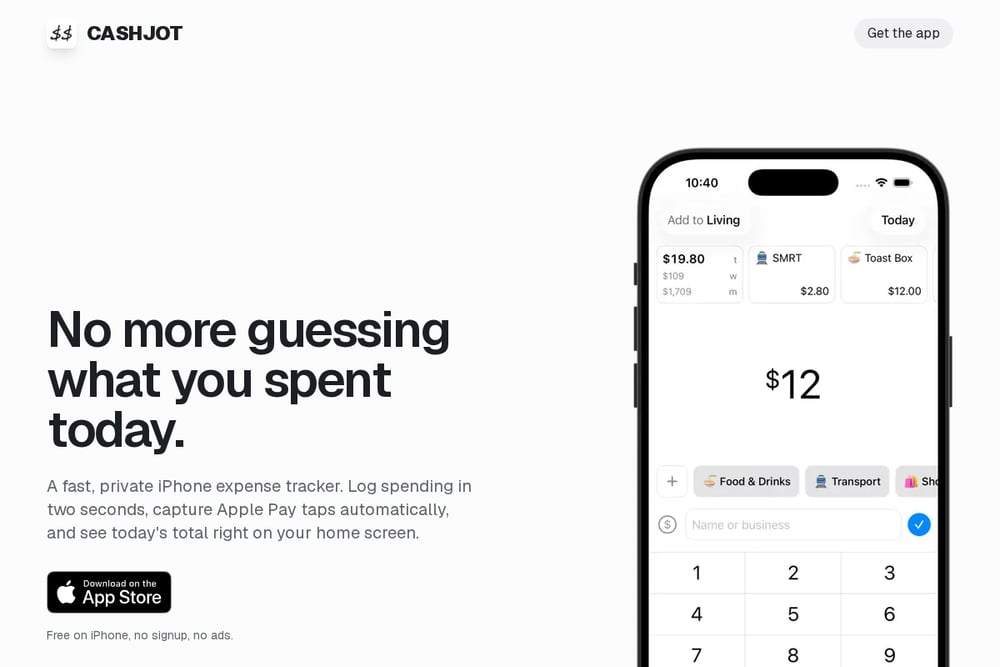 A screenshot of the CashJot website.
CashJot is a privacy-first expense tracker that requires no signup, no bank login, and no ads. It stores your data on your device and offers glanceable widgets for two-second logging at the counter. You can automate logging with in-store Apple Pay, making it one of the fastest ways to track spending. CashJot is ideal if you want complete control over your data and don't need cloud sync. It's a manual-first tracker that prioritizes speed and privacy over automation. For anyone tired of broken bank connections, CashJot is a breath of fresh air.
#5 Thrust
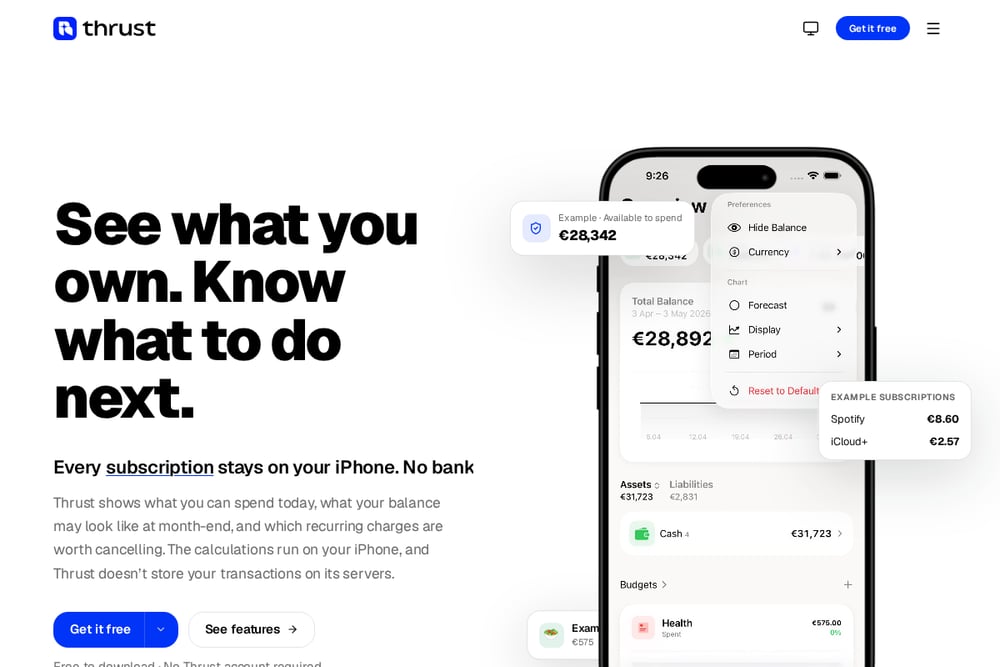 A screenshot of the Thrust website.
Thrust is a privacy-first personal finance app that doesn't hand your data to an aggregator. It offers a Ghost Mode that blocks network access, so core tracking and analysis continue offline. You can use Thrust fully without ever connecting a bank account through Plaid or similar services. Your financial data lives on your device or your own infrastructure, not on the developer's servers. Thrust also avoids data monetization—no ads, no selling of behavioral data. If you want maximum control over your financial privacy, Thrust is worth a look.
How to Choose the Right App for You
Start by deciding how much automation you want. If you prefer to link your bank and let the app categorize everything, Money Manager or Goodbudget might fit. If you want to keep everything on your device and log manually, Dagger Development's GlassLedger or CashJot are better. Consider whether you need to share a budget with a partner—Goodbudget excels there. Think about your privacy comfort level: Thrust offers the strongest controls, while others may sync to the cloud. Finally, check the price. Some apps are free with ads or in-app purchases, while others charge a one-time fee. Pick the one that matches your habits, not the one with the most features.
Automation and Privacy: The Trade-Off
Automation can save time, but it often comes at the cost of privacy. Linking your bank through an aggregator means your credentials and transaction history pass through third-party servers. If you're comfortable with that, apps like Money Manager and Goodbudget can automate imports and categorization. If not, manual-first apps like CashJot and Dagger Development's GlassLedger keep everything on your device. Thrust takes it further with Ghost Mode, which blocks network access entirely. The right balance depends on how much you value convenience versus control. You can always start manual and switch later if you change your mind.
The Bottom Line on Private Budgeting
You don't have to sacrifice privacy to get a handle on your money. The five apps here prove that you can track spending, stick to a budget, and still keep your data to yourself. Money Manager offers depth, Dagger Development offers focused simplicity, Goodbudget offers shared envelopes, CashJot offers speed, and Thrust offers maximum privacy. Try one, or try a few. The best app is the one you'll actually use—and that respects your boundaries.