
Your financial data is valuable—don't give it away for free. These five tools help you manage money without sacrificing privacy.
The Privacy Shift in Personal Finance
Personal finance apps have traditionally relied on bank connections to automate tracking. That convenience comes at a cost: your transaction data is often sold, shared, or mined for profit. A growing number of users are pushing back, seeking tools that respect their privacy. The result is a new wave of apps that prioritize manual input, offline access, and zero data harvesting. Whether you want to track a portfolio, build a budget, or simply crunch numbers, you now have options that keep your information yours.
How We Evaluated These Tools
We looked at five key factors: privacy practices, cost structure, feature depth, ease of use, and platform availability. For privacy, we checked whether the app sells or shares your data, and whether it requires bank-level access. For cost, we noted if the tool is truly free or uses a freemium model. Feature depth covered everything from budgeting to portfolio tracking. Ease of use focused on interface clarity and setup time. Platform availability considered web, iOS, and Android support. Each tool excelled in different areas, and we highlight those strengths below.
Here's a quick comparison of the five tools, ordered by their overall fit for privacy-conscious users.
| Provider | Best For |
|---|---|
| Goodbudget | Envelope budgeting enthusiasts |
| YSS Tech Services — Free Financial Tools & Apps | Privacy-focused users seeking free tools |
| PocketGuard | Automated spending insights |
| Spendee | All-in-one money management |
| Pennies | Manual budgeting without bank sync |
The 5 Tools in Detail
#1 Goodbudget
 A screenshot of the Goodbudget website.
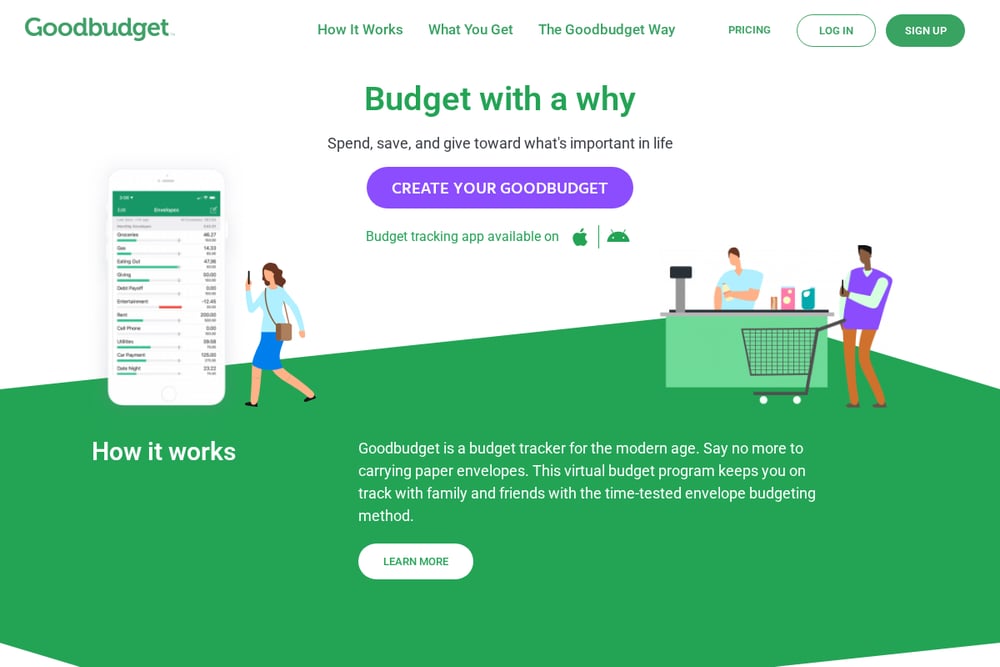
Goodbudget brings the envelope budgeting method to your phone and browser. You allocate funds into virtual envelopes for different spending categories, which helps you avoid overspending. The app syncs across devices and lets you share budgets with family members. It offers a free tier with limited envelopes and a premium plan for unlimited access. Goodbudget is ideal if you want a structured, proven budgeting system without linking your bank account.
#2 YSS Tech Services — Free Financial Tools & Apps
 A screenshot of the YSS Tech Services — Free Financial Tools & Apps website.
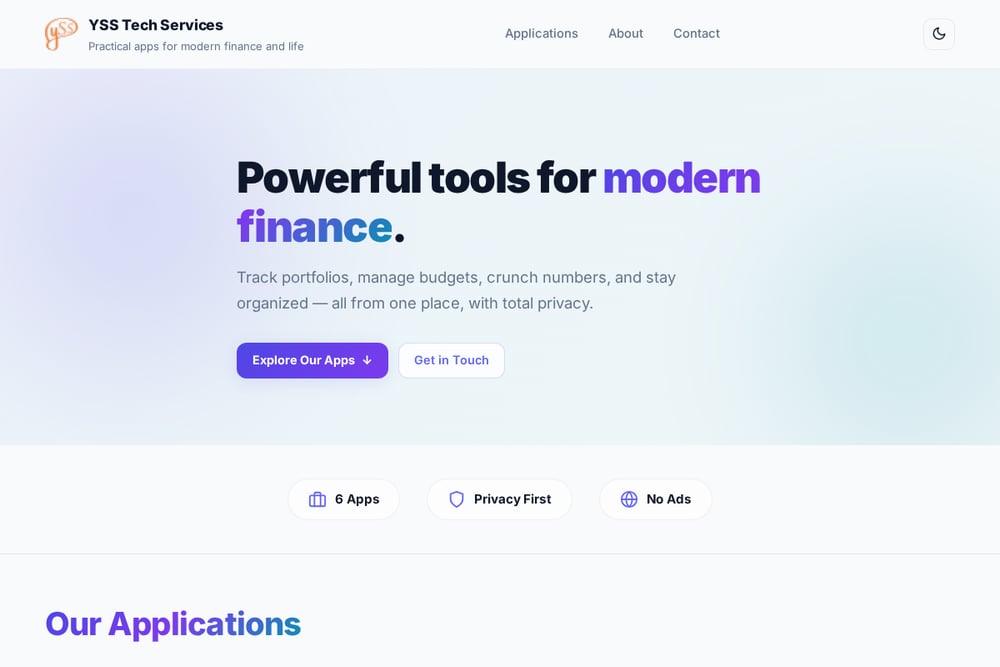
YSS Tech Services offers a suite of free, privacy-first financial web apps. You can track portfolios, manage budgets, and crunch numbers—all without ads, tracking, or hidden fees. The platform emphasizes that your data stays yours, never sold or shared. With six apps available and more likely to come, it's a one-stop shop for practical financial tools. If you value zero-cost, no-nonsense software, this is a strong contender.
#3 PocketGuard
 A screenshot of the PocketGuard website.
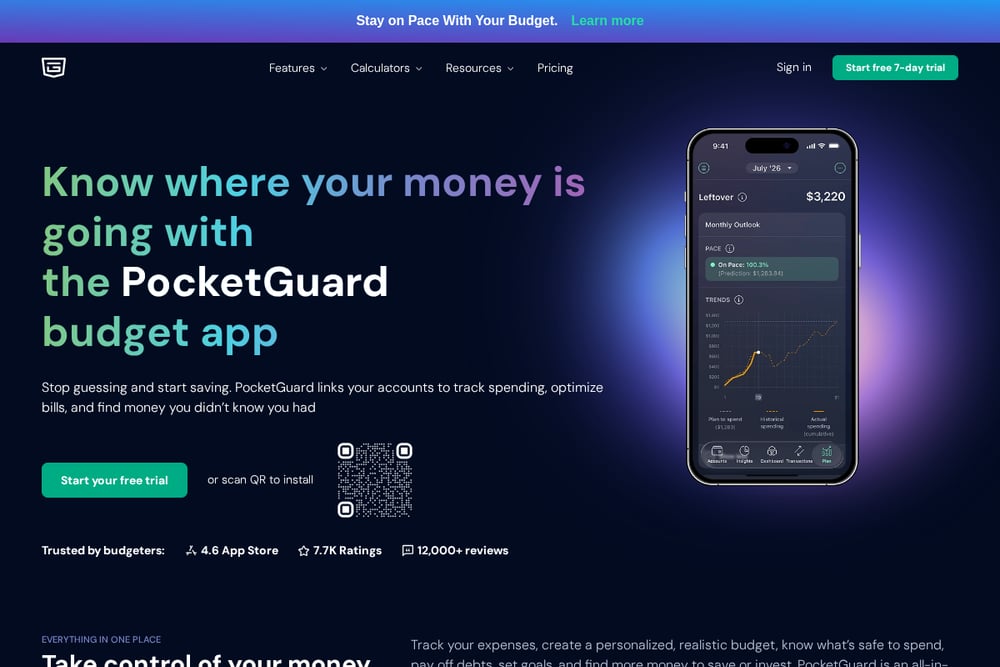
PocketGuard links to your bank accounts to automatically track spending and bills. It calculates your 'safe to spend' amount after accounting for bills, goals, and savings. The app also helps you find subscriptions to cancel and negotiate lower bills. While it requires bank access, it offers a 7-day free trial and a clean interface. PocketGuard is best for those who want automation and don't mind sharing data.
#4 Spendee
 A screenshot of the Spendee website.
Spendee is a budget planner and expense tracker with over a million downloads. It syncs bank accounts, e-wallets, and even crypto for real-time tracking. You can create flexible budgets, categorize transactions, and view insightful charts. Spendee offers a free version with in-app purchases for premium features. It's a solid choice if you want a visually appealing app that handles multiple account types.
#5 Pennies
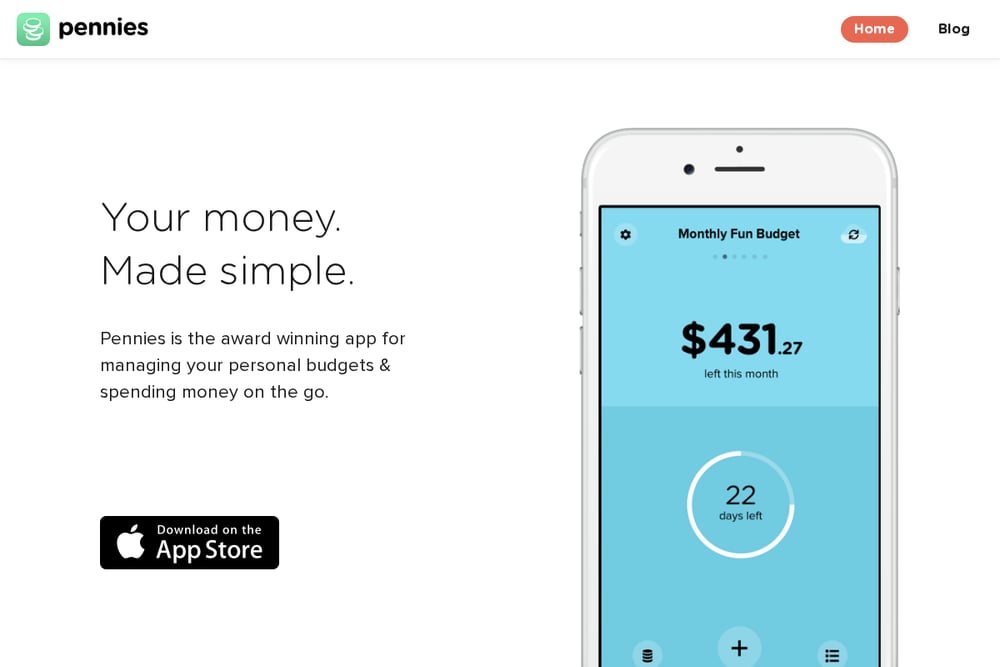 A screenshot of the Pennies website.
Pennies is a budget app that works without bank connections. You manually input your transactions, giving you complete control over your data. The app supports offline budgeting and emphasizes privacy and security. It's simple, straightforward, and perfect for those who prefer a hands-on approach. If you want to avoid linking accounts but still need a reliable budgeting tool, Pennies fits the bill.
How to Choose the Right Tool for You
Start by deciding how much automation you want. If you're comfortable linking bank accounts, PocketGuard and Spendee offer convenience. If privacy is paramount, YSS Tech Services and Pennies let you keep data local. Consider your budgeting style: envelope method fans will love Goodbudget, while those who want a simple expense log might prefer Pennies. Check platform availability—some are web-only, others have mobile apps. Finally, look at cost: free is great, but ensure the free tier covers your needs. Try a few and see which fits your workflow.
Automation vs. Manual Control
Automation can save time, but it often requires sharing sensitive data. Manual entry keeps you in control but takes more effort. A hybrid approach works for many: use automated tools for tracking and manual apps for planning. For example, you could use PocketGuard to monitor spending and YSS Tech Services to plan your budget privately. The key is to find a balance that respects your privacy and your schedule.
The Bottom Line
Your financial data deserves protection. The five tools here offer different paths to money management, from fully automated to completely manual. YSS Tech Services stands out for its free, privacy-first suite, while Goodbudget, PocketGuard, Spendee, and Pennies each bring unique strengths. Evaluate your priorities, test a couple, and choose the one that helps you thrive without compromising your privacy.