
Finding a UI/UX designer who can also code the front end is like finding a unicorn. But in 2026, the market demands exactly that: a blend of visual thinking and technical execution. Whether you are hiring a freelancer or building
The UI/UX and Front-End Market in 2026
Demand for front-end developers remains high, with Stack Overflow’s 2025 survey ranking them among the top six most common roles worldwide. JavaScript, HTML, and CSS are used by over 60% of professional engineers, and frameworks like React.js and Angular are now table stakes. At the same time, companies want designers who can think in systems and developers who understand user experience. The result is a growing need for hybrid talent, people who can take a product from concept to launch without handoffs. Whether you are hiring or building your own career, understanding this convergence is key to staying competitive.
How We Ranked These Resources
We evaluated each platform and portfolio based on three criteria: relevance to UI/UX and front-end work, ease of finding or showcasing talent, and the quality of supporting content. Toptal scored highest for its rigorous vetting and clear skill breakdowns. Designlab and Sitebuilderreport earned high marks for educational value and inspiration. Rick Musil’s portfolio was ranked lower because it represents a single freelancer, not a platform, but it excels as a direct hire option. Freelancer offers scale but requires more effort to filter quality.
Here is a quick comparison of the five resources to help you decide where to focus your time.
| Provider | Best For |
|---|---|
| Toptal | Hiring vetted freelance front-end developers fast |
| Designlab | Learning how to build a standout UX/UI design portfolio |
| Sitebuilderreport | Finding portfolio design inspiration from real developer examples |
| Rick Musil — Portfolio | Hiring a freelance UI/UX designer who also codes |
| Freelancer | Posting UI/UX design jobs and comparing bids from freelancers |
Deep Dive: The Top 5 Portfolios and Platforms
#1 Toptal
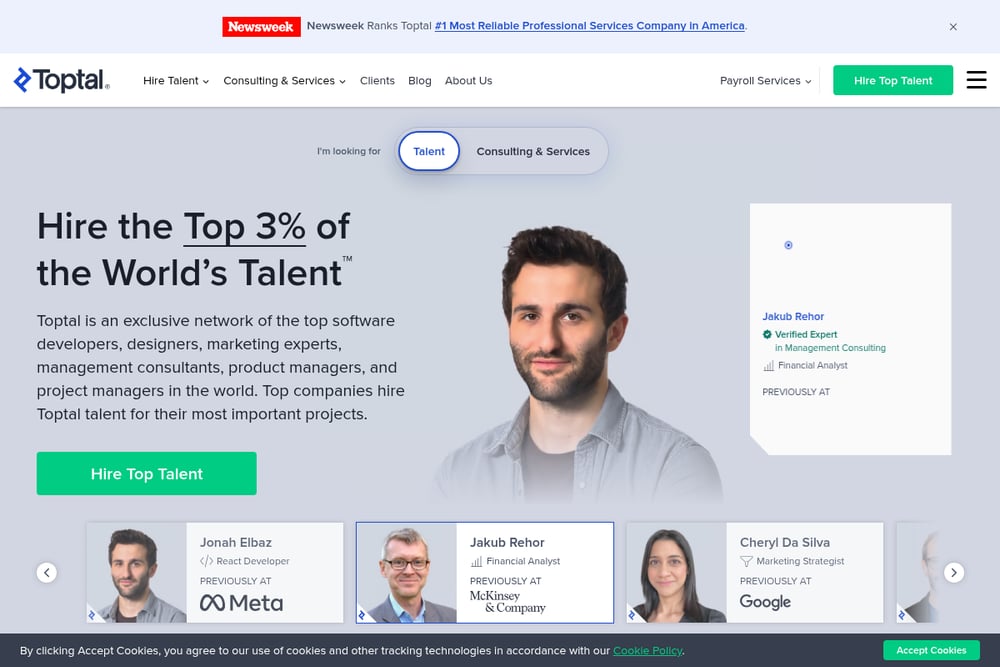 A screenshot of the Toptal website.
Toptal screens the top 3% of freelance front-end developers worldwide, so you skip the noise and get straight to vetted talent. Their guide breaks down essential skills like React.js, Angular, and Bootstrap, which over 60% of professional engineers use daily. If you need a UI/UX designer who can also handle JavaScript, HTML, and CSS, Toptal’s matching process saves you weeks of hunting. They focus on both technical chops and communication fit, making them a go-to for companies that cannot afford a bad hire.
#2 Designlab
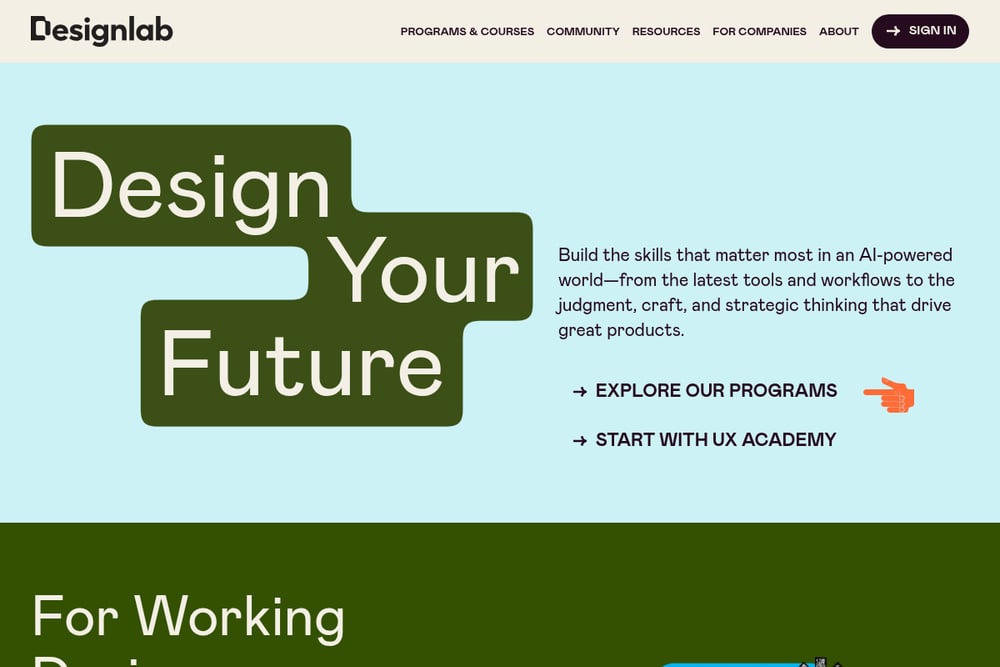 A screenshot of the Designlab website.
Designlab is an online school that trains UX/UI designers through mentorship and real-world projects. Their portfolio examples show how to present research insights, wireframes, and prototypes in a way that hiring managers love. They emphasize storytelling and problem-solving over just pretty visuals, which is exactly what separates a junior from a senior designer. If you are building your own portfolio, Designlab’s case studies offer a blueprint for showcasing your process from concept to launch.
#3 Sitebuilderreport
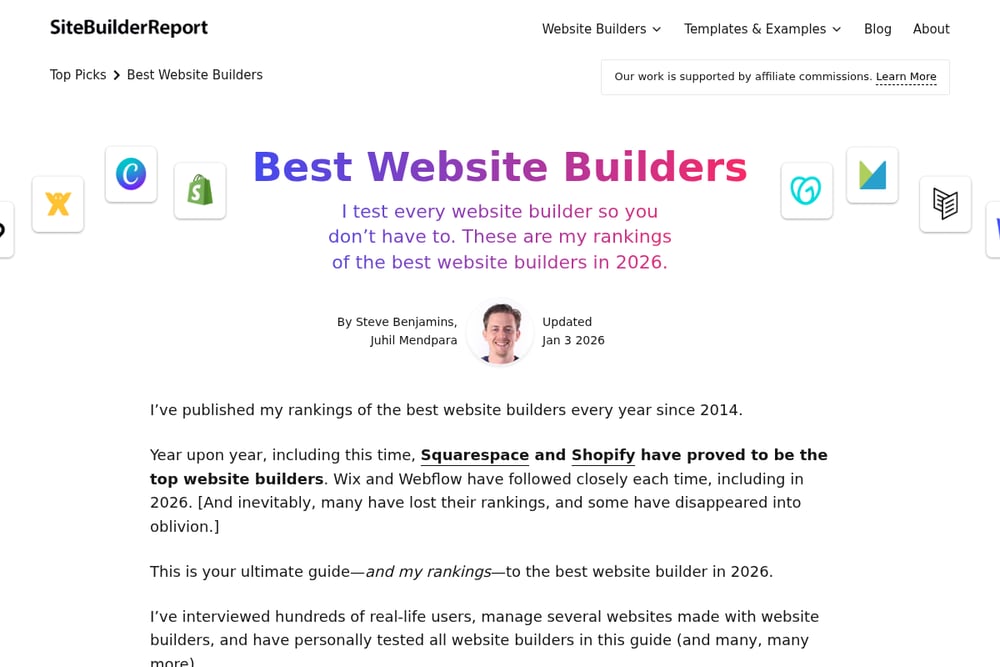 A screenshot of the Sitebuilderreport website.
Sitebuilderreport curates 25 inspiring web designer and developer portfolios, updated for 2026. They stress that a portfolio should show, not tell, by putting your best work front and center. For example, they highlight developers who link to GitHub and include personal projects that demonstrate specific skills like animations or Bootstrap. This resource is perfect for getting fresh layout ideas and understanding what employers actually want to see on your homepage.
#4 Rick Musil — Portfolio
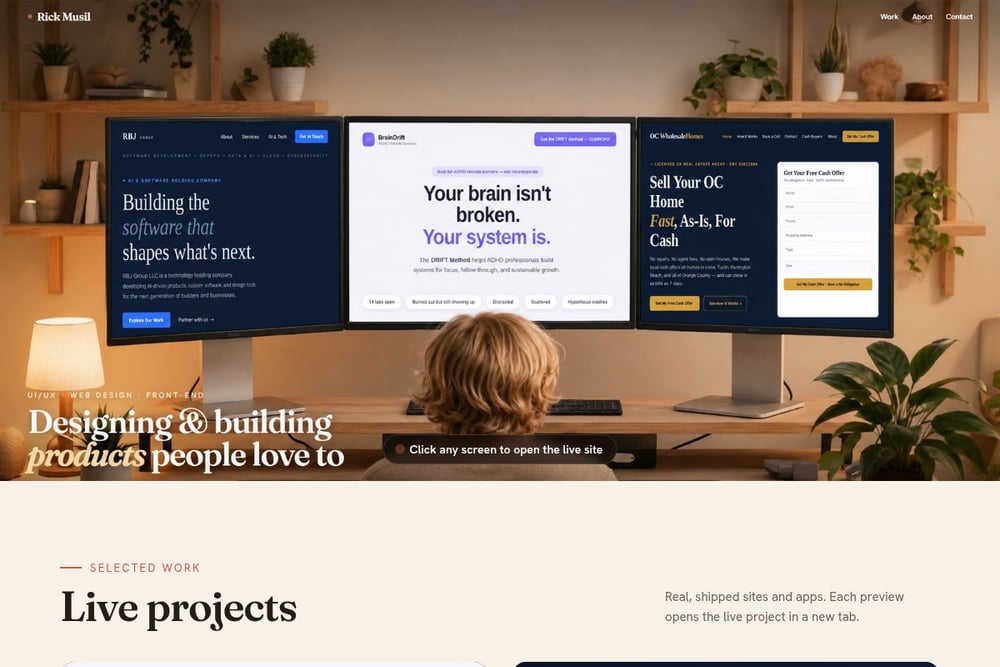 A screenshot of the Rick Musil — Portfolio website.
Rick Musil is a UI/UX designer and front-end developer who builds complete products from concept to launch. His portfolio showcases end-to-end projects, proving he can handle both the visual design and the code that makes it work. He is open to freelance roles and new projects, making him a direct option if you need a solo professional who owns the full stack. For anyone looking to hire a versatile creative who can ship, Rick’s site is a clear example of what a modern product builder looks like.
#5 Freelancer
 A screenshot of the Freelancer website.
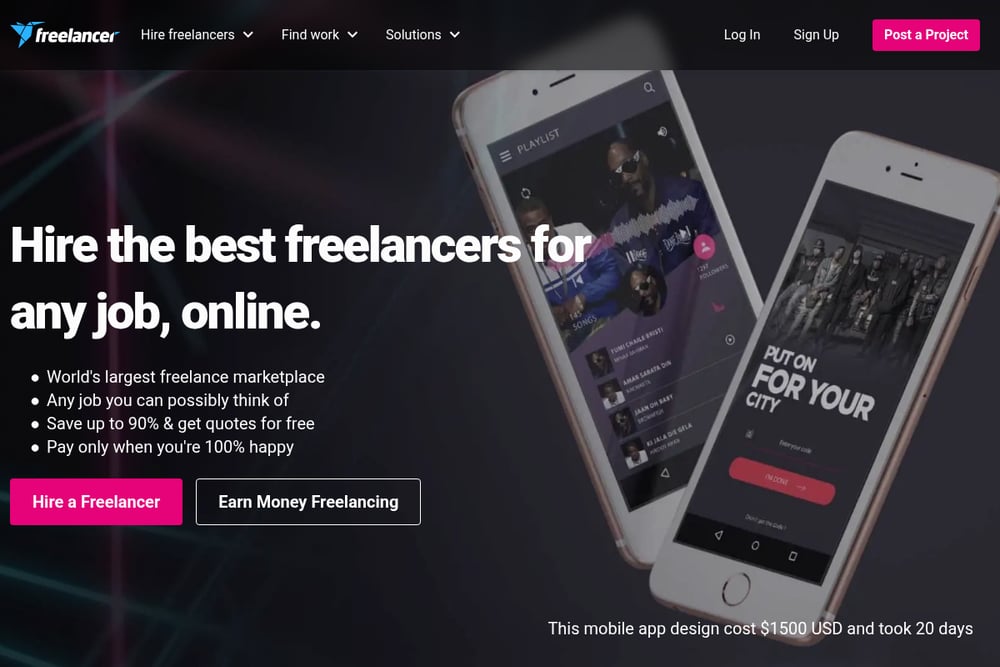
Freelancer is a massive marketplace where you can post UI/UX design jobs and receive bids from freelancers worldwide. Their job listings show a wide range of projects, from motion graphics for healthcare apps to full-stack maintenance using React and TypeScript. While the sheer volume can be overwhelming, the platform gives you access to a global talent pool with varying budgets and timelines. It is best for quick, budget-conscious projects where you are willing to sift through proposals to find the right fit.
How to Choose the Right Resource for Your Needs
Start by asking what you need most. If you are hiring for a critical role and cannot afford a bad hire, Toptal’s vetting process is worth the premium. If you are a designer building your portfolio, Designlab’s case studies and Sitebuilderreport’s inspiration gallery will give you a roadmap. For a direct, one-person hire who can handle both design and code, Rick Musil’s portfolio is a solid bet. And if you have a tight budget and flexible timeline, Freelancer lets you compare bids from a global pool. Match the resource to your specific project stage and urgency.
Automate Your Hiring Workflow
You can streamline your search by setting up alerts on Freelancer for specific skills like React or Figma. Use Toptal’s matching questionnaire to auto-generate a shortlist of candidates. For portfolio inspiration, bookmark Sitebuilderreport and check it quarterly for new examples. Combine these with a simple spreadsheet to track candidates, their portfolios, and your notes. This way, you spend less time searching and more time evaluating the best fits.
Your Next Move
The line between UI/UX designer and front-end developer is blurring, and the best resources reflect that reality. Whether you hire through Toptal, learn from Designlab, or connect directly with a freelancer like Rick Musil, the goal is the same: find someone who can build a complete product. Start with the resource that matches your immediate need, and keep the others in your back pocket for future projects. The right talent is out there, and now you know exactly where to look.