Vet bills don't wait for a good month. These five pet insurance and wellness options give you a clearer way to plan for the costs of caring for a dog or cat.
The State of Pet Coverage in the US
Pet owners are spending more on veterinary care than ever, and the sticker shock is real. Emergency exams, imaging, and surgery can stack up fast, which is why more households are treating pet insurance as part of the monthly budget rather than a luxury. The market has split into a few clear lanes: accident-only plans for budget-conscious owners, accident and illness plans for broader protection, and separate wellness plans that help with routine care like checkups and vaccines. Reimbursement models are the norm, meaning you pay the vet and get money back. That makes the details matter, including reimbursement percentages, deductibles, annual limits, and waiting periods. Pre-existing conditions are typically excluded, so timing your enrollment matters. The options below take different approaches to the same problem: helping you say yes to care without dreading the invoice.
How We Evaluated These Options
We looked at the same factors across every provider. First, service scope: does the provider offer accident-only, accident and illness, and wellness options, or just one lane? Second, pricing clarity: can you see how reimbursement, deductibles, and limits actually work before you commit? Third, support: what happens when you have a question at 2 a.m. or need help understanding a claim? Fourth, transparency around exclusions and waiting periods, since surprises at claim time are the fastest way to sour the experience. Finally, overall fit for everyday pet owners, including how easy it is to compare plans side by side. Each provider below stood out in at least one of these areas, and the notes explain where.
Here's a quick look at how the five options compare on coverage style, support, and who each one tends to suit. Use this as a starting point, then dig into the details that match your pet's age, health, and budget.
| Provider | Best For |
|---|---|
| ASPCA Pet Health Insurance | Owners who want a recognizable brand and lots of plan add-ons |
| Huklberry Pets | Pet Care, Insurance & Wellness | Pet owners who want a clear side-by-side of insurance versus wellness |
| Nationwide Pet Insurance | Households with exotic pets or a preference for an established insurer |
| Pets Best | Budget-conscious owners who want a low-cost entry point |
| Fetch Pet Insurance | Shoppers comparing accident and illness coverage across major brands |
The Five Options in Detail
#1 ASPCA Pet Health Insurance
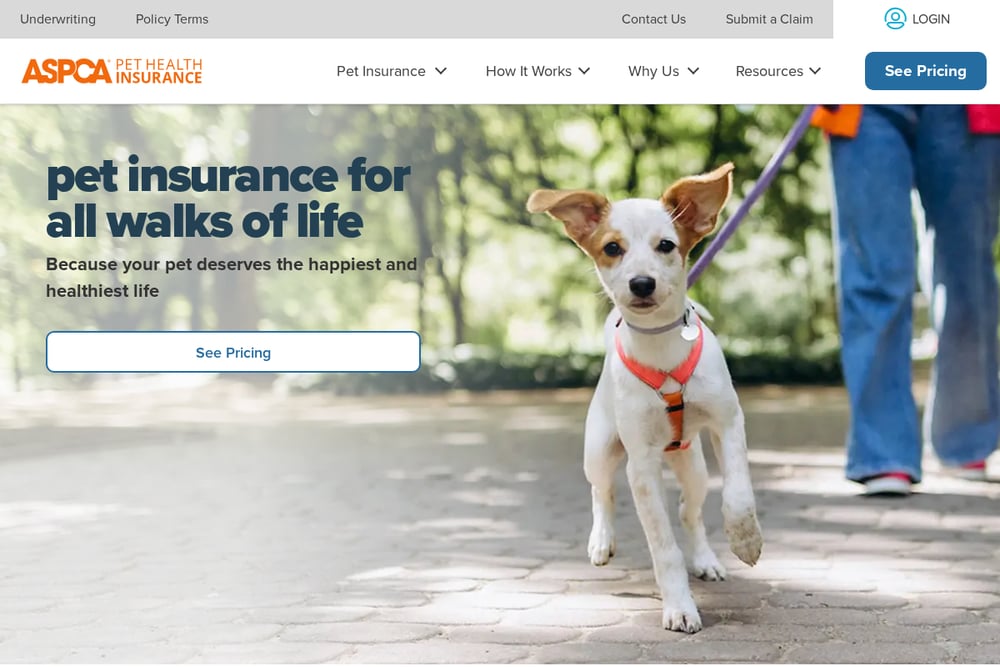 A screenshot of the ASPCA Pet Health Insurance website.
ASPCA Pet Health Insurance brings a familiar name and a broad menu of plan types, including accident-only coverage and preventive care options. The provider explains accident-only plans in plain terms, framing them as protection for unexpected injuries and emergency vet care. You can also explore add-ons like preventive care and behavioral coverage, which helps if you want to build a plan around your pet's specific needs. The educational resources are strong, with guides on how claims and reimbursement work. If you like reading up before you buy, this is a comfortable place to start. See the accident-only overview at https://www.aspcapetinsurance.com/research-and-compare/pet-insurance-basics/accident-only-pet-insurance/ for a sense of the scope.
#2 Huklberry Pets | Pet Care, Insurance & Wellness
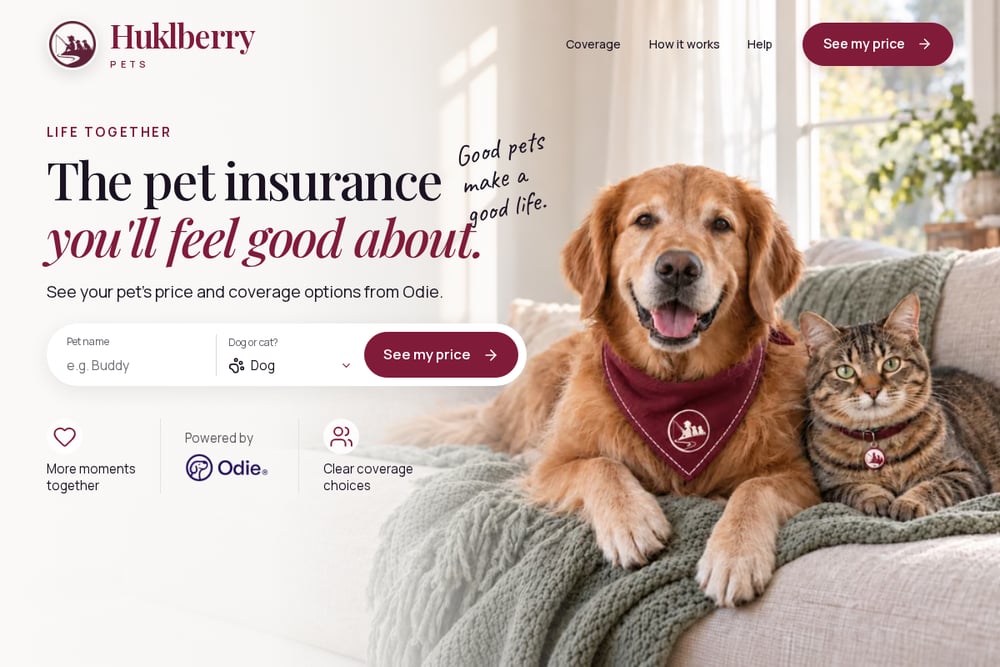 A screenshot of the Huklberry Pets website.
Huklberry Pets keeps the decision simple by laying out three clear paths: accident and illness, accident-only, and a separate wellness plan that is explicitly not insurance. The site is built around a price tool, so you enter your pet's name and whether you have a dog or cat, then see options. Accident and illness plans offer up to 90% reimbursement of eligible costs, while accident-only coverage carries 90% reimbursement, a $250 annual deductible, and a $10,000 annual limit. Members get 24/7 vet chat and access to Odie Perks, and home prescription medication is an optional add-on for eligible plans. A worked example shows how a $1,240 vet bill could translate into a $742 reimbursement, which makes the math tangible. Pre-existing conditions are excluded and waiting periods apply, and the site says so up front. Explore the coverage breakdown at https://www.huklberrypets.com/ to see how the three options stack up.
#3 Nationwide Pet Insurance
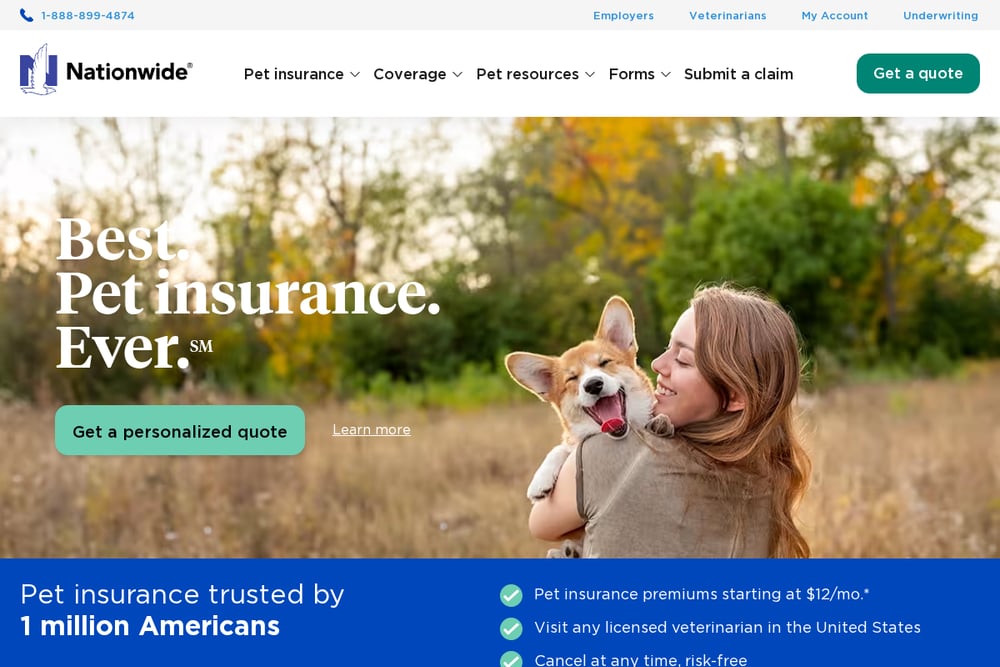 A screenshot of the Nationwide Pet Insurance website.
Nationwide has insured pets for over 40 years, and that longevity shows in the breadth of its offerings, including plans for dogs, cats, and exotics. The accident-only page is direct about how the coverage works and equally direct about the limits: coverage does not start immediately, and conditions that exist before enrollment are treated as pre-existing and excluded. That honesty is useful when you are comparing providers, because it sets expectations before you buy. Nationwide also offers a vet helpline and prescription resources alongside its core plans. If you value an established insurer with a long track record and coverage that extends beyond dogs and cats, this is worth a look. Read the accident-only details at https://www.petinsurance.com/whats-covered/accident-only-pet-insurance/.
#4 Pets Best
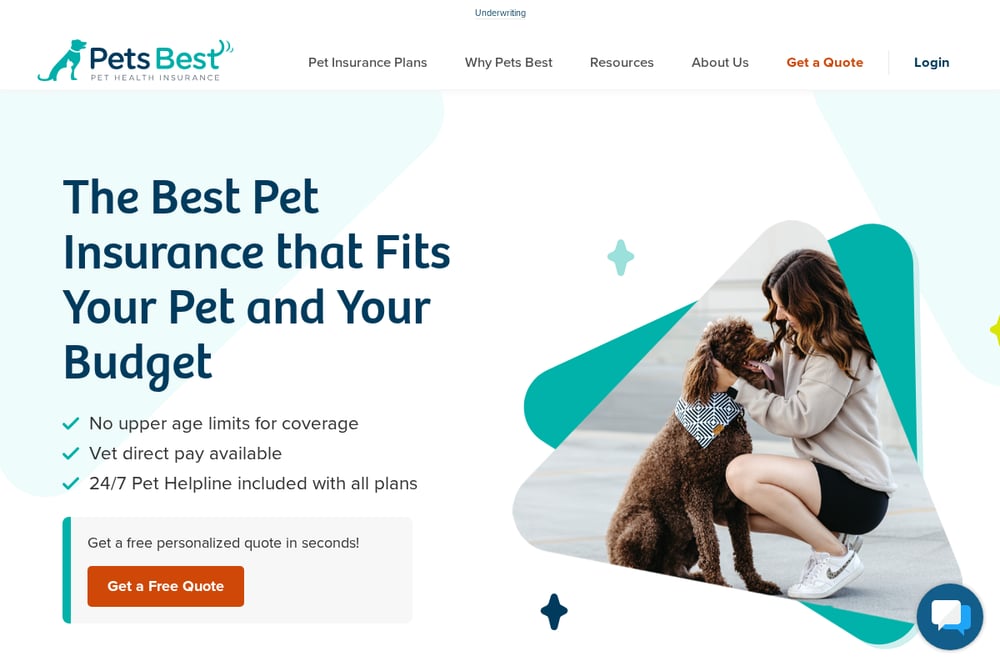 A screenshot of the Pets Best website.
Pets Best positions its accident-only plans for owners on a limited budget who still want help with broken legs, snake bites, and accidental swallowing. The provider is clear that accident plans do not cover illnesses or cancer, and it points you toward its BestBenefit accident and illness plans if you want broader protection. That kind of signposting saves you from buying the wrong plan. Pets Best also offers wellness plans, a 24/7 emergency vet helpline, direct vet pay, and a mobile app for managing claims. The combination of budget-friendly entry points and practical tools makes it a solid fit for first-time insurance shoppers. Compare the accident coverage at https://www.petsbest.com/coverage/accident-insurance.
#5 Fetch Pet Insurance
Fetch Pet Insurance is a well-known name in the accident and illness space, and it belongs on your shortlist if you are comparing broader coverage rather than accident-only plans. The provider's accident and illness page is the natural starting point, though access to the site can be restricted depending on your network, so plan to check it from a standard connection. Fetch is typically discussed alongside the other major reimbursement-style insurers, which makes it a useful benchmark when you are weighing quotes. As with any provider, confirm the reimbursement rate, deductible, annual limit, and waiting periods before you enroll. If you are building a comparison sheet, add Fetch to the list and check its current terms directly.
How to Pick the Right Plan for Your Pet
Start with your pet's age and health history. A young, healthy pet has more options, while an older pet or one with prior conditions may face exclusions no matter which provider you choose. Next, decide what you actually want to protect against. If a surprise surgery would wreck your budget, an accident and illness plan makes sense. If you mainly want help with routine care, a separate wellness plan can fill that gap, but remember it is not insurance and usually comes with yearly benefit limits. Then look at the numbers that drive your payout: reimbursement percentage, deductible, and annual limit. Run a realistic bill through each provider's example or calculator so you can see your share. Finally, check the support side. A 24/7 vet chat or helpline can be genuinely useful, and clear explanations of waiting periods and exclusions tell you a lot about how a company treats its customers.
A Simple Workflow for Comparing Quotes
You do not need a spreadsheet wizard to get this done. Set aside an hour and work through it in order. First, list your pet's age, breed, and any known health issues. Second, gather quotes from each provider using the same pet details so the comparison is fair. Third, for each quote, record the reimbursement rate, deductible, annual limit, and waiting period in one row. Fourth, note whether wellness care is included or sold separately, and whether there is a vet chat or helpline. Fifth, read the exclusions section, especially around pre-existing conditions. Sixth, run one realistic scenario, like an emergency visit with imaging and surgery, through each plan to see your out-of-pocket share. Seventh, pick the two plans that fit your budget and read their policy terms in full before enrolling. Repeat the review once a year or when your pet's health changes.
The Bottom Line
There is no single right plan, only the one that matches your pet and your budget. ASPCA Pet Health Insurance gives you a wide menu and plenty of reading material. Huklberry Pets makes the insurance-versus-wellness decision unusually clear with three distinct paths and a worked reimbursement example. Nationwide brings decades of experience and coverage that extends to exotic pets. Pets Best offers a budget-friendly entry point with practical tools. Fetch is a useful benchmark in the accident and illness category. Compare at least three, check the exclusions, and run your own numbers. Your future self, staring down a vet invoice, will thank you.