You don't need a finance degree to get your money in order—you need a plan you'll actually follow. These five resources turn big money goals into small, doable steps.
The DIY Finance Education Boom
More people are skipping expensive advisors and turning to self-guided financial education. The demand is for clear, actionable content that fits into a busy life—not dense textbooks or sales pitches. Whether you want a 30-day reset or a ongoing budgeting system, there's a playbook for you.
How We Evaluated These Resources
We looked at actionability (can you start today?), clarity of steps, breadth of topics covered, and how well the material respects your time. We also considered whether the guidance is free of jargon and hidden upsells.
Here's a quick look at the five resources, ordered to help you find the right fit fast.
| Provider | Best For |
|---|---|
| Vault22 | A guided daily walkthrough |
| Good Playbooks | A concise, all-in-one money reset |
| Consolidated Credit | A comprehensive checklist with support |
| Members 1st | Habit-building with credit union support |
| RBFCU | Budget optimization over 30 days |
The 5 Resources in Detail
#1 Vault22
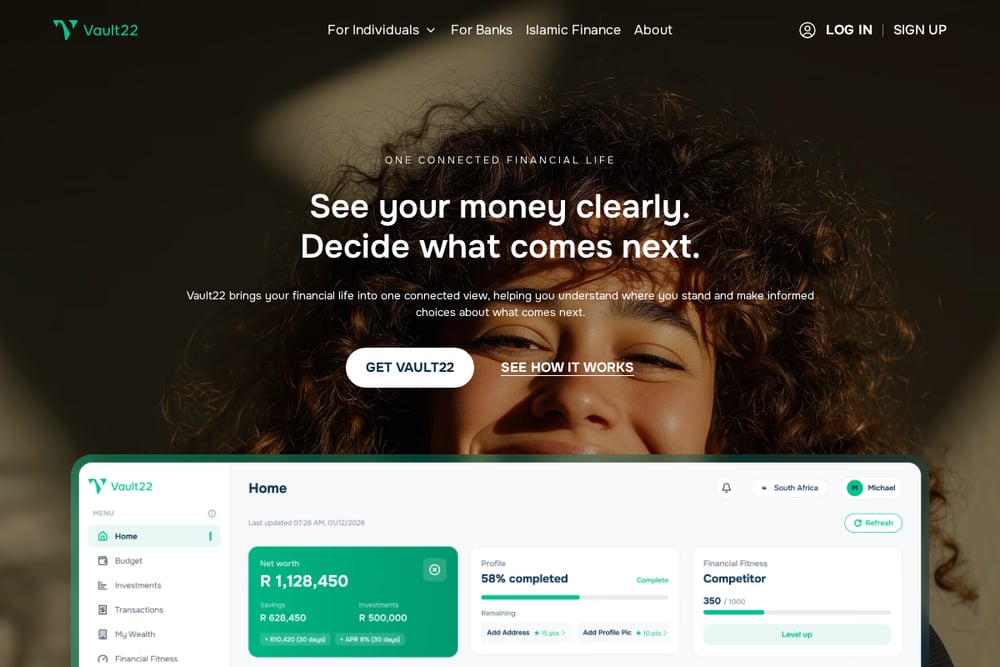 A screenshot of the Vault22 website.
Vault22 offers a structured 30-day financial wellness plan that walks you through daily actions. Week one focuses on awareness—checking accounts, calculating net worth, and pulling your credit report. Later weeks cover budgeting, optimization, and building momentum. It's a solid choice if you want a guided, day-by-day approach with a clear finish line. The plan is free and requires no financial background.
#2 Good Playbooks
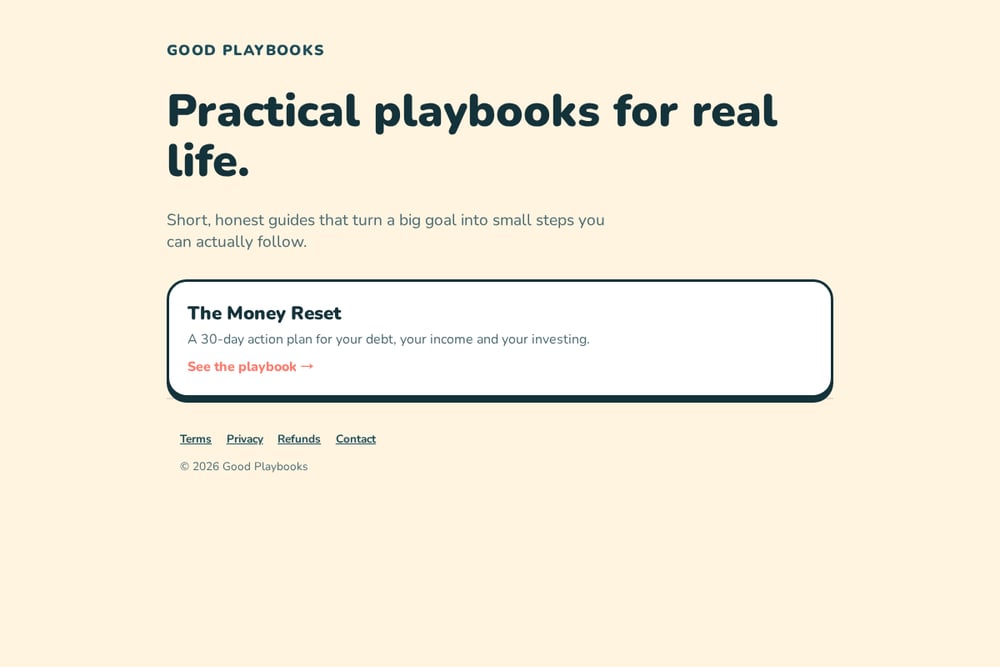 A screenshot of the Good Playbooks website.
Good Playbooks publishes short, honest guides that break big goals into small steps you can follow. Its flagship Money Reset is a 30-day action plan covering debt, income, and investing—all in one place. The writing is plain and direct, with no fluff or upsells. If you want a practical playbook that respects your time, this is a strong starting point. You can see the full playbook at goodplaybooks.com.
#3 Consolidated Credit
 A screenshot of the Consolidated Credit website.
Consolidated Credit's 30-day financial literacy checklist covers eight key areas, from calculating income to advanced topics. Each day has a specific task, like making a bill calendar or setting up autopay. It's part of their broader nonprofit credit counseling services, so you can get additional help if needed. The checklist is free and thorough, though it may feel dense for beginners.
#4 Members 1st
 A screenshot of the Members 1st website.
Members 1st, a credit union, offers a 30-day financial reset focused on building money habits for the new year. The plan emphasizes practical steps like setting up autopay and creating a bill calendar. As a credit union, they also provide financial counseling and calculators to support your journey. It's a good fit if you prefer a community-oriented institution with educational resources.
#5 RBFCU
 A screenshot of the RBFCU website.
RBFCU's 30 Days to a Better Budget guide helps you refine your budgeting process over a month. It's part of their larger financial wellness blog, which covers saving, borrowing, and spending wisely. The content is practical and easy to follow, with a focus on incremental improvements. If you're already budgeting and want to optimize, this is a useful resource.
How to Pick the Right Playbook
Start by identifying your biggest pain point: Is it debt, budgeting, or investing? If you want a broad reset, go with a plan that covers multiple areas. If you need daily hand-holding, choose a day-by-day guide. And if you prefer ongoing support, a credit union or nonprofit might be your best bet. Remember, the best plan is the one you'll actually stick with.
Automate Your Money Moves
Once you've picked a playbook, set up automation to make the steps stick. Schedule a recurring calendar reminder for each daily task. Use your bank's autopay for bills and transfers to savings. And link your accounts to a budgeting app so you can track progress without manual entry. Automation reduces friction and keeps you consistent.
The Bottom Line
You don't need a complicated system to improve your finances—you need a clear plan and a little consistency. Whether you choose Good Playbooks for its concise Money Reset, Vault22 for daily guidance, or another resource on this list, the key is to start. Pick one, block 15 minutes a day, and watch your money habits transform.