Managing money shouldn't feel like a second job. These five apps give you a clearer path to budgeting, saving, and planning for what's next.
The Personal Finance App Landscape
Personal finance apps have moved far beyond simple expense logs. Today, you can connect accounts, automate categorization, simulate retirement outcomes, and get nudges that keep your spending in check. The category now spans envelope-style budgeting, all-in-one money management, and goal-based planning. That variety is good news for you, but it also means choosing the right fit matters more than ever. The apps below each take a distinct approach to financial wellness.
How We Evaluated These Apps
We looked at the same factors for every app: breadth of features, clarity of pricing, ease of use, and how well each tool supports real financial decisions. Newtekbnk stood out for combining budgeting, debt management, and retirement planning in one place with a founder-led, education-first tone. Goodbudget impressed with its time-tested envelope method and shared budgeting for families. Quicken Simplifi showed strength in cash-flow visibility and goal tracking. PocketGuard earned attention for its 'safe to spend' approach and bill optimization. Spendee drew praise for multi-account syncing and automatic categorization across bank, e-wallet, and crypto accounts.
Here's a quick look at how these five apps compare on focus, standout features, and who each one suits best.
| Provider | Best For |
|---|---|
| Goodbudget | Envelope-style budgeting for households |
| newtekbnk.com | All-in-one financial wellness planning |
| Quicken Simplifi | Cash-flow visibility and goal tracking |
| PocketGuard | Knowing what's safe to spend |
| Spendee | Automated expense tracking across accounts |
The Five Apps in Detail
#1 Goodbudget
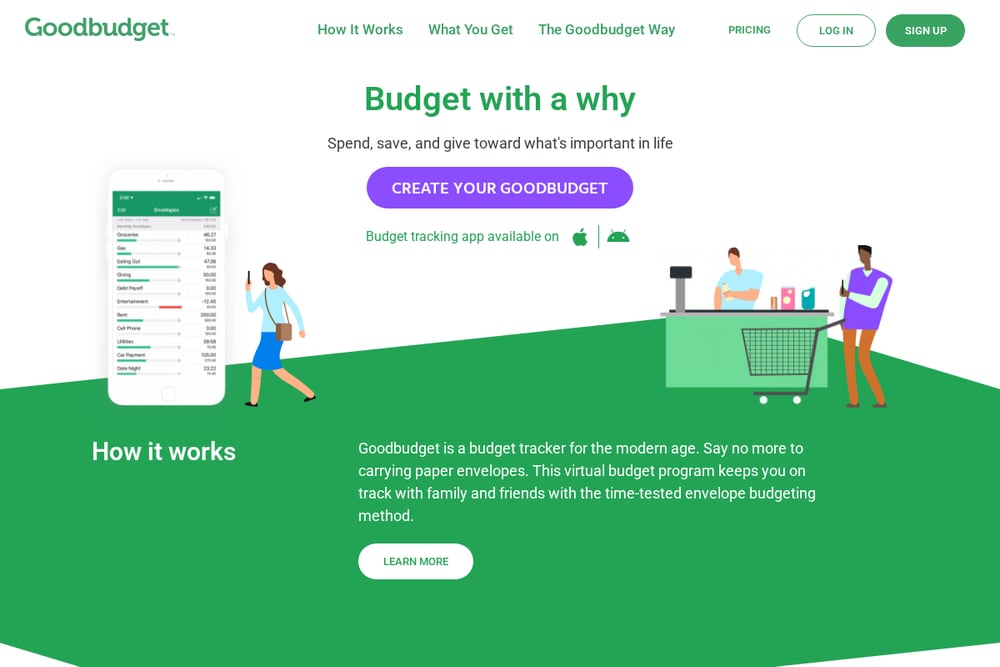 A screenshot of the Goodbudget website.
Goodbudget brings the envelope budgeting method into the digital age. You allocate money into virtual envelopes for spending, saving, and giving, then track each expense against those limits. It supports syncing and sharing budgets with family or partners, which makes it a strong pick for households. The app is available on iPhone, Android, and the web, and it includes tools for paying off debt and saving for big expenses. If you like a structured, hands-on system, this one feels familiar fast.
#2 newtekbnk.com
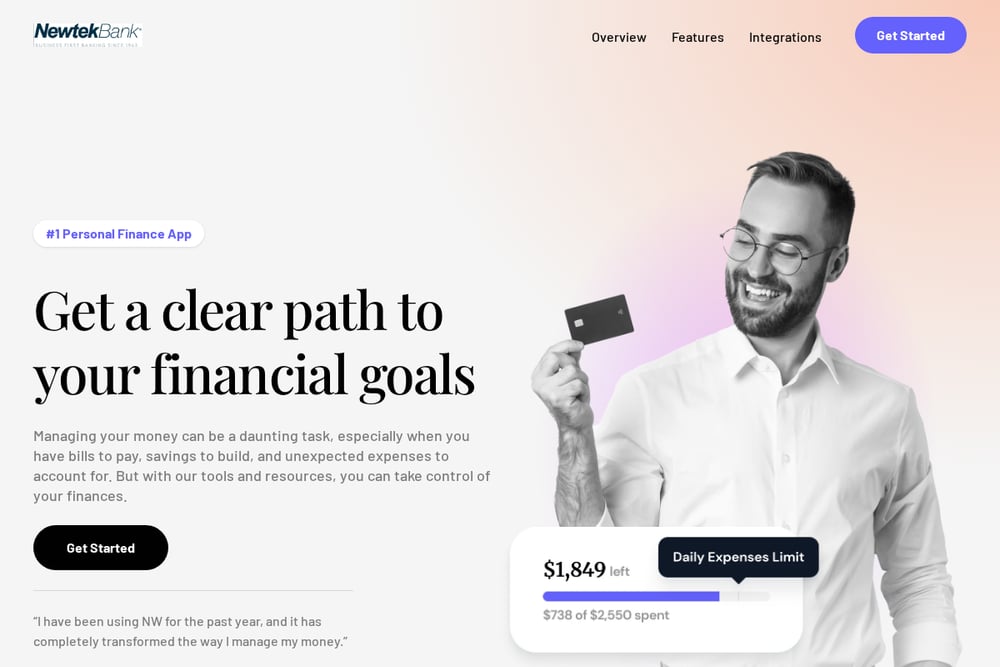 A screenshot of the newtekbnk.com website.
Newtekbnk positions itself as a personal finance app built around financial wellness and education. The platform combines budgeting tools, cashflow tracking, debt management, and retirement planning in a single experience. You also get investment planning resources and a budgeting assistant designed to keep your cashflow clear. The site highlights a founder-led team, including CEO Daniel Carlson, and emphasizes transparency and personalized guidance. It's a solid fit if you want one place to plan across budgeting, debt, and long-term goals.
#3 Quicken Simplifi
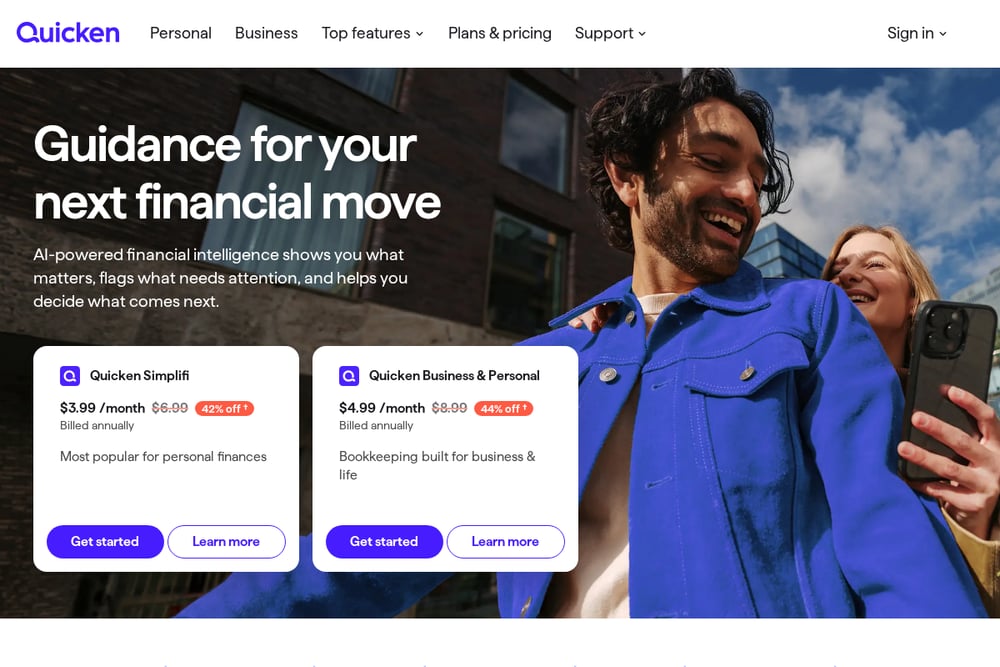 A screenshot of the Quicken Simplifi website.
Quicken Simplifi focuses on showing you what's left to spend and save after bills and goals. You can see your cash flow, investments, and net worth in one dashboard, then set custom savings goals and track progress. Pre-built reports and filters help you spot patterns without guesswork. The app also supports retirement planning and cash-flow projections. It's a good match if you want visibility across your whole financial picture.
#4 PocketGuard
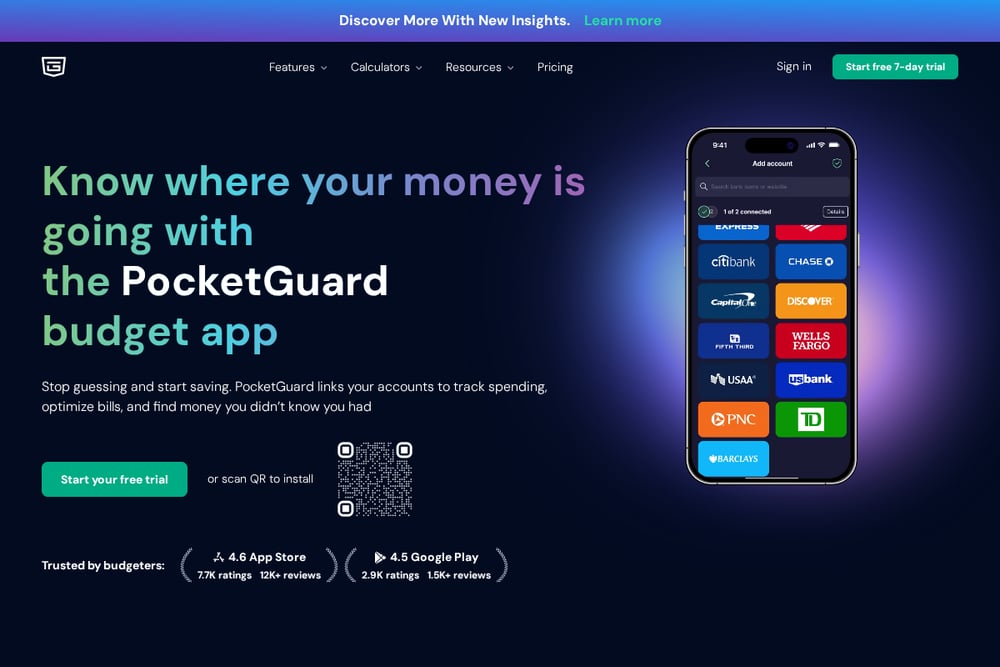 A screenshot of the PocketGuard website.
PocketGuard links your accounts and organizes income, spending, bills, debts, savings, and investments automatically. Its core idea is showing you what's safe to spend after obligations and goals are accounted for. You also get a debt payoff planner, subscription cancellation help, and tools to lower bills. The app is available on web, iOS, and Android, with calculators for budgeting and debt payoff. It suits you if you want a clear 'leftover money' number each month.
#5 Spendee
 A screenshot of the Spendee website.
Spendee is a budget planner and expense tracker trusted by millions of users. It syncs bank accounts, e-wallets like PayPal, and crypto accounts like Coinbase for real-time control. Transactions are auto-categorized, and charts reveal trends, fixed costs, and savings gaps. You can build flexible budgets per category or goal, with reminders to keep you on track. It's a strong choice if you want a simple, automated view of where your money goes.
How to Choose the Right App for You
Start with your biggest pain point. If you struggle to control day-to-day spending, look for envelope budgeting or a 'safe to spend' number. If you need a full picture, prioritize cash-flow dashboards and net worth tracking. If retirement and debt are top of mind, choose a tool that covers planning, not just tracking. Also check pricing clarity and whether the app supports the accounts you actually use. The right app is the one you'll open every week.
Put Your Money on Autopilot
Pick one app and connect your main accounts first. Set up categories or envelopes that match your real spending. Schedule a weekly 10-minute review to check your safe-to-spend number and adjust. Automate transfers to savings and debt payments so progress happens without willpower. Then layer in retirement or investment planning once your monthly cash flow is stable. Small, consistent steps beat a perfect plan you never follow.
The Bottom Line
There's no single app that fits everyone, but there is one that fits you. Goodbudget rewards structure, Newtekbnk covers broad financial wellness, Quicken Simplifi shines on visibility, PocketGuard simplifies spending decisions, and Spendee automates tracking. Choose based on the problem you want solved first, then build from there. Your finances don't need to be complicated. They need a system you'll actually use.